LARP is built on immersion.
Players spend hundreds—sometimes thousands—of dollars on garb, armor, props, camps, monsters, makeup, and worldbuilding. Organizers spend countless hours building stories, coordinating logistics, developing cultures, and crafting unforgettable experiences.
Then the event ends.
The camp comes down. The battlefield clears. Characters return home.
And what remains?
The photos.
Professional photography at LARP events is about far more than cool profile pictures. Strong media coverage becomes one of the most powerful tools a game can invest in for growth, player retention, community building, and long-term success.
Photography preserves memories, but it also creates identity, builds hype, strengthens professionalism, and helps future players decide whether your event feels worth attending.
Advertising: Your Photos Sell Your Event Before Your Words Ever Do
Potential players rarely begin by reading your lore or studying your combat mechanics.
They see your photos first.
People decide whether an event looks exciting before they commit time, travel, money, and vacation days.
Think about social media for a moment.
Which catches your attention faster?
“Our game has immersive combat and roleplay.”
Or:
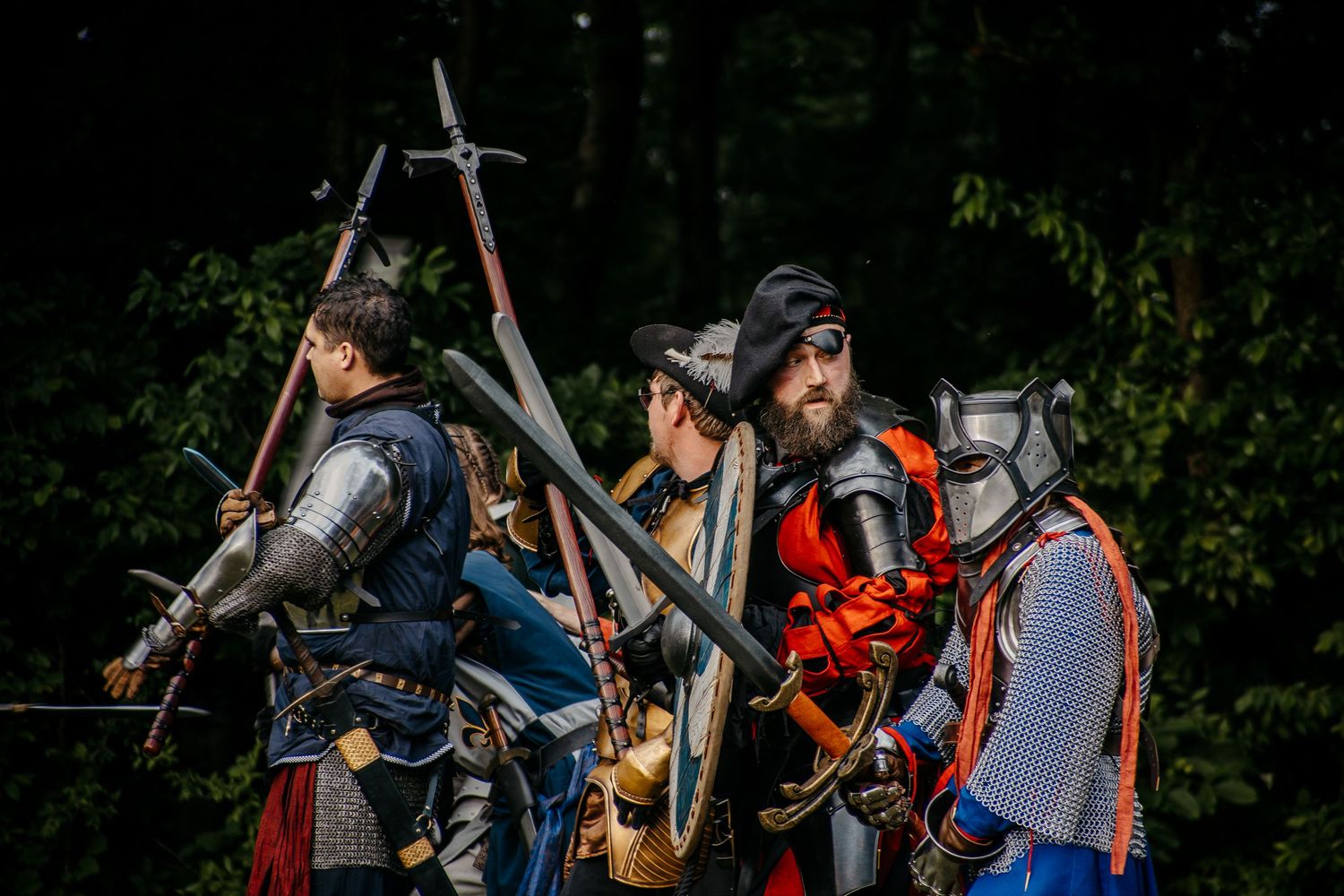
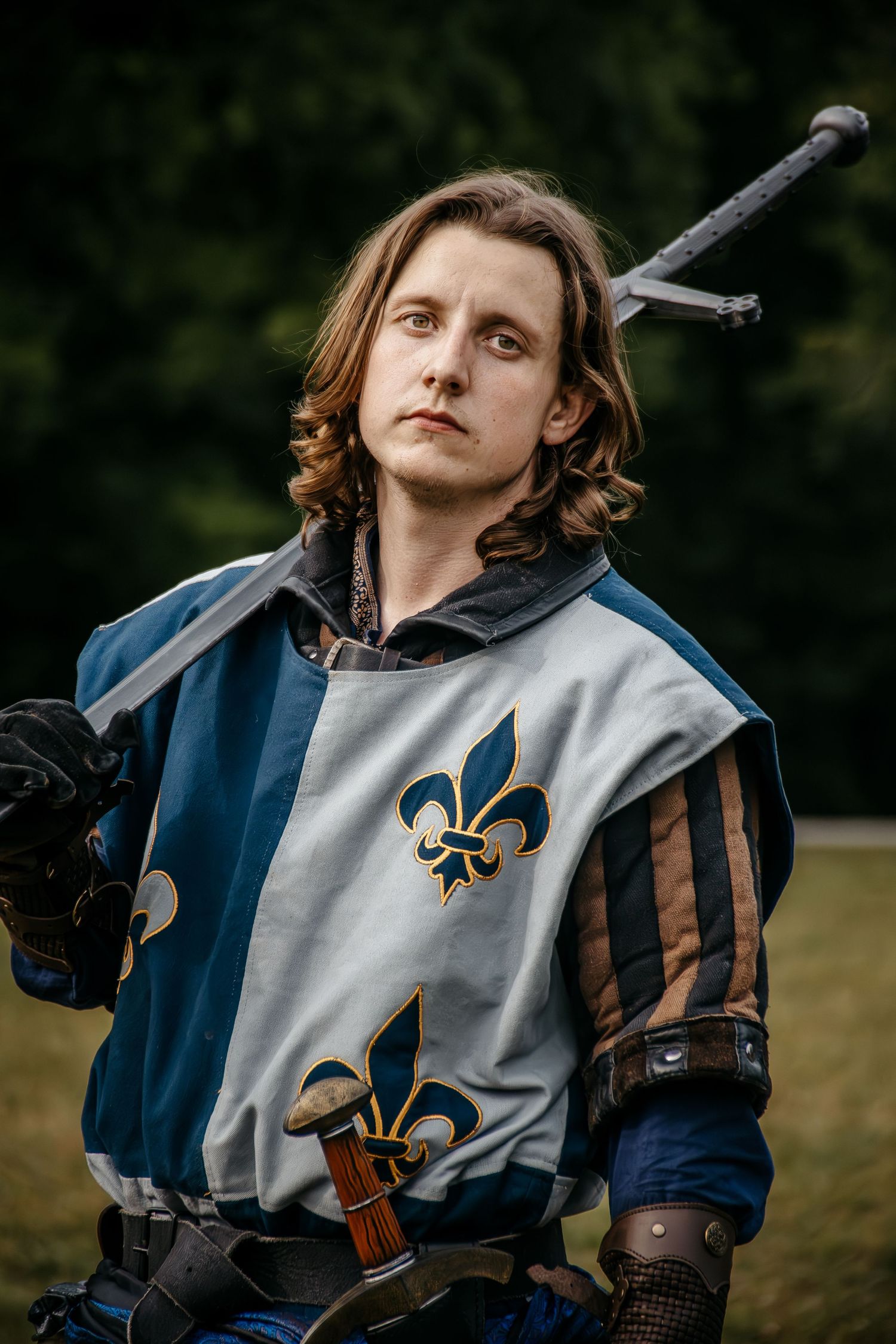
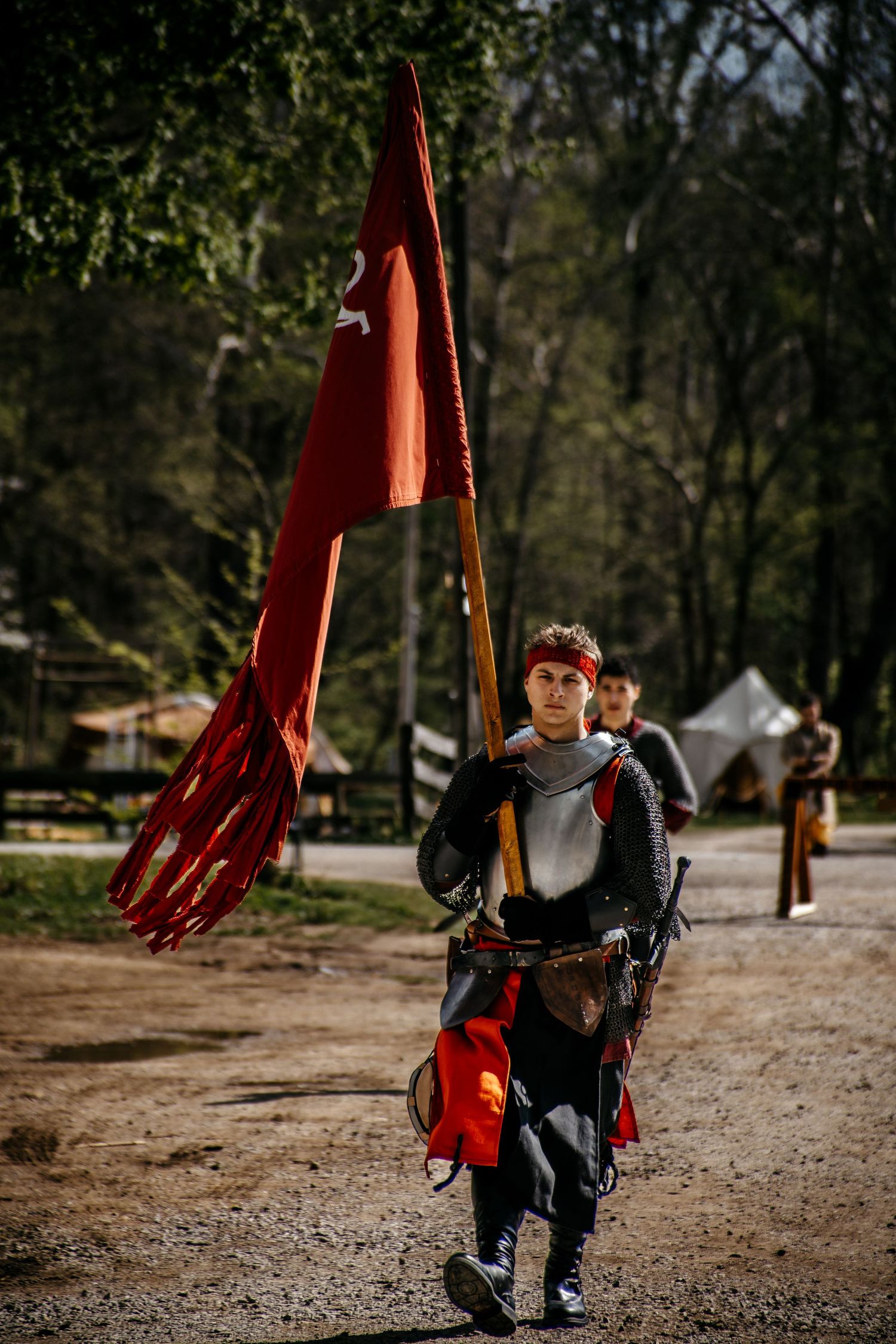
A cinematic image of armored warriors charging through fog beneath faction banners.
One provides information.
The other creates emotion.
Professional photography becomes marketing material for:
Websites
Ticket pages
Facebook advertisements
Instagram campaigns
Discord banners
Event announcements
Sponsor packets
Recruitment posts
Lore graphics
Media kits
Players want visual proof.
They want to imagine themselves there.
Strong photography allows people to mentally place themselves into your world before they ever arrive on site.
People rarely buy a LARP based solely on rules.
They buy a feeling.
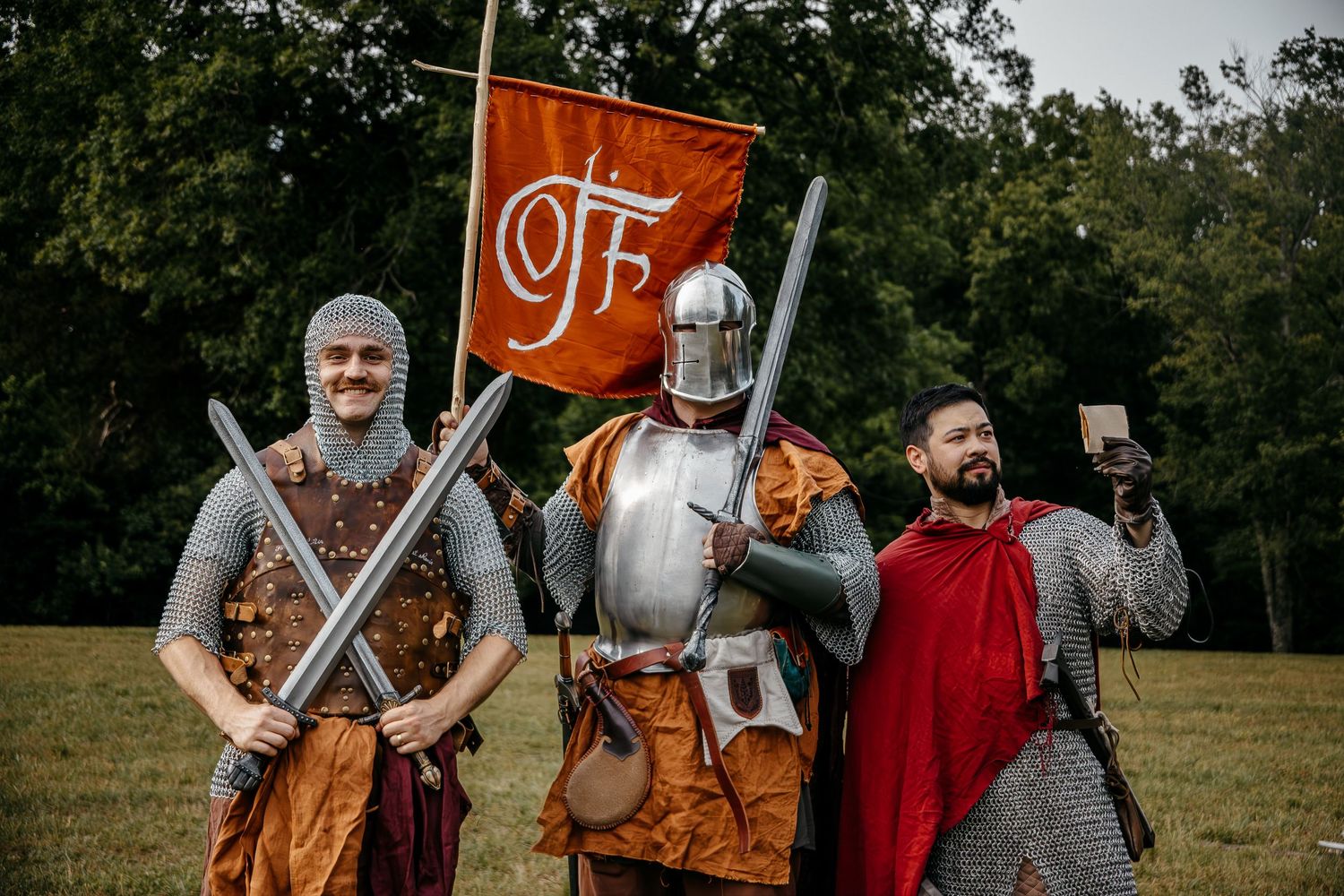
Most LARP communities are visually massive.
Cohesiveness: Photography Helps Define Your World
Different factions.
Different aesthetics.
Different camps.
Different interpretations of immersion.
Without intentional media coverage, an event can quickly feel visually fragmented.
Professional photography helps create cohesiveness by reinforcing:
faction identity
atmosphere
environmental storytelling
camp aesthetics
emotional moments
cultural tone
immersion standards
Over time, photography becomes part of the visual identity of the game itself.
Players begin recognizing the feeling of the world through the imagery.
That consistency strengthens immersion and helps onboard new players by showing them what the community values.
Hype: The Event Should Continue After Everyone Goes Home
Some of the strongest moments for a LARP happen after the event ends.
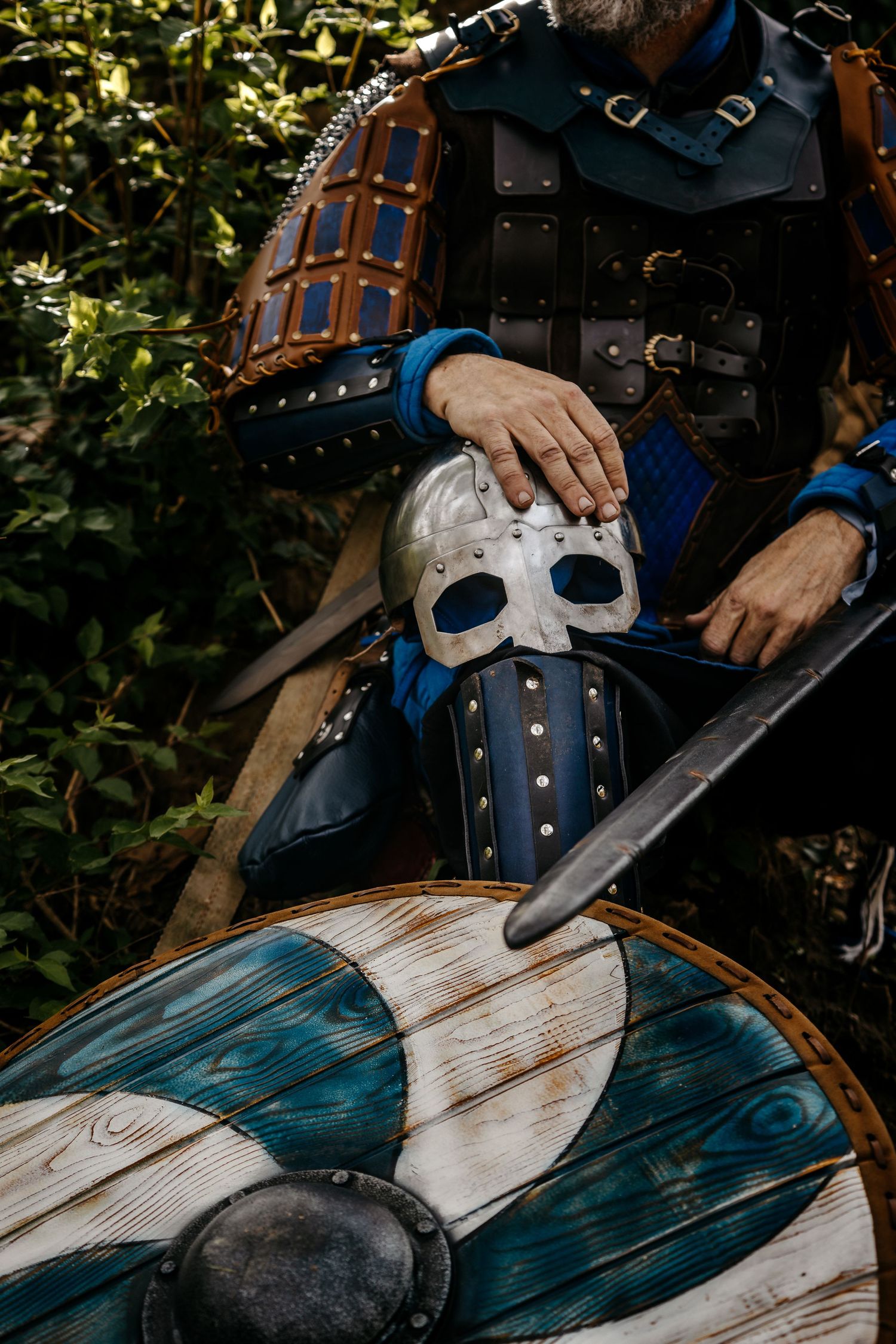
Players relive stories online.
Professional photography extends emotional momentum.
Strong media creates immediate hype through teaser images and quick gallery previews while players are still emotionally connected to the weekend.
It also creates community discussion:
“Remember this fight?”
“Look at our camp this year.”
“You missed the final battle.”
Nothing markets your next event more effectively than attendees publicly sharing how much fun they had at the last one.
Players naturally become part of your marketing.
Not because they were asked to.
Because they are excited.
Professionalism: Presentation Shapes
Professionalism: Presentation Shapes Perceived Value
People absolutely judge value through presentation.
A premium event relying entirely on blurry cellphone images sends mixed signals.
Professional photography quietly communicates:
“We care.”
“We invest in ourselves.”
“We take our world seriously.”
Strong media communicates organization, effort, quality, and reliability.
This matters especially for:
first-year games
growing organizations
sponsorship opportunities
partnerships
public-facing marketing
People support things that appear stable and thoughtfully built.
Photography communicates that stability.
Players Benefit Too
Photography is not only valuable for organizers.
Players benefit enormously as well.
LARP is deeply personal for many people.
Some spend months building armor.
Some handcraft their entire garb kit.
Some finally become the character they have imagined for years.
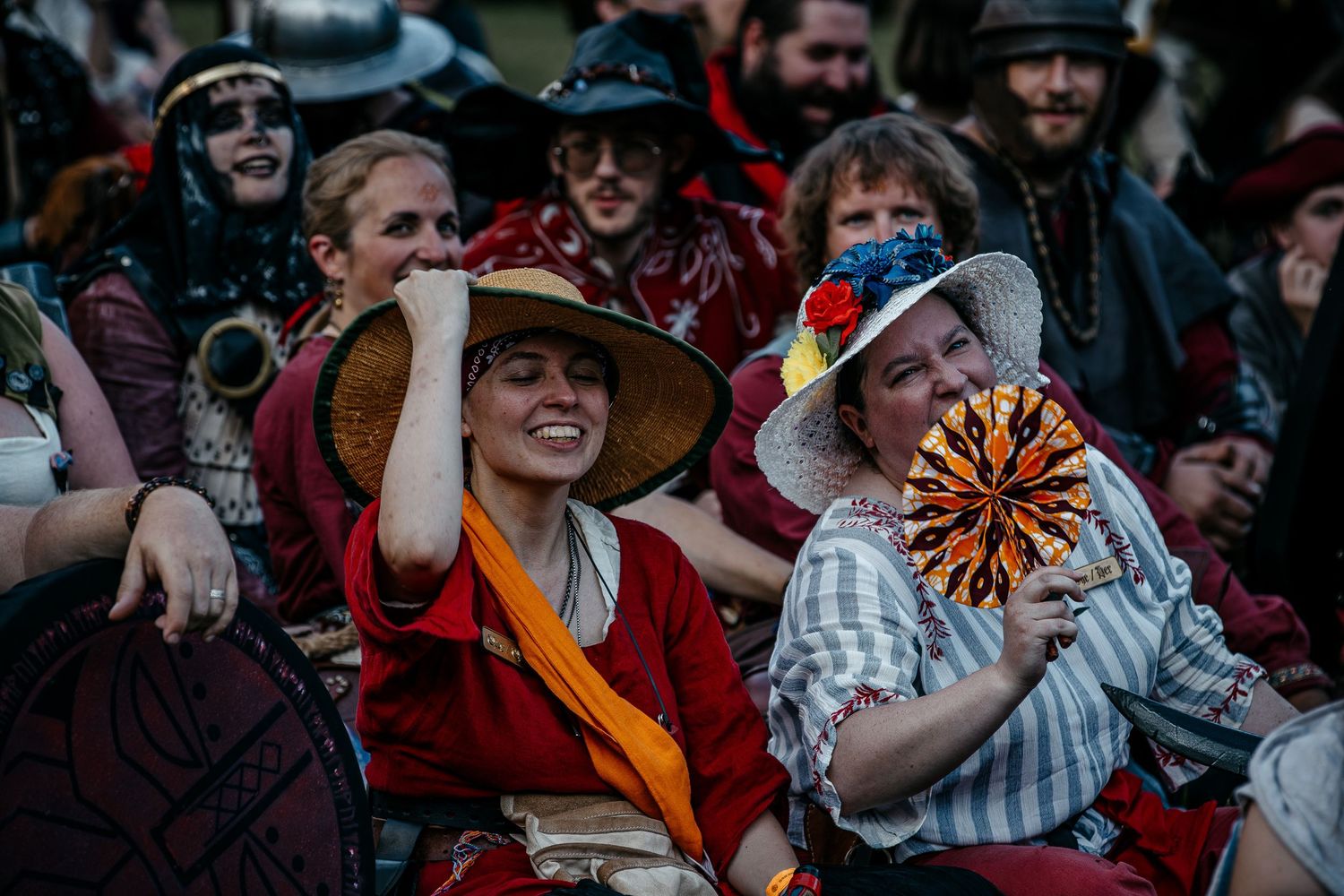
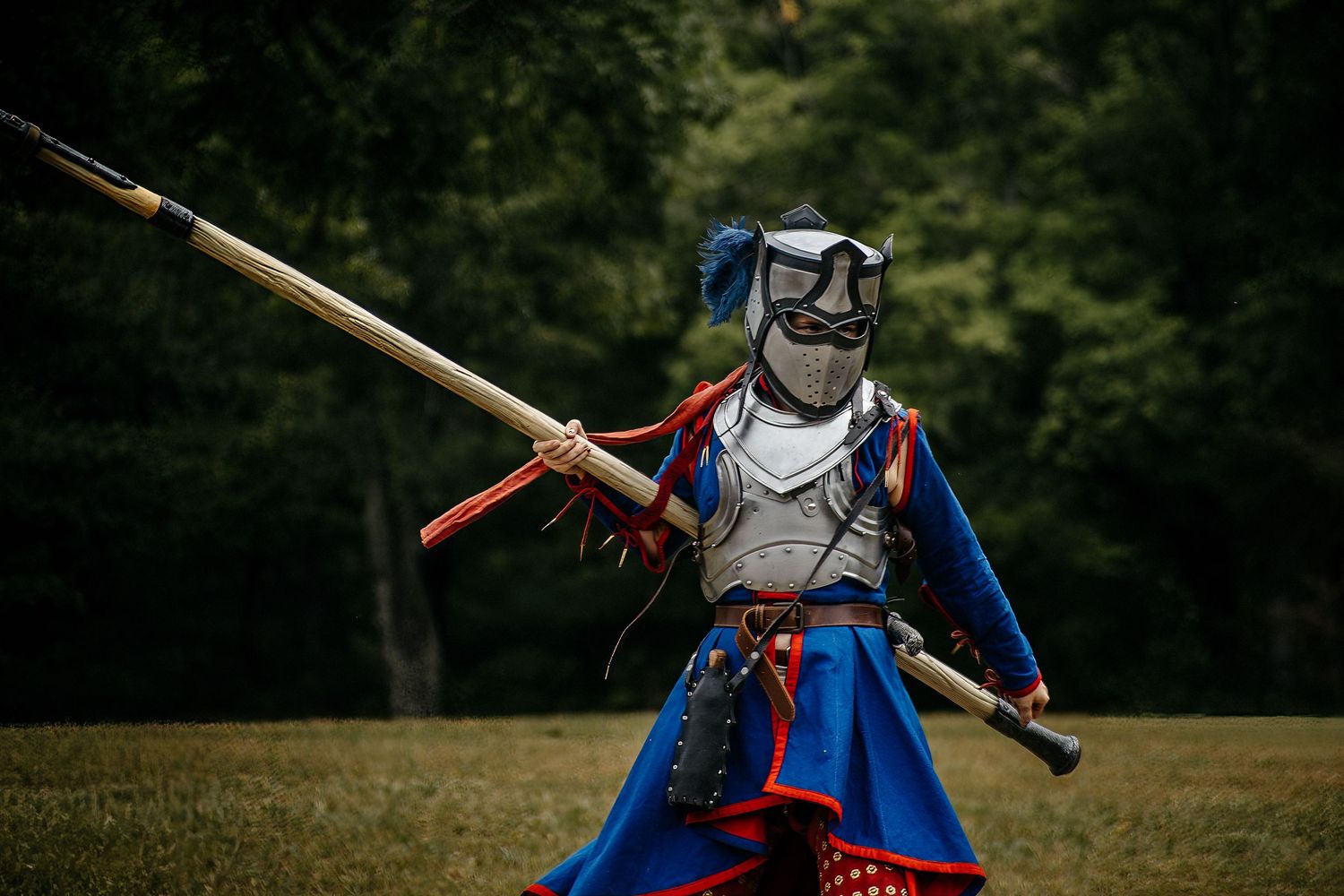
Many people never truly see themselves looking heroic until they experience a professionally captured image of themselves in character.
Photography preserves:
victories after combat
emotional roleplay
campfire conversations
friendships
immersive environments
personal character moments
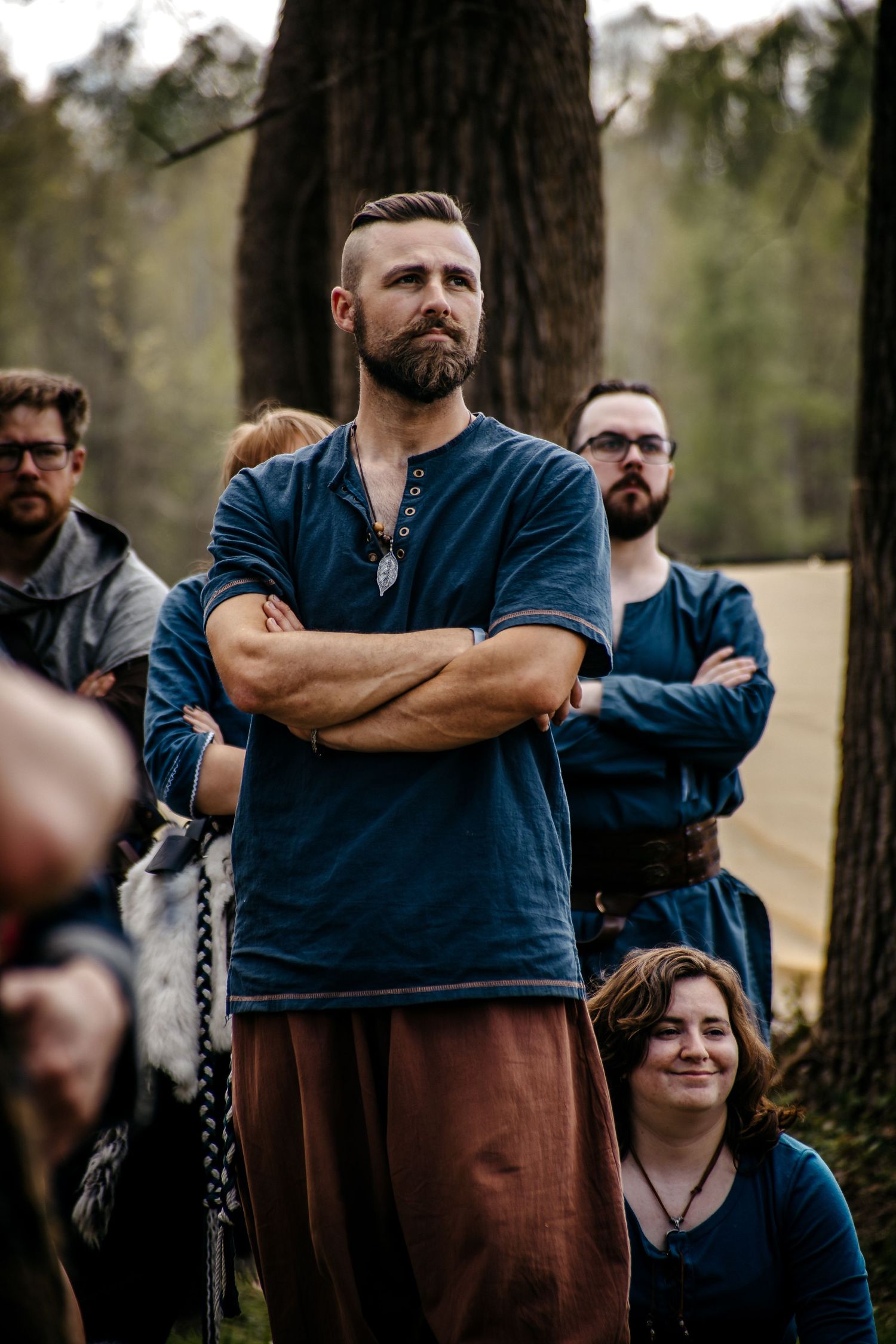
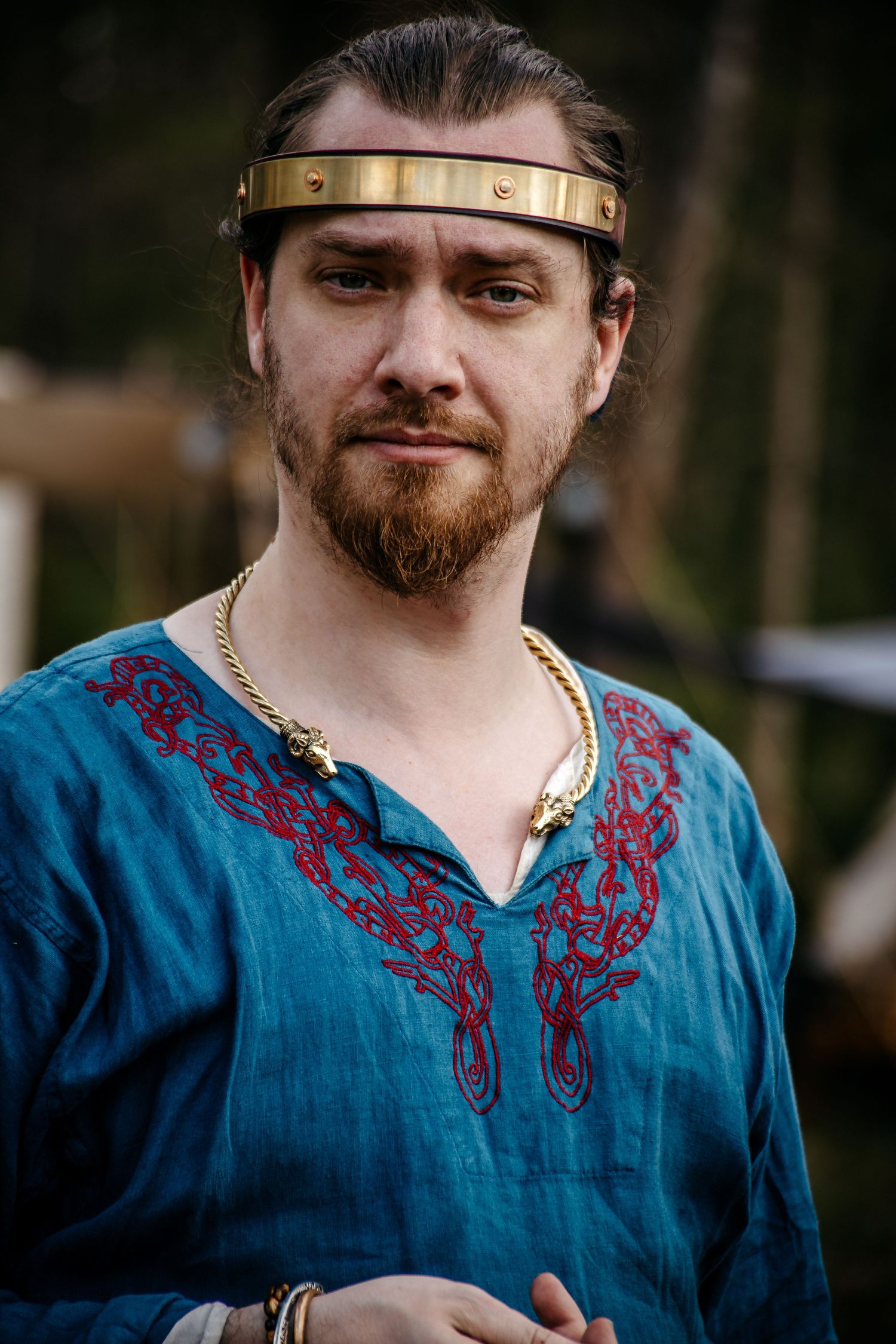
These photos become profile pictures, prints, keepsakes, and cherished memories.
Sometimes they become reminders of who someone became for a weekend.
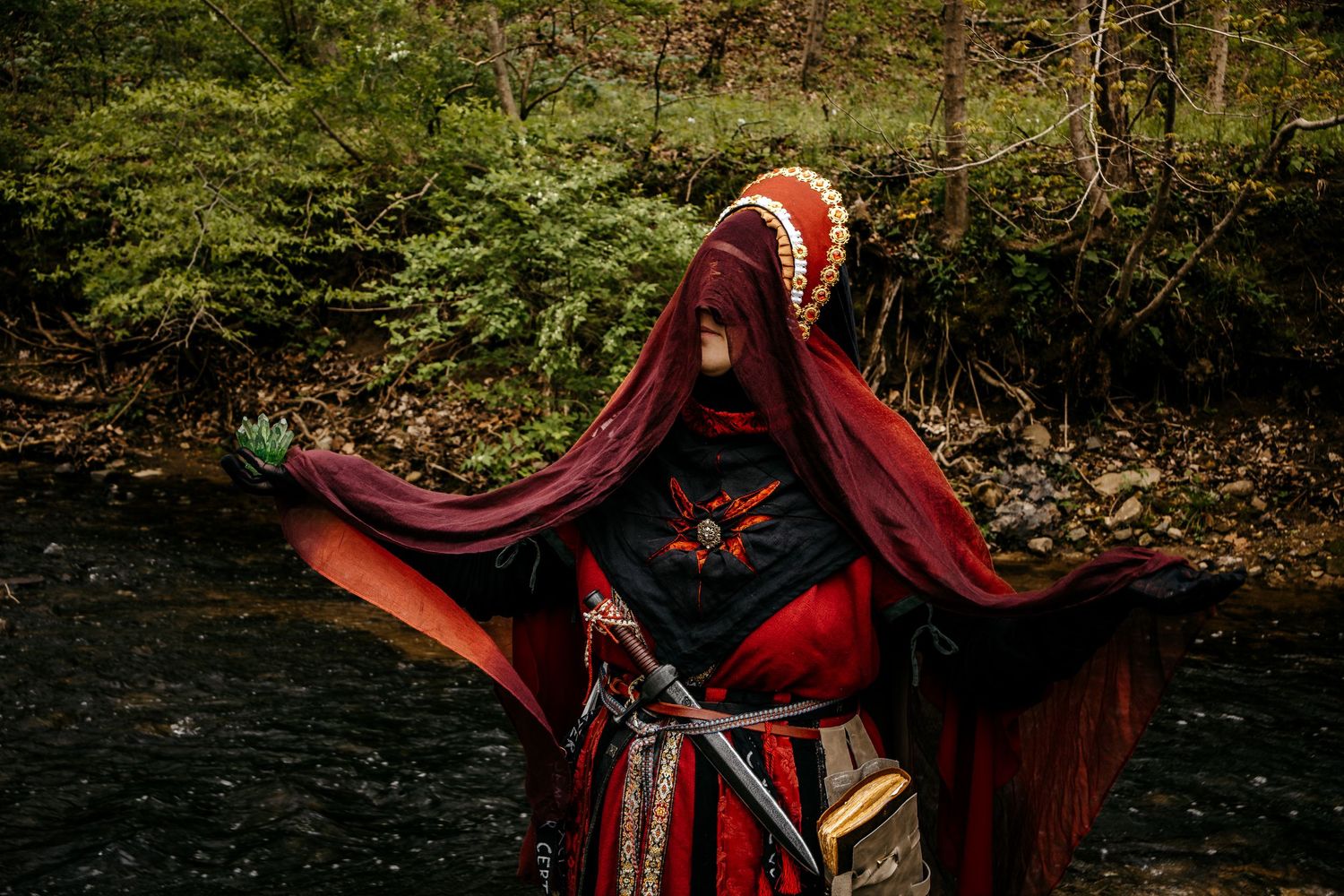
Choosing The Right Photographer Matters
Not all event photography is the same.
Community photographers and hobby photographers absolutely matter. Many capture incredible moments and help preserve the spirit of an event.
But there is a major difference between someone casually taking pictures at a LARP and someone professionally hired to document and represent a game.
That distinction matters both visually and legally.
Consistency Creates Identity
Many successful games eventually discover that consistency matters.
Working with the same photographer or reliable media team over time creates a recognizable visual identity.
The photographer learns:
faction dynamics
major NPCs
recurring players
camp culture
event traditions
important emotional moments
story pacing
Eventually they stop feeling like outsiders documenting an event.
They become part of the ecosystem itself.
Over time galleries stop feeling random and begin feeling like extensions of the world.
That consistency becomes branding.
Contracted Photographer vs Hobby Photographer
A hobby photographer often shoots from excitement.
A contracted photographer shoots intentionally.
Professional event photographers think about:
balanced faction coverage
NPC representation
sponsor content
emotional storytelling
website material
marketing assets
visual cohesion
narrative flow
A professional gallery should feel like reliving an event not opening a folder of unrelated images.
Professional photographers also provide consistency in editing style, quality control, communication, deadlines, and workflow.
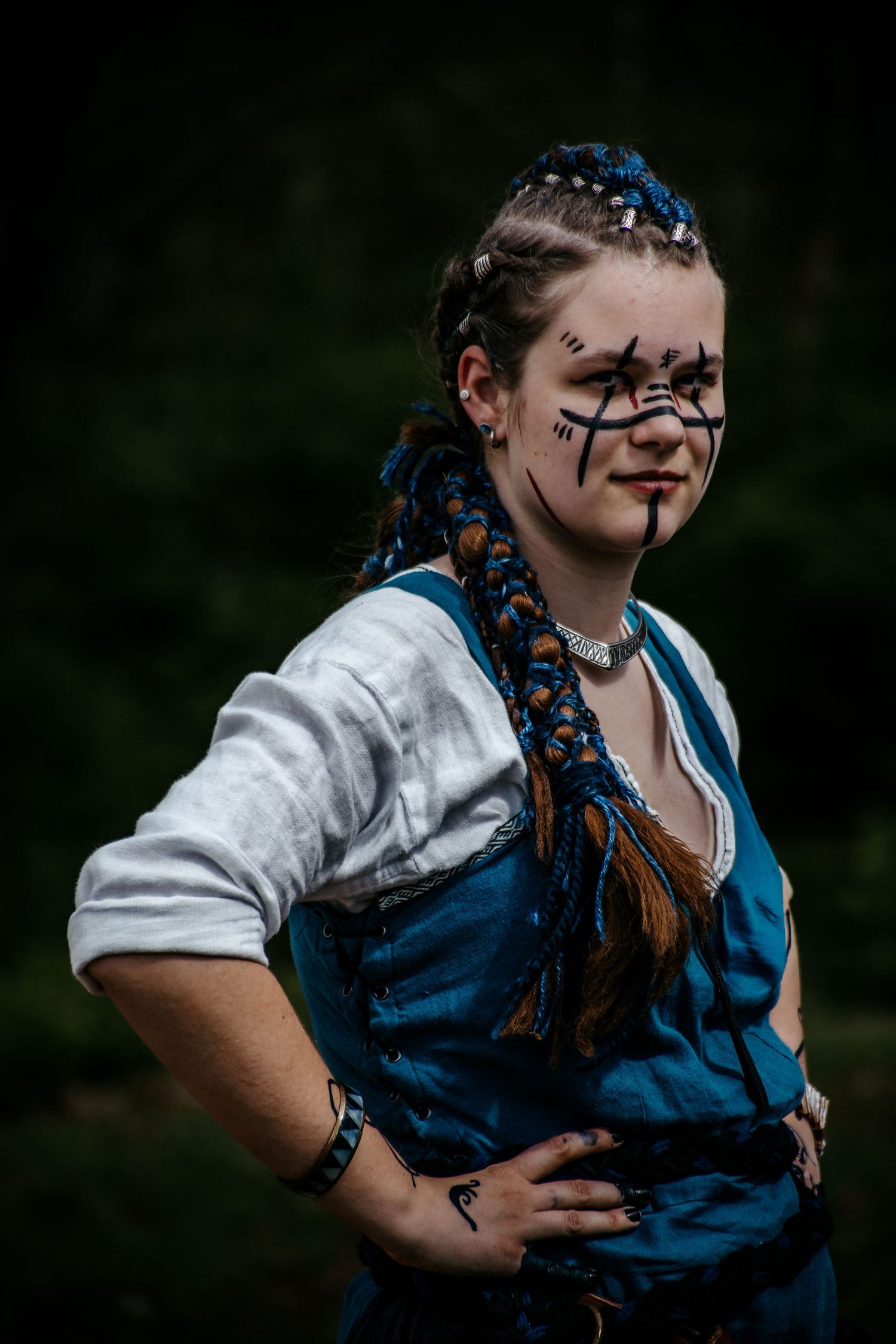
Editing Consistency Matters
When too many unrelated photographers contribute coverage:
editing styles clash
colors shift wildly
image quality varies
atmosphere becomes inconsistent
One gallery may feel cinematic.
Another may feel heavily filtered.
Another may feel bright and saturated.
Over time the visual identity of the game becomes chaotic.
A dedicated media team creates recognizable style and consistency.
That style eventually becomes associated with the event itself.

The Legal Difference Is Bigger Than Many Realize
Owning a camera does not automatically mean someone understands photography rights and licensing.
Professional photographers often work with:
contracts
usage rights
licensing agreements
delivery expectations
model releases
deadlines
commercial usage permissions
Questions matter:
Who owns the images?
Can the event use them in advertisements?
Can sponsors use them?
Can images be printed on banners or merchandise?
Can the organization continue using the photos years later?
Without clear agreements, assumptions happen.
Assumptions often create problems.
Professional agreements protect both the photographer and the event..
New Games: Invest Early, Even If You Start Small
Many new LARPs postpone investing in professional photography because budgets are tight.
That is understandable.
Props, insurance, terrain, NPC costuming, and site fees all feel urgent.
Photography often becomes:
“We’ll figure that out later.”
But your first event photos often become the foundation of your public identity.
Those images may live on your website, advertisements, Discord, and ticket pages for years.
People discovering your event months later may still be seeing images from Event One.
Investing early does not necessarily mean hiring the most expensive photographer available.
It means hiring intentionally.
Find someone who understands:
your goals
your aesthetic
your community
your world
your growth plans
Strong visual foundations help new games grow faster and appear more established.
Established Games: It Is Okay To Evolve
Long-running games face a different challenge.
Games evolve.
Communities change.
Player culture shifts.
Media needs change too.
Organizations should occasionally evaluate whether their current media still reflects who they are.
Questions established games should occasionally ask include:
Are we showcasing the parts of our game we value most?
Does our media reflect our current player culture and community?
Are we capturing enough roleplay?
Enough combat?
Enough atmosphere and environmental storytelling?
Enough camps and immersive spaces?
Enough NPCs and supporting characters?
Enough first-time player experiences?
Does our imagery reflect who we are now not who we were years ago?
And beyond the content itself:
Does our media team conduct themselves professionally?
Are they representing our event values well?
Do they communicate effectively with staff and players?
Are galleries arriving consistently and on time?
Are they helping generate excitement after events?
Are they intentionally documenting stories rather than simply taking pictures?
Organizations should also occasionally ask difficult business questions:
Are we receiving value for what we invest?
Is our media helping growth and ticket sales?
Are our photos strengthening our public image?
Is our current media standard setting the example we want associated with our game?
Media teams shape culture too.
Community Photos Are A Bonus—Not A Strategy
Community photography is wonderful.
Phone photos.
Camp selfies.
Behind-the-scenes moments.
GoPro footage.
Those things add personality and authenticity.
But relying entirely on community photos creates challenges:
inconsistent quality
incomplete coverage
missed storylines
uneven editing
legal uncertainty
gaps in documentation
Community photos help enrich coverage.
Professional photography builds infrastructure.
The strongest games often encourage both.
The Grow With You Philosophy
This idea became part of the foundation behind the Grow With You package.
Many smaller LARPs are doing incredible work but are still building their communities and budgets.
They need visibility.
They need media.
They need support.
The goal behind Grow With You is simple:
Help games establish strong visual foundations early while allowing media support to scale alongside the growth of the organization.
Because first-year games should not be expected to operate like ten-year games.
Communities evolve.
Media should evolve too.
The goal is not simply delivering photos.
It is helping worlds survive long enough to become traditions.
If you run a LARP and are evaluating photography support, think beyond:
“How many photos do we get?”
Instead ask:
What story are we telling?
What feeling do we want players to have?
How do we want our world remembered?
Because photography is rarely just documentation.
It is marketing.
It is identity.
It is community.
It is memory.
And sometimes, it is the reason someone buys a ticket in the first place.