
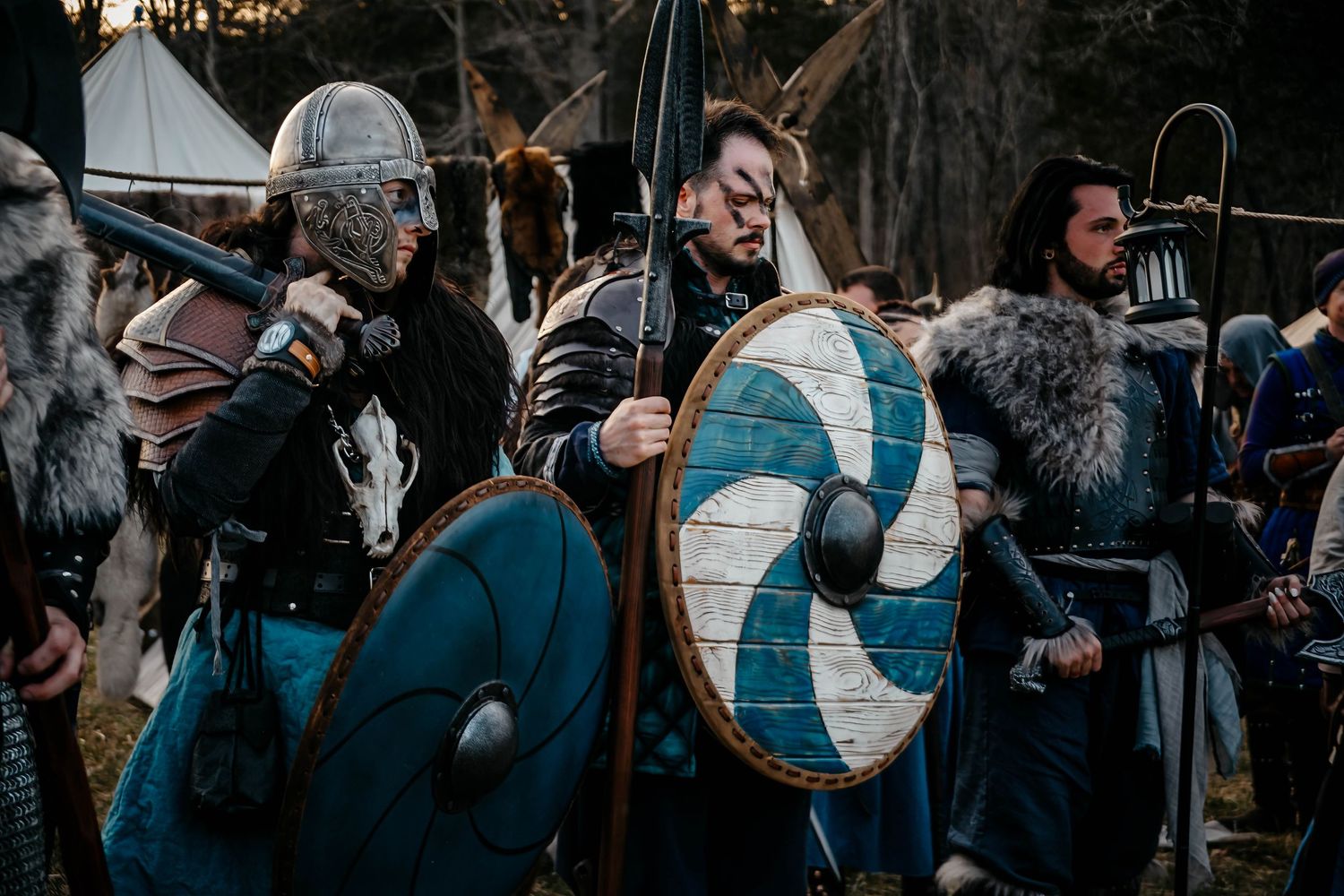
Bringing a new player into your unit or camp is more than adding another body to the line it’s inviting someone into a living story, a shared culture, and a community that thrives on trust. First impressions matter. When newcomers feel seen, supported, and prepared, they stay longer, play harder, and help your group grow stronger.
Below is a practical, people-first guide to welcoming new players in a way that builds confidence, cohesion, and long-term loyalty.


1. Set the Tone Before They Arrive
A welcome should start before the event. Reach out early with a short message that answers the basics:
Who you are and what your unit/camp values
Where to meet and when
What to bring (garb, colors, camp expectations)
Who their point of contact is
This simple step reduces anxiety and shows that your group is organized and intentional.
2. Assign a Point Person
Nothing is more overwhelming than arriving alone to a sea of unfamiliar faces. Assign each new player a buddy someone approachable who can:
Introduce them around
Explain camp norms and unit dynamics
Answer “small” questions they may be afraid to ask
This single role can make the difference between a player feeling lost or feeling like they belong.
3. Make Introductions Meaningful
Go beyond names. Share a quick, in-character or out-of-character blurb:
How long they’ve been playing
What role or playstyle excites them
One fun or relevant detail
Encourage existing members to do the same. It humanizes everyone and jumpstarts connections.
4. Explain Expectations Clearly (and Kindly)
Clarity is kindness. New players should understand:
Camp rules and safety expectations
Chain of command or leadership structure
How decisions are made
What’s encouraged vs. discouraged behavior
Avoid “you should already know this” energy. Everyone was new once.
5. Invite, Don’t Test
New players don’t need to prove themselves on day one. Invite them into:
Low-pressure RP moments
Simple tasks that help the group
Optional training or explanations
Avoid hazing, excessive scrutiny, or throwing them into the deep end without context.
6. Create Easy Wins
Give newcomers a chance to succeed early:
A small responsibility
A clear role in a scene
A task that visibly helps the unit
Early wins build confidence and reinforce that they matter.
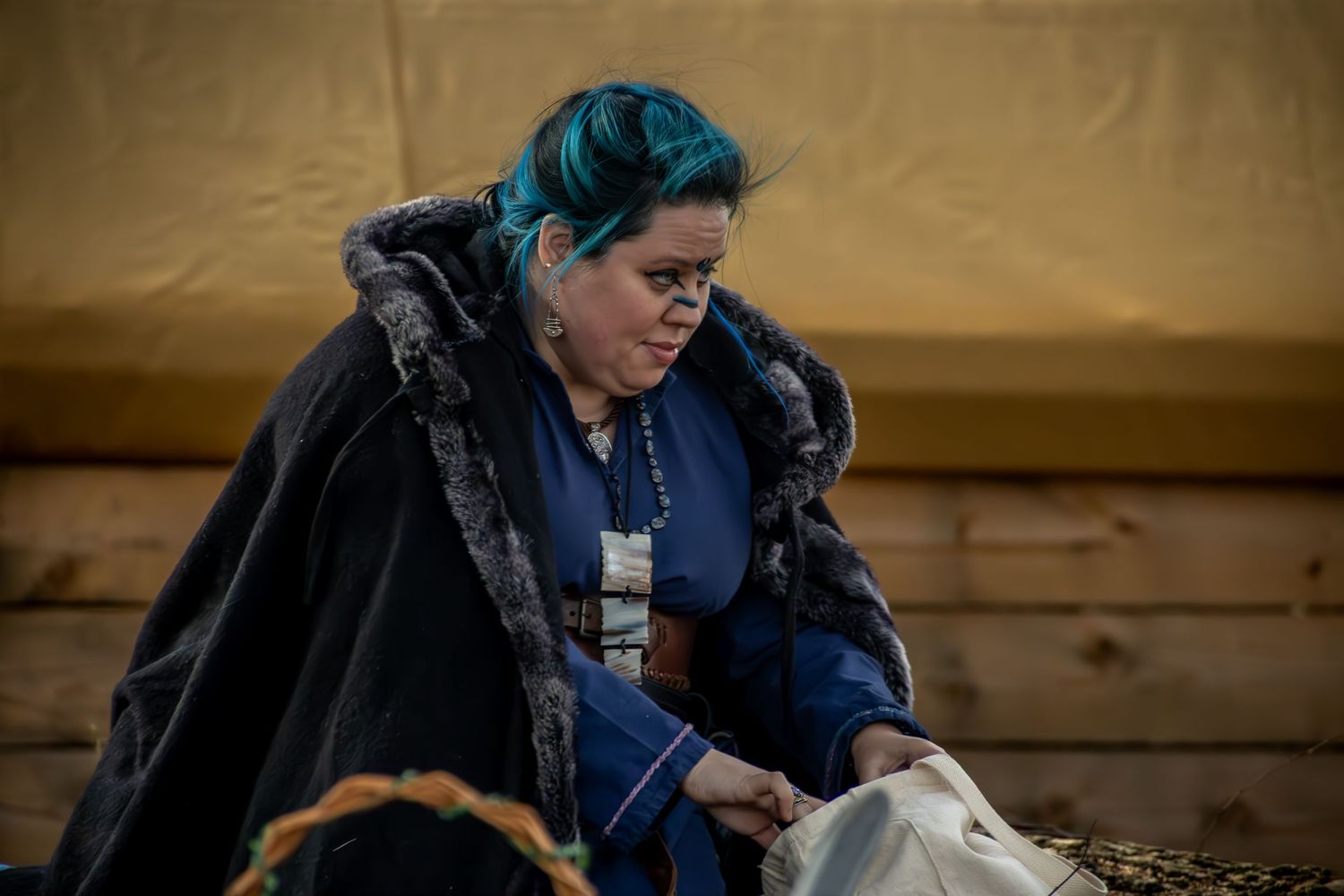


7. Normalize Questions and Mistakes
Say it out loud: Questions are welcome. Mistakes happen.
Correct gently, privately when possible, and with explanation—not embarrassment. A supported player learns faster and feels safer taking creative risks.
8. Check In After the Event
Follow up:
Ask how they felt
What they enjoyed
What confused them
What they’d like to do more of next time
This shows investment and gives you insight into improving your onboarding process.
9. Model the Culture You Want
Veterans set the standard. Be the unit you’d want to join:
Respectful
Inclusive
Communicative
Passionate without being gatekeepy
Culture isn’t what you say—it’s what you tolerate and what you demonstrate.
Welcoming new players well isn’t just good manners it’s leadership. Units and camps that invest in thoughtful onboarding build stronger stories, safer spaces, and more resilient communities.
When someone chooses to stand with your group, that’s a gift. Treat it like one and they’ll return the favor with loyalty, creativity, and heart.