What Photographers Own, What Clients Can Do,
& Your Rights at Public Events
Photography isn’t just about light, art, and storytelling it’s also about law.
Whether you’re a client booking a session or a LARPer stepping into an immersive battlefield, knowing how copyright works protects both you and the photographer.
This guide breaks down the basics in plain English (no legal degree required!) so everyone knows what happens to their images after the shutter clicks.
Who Owns the Photos?
Short answer: The Photographer.
Under U.S. Copyright Law (Title 17), the moment a photographer takes a picture, the image is automatically copyrighted to the photographer, not the client, not the subject, not the venue.
That means the photographer legally owns:
The right to reproduce the image
The right to edit or alter the image
The right to distribute the image
The right to display the image
The right to license the image
Clients receive usage rights, not ownership usually in the form of a downloadable gallery with permission to print, share, and enjoy the images personally.
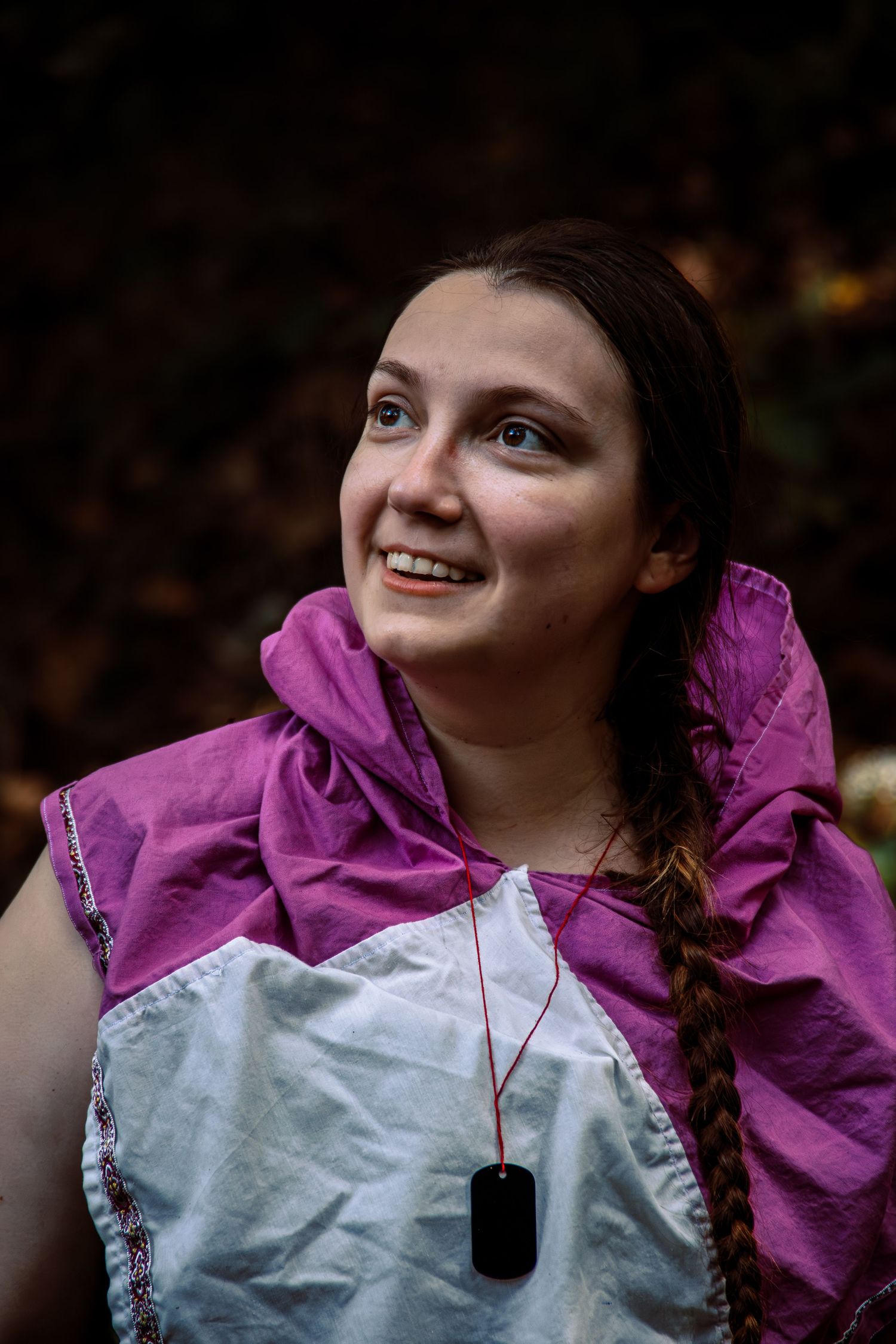
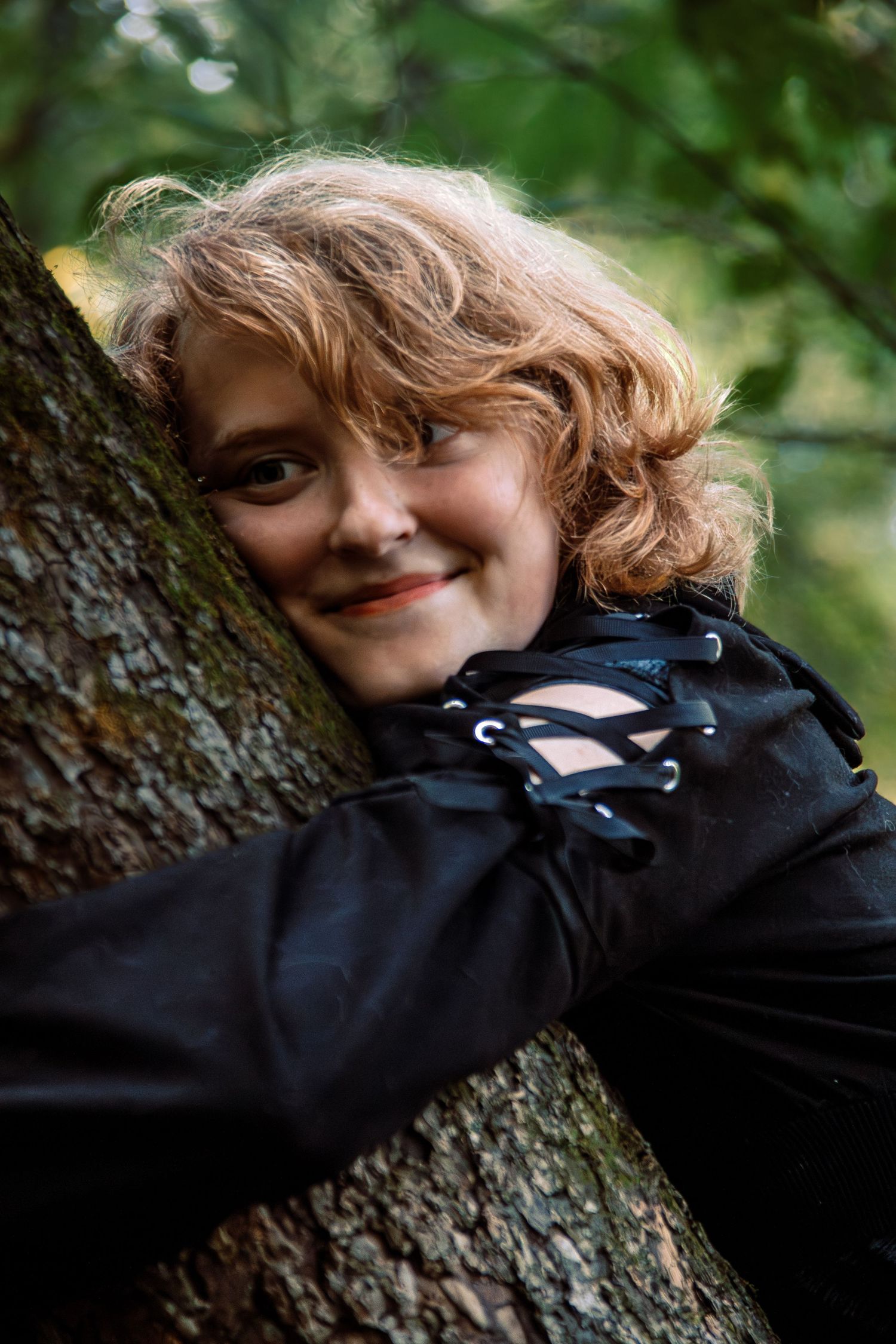
What Clients Can Do With Their Photos
Most photographers (including GamerGurl Photography) give clients a personal-use license, which means you can:
Print your images
Share them on social media (with credit appreciated)
Use them for holiday cards, announcements, etc.
Save and store them for personal memories
You cannot:
Sell the images
Edit them heavily or apply filters
Use them commercially (ads, merch, promotional materials) without permission
Allow third-party vendors to use them without the photographer’s consent
If you need commercial rights (for a business, brand, modeling portfolio, etc.), those must be purchased separately..
What About LARP, Renfaire, and Public Event Photos?
This is where things get interesting especially in our world of cosplay, immersive events, and chaotic battlefield glory.
If you're in a public space or a public event: You can be photographed.
Legally, you do not have a guaranteed right to privacy in a public setting. If you’re at:
A festival
A renaissance faire
A LARP hosted on public land
A parade
A park
A street
Any publicly accessible event
…then photographers are legally allowed to take pictures of you.
✔️ Your face in a photo does NOT equal copyright ownership.
Even if you are the subject, the photographer still owns the photo.
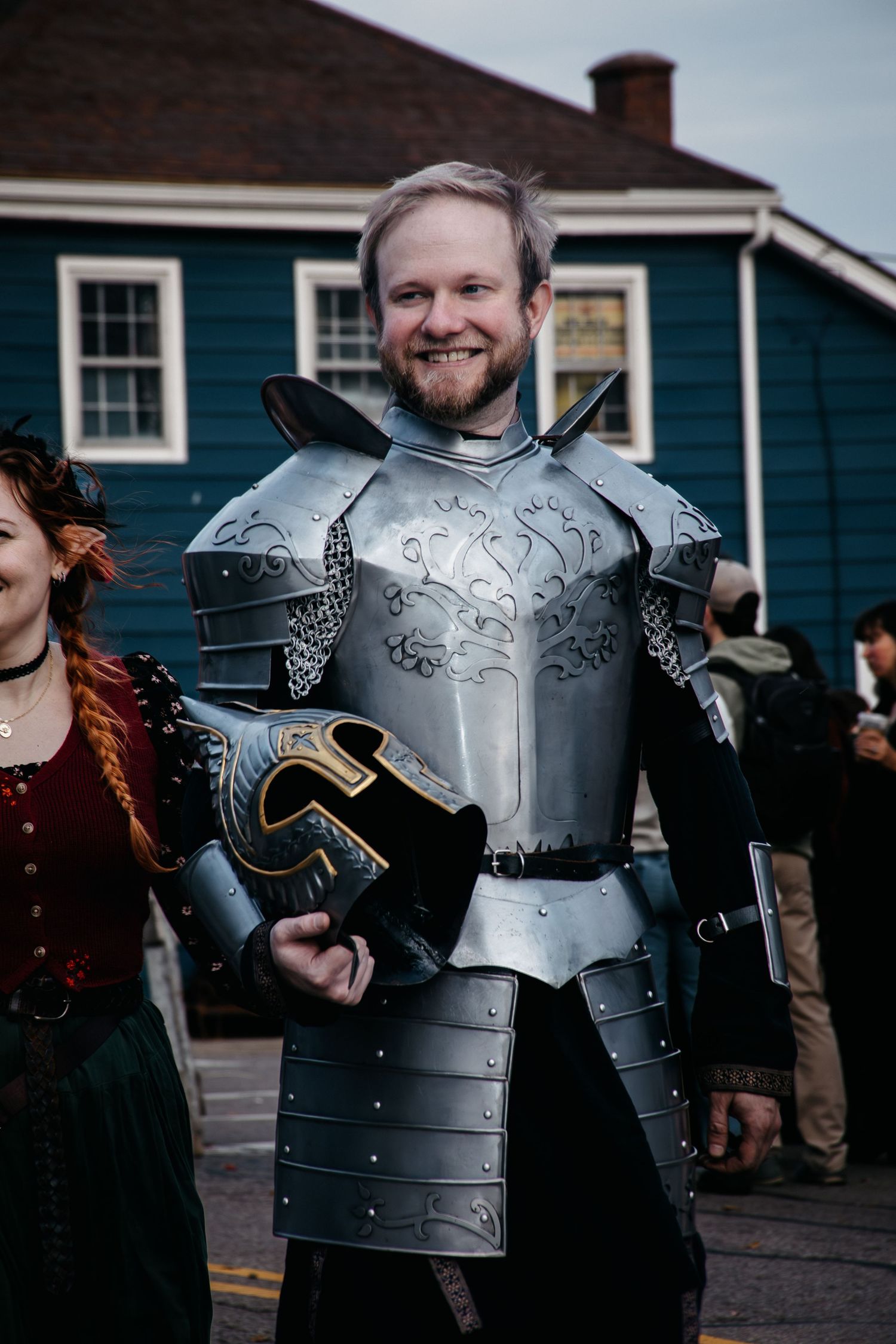
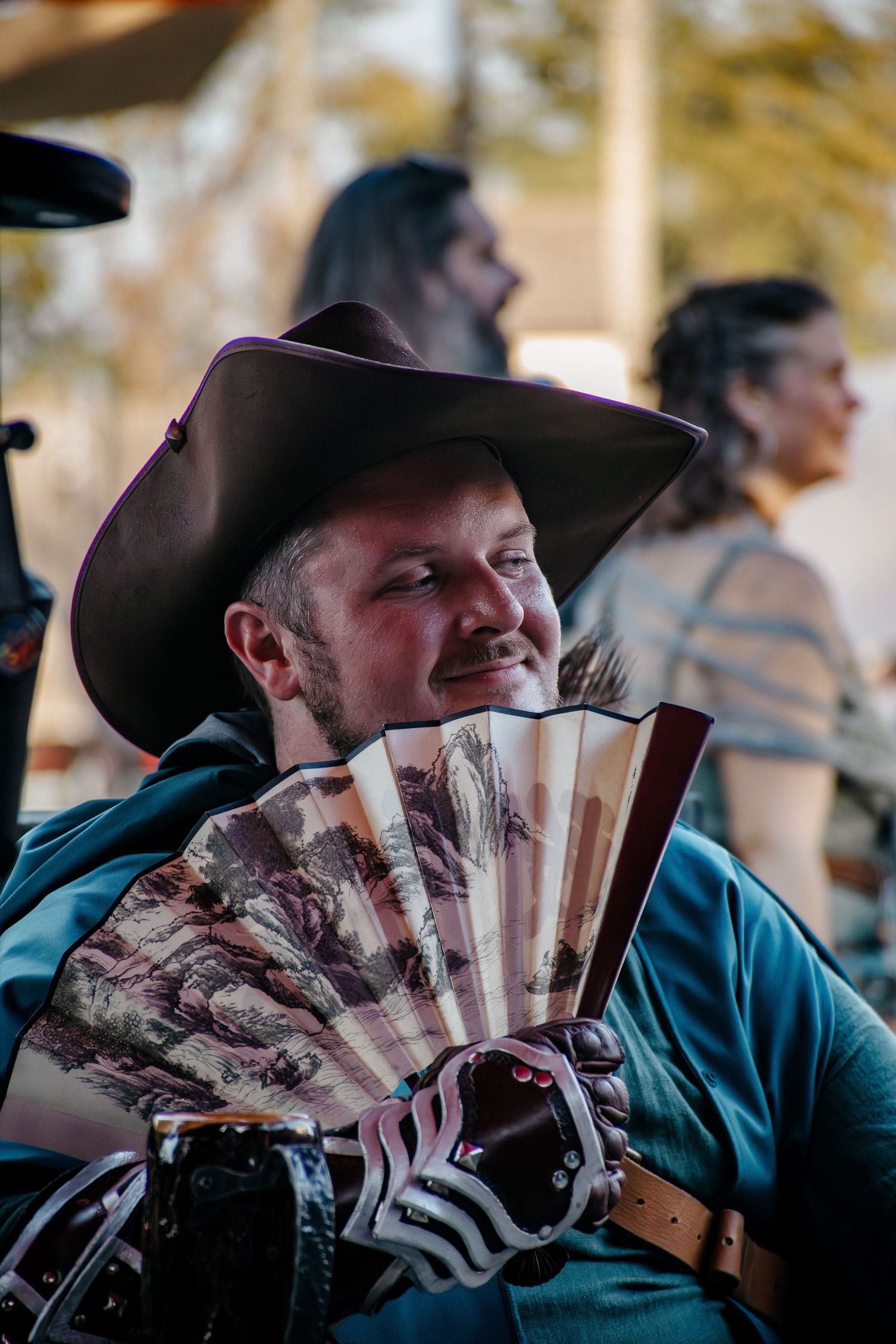
Event Photography & “Implied Consent”
When you attend a ticketed event (like Hardstriker, Reckoning, Drachenfest, ORF, etc.), the terms and conditions often state that photography or videography will occur and that by entering, you agree to be recorded.
This is known as implied consent, meaning:
You can be photographed
The photographer can use those images for event promotions
The images can appear on social media and recap posts
However:
If you have safety concerns or personal boundaries, most photographers including GamerGurl Photography will honor a quiet request not to be posted. Consent and comfort always matter more than a perfect shot.
What Photographers Can Do With Event Photos
Because the photographer owns the copyright, they may:
Post the images online or in a portfolio
Use them in advertising
Sell prints or digital downloads
Submit them for publication
However, many LARP and festival photographers voluntarily follow community guidelines, such as:
Avoiding photos of minors without parent permission
Removing photos upon request
Avoiding sensitive or compromising images
Respecting in-character vs. out-of-character boundaries
A little communication goes a long way.
Model Releases: When They Are Needed
If a photographer wants to use your image for commercial purposes like ads, merch, or large-scale marketing they typically need a model release, especially if:
You are identifiable
The image is being used to directly sell something
It is not an event covered by implied consent agreements
Most private portrait clients sign a release allowing portfolio and social use.
If you prefer privacy, you can decline commercial/model release permissions during booking.
At GamerGurl Photography, every standard contract already includes a model release.
This allows me to:
Share your images in my portfolio
Post sneak peeks and highlight galleries
Use your photos on my website or social media
Share images that promote the creative work we made together
This is a normal and essential part of copyright law and professional photography it allows me to show the art I create, and it helps future clients see real examples of sessions, weddings, and LARP events.
Boudoir Has Its Own Privacy Rules
Boudoir is a sacred space, and your comfort and safety always come first.
Here’s how it works:
If you ask me not to share your boudoir photos, I will not share them.
No questions, no pressure, no negotiation your “no” is final.
If you’re open to it, I may ask to share images without your face (back, silhouette, close-up details, etc.), but only with your full written approval.
If you prefer complete privacy, all images stay private. Period.
Boudoir is about empowerment, trust, and vulnerability. You deserve full control over how (or if) those images are ever seen.
Why Copyright Matters
Copyright isn’t meant to be restrictive it’s meant to:
Protect the photographer’s art
Protect clients from unauthorized image manipulation
Keep the integrity of the finished artwork intact
Maintain professional standards
Ensure everyone is respected and represented fairly
And in the fantasy world?
It keeps your character’s photos safe, your brand intact, and your memories vibrant.
Copyright can sound intimidating, but it's truly designed to protect everyone involved photographers, clients, and event attendees.
Your stories, your armor, your gowns, your magic they deserve to be captured with respect and shared with intention.
If you ever have questions about usage rights or privacy at an event, always feel comfortable reaching out.
GamerGurl Photography is here to help you navigate the legal side of things as confidently as you wield a sword on the battlefield.