TFP Photography: Who Pays, Who Trades, and What “Trade for Photos” Actually Means
If you've spent any time in photography, modeling, cosplay, or creative groups, you've probably seen posts like:
“Photographer looking for models — TFP!”
or
“Looking for a photographer willing to shoot TFP.”
TFP stands for Trade for Photos (or sometimes Time for Prints), and it can be one of the best ways for photographers and models to build portfolios, experiment with new ideas, and create something neither person might have made on their own.
But there is one HUGE misconception about TFP:
TFP does not mean “photographer works for free.”
It means trade.
And whether a shoot should be TFP or whether the photographer or model should actually be paying depends heavily on who is bringing value to whom.
TFP Should Benefit Everyone Involved
This is probably the most important part of understanding TFP.
A successful TFP collaboration should provide value to everyone involved.
For a newer model, that might mean working with an experienced photographer to build a stronger portfolio.
For a photographer, it might mean creating a concept that isn't currently represented in their portfolio.
For an experienced model, it might be the opportunity to work with a photographer whose editing style they love.
For both people, it might simply be:
"This idea sounds freaking awesome and I want to make it."
And that's completely valid.
Not every collaboration needs to have a business strategy attached to it.
But there should still be a reason both people want to participate.
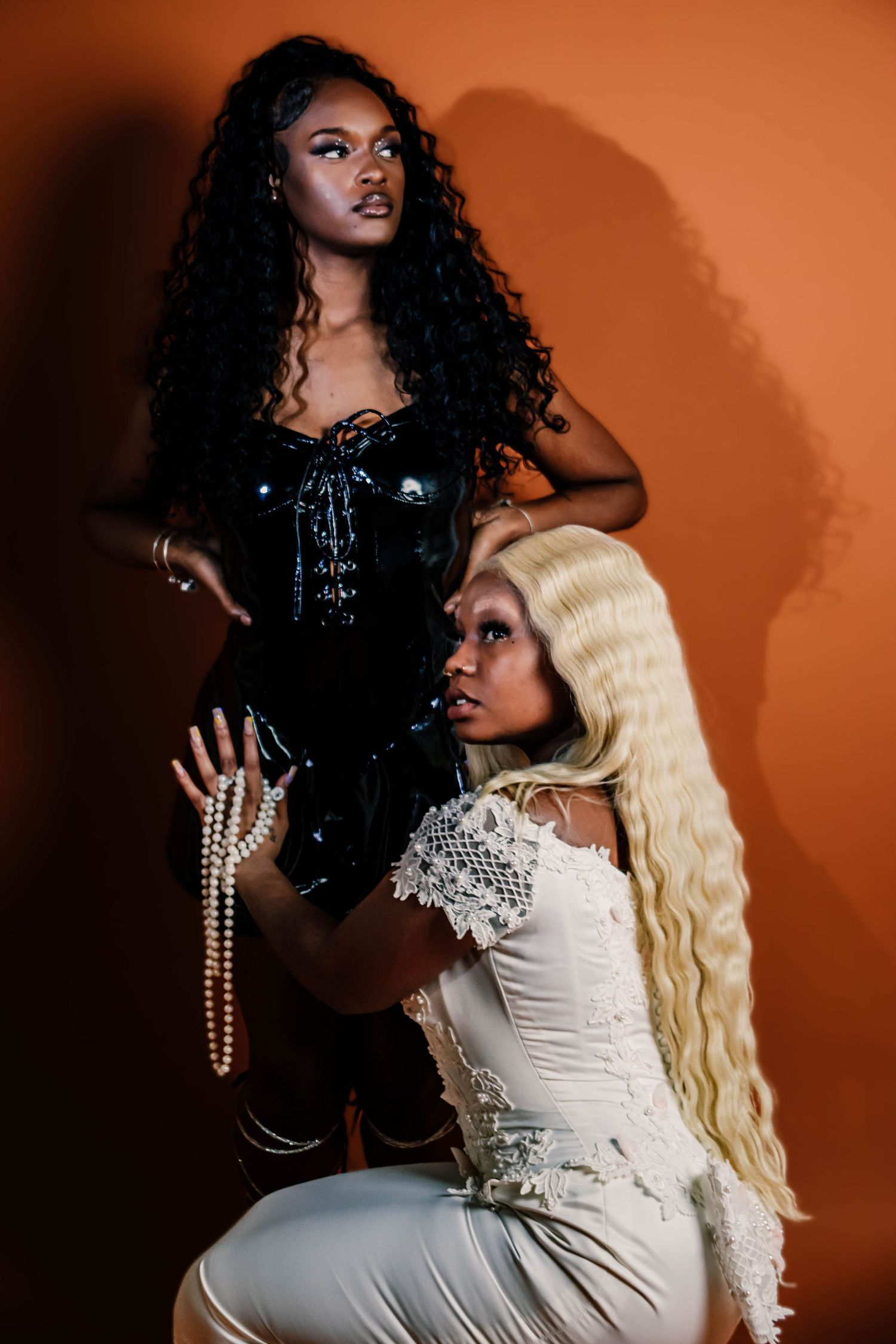
TFP Isn't Something You Are Automatically Entitled To
This is where things sometimes get uncomfortable.
A photographer offering TFP sessions does not necessarily mean they are willing to photograph anyone who asks for free.
Likewise, a model who occasionally accepts TFP collaborations isn't obligated to model for every photographer who contacts them.
Creatives get to choose the projects they want to trade their time for.
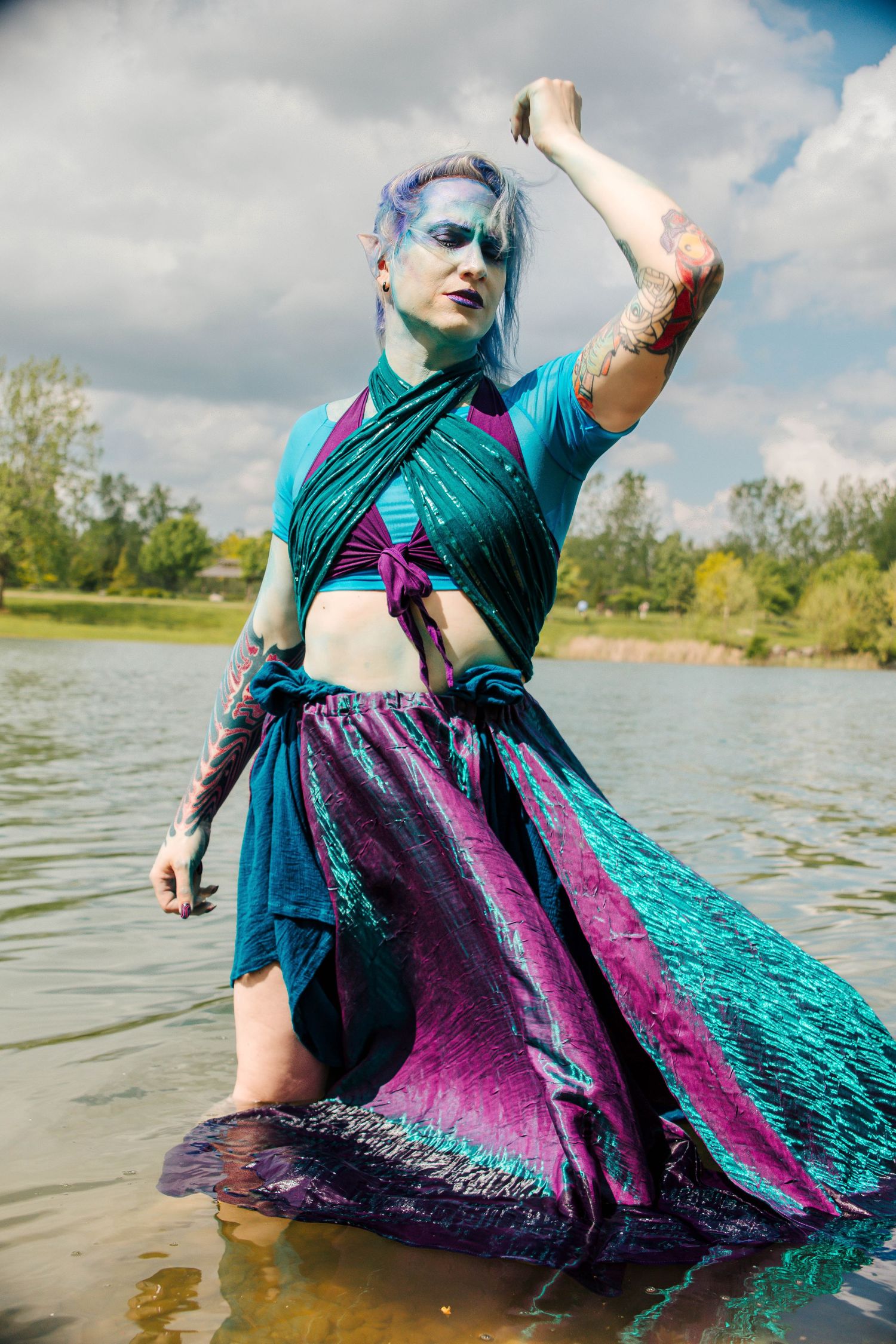
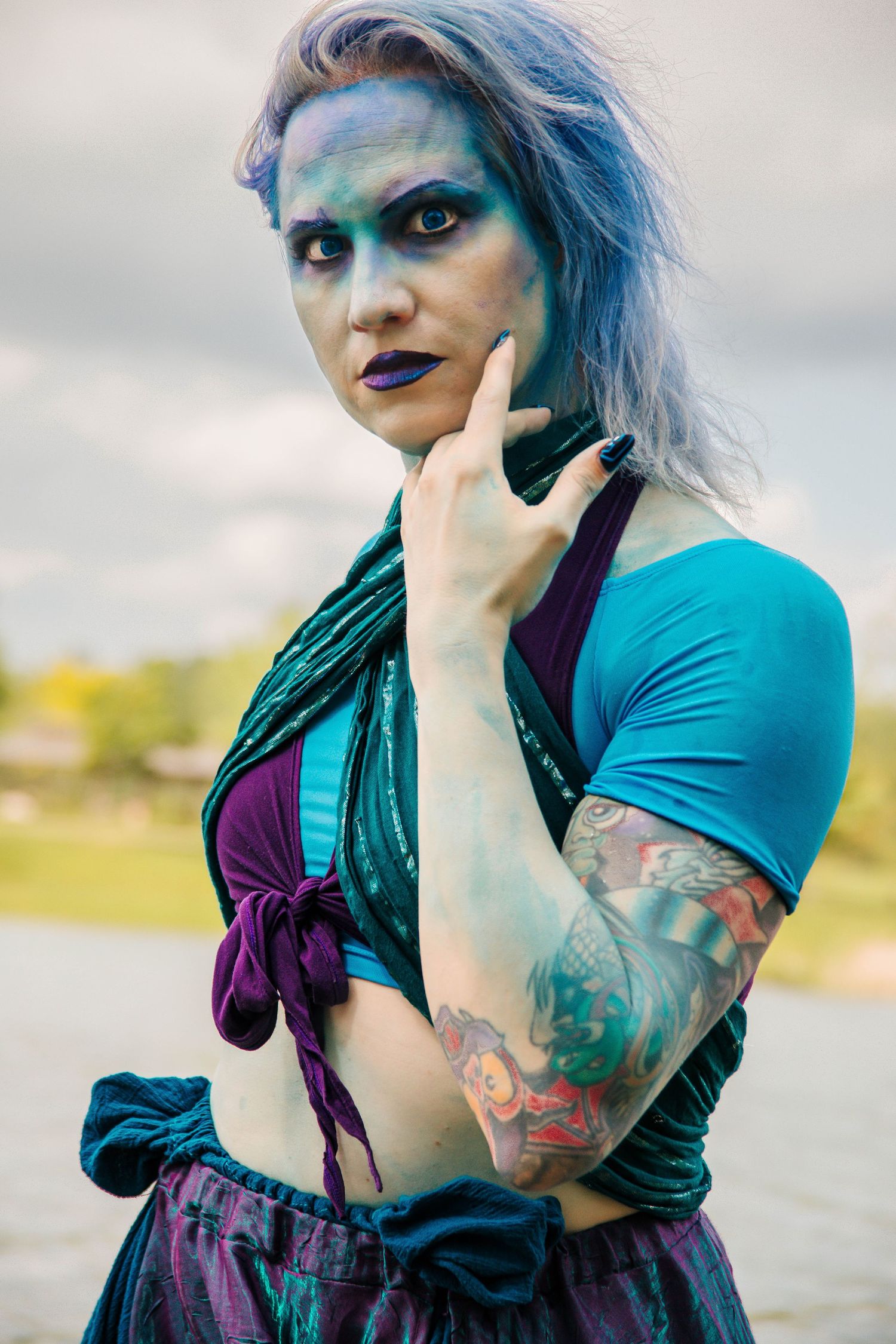
For example, I may happily photograph a complicated fantasy concept TFP because it gives me something completely new for my portfolio.
That doesn't mean I would photograph a standard portrait session TFP when that's already something people regularly hire me to create.
The question isn't:
“Will you photograph me for free?”
The better question is:
“Would this concept be something you'd be interested in collaborating on?”
That distinction matters.
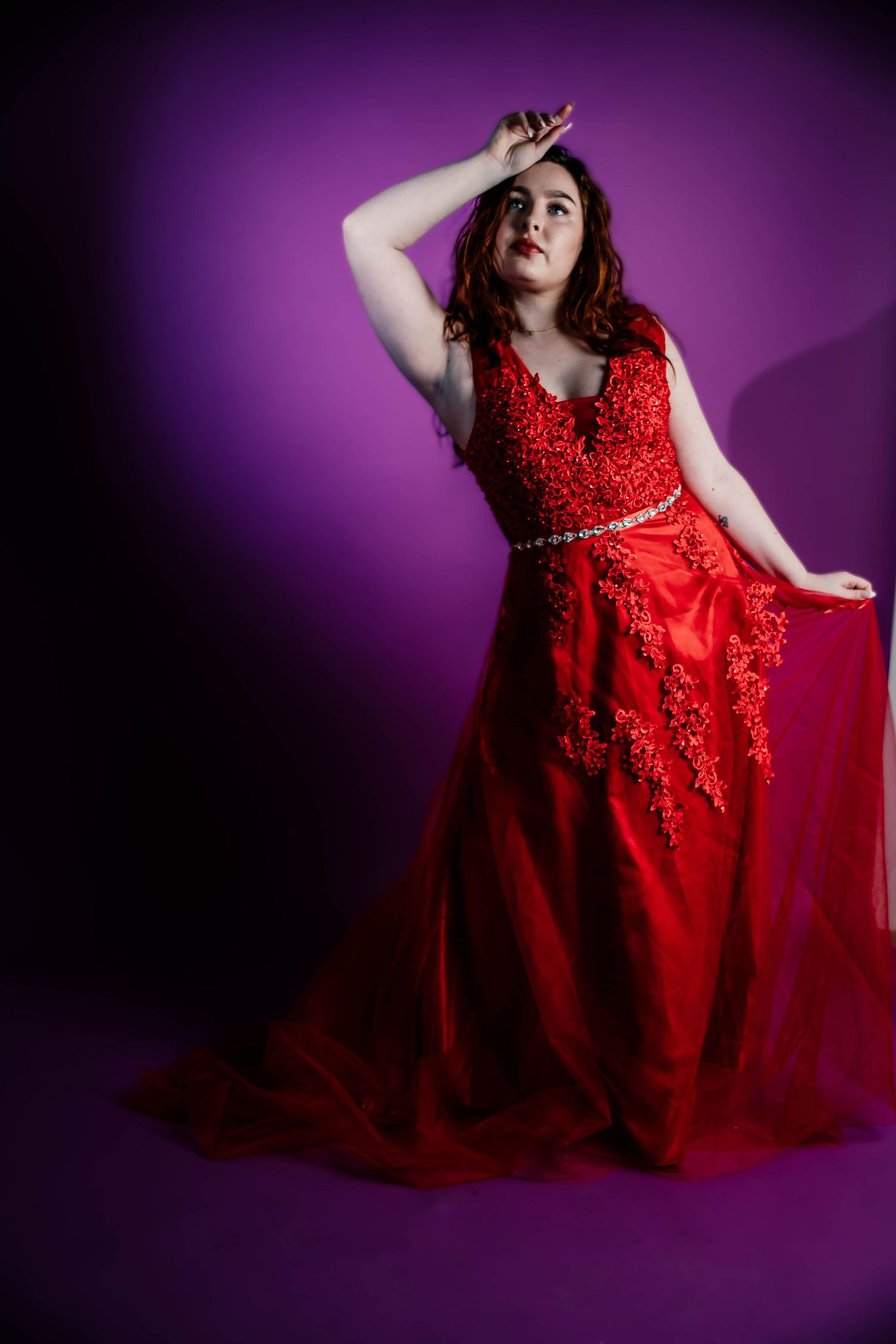
TFP vs. a Client Session
There is also an important difference between a collaboration and a client request.
If a photographer says:
"I want to create a dark fantasy shoot in the woods with armor, fog, dramatic lighting, and this specific concept…"
…and finds a model who wants to help create it?
That's a great candidate for TFP.
But if someone approaches a photographer saying:
"I want photos at this location, wearing these three outfits, on this specific date, with this exact aesthetic…"
that has started moving away from collaboration and toward a commissioned session.
The more control one person wants over the final product, the more likely it is that the person should be hiring the other creative.
A trade means we're creating something together.
Experience Has Value on Both Sides of the Camera
There's another misconception worth addressing:
TFP does not mean the photographer is automatically doing the model a favor.
Models bring value to a shoot too.
An experienced model who understands posing, movement, expressions, wardrobe, makeup, and how to work with a camera can dramatically change the results of a session.
The same applies to cosplayers who spend hundreds of hours creating costumes, designers providing garments, makeup artists creating elaborate looks, or performers bringing specialized skills.
That's why good TFP collaborations aren't about determining whose time is "worth more."
They're about recognizing what everyone is bringing to the table.
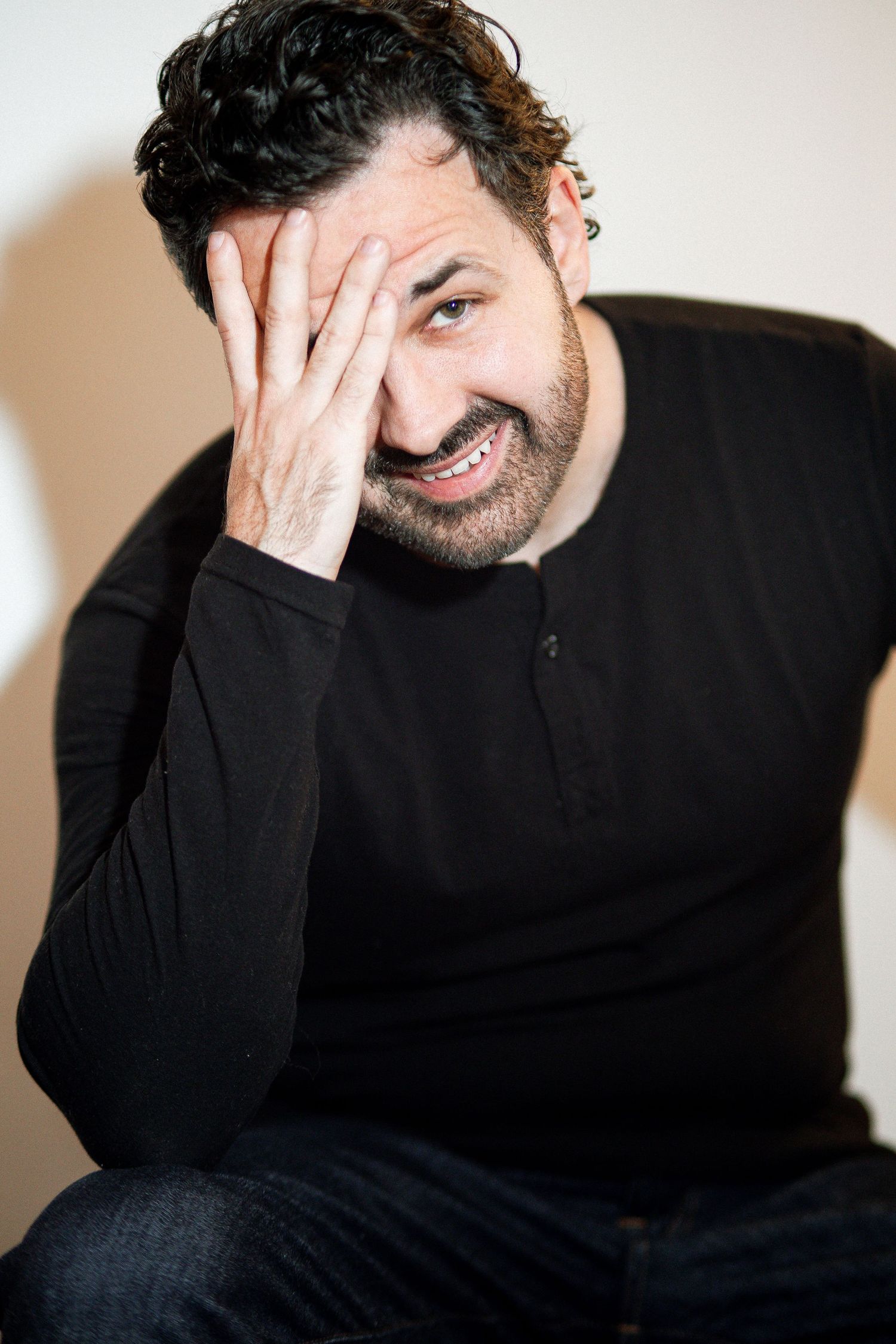
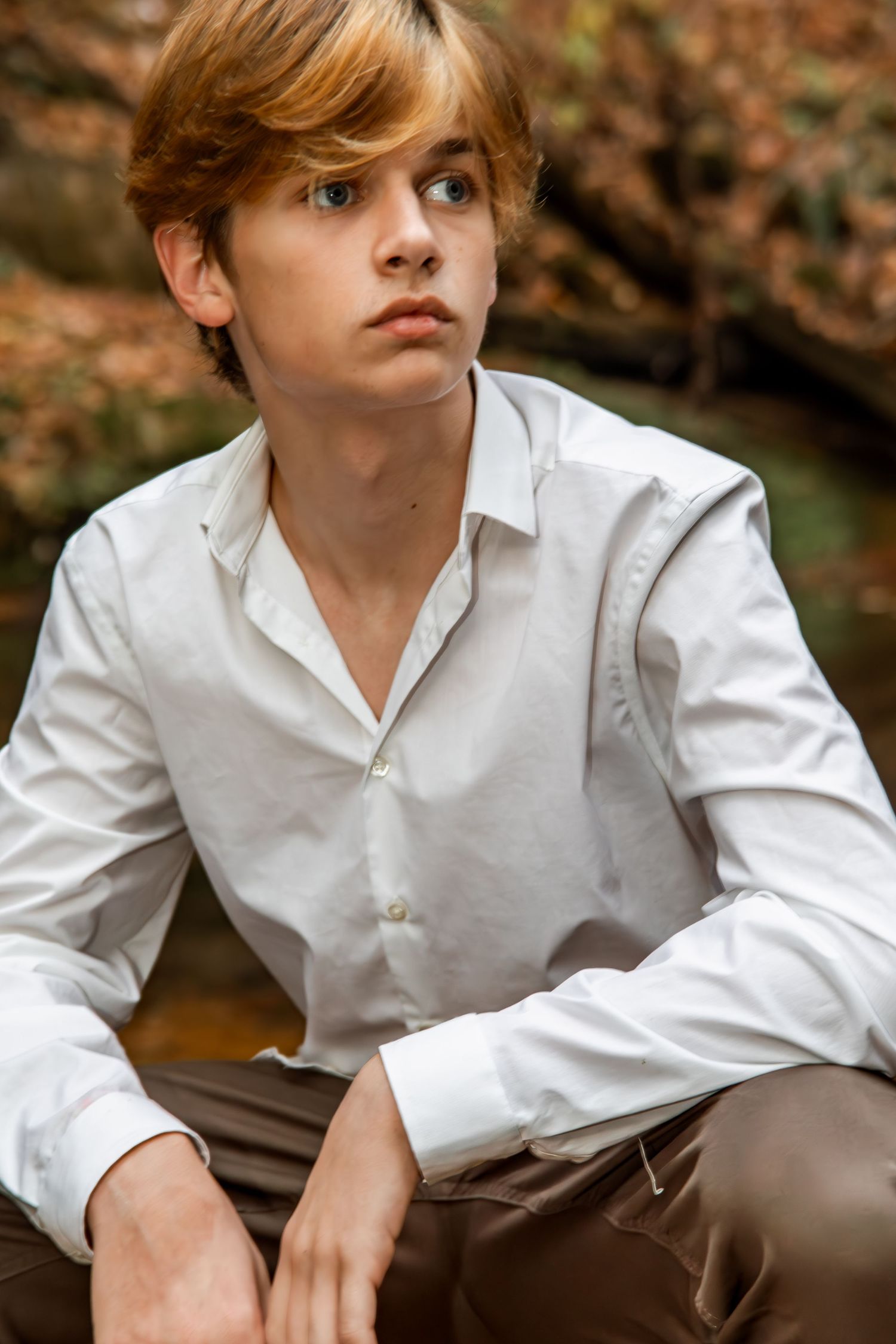
TFP Doesn't Mean Every Photo From the Shoot
This one causes a surprising amount of confusion.
Participating in a TFP session usually does not mean receiving every photograph taken.
A photographer might take hundreds or even thousands of frames during a shoot.
The final images are generally selected and edited according to whatever agreement was made before the session.
That might mean:
5 fully edited images
10–15 edited selections
A photographer-curated gallery
A model-selected gallery
Something completely different
There isn't one universal TFP rule.
What matters is that expectations are established before the shoot happens.
Talk About Usage Before You Shoot
This is the boring part that saves everyone headaches later.
Before participating in a TFP shoot, everyone should understand how the photographs can be used.
Can the photographer use them on their website?
Can the model post them on Instagram?
Can they be submitted to publications?
Can a business use them in an advertisement?
Can a designer use them to sell a product?
Personal portfolio use and commercial advertising are not necessarily the same thing.
TFP shouldn't automatically be treated as unlimited permission to use someone's work for absolutely anything forever.
If commercial usage is involved, that's something everyone should discuss beforehand.
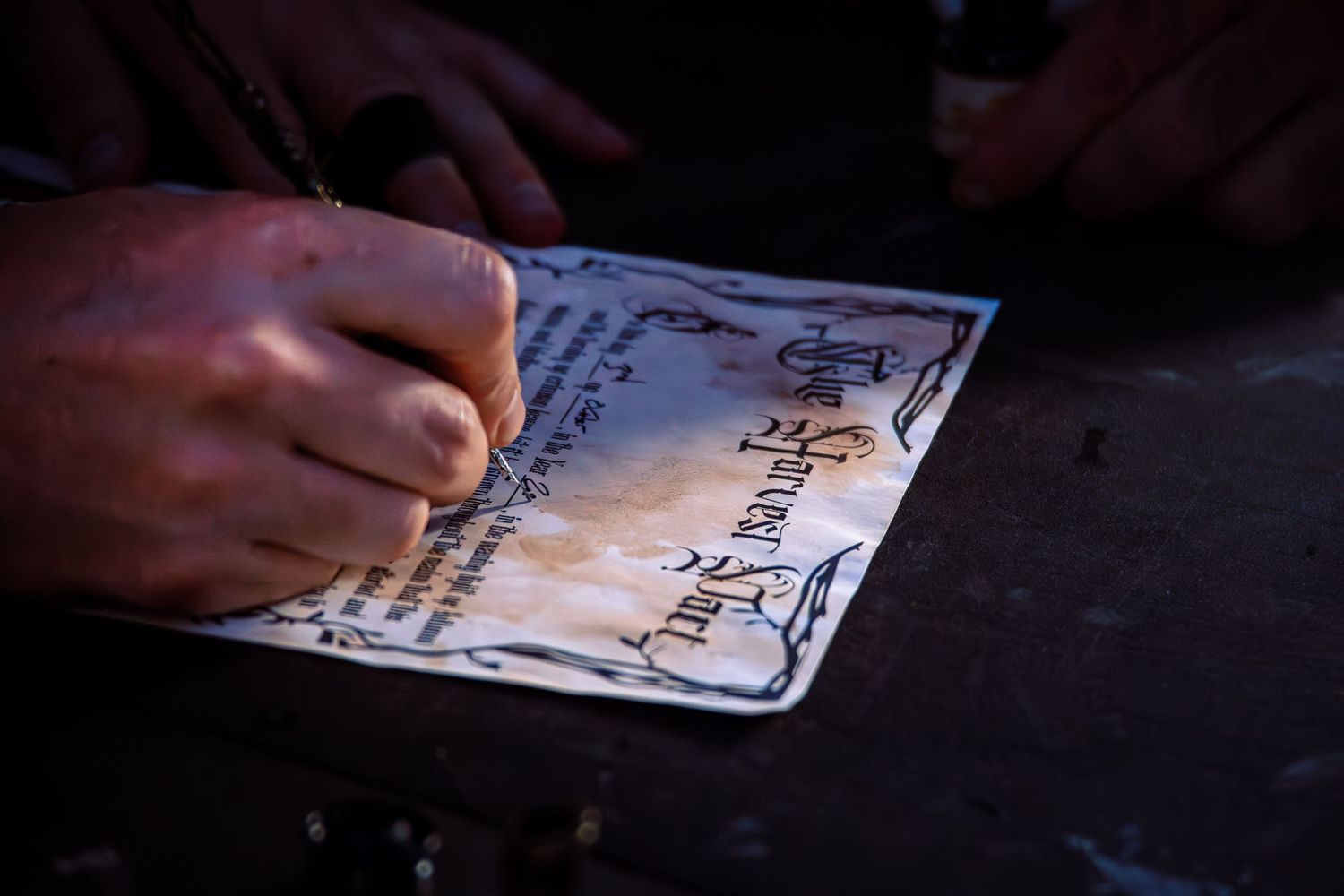
A simple agreement or model release can make expectations much clearer.
Credit Still Matters
If you're collaborating with other creatives, credit them.
Photographer.
Model.
Makeup artist.
Designer.
Cosplayer.
Stylist.
Location or studio when appropriate.
TFP thrives on collaboration, and tagging the people who helped create the work allows everyone involved to benefit from the exposure and networking that comes from the finished images.
Posting a beautiful photograph while pretending it appeared out of thin air isn't exactly embracing the collaborative spirit.
When I Personally Consider TFP
As a working photographer, my TFP availability is naturally limited.
Photography isn't just the hour spent behind the camera. There's planning, communication, equipment, travel, culling, editing, exporting, gallery creation, and delivery afterward.
So when I take on a TFP project, I'm usually looking for something that gives me an opportunity to create rather than simply provide a free session.
That might include:
A fantasy concept I've been dying to photograph
An elaborate cosplay or character
Experimental lighting or editing
A unique location
A styled shoot
A concept that fills a gap in my portfolio
A collaboration with another creative whose work inspires me
Something completely weird that makes my photographer brain go, “YES. WE NEED TO DO THAT.”
Sometimes I simply see someone's costume, character, makeup, or concept and immediately want to photograph it.
Those are the collaborations that make TFP fun.
And It's Okay to Say No
Photographers can decline TFP requests.
Models can decline photographers.
Makeup artists can decline concepts.
Designers can decide something isn't worth lending their work for.
Nobody owes another creative their labor simply because money isn't changing hands.
Sometimes the concept isn't right.
Sometimes schedules don't align.
Sometimes someone's portfolio already has plenty of that type of work.
Sometimes the creative simply doesn't have time.
A declined TFP request isn't necessarily a judgment on anyone's talent or appearance.
It may simply mean the trade doesn't make sense for that person right now.
The Best TFP Shoots Feel Like Collaboration
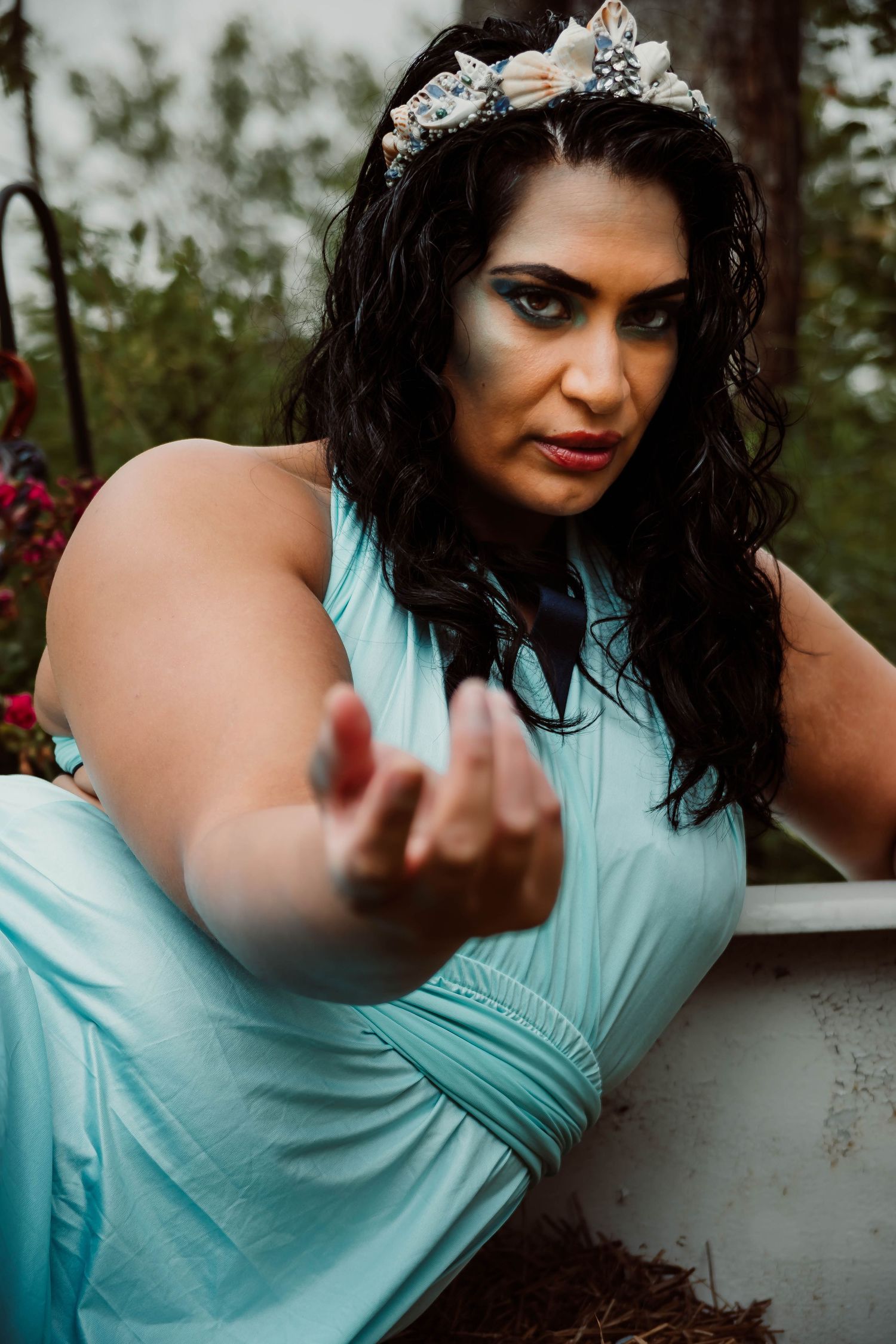
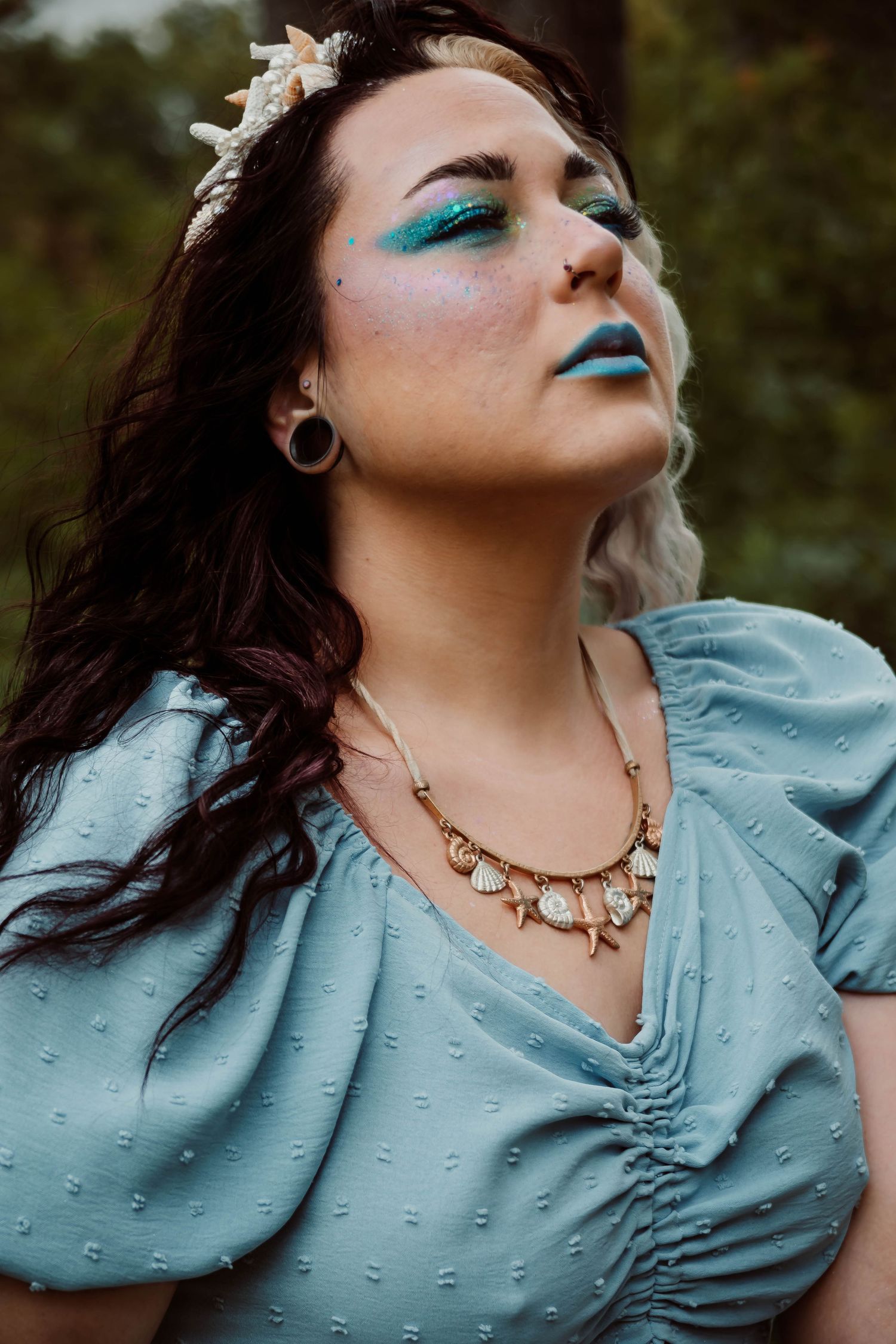
Some of my favorite images come from sessions where everyone involved was genuinely excited about what we were creating.
Someone brings an idea.
Someone else makes it better.
Wardrobe changes.
The light does something unexpected.
Someone says, “Wait… what if we tried THIS?”
And suddenly you've created something none of you originally imagined.
That's what TFP should be.
Not:
"Can you take pictures of me for free?"
Not:
"You'll get exposure."
Not:
"You're already going to be there anyway."
But:
“I have something I can bring to this project. You have something you can bring to this project. Let's make something incredible together.”
That's the trade.
And when everyone understands that from the beginning, TFP can be one of the most rewarding parts of being involved in the creative photography community.
So… Who Pays?
There’s an old model-industry guideline that I actually think explains this pretty well:
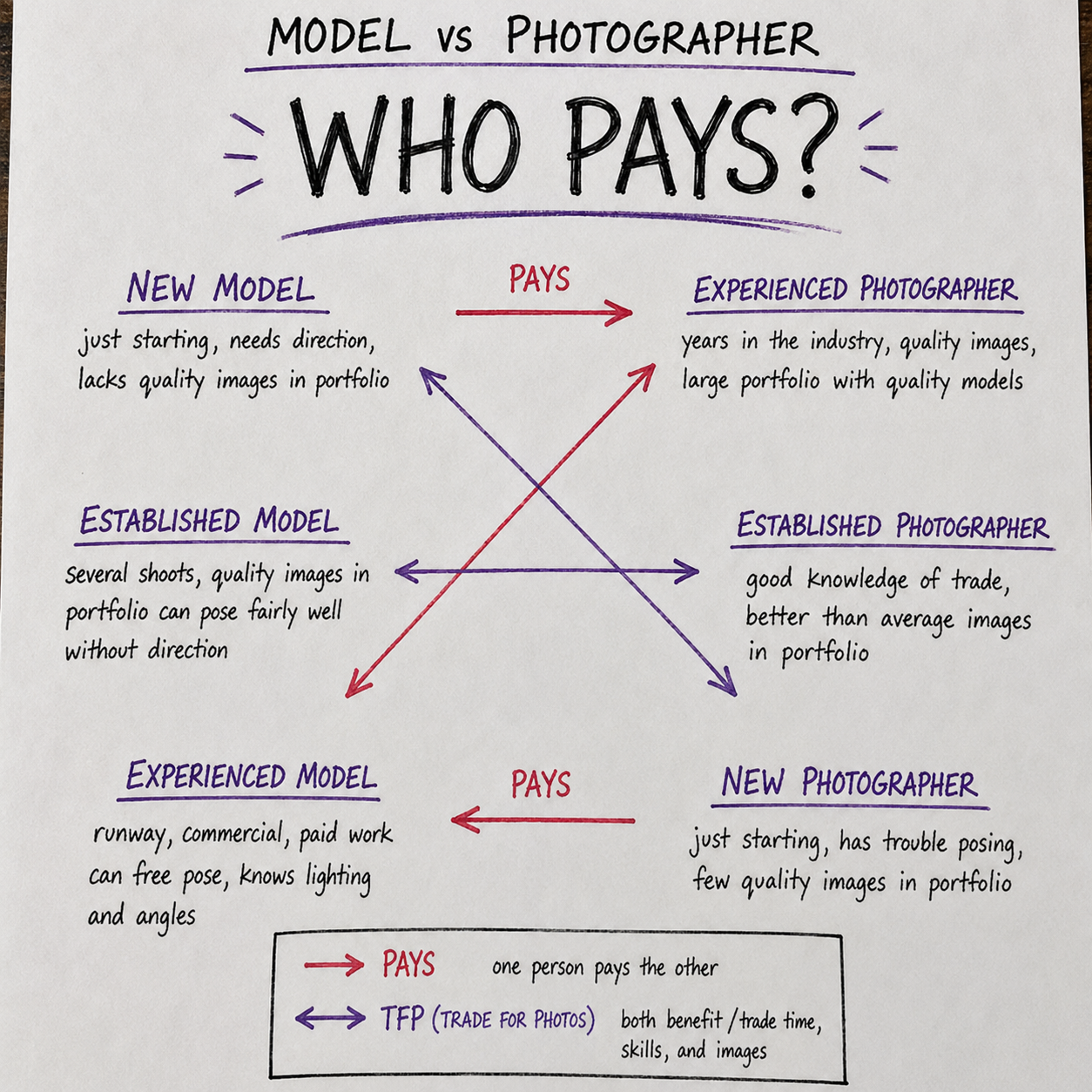
Generally, the person who needs the other person more is the person who pays.
Think of photography and modeling experience as two sliding scales.
New Model + Experienced Photographer = Model Usually Pays
If you're brand new to modeling and need direction, posing assistance, portfolio images, and experience in front of the camera, working with an established photographer has significant value.
The photographer already has a portfolio.
They don't necessarily need another standard portrait session for it.
You need their experience and images to build yours.
That's normally a paid portrait or portfolio-building session not TFP.
And there's absolutely nothing wrong with that!
Hiring an experienced photographer can actually be one of the fastest ways to begin building a strong modeling portfolio because you're working with someone who already understands posing, lighting, locations, image selection, and creating variety.
Experienced Model + Experienced Photographer = TFP Can Make Perfect Sense
This is where some of the coolest collaborations happen.
Neither person necessarily needs the other to build a basic portfolio.
Instead, both see an opportunity to create something valuable.
Maybe the model has an incredible costume.
Maybe I have a fantasy concept I've been dying to create.
Maybe we've found a ridiculous location and collectively decided:
“Okay. We HAVE to shoot there.”
Nobody is necessarily hiring anyone.
We're collaborating because we both want the resulting work.
That's TFP.
Experienced Model + New Photographer = Photographer May Pay
Flip the situation around.
An experienced model who knows how to pose, move, emote, style themselves, and work efficiently in front of a camera can be incredibly valuable to a photographer who is still learning.
If a photographer specifically needs an experienced model to create portfolio work, the photographer may hire the model.
Models are professionals too.
Their time and skills have value.
New Model + New Photographer = TFP Can Also Make Sense
Two people building their portfolios can absolutely help each other.
The photographer gets experience photographing and directing a person.
The model gets experience posing and working with a photographer.
Both walk away with portfolio material.
That's another completely reasonable TFP situation.
Here's Where It Gets Complicated
Experience isn't everything.
You can have an established photographer and an established model and still have a situation where one should be paying the other.
Because who requested the shoot matters too.
If I contact an experienced model and say:
“I have this elaborate dark-fantasy concept that I specifically want YOU for.”
I'm asking for their talent.
Depending on the circumstances, I may need to hire them.
Likewise, if someone contacts me saying:
“I want this exact concept, this location, these outfits, on this date, and I want photos that look like your portfolio…”
They're not really pitching me a collaborative project anymore.
They're describing a client session.
The GamerGurl Version of TFP
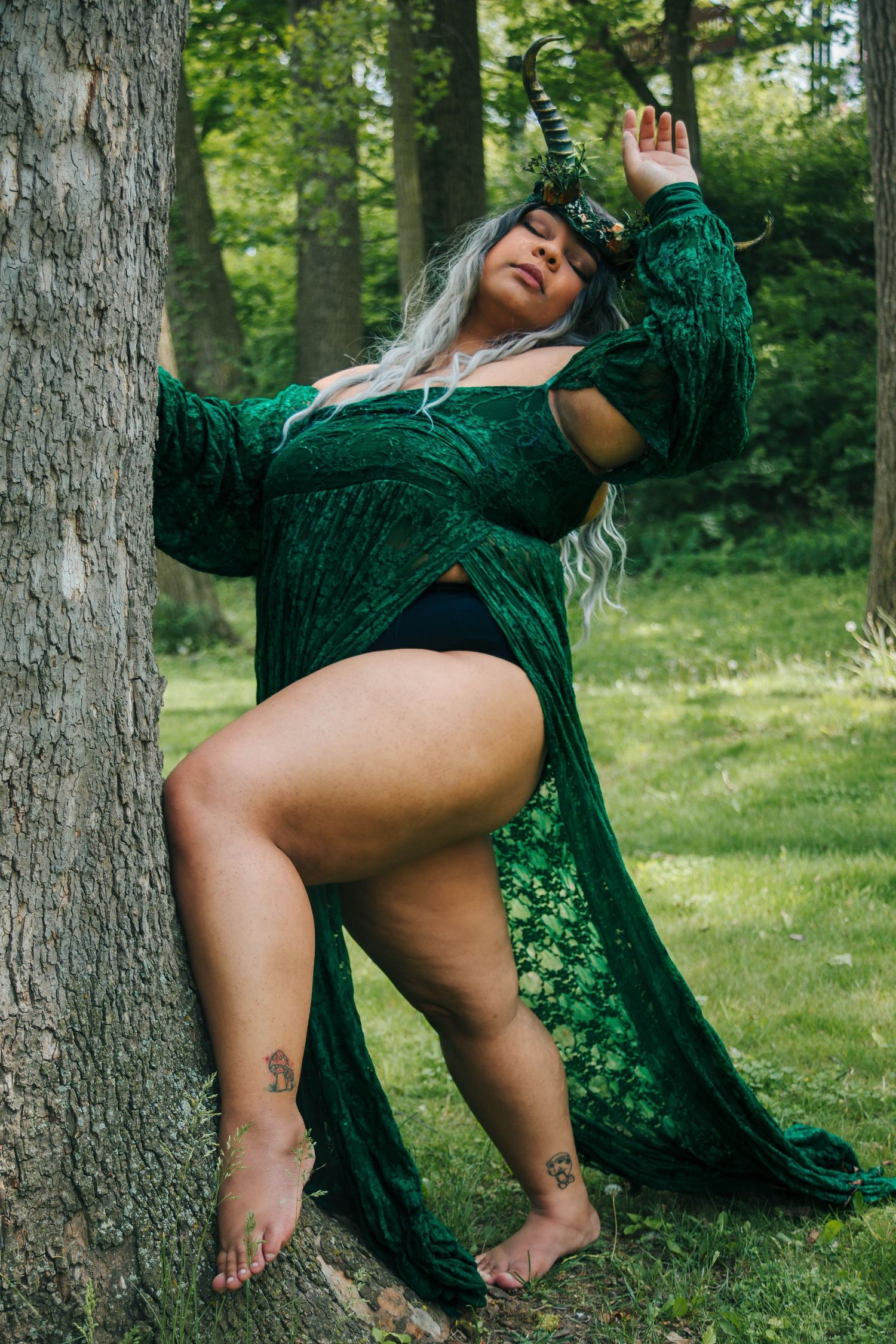
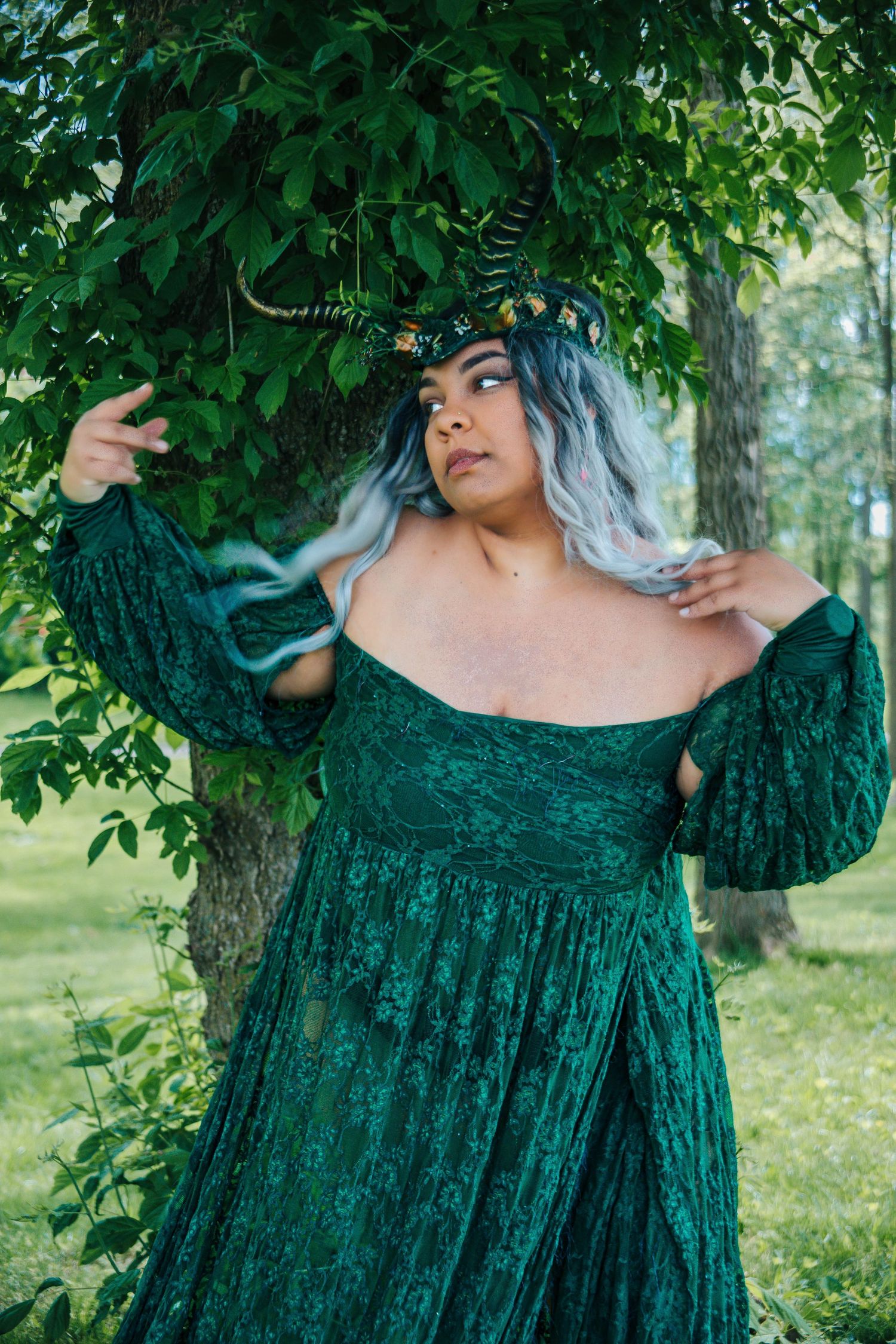
Because GamerGurl Photography lives heavily in the fantasy, cosplay, LARP, and creative portrait world, my TFP decisions sometimes look a little different than traditional modeling photography.
I may already have plenty of beautiful standard portraits in my portfolio.
So another person simply wanting nice pictures usually isn't something I need to trade my working hours for.
But show me…
An absolutely insane cosplay?
Handmade fantasy armor?
A beautifully developed LARP character?
An elaborate creature design?
A weird abandoned-looking location?
A dramatic fantasy gown?
A concept involving swords, smoke, dramatic lighting, fake blood, monsters, magic, or something wonderfully nerdy?
Now you might have my attention.
Because you're bringing something creatively valuable to the table that I may not otherwise have access to.
Sometimes TFP isn't about experience level at all.
Sometimes it's simply:
“You have something awesome. I have something awesome. Let's combine our awesome.”
That's the kind of TFP I love.
Your Costume Doesn't Automatically Make It TFP, Though
This is especially important in cosplay and LARP photography.
Having a costume doesn't automatically mean a photographer should photograph it for free.
If I already regularly photograph fantasy characters, armor, LARP kits, and cosplay, another costume may not necessarily add something I need for my portfolio.
Likewise, just because a photographer wants to photograph your elaborate cosplay doesn't automatically mean you should spend six hours getting ready, travel three hours, and provide expensive handmade costuming for nothing.
There needs to be value on both sides.
That's why TFP is a conversation not an entitlement.
TFP vs. “I Want Free Photos”
Here's an easy way to tell the difference.
TFP sounds like:
"I built this incredible necromancer costume and found this creepy location. Your dark fantasy work would fit it perfectly. Would you be interested in collaborating on something?"
A client inquiry sounds like:
"Can you do photos of me and my boyfriend? We'd like two outfits, probably somewhere around Hocking Hills. We're free October 17th. TFP only please."
One is offering a creative collaboration.
The other is describing a photography service they want and then asking the photographer to waive the price.
Those aren't the same thing.
Want to Model but Don't Have a Portfolio Yet?
Here's the other thing I want newer models to understand:
You do not have to wait for someone to offer you TFP before you can start modeling.
And you don't have to convince an established photographer that photographing you for free will somehow benefit their portfolio.
You can invest in creating yours.
GamerGurl Photography offers Model Portfolio Building Sessions specifically for people who want professional images to begin or expand their modeling portfolio.
These are especially helpful if you're newer to modeling because we can work on posing, movement, expression, variety, and creating images that actually showcase you rather than simply trying to fit you into a photographer's existing TFP concept. They are so so cheap they might as well be TFP
View GamerGurl Photography Model Portfolio Building Sessions
The Simplest TFP Rule
If you're confused about whether something should be TFP, paid photography, or paid modeling, ask yourself two questions:
1. Who needs whose expertise?
2. Who is requesting the work?
A newer model seeking an experienced photographer to build their portfolio?
The model generally pays the photographer.
A newer photographer seeking an experienced model to help build their portfolio?
The photographer generally pays the model.
An experienced model approaching an experienced photographer because they specifically want that photographer's work?
The model should expect to pay.
An experienced photographer approaching an experienced model because they specifically want that model for their concept?
The photographer should expect to pay.
Two creatives who independently look at each other's work and think:
“We could make something freaking awesome together.”
Now we're talking about TFP.
And sometimes that conversation changes! Someone can approach another creative fully expecting to hire them, only for the other person to love the concept enough to suggest a trade instead.
That's completely fine.
The problem isn't creatives choosing to work together without exchanging money.
The problem is expecting someone else's professional labor for free and calling it a collaboration.
TFP should be mutually beneficial, mutually agreed upon, and something both people actually want to create.
Because at the end of the day:
TFP isn't about figuring out how to avoid paying someone.
It's about recognizing that both people are bringing something valuable to the table and deciding together that what they're trading is worth it.
And sometimes that trade ends with us standing in the woods wearing armor, covered in fake blood, wondering why we thought carrying a smoke machine half a mile from the parking lot was a good idea.
Which, admittedly, is very GamerGurl Photography.
Experienced Model + Experienced Photographer = It Depends Who Is Asking
This is where the traditional TFP chart gets a little too simple.
An experienced model and an experienced photographer can absolutely collaborate TFP, especially when both people are excited about a concept and both want the resulting images.
But being equally experienced doesn't automatically make a shoot TFP.
At this level, one of the biggest questions becomes:
Who approached whom and why?
If an experienced model comes to me because they specifically want my photography, editing style, direction, or the GamerGurl Photography look, they're requesting my professional service.
In most cases, the model should expect to pay the photographer.
On the other hand, if I approach an experienced model because I specifically want their look, posing ability, character, costume, specialty skill, or modeling experience for something I want to create, I'm asking for their professional contribution.
In that situation, I should be prepared to pay the model.
And then there's the third option:
“Hey, I love your work.”
“Same. Want to make something ridiculous together?”
If we're both equally excited about the idea and both want the images for our portfolios, social media, experimentation, or simply because the concept sounds awesome?
That's where TFP makes sense.
The important distinction is that TFP is mutually agreed collaboration not the default simply because both people are experienced.
A Better Question Than “Who Has More Experience?”
Experience still matters, particularly when someone is building a portfolio.
But once you're dealing with established or experienced creatives, I think there's an even better question:
Who is coming to whom for the work?
If you're approaching someone because you want something they professionally provide, you should generally expect to compensate them.
Model → Photographer:
"I love your work and want you to photograph this concept for me."
→ The model should generally expect to hire the photographer.
Photographer → Model:
"I love your look and specifically want you for this concept I'm creating."
→ The photographer should generally expect to hire the model.
Model + Photographer → Shared Idea:
"We both want to create this and both see value in the finished work."
→ TFP may make perfect sense.
There will always be exceptions. Creatives can waive their fees whenever they want.
But you shouldn't expect someone to waive their fee simply because you're also an experienced creative.
The Requester Usually Pays
This might actually be the simplest guideline in the entire conversation.
If you're requesting someone's professional work, go into the conversation prepared to pay for it.
They may decide they're interested enough to offer a trade.
They may already have wanted to work with you.
They may absolutely love your concept and say, “You know what? Let's TFP this.”
Awesome!
But that's their choice to offer, not something the requester should assume.
There's a huge difference between:
“I would love to hire you for this. What are your rates?”
and
“I want you to do this for me, but I'm calling it TFP so neither of us gets paid.”
TFP requires two enthusiastic yeses.
What About TFP & Creative Photography Events?
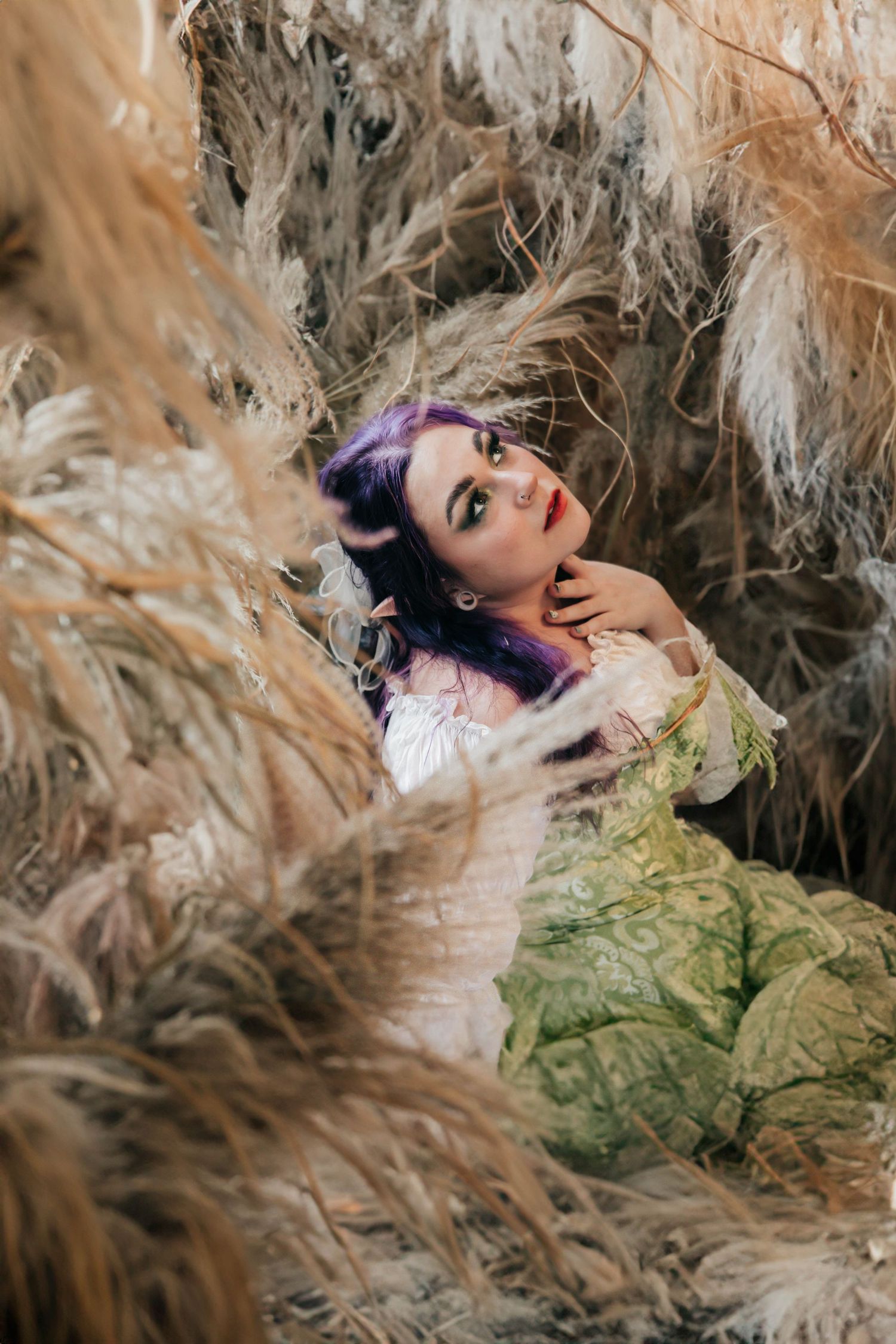
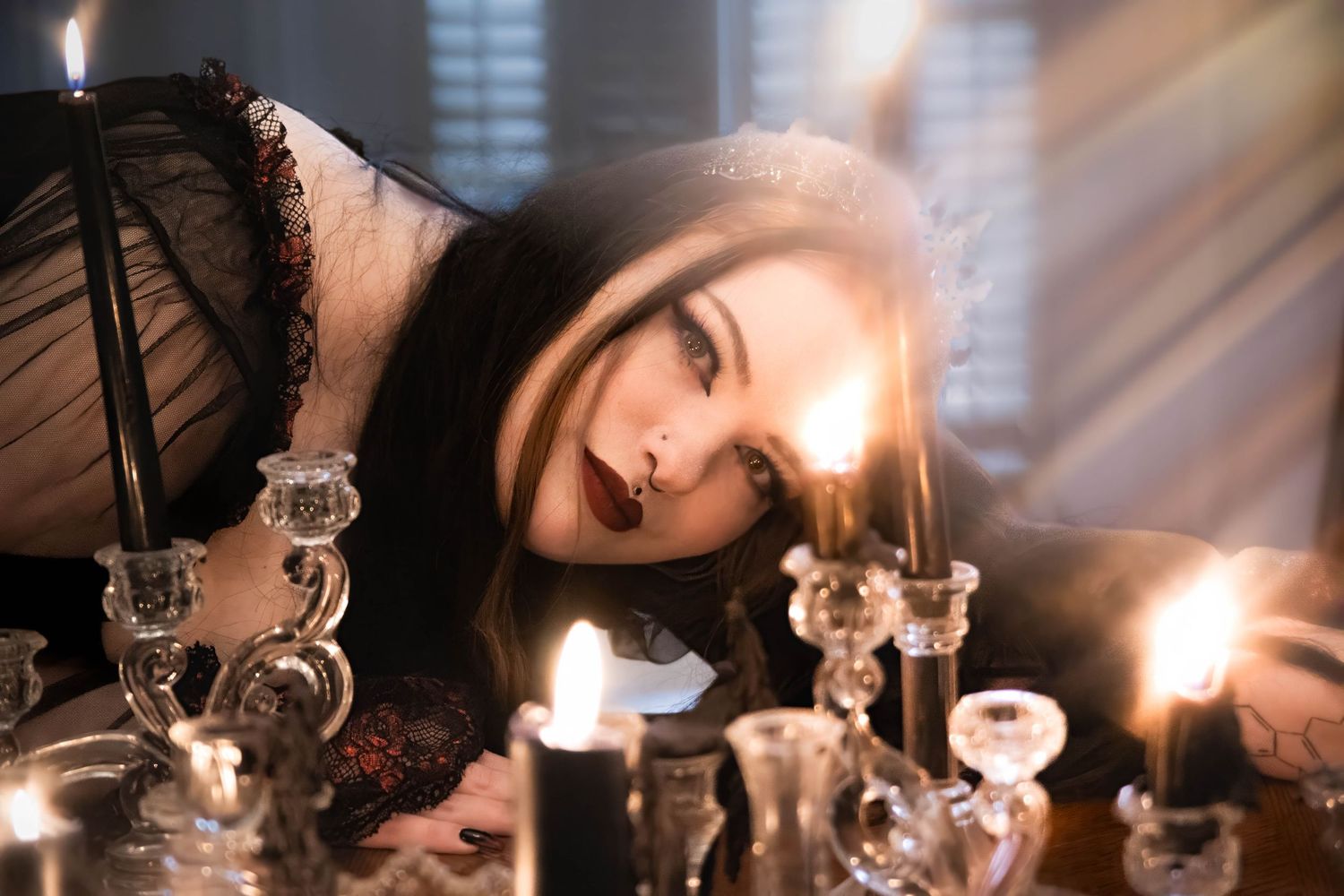
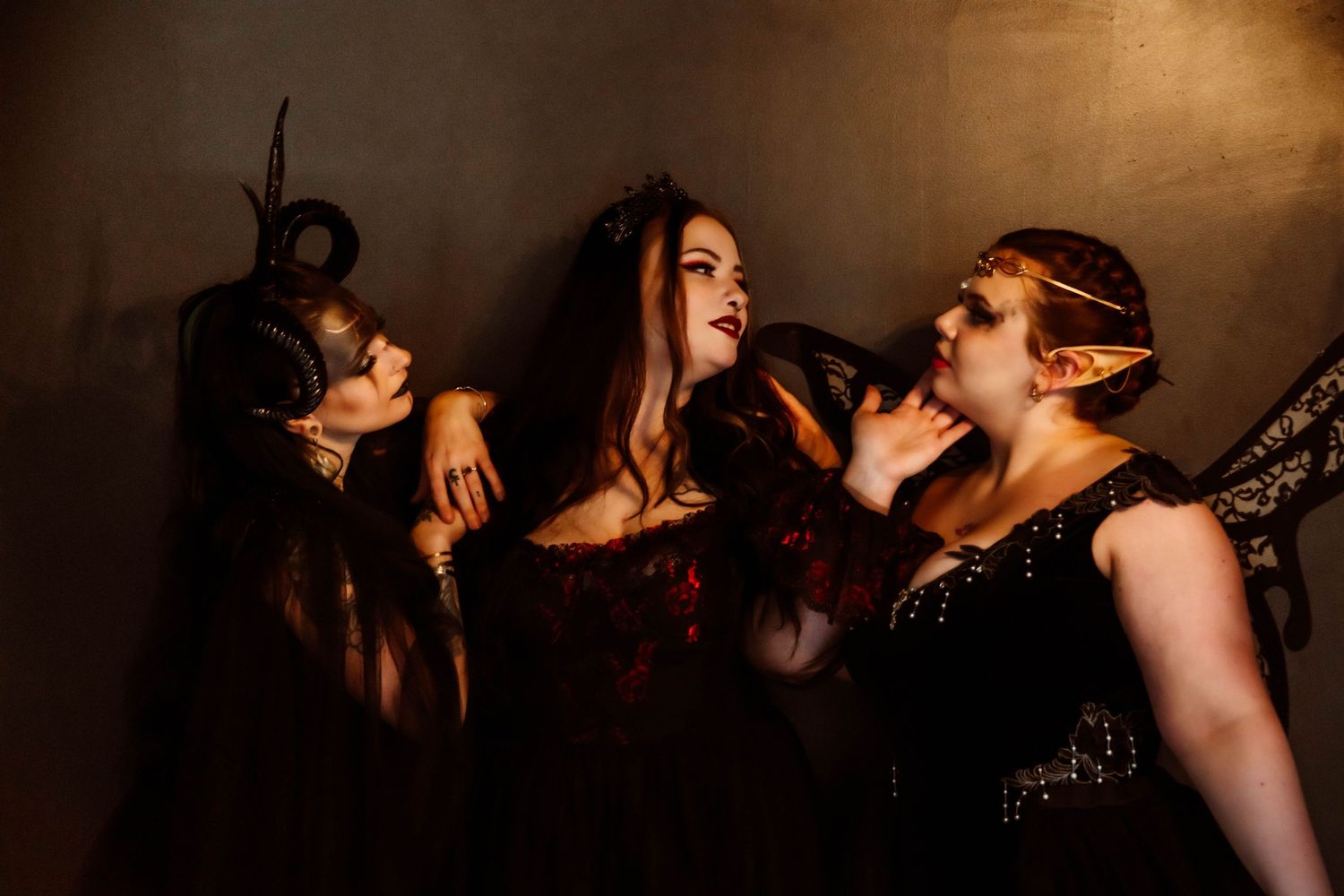
There is another type of collaboration you'll commonly see in the model and photographer world: organized creative events, styled shoots, or content days.
These work a little differently from traditional TFP.
A model, photographer, studio, or event organizer comes up with a concept and handles the work—and expense—of creating the environment everyone will use.
That might include:
Renting a studio, venue, farm, mansion, or other unique location
Purchasing or building props and sets
Renting furniture or specialty equipment
Hiring makeup artists, designers, or other creatives
Creating backdrops and styled shooting areas
Coordinating schedules
Developing the overall theme and aesthetic
Instead of one model and one photographer trading directly with each other, the organizer creates an opportunity for multiple photographers and models to come together and collaborate.
Participants purchase a ticket to attend the event, and typically models and photographers pay the same ticket price.
Why?
Because you're not paying the other person to work for you.
You're paying for access to the creative environment the organizer built.
The models aren't hiring the photographers.
The photographers aren't hiring the models.
Everyone is contributing to the cost of making the event possible, and then attendees collaborate with each other to create.
The Theme Matters
These events also usually have a specific theme or aesthetic.
Maybe it's:
Dark Fantasy.
Cottagecore.
Vampire Masquerade.
High Fashion.
Post-Apocalyptic.
Renaissance.
Halloween Horror.
Or, knowing the kind of things that catch my attention at GamerGurl Photography, probably something involving fantasy armor, dramatic dresses, swords, fog, fake blood, or creatures in the woods.
The organizer has invested time and money into creating that particular experience, so models are generally expected to dress and style themselves according to the event's theme.
If you're attending a Victorian Gothic styled event, showing up in a neon swimsuit because that's what you want photographed probably isn't respecting the collaboration everyone bought into.
The theme is part of the agreement.
You're Buying Access, Not Guaranteed Private Sessions
This is another important distinction.
Buying a ticket to a collaborative photography event generally doesn't mean you've hired every photographer there.
Likewise, a photographer purchasing a ticket hasn't hired every model.
You're purchasing access to the event and the opportunity to network and collaborate with the other attendees.
Models and photographers may arrange shoots ahead of time, create a signup system, or organically connect throughout the event depending on how the organizer structures it.
And unless the event specifically guarantees otherwise, purchasing admission shouldn't automatically mean:
“Every photographer here has to photograph me.”
or
“Every model here has to pose for me.”
People are still allowed to choose their collaborations.
Image Expectations Still Need to Be Clear
Even though everyone purchased a ticket, the actual photography is often still handled similarly to TFP.
Photographer and model should understand:
How will images be delivered? How many might be delivered? Can both parties post them? Is credit required? Is commercial use allowed?
The event organizer should ideally establish some basic rules, but individual photographers may have their own delivery policies as well.
And just like regular TFP:
Buying an event ticket doesn't automatically entitle someone to every RAW or unedited photograph taken of them.
Why These Events Can Be Amazing
When they're organized well, creative events can be one of the best ways to expand your portfolio.
A model might leave with images from several photographers who all have completely different styles.
A photographer gets the opportunity to work with multiple models, outfits, characters, and looks without individually organizing ten separate shoots.
Newer creatives can meet more experienced people.
Experienced creatives can experiment.
Everyone gets to network.
And the organizer gets compensated for the very real time, money, planning, props, location costs, and effort required to make the entire thing happen.
It's collaborative creation but collaboration doesn't mean nobody has expenses.
That's an important distinction whenever we talk about TFP.
Sometimes nobody pays.
Sometimes the model pays the photographer.
Sometimes the photographer pays the model.
And sometimes everyone pays the organizer so we can all show up somewhere awesome and make cool shit together.
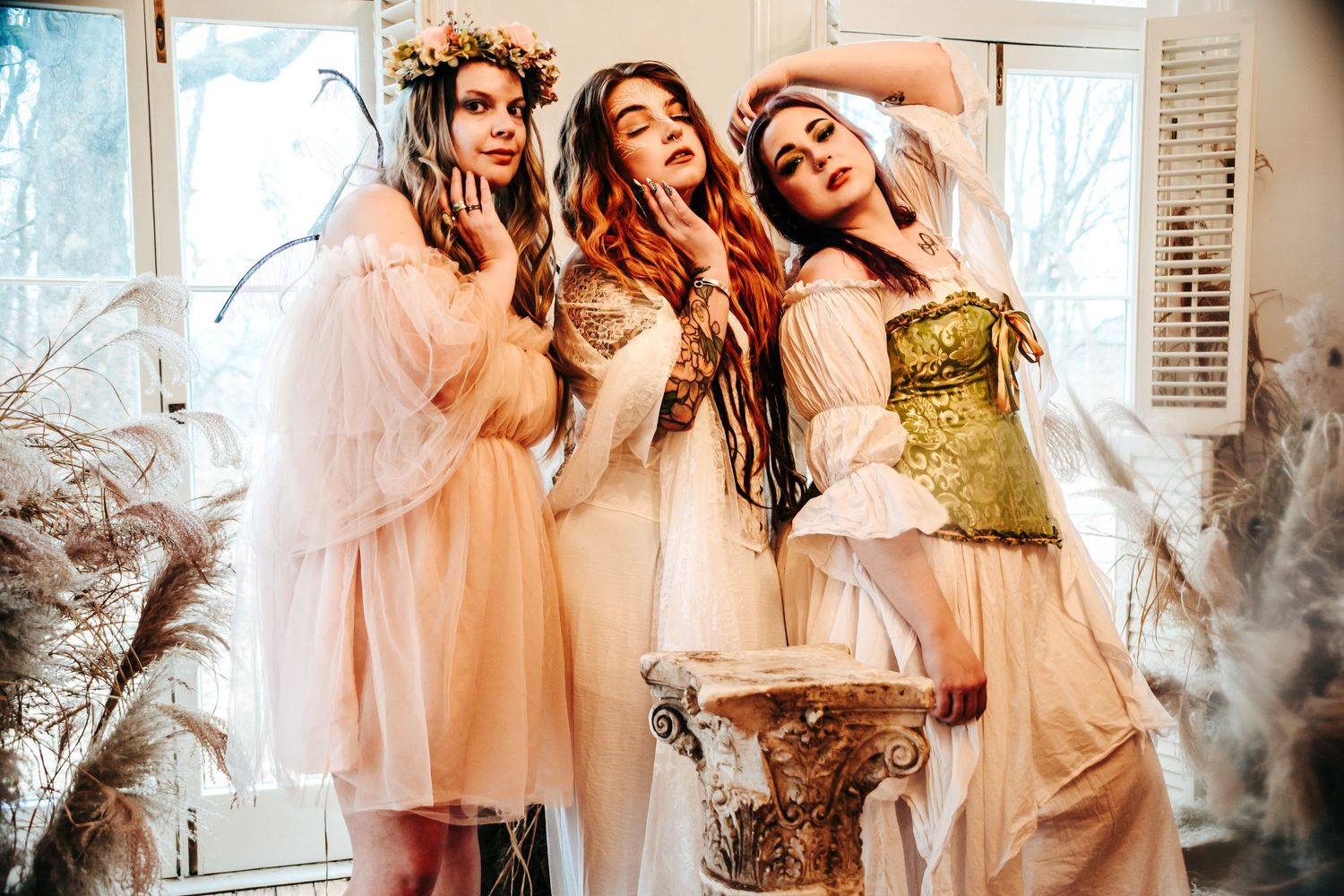
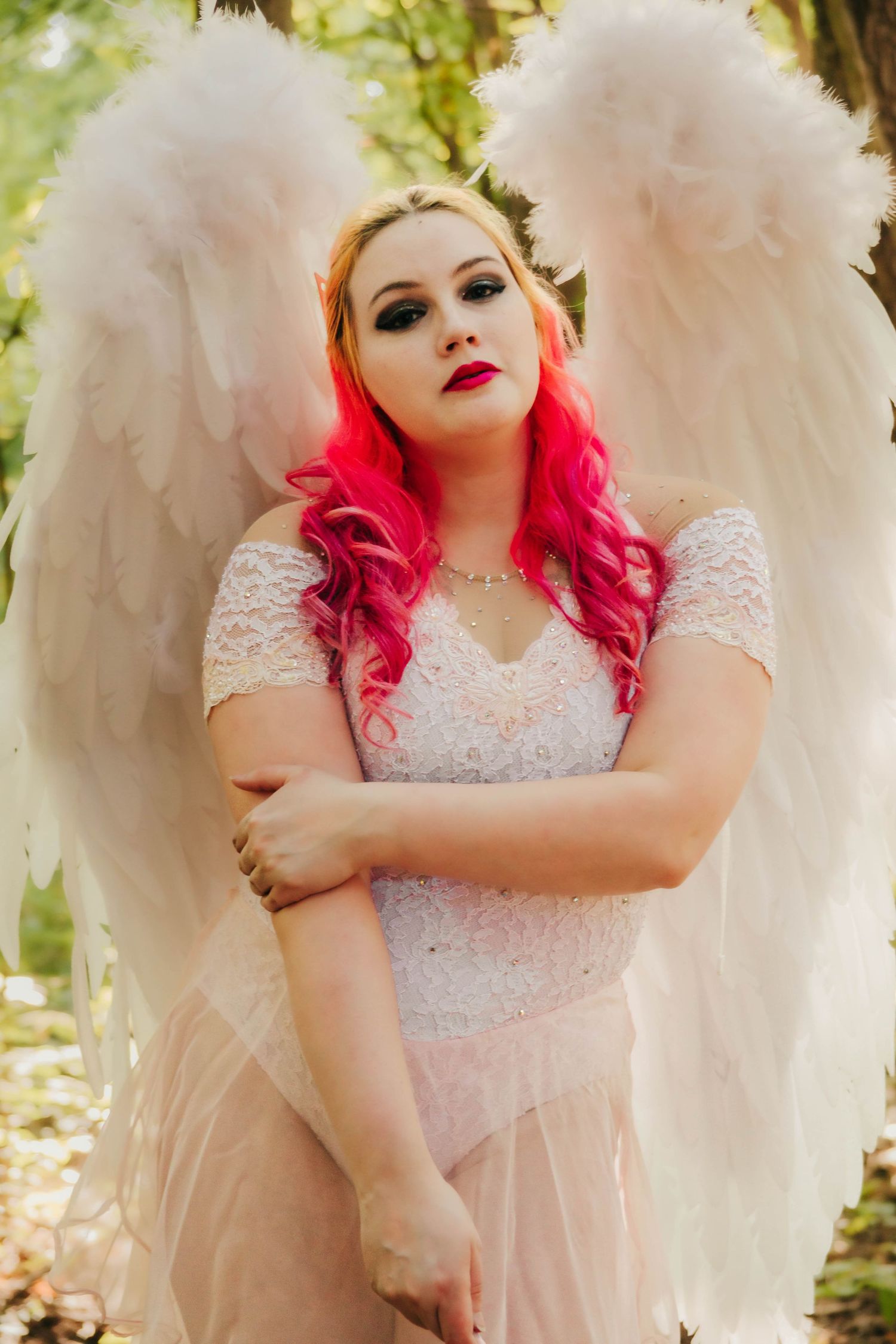
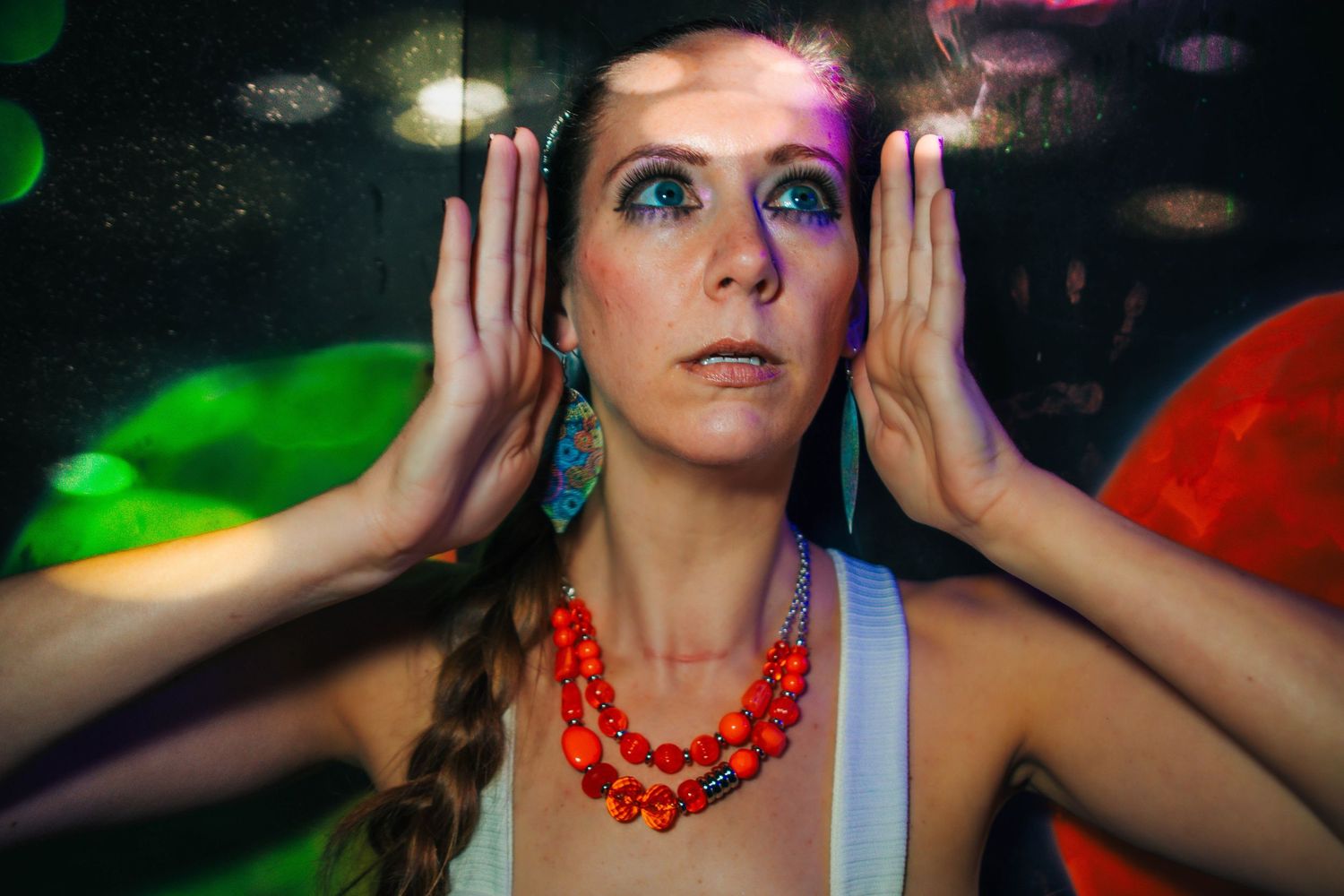
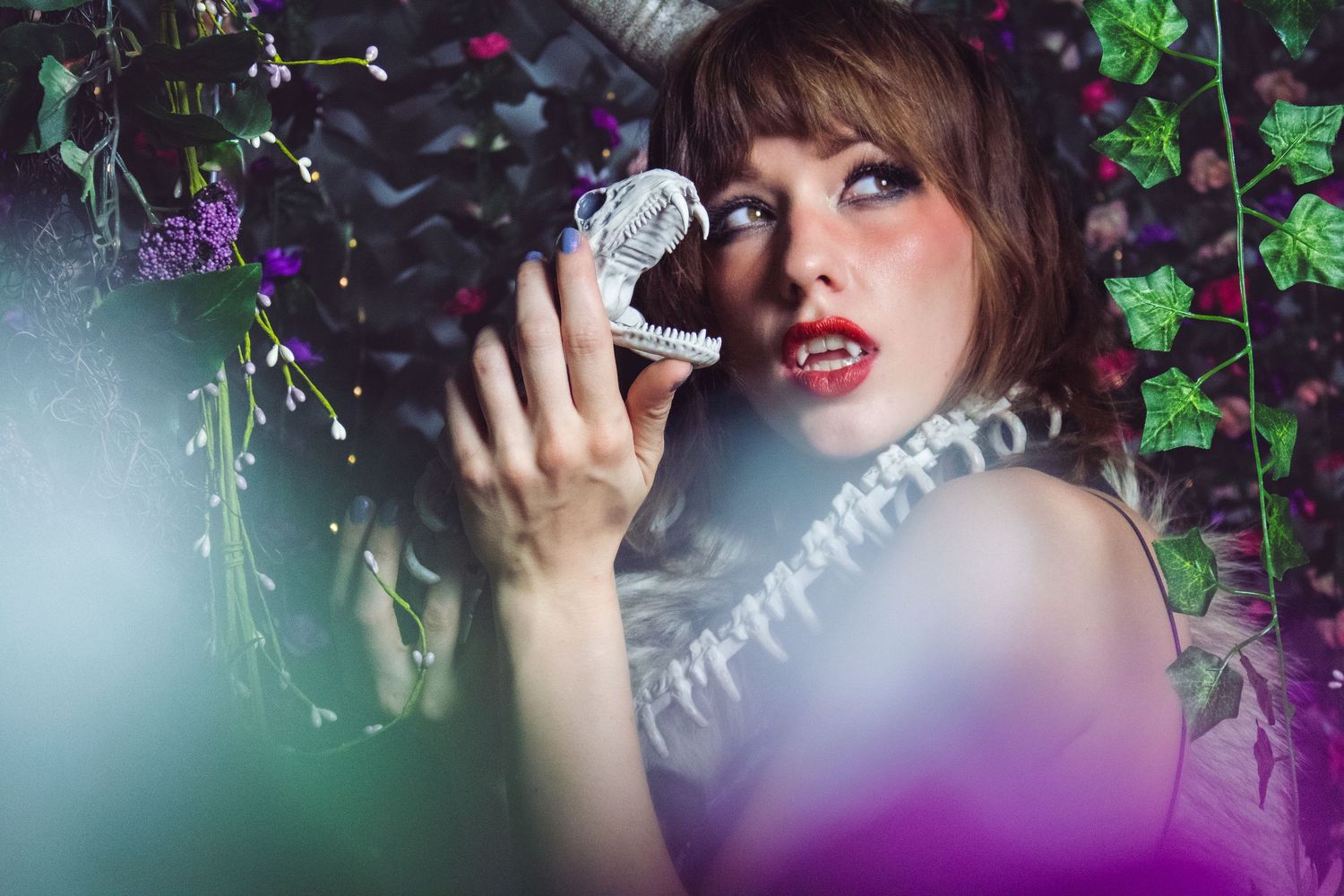
TFP Photography FAQ
What does TFP mean in photography?
TFP usually means Trade for Photos or Time for Prints. Instead of one person hiring the other, a photographer and model exchange their time and skills to create images that benefit both portfolios.
Do models pay photographers for TFP?
Usually, no. In a traditional TFP collaboration, neither the model nor photographer pays the other. However, if the model primarily needs the photographer's services or wants a specific session created for them, that would generally be a paid photography session rather than TFP.
Do photographers ever pay models?
Yes. If a photographer needs a particular model for a commercial project, portfolio concept, workshop, or other shoot, they may hire and pay the model.
Who pays for a TFP photoshoot?
It depends on who needs whose services. A newer model may hire an experienced photographer to build their portfolio. A photographer may hire an experienced model for a specific project. When both parties benefit equally from creating the images, they may agree to TFP.
Do you have to pay for TFP photography events?
Sometimes. Organized collaborative events may charge both photographers and models admission to cover locations, props, sets, equipment, and other production expenses. Paying admission gives participants access to the creative event—it does not necessarily mean a model has hired every photographer or a photographer has hired every model.
How can a new model build a portfolio?
You can participate in appropriate TFP collaborations or hire a photographer for a dedicated model portfolio session. A paid portfolio-building session gives you more control over the style, location, wardrobe, and types of images being created.
For people around Columbus who want to intentionally build their portfolio, I also offer GamerGurl Photography Model Portfolio Building Sessions.