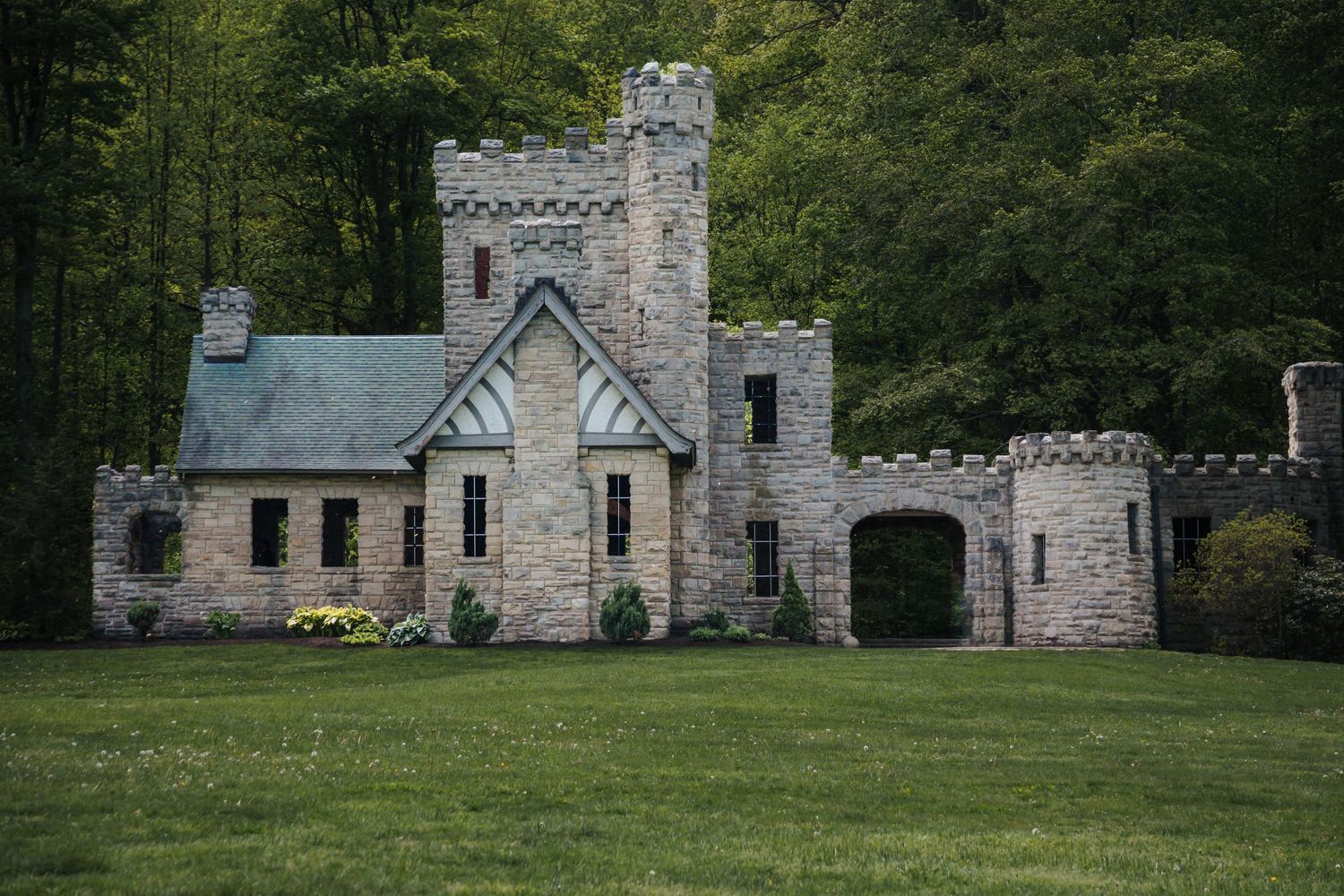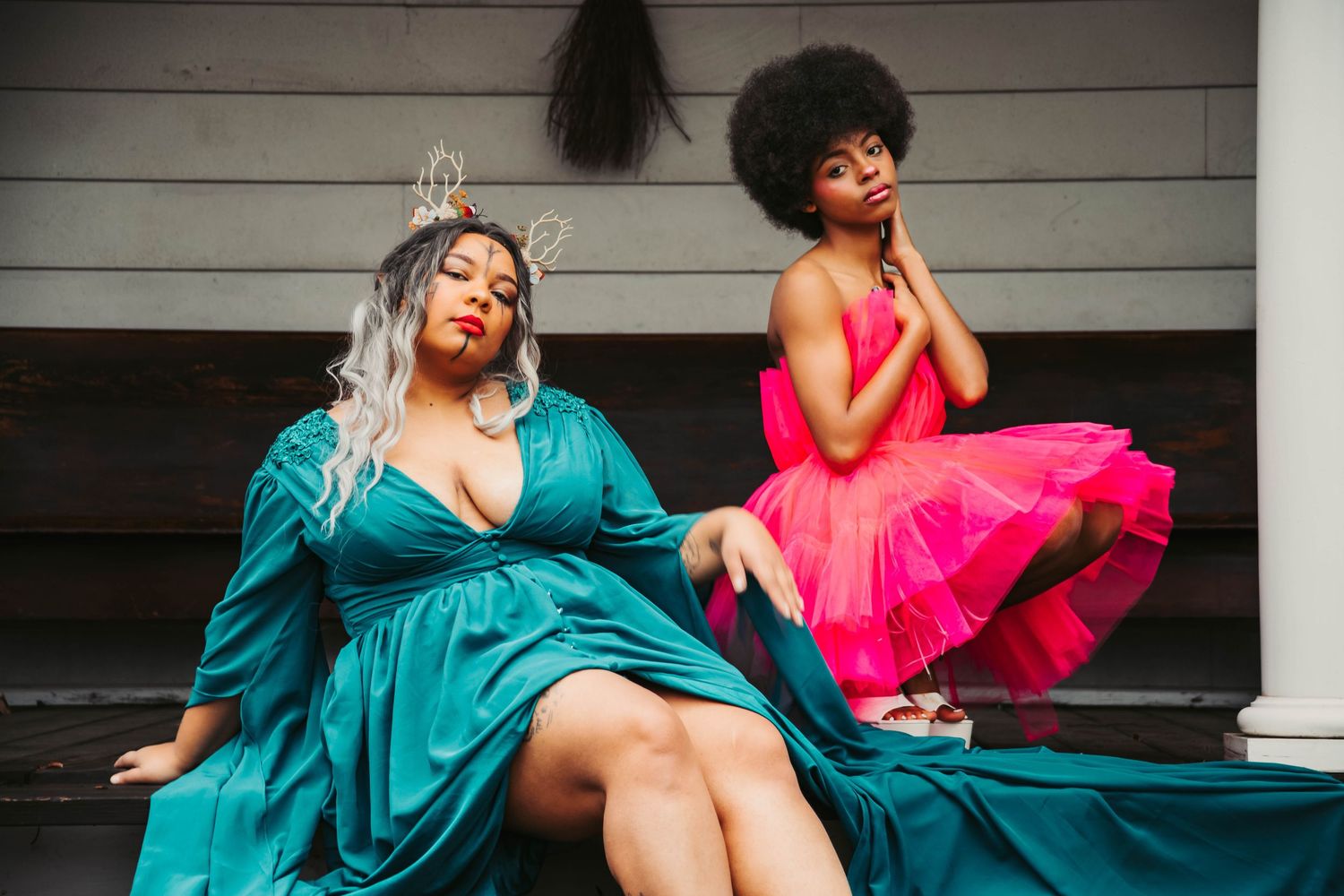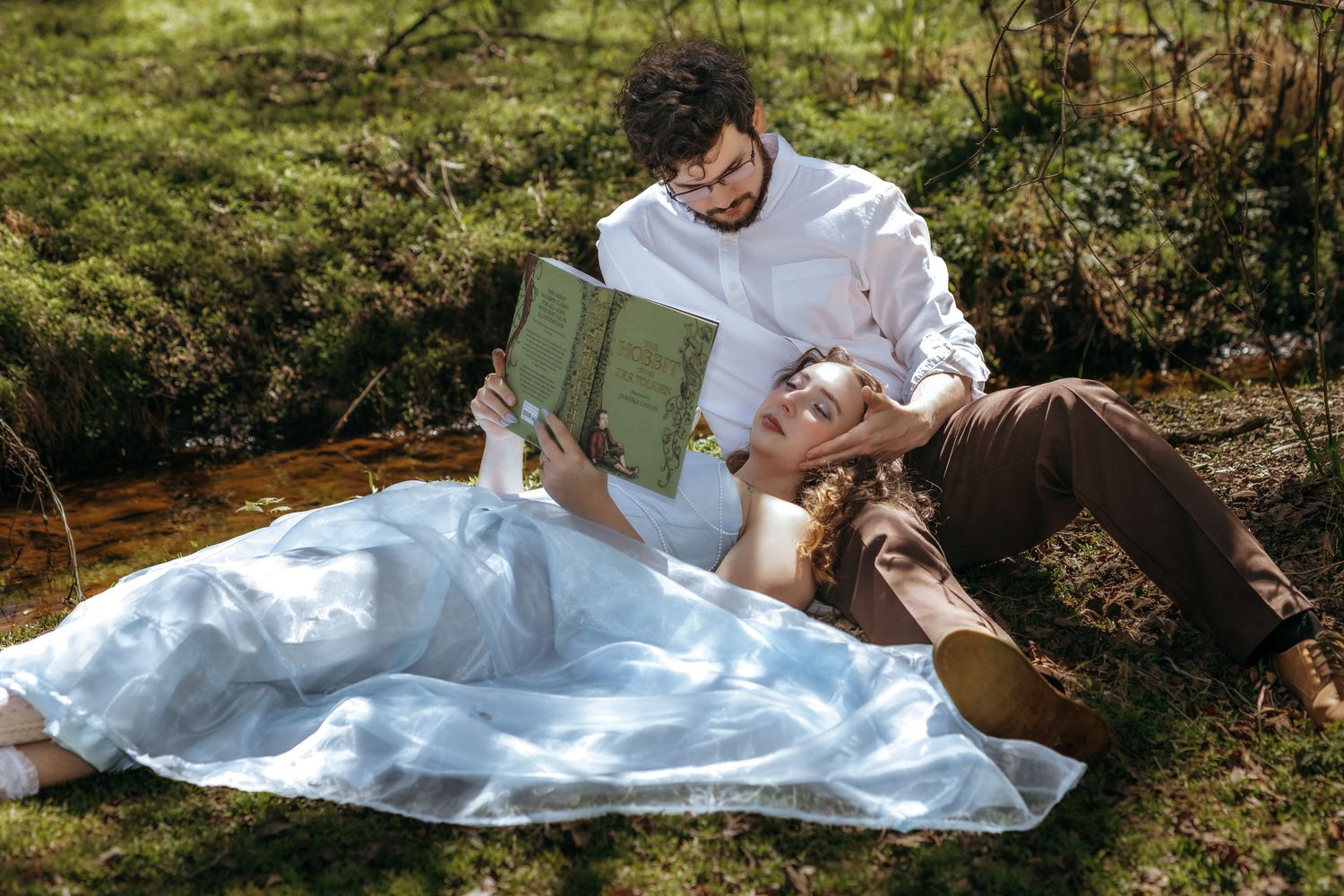

There's something undeniably beautiful about an old cemetery.
Maybe it's the towering trees that have watched generations come and go. The winding pathways, the elaborate stone mausoleums, or the quiet ponds reflecting centuries-old monuments. Maybe it's the way the afternoon sunlight filters through the branches and catches the weathered details of an angel carved into stone.
As someone who loves gothic, fantasy, and moody photography, I find cemeteries absolutely breathtaking.
And I don't think there's anything wrong with that.
In fact, I think there's something wonderful about appreciating the beauty of a place built to remember those who came before us.
But there's a difference between appreciating a cemetery and treating it like an abandoned movie set.
Cemeteries are beautiful places to create art, but they are also someone's final resting place. And that deserves respect.


Cemeteries Were Often Designed to Be Beautiful
Something I think people sometimes forget is that many historic cemeteries were intentionally designed to be enjoyed.
Especially during the 19th century, garden cemeteries became places where people could walk, reflect, appreciate nature, and spend time remembering loved ones.
These weren't simply rows of headstones.
They were carefully landscaped spaces filled with beautiful architecture, winding trails, gardens, ponds, sculptures, and enormous trees.
Some even served as public green spaces before modern city parks became common.
And honestly? You can still feel that intention when you visit them today.
There's a peacefulness to walking beneath an old oak tree, watching ducks drift across a pond, or admiring the craftsmanship of a mausoleum that's stood for more than a hundred years.
These places hold incredible artistry.
The stonework, stained glass, iron gates, statues, and architecture often represent generations of skilled craftspeople whose work deserves to be appreciated.
Photographing these details can be a way of preserving and celebrating that history.
Beauty and remembrance don't have to exist separately.
A Cemetery Is Not Just a Gothic Backdrop
I love a good gothic photoshoot.
Give me flowing black fabric, dramatic lighting, a gorgeous stone archway, and a little Victorian inspiration, and I'm probably already planning the shot.
But there's a very important distinction between creating gothic imagery in a cemetery and using someone's grave as a prop.
When I'm photographing in these spaces, I try to focus on the environment itself.
The towering mausoleums.
The pathways lined with ancient trees.
The architecture, the gardens, the ponds, and the natural beauty that makes these places so special.
A beautiful cemetery can provide an incredible atmosphere without ever needing to disturb a single grave.
And frankly, I think the photographs are better for it.
You don't need to climb onto a headstone, lean against a monument, or drape yourself across someone's resting place to create something hauntingly beautiful.
The atmosphere is already there.
You just have to know how to see it.


Respecting the People Who Rest There
This is probably the most important part of photographing in a cemetery.
Every grave represents a person.
Someone who was loved. Someone who had a story, a family, friends, dreams, and an entire life outside of the dates carved into their stone.
And while we might see an incredibly beautiful monument, someone else might see the place where they buried their mother, spouse, child, or best friend.
That perspective matters.
When photographing in a cemetery, there are a few things I believe everyone should keep in mind:
Never stand, sit, or pose on headstones. These are memorials, not furniture. Many are also extremely old and fragile.
Don't move flowers, decorations, or personal belongings. Even if something doesn't fit your photograph aesthetically, it was placed there for a reason.
Stay mindful of where you're walking. Avoid stepping directly over graves whenever possible, and be especially careful around older markers, fragile stonework, and burial areas without visible headstones.
Give mourners their privacy. If someone is visiting a loved one, give them space. If a funeral or burial service is happening, photography should stop or move well away from the area.
Never damage or alter the environment. That includes climbing trees, disturbing landscaping, moving stones, or attaching props to monuments.
Be thoughtful about visible names. A historic monument might be part of the architecture you're photographing, but someone's recently placed headstone shouldn't automatically become the centerpiece of your photoshoot.
And perhaps most importantly:
Remember that you're a guest.
Even in a public cemetery, we're visiting a space that holds deep personal meaning for other people.


Permission Matters, Too
One thing I always encourage photographers and clients to remember is that being open to the public doesn't necessarily mean a cemetery allows professional photography sessions.
Some cemeteries welcome photographers.
Others have restrictions on commercial photography, costumes, props, equipment, or where sessions can take place.
Some require advance permission or photography permits.
And some simply don't allow portrait sessions at all.
Before planning a shoot, check the cemetery's photography policies and contact the office if anything is unclear.
This is especially important for cosplay, fantasy, engagement, wedding, or styled portrait sessions.
A person quietly photographing architecture during a walk is very different from a photographer arriving with lighting equipment, multiple models, and elaborate costumes.
Being respectful means following the rules of the space, even when they aren't particularly convenient.


The Beauty Beyond the Headstones
One of my favorite things about photographing in cemeteries is that the graves themselves don't have to be the focus.
Some of the most beautiful cemetery photographs I've seen feature the landscape.
A quiet pond reflecting the changing leaves.
A winding path disappearing beneath a canopy of trees.
An old stone staircase surrounded by ivy.
The ornate doorway of a historic mausoleum.
Sunlight breaking through the branches and illuminating a patch of wildflowers.
These spaces can feel like something straight out of a fantasy novel.
And depending on the season, the atmosphere can change completely.
Spring brings flowering trees and soft greens.
Summer creates these incredible pockets of deep shade and warm sunlight.
Autumn turns the pathways into a sea of gold, orange, and red.
Winter exposes the intricate architecture that might otherwise be hidden behind foliage.
There's so much beauty to appreciate without ever making a grave the subject of a portrait.
For fantasy photography, especially, I love using the natural environment and historic architecture to create that feeling of stepping into another world.
You can capture the magic of a place without forgetting what that place means.


What About Gothic, Fantasy, and Cosplay Photography?
I know some people have strong feelings about gothic or fantasy photography in cemeteries.
And I understand why.
When you hear about a cemetery photoshoot, you might immediately picture someone posing dramatically across a grave or treating the entire place like a Halloween attraction.
Unfortunately, those things do happen.
But I don't believe gothic photography is inherently disrespectful.
Gothic art has always explored themes of mortality, memory, beauty, love, and loss.
Historic cemetery architecture often reflects those very same themes.
There's a reason elaborate angels, weeping figures, intricate stone carvings, and symbolic imagery appear throughout these spaces.
A thoughtfully planned gothic portrait can complement that atmosphere beautifully.
The difference comes down to how you approach it.
Are you celebrating the architecture and environment?
Are you creating something artistic while respecting the people buried there?
Are you being mindful of visitors, families, and the groundskeepers who care for the space?
Or are you treating someone's memorial like a convenient piece of set decoration?
Those are two very different things.
I absolutely believe there's room for dark, romantic, fantasy-inspired photography in cemeteries that permit it.
But the respect has to come first.


Appreciating the Work That Goes Into These Places
Something else worth talking about is the amount of care that goes into maintaining a cemetery.
Especially historic ones.
Those beautiful gardens don't maintain themselves.
Neither do the ponds, walking paths, trees, or centuries-old monuments.
Groundskeepers, preservation organizations, volunteers, and cemetery staff spend countless hours protecting these spaces.
When we visit, we're benefiting from that work.
So be considerate.
Stay on designated paths where required.
Don't leave trash behind.
Don't pick flowers or damage landscaping.
Follow posted rules and respect areas that are closed for maintenance or preservation.
And if you fall in love with a particular historic cemetery, consider supporting its preservation efforts.
Some offer tours, volunteer opportunities, memberships, or donation programs.
Photography can help bring attention to these beautiful spaces, but we should also care about keeping them beautiful for future generations.


Photography Can Be a Form of Remembrance
There's another side to cemetery photography that I think deserves more appreciation.
Photography preserves things.
It captures details that might otherwise be forgotten.
A weathered inscription.
An intricate carving.
A beautiful monument slowly being reclaimed by nature.
The way a particular place looked before time changed it.
Historic cemeteries hold generations of art, culture, and community history.
And photographing them thoughtfully can help preserve a small piece of that.
Not every cemetery photograph needs to be a portrait session.
Sometimes it's enough to photograph a beautiful angel statue, a centuries-old mausoleum, or the sunlight falling across an empty pathway.
Sometimes the most meaningful photograph is simply one that makes someone stop and appreciate something they might otherwise have walked past.
I think there's something incredibly fitting about using photography, an art form that preserves moments in time, to appreciate places dedicated to preserving memory.


Enjoy These Places. Just Remember Why They're Here.
I don't believe cemeteries should be places we're afraid to appreciate.
They're often some of the most peaceful, beautiful, and historically significant spaces in our communities.
Walk the pathways.
Admire the architecture.
Enjoy the shade of those enormous old trees.
Watch the wildlife around the ponds.
Take photographs of the incredible craftsmanship and natural beauty surrounding you, where photography is permitted.
Learn a little about the history.
And if you're planning a portrait session, approach it with care and intention.
There's nothing wrong with finding beauty in a final resting place.
There's nothing wrong with wanting to capture that beauty and preserve it in a photograph.
But the people who rest there, the families who visit them, and the generations of history held within those grounds should always come before the perfect shot.
Because the most beautiful thing we can bring into a cemetery isn't a camera, a costume, or an elaborate photography concept.
It's respect.
And I hope that when someone looks at the photographs I create in these spaces, they see more than a beautiful background.
I hope they see the beauty, the history, the artistry, and the care that make these places worth remembering.
After all, isn't that what photography is about?
Preserving something beautiful so it isn't forgotten.