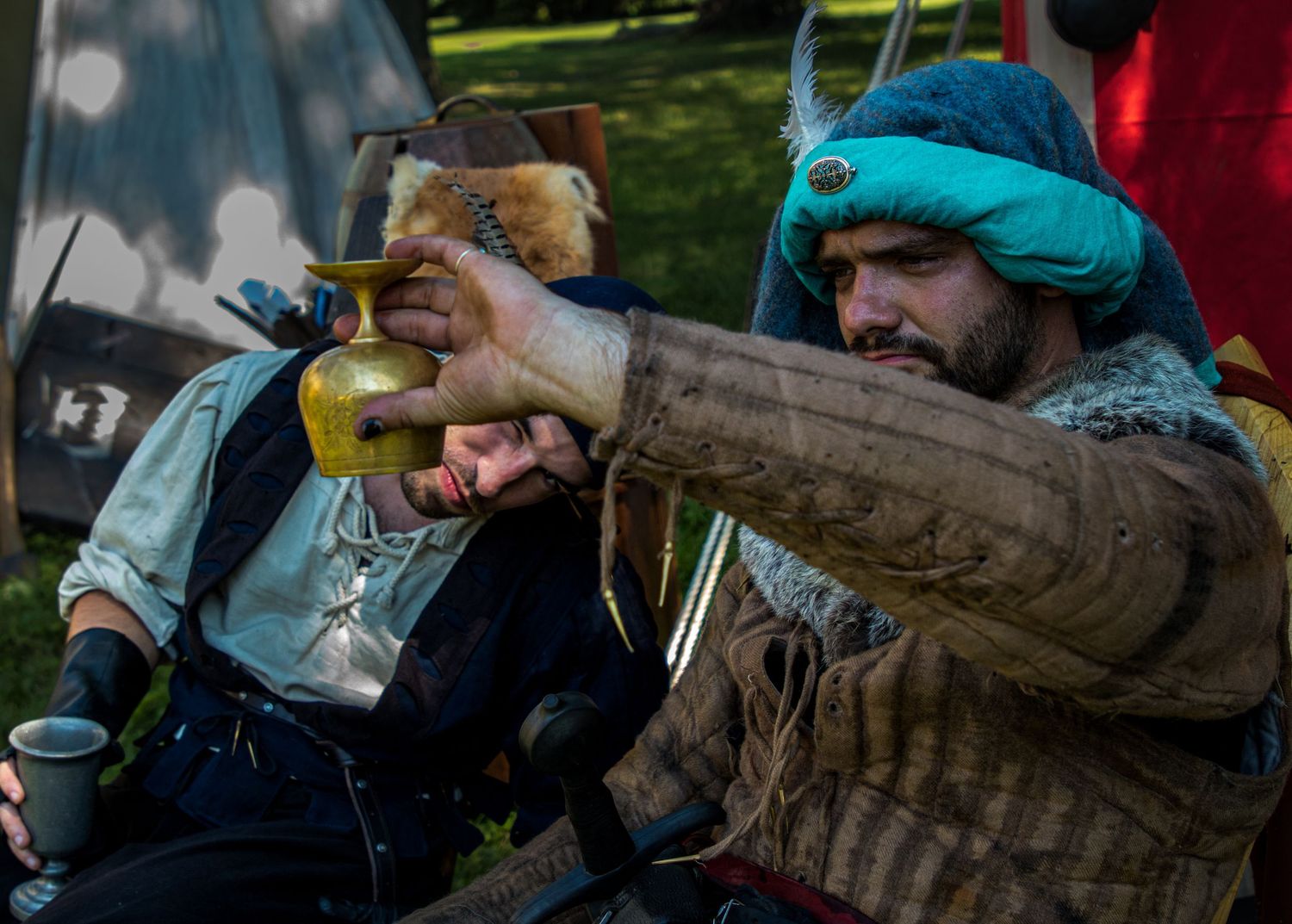
What to expect, what to pack, and how to actually enjoy yourself
Your first LARP can feel intimidating especially when you’re staring down two very different options:
a huge, multi-hundred-player immersive event,
or
a small, local, community-run game
Both are valid. Both are magical. And both require very different prep. Let’s break it down so you know exactly what you’re walking into and how to thrive in either environment.
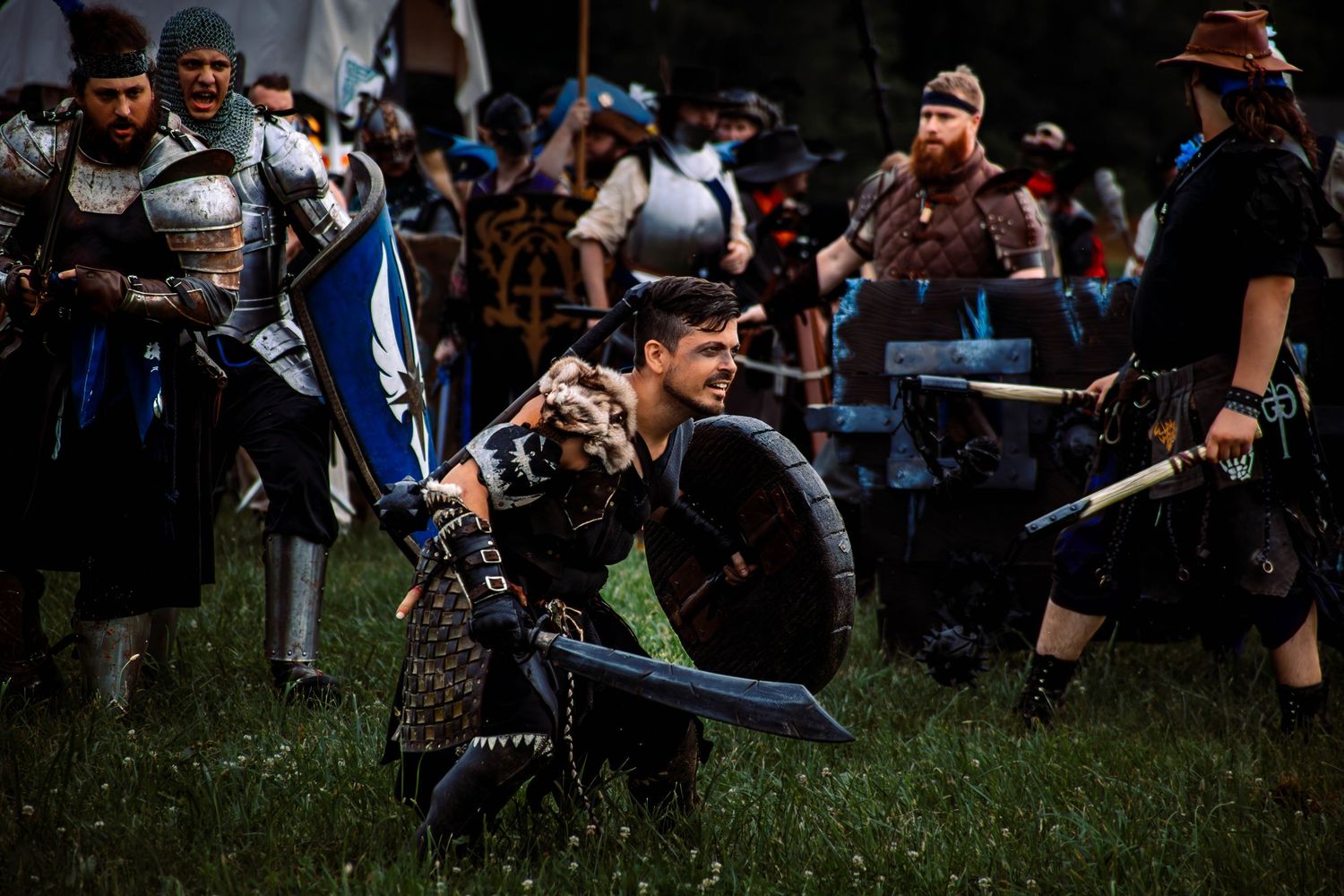
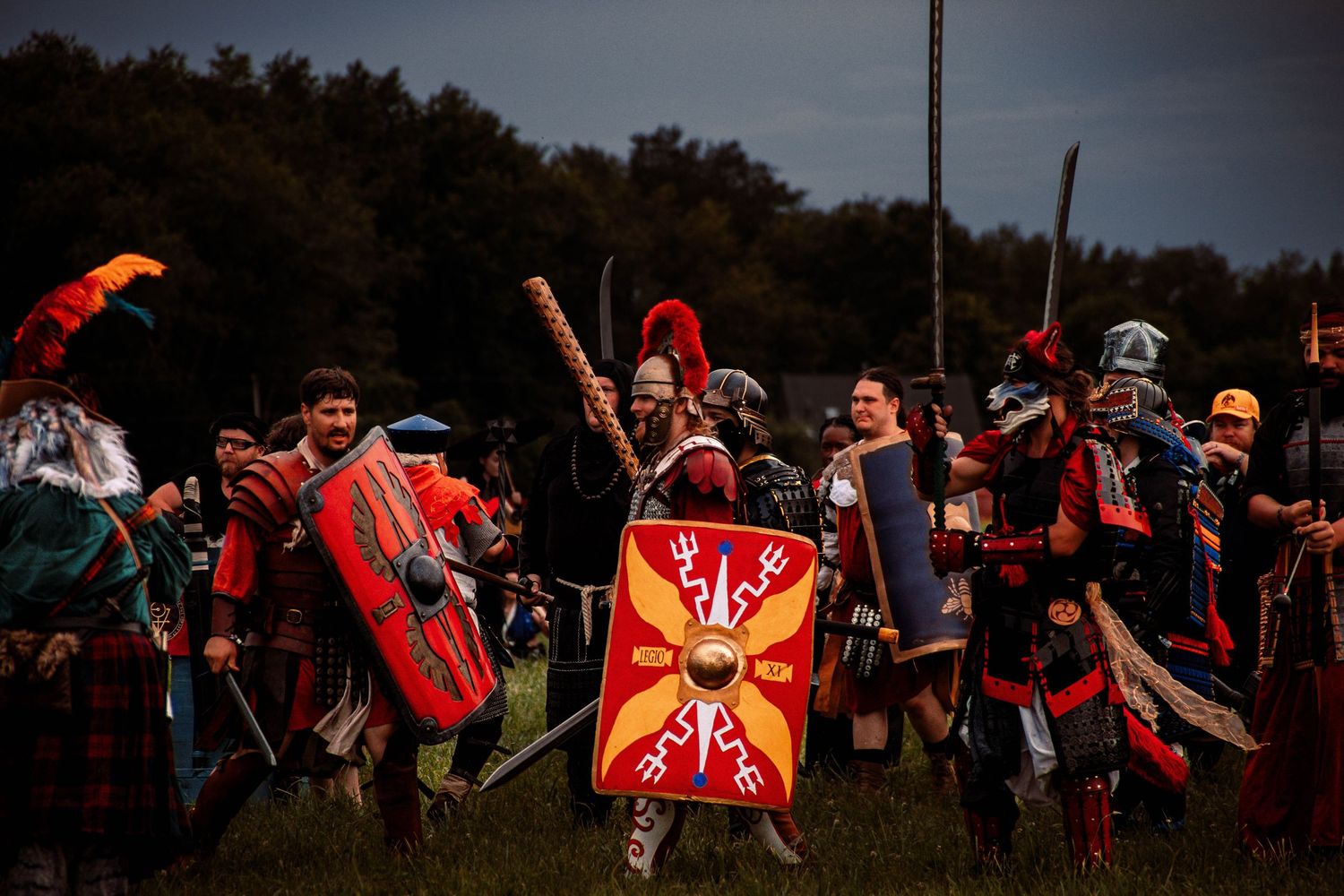
Epic scale. Deep immersion. Controlled chaos.
The Big LARP Event
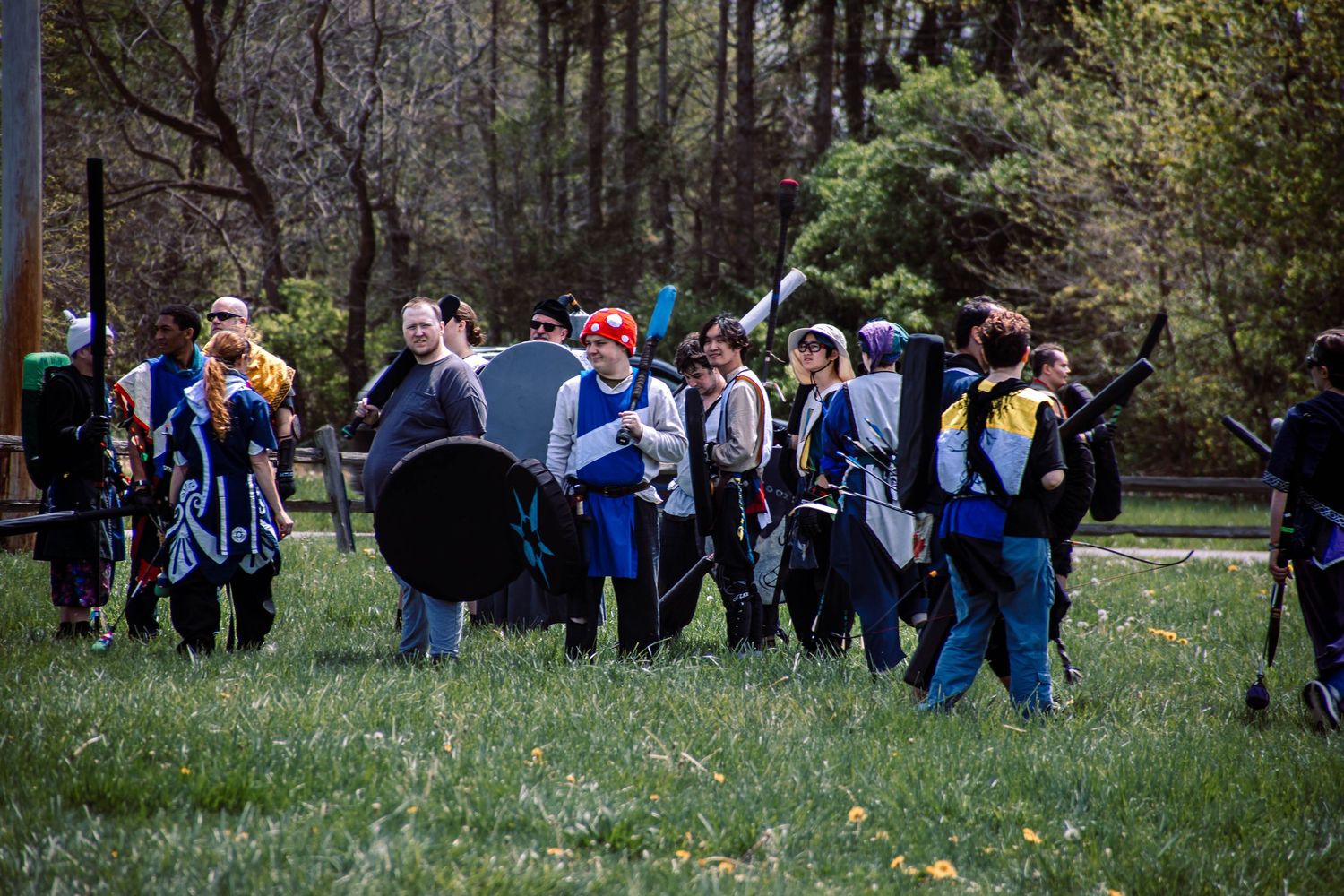
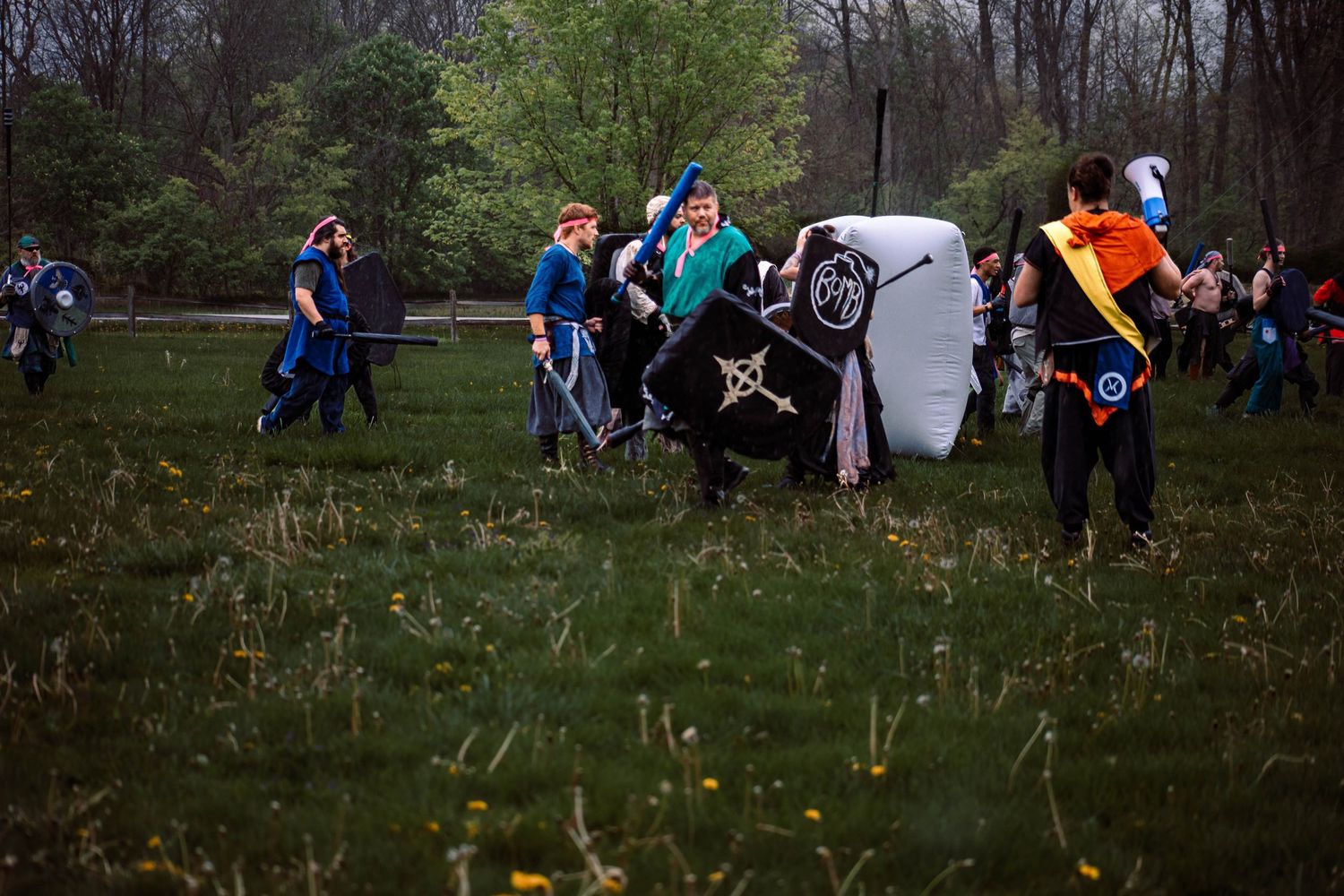
Big LARPs are the ones you see all over social media: castles, banners, massive battles, full costuming expectations, and storylines that feel like stepping into a novel.
What Makes a Big LARP Different
Hundreds (sometimes thousands) of players
Strict costuming and immersion rules
Structured plots, factions, and mechanics
Multiple NPC teams and story arcs running simultaneously
Often requires travel, lodging, and advance registration
How to Prepare for a Big LARP
1. Read Everything (Yes, Everything)
Rulebooks, player guides, packing lists, costuming standards, safety policies—big games assume you’ve done the homework.
2. Overpack But Smartly
You won’t be able to run to your car easily. Plan for:
Multiple weather scenarios
Backup garb layers
Extra food, water, and meds
Prop-safe versions of everything
3. Build a “Soft Entry” Character
Your first big LARP character doesn’t need a 12-page backstory. Focus on:
A simple motivation
A reason to talk to others
Flexibility to join plot naturally
4. Pace Yourself
Big games are marathons, not sprints. You do not need to see or do everything
Big vs Small LARP: Interactive Comparison
Filter by type, search topics, and explore wins + challenges for each.
Big LARP
- Cinematic immersion + spectacle
- Layered factions & story arcs
- Huge community + networking
- Incredible photo moments
- Overwhelm (sensory + social)
- More logistics: travel, gear, rules
- Easier to feel “lost” at first
- Less staff time per player
Small Local Game
- Beginner-friendly guidance
- Tighter bonds + familiar faces
- Easy access to staff & plot
- Low pressure learning curve
- Fewer “wow” set pieces
- Story pacing can be looser
- More player-driven initiative
- Smaller pool for niche roles
Tip: Use the filters to narrow the comparison, and the search box to highlight relevant rows.
| Category | Big LARP | Small Local Game |
|---|---|---|
| Player Count Scale | Often 100+ (sometimes 300–1000+) | Usually 10–60 |
| Prep Required Planning | Higher: rules, factions, immersion standards, logistics | Moderate: most rules taught on-site, simpler logistics |
| Costuming Expectations Garb | Often stricter; visible modern items discouraged | More flexible; loaner garb common |
| Immersion Rules Roleplay | Stricter; more enforced “in-world” behavior | Flexible; easier out-of-character support |
| Story Style Plot | Multiple arcs running at once; faction + event-wide stakes | Personal, reactive, and community-driven |
| Combat & Action Battle | Bigger set-piece battles; more organized encounters | Often smaller skirmishes; varies by game style |
| Logistics Travel | Travel + lodging + check-in systems; less car access | Usually easy car access; simpler check-in |
| Packing Strategy Gear | Pack backups: weather layers, repair kit, food plan, meds | Pack light: one solid kit + comfort essentials |
| New Player Support Onboarding | Available, but stretched; rely on guides + faction mentors | High-touch help; staff can personally orient you |
| Social Vibe Community | Wider network; can feel anonymous at first | Tight-knit; you’ll learn names fast |
| Wins Pros | Cinematic immersion, epic payoffs, massive community, unreal photo moments | Beginner-friendly, low pressure, strong bonds, easy access to plot & staff |
| Challenges Cons | Overwhelm, heavier prep, easy to get “lost,” less 1:1 staff time | Fewer big set pieces, looser pacing, more player-driven initiative |
Quick takeaway: which should you start with?
Start small if you want guidance, low pressure, and a gentle learning curve. Start big if you enjoy planning, immersive spectacle, and large-scale story—just pace yourself and prep well.
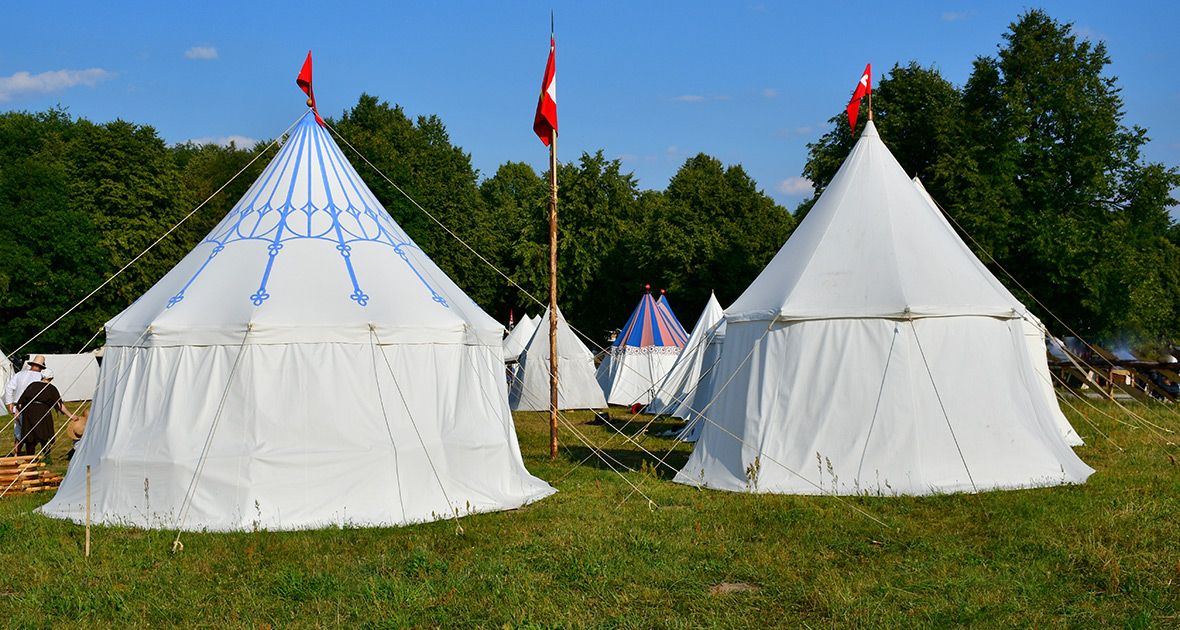
Community-driven. Intimate. Low pressure.
The Small Local LARP
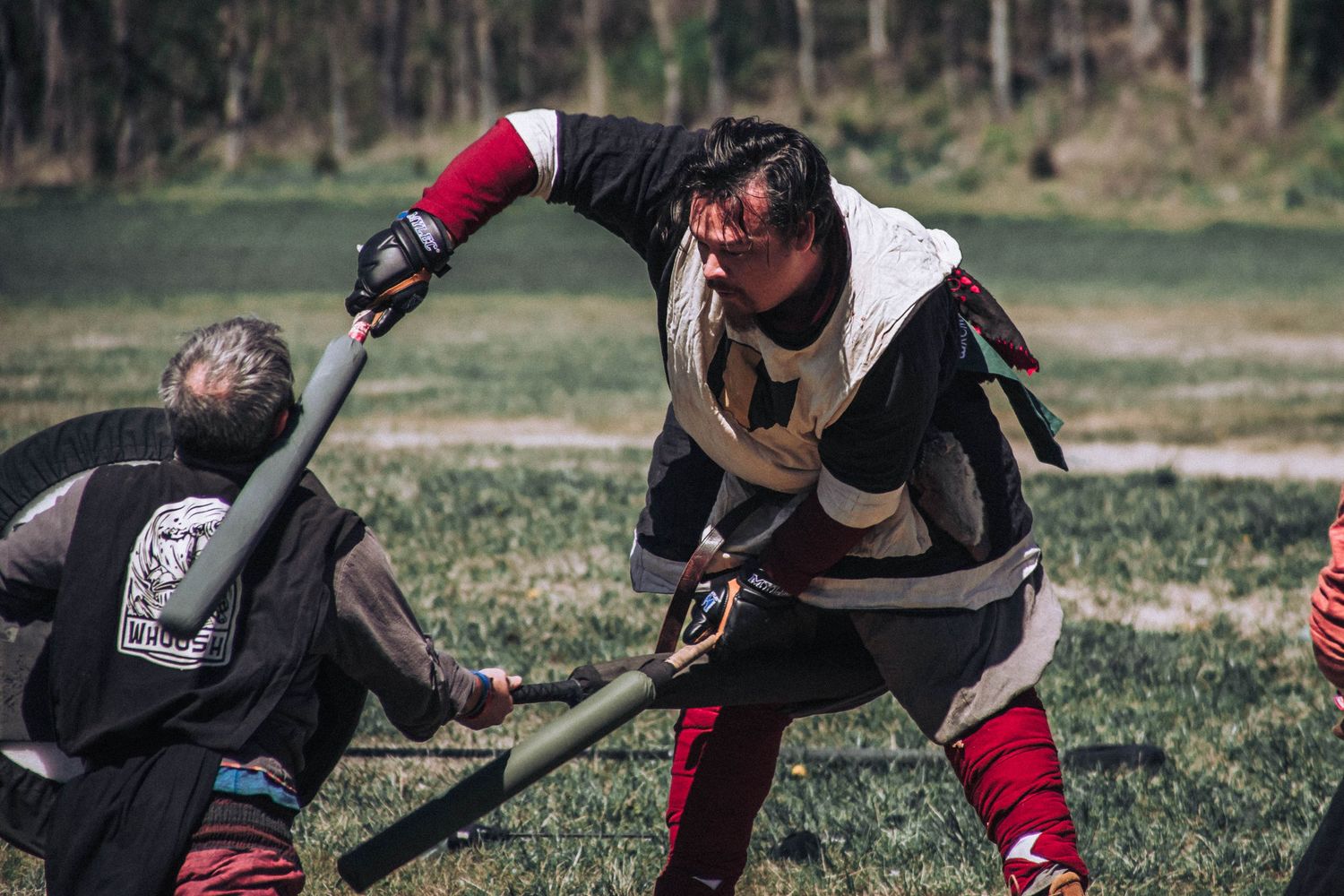
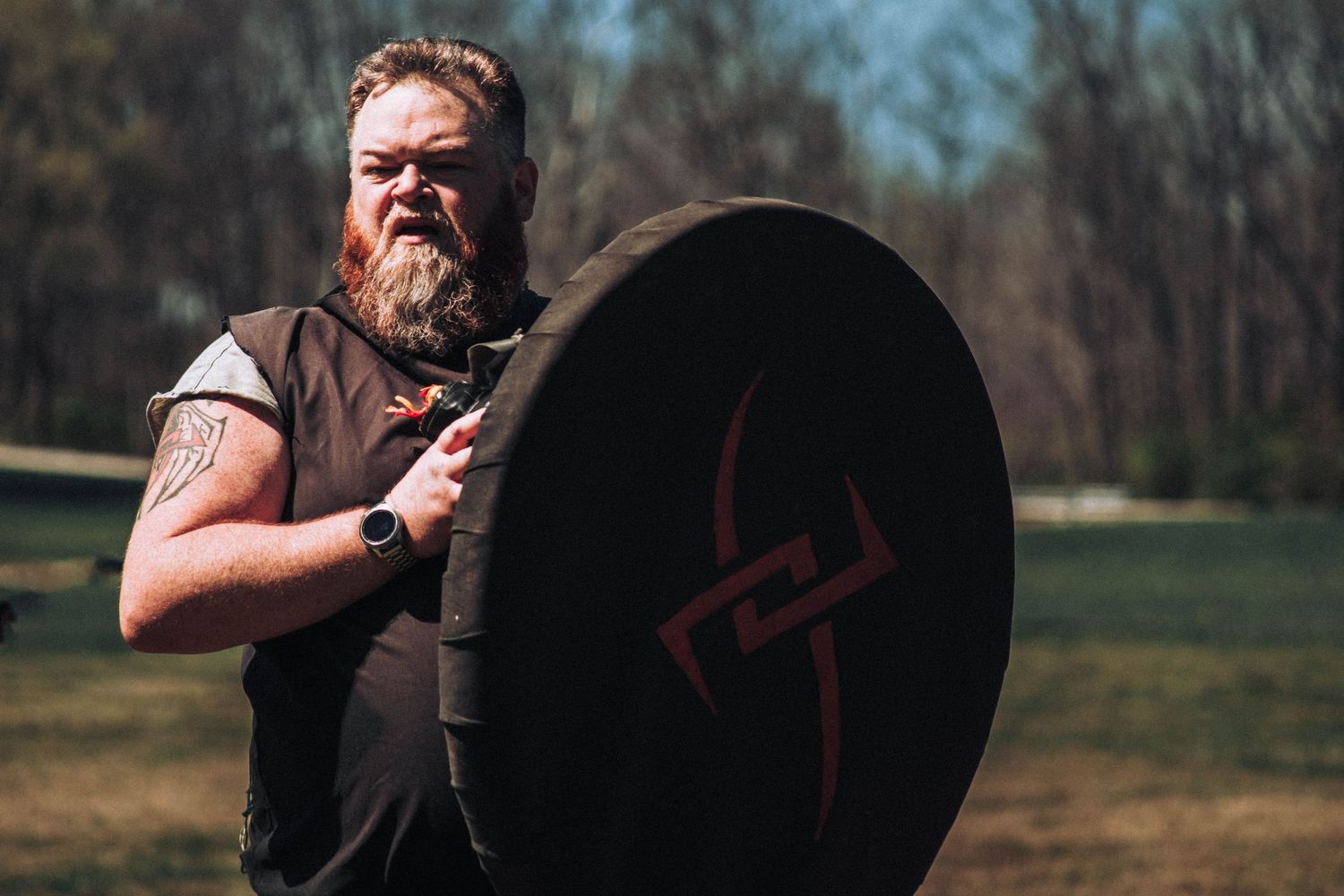
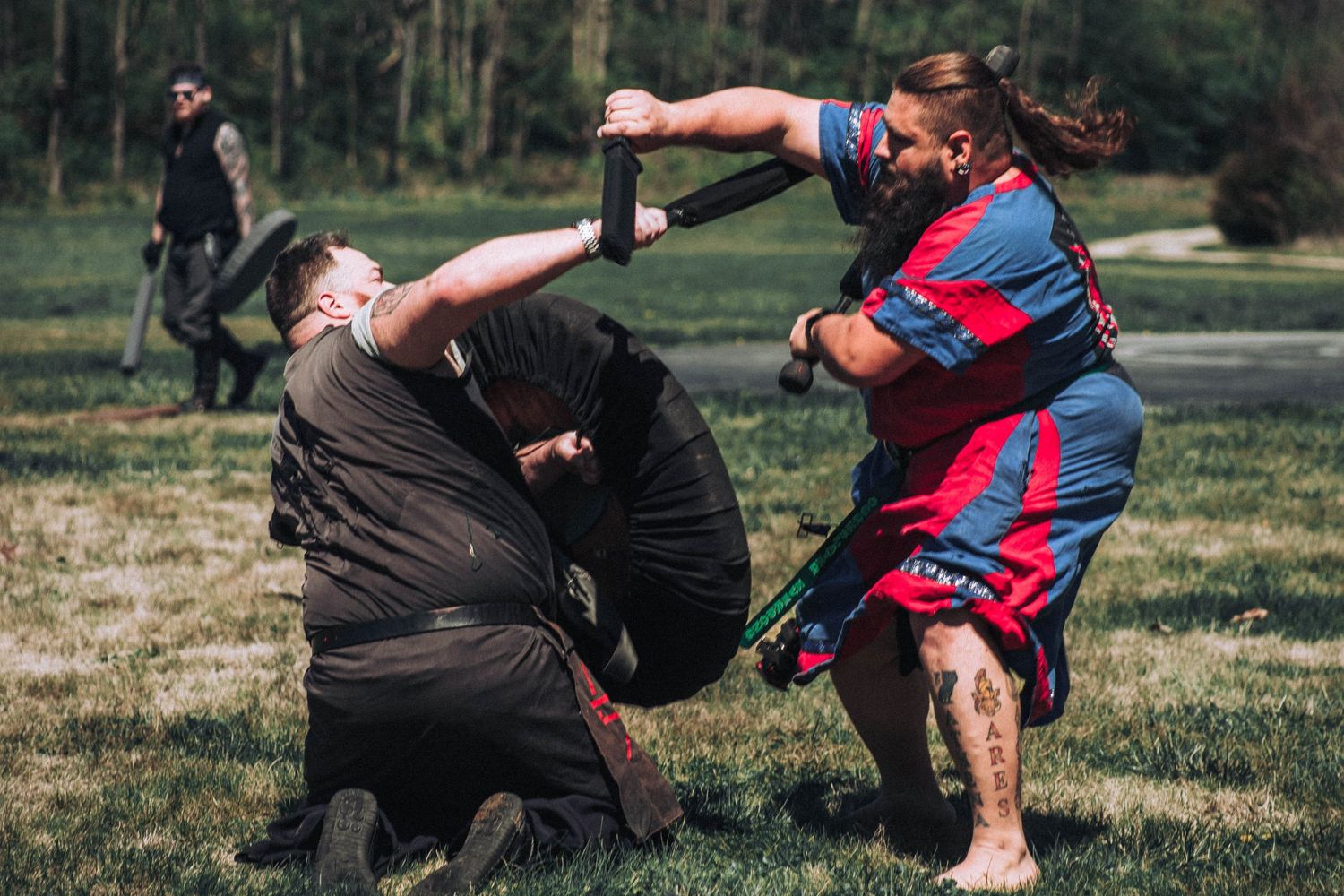
Small games are often where lifelong LARPers are born. They’re usually run by local volunteers and emphasize community and reminders that you’re here to have fun.
What Makes a Small LARP Different
10–60 players
Looser costuming expectations
Rules taught on site
Strong social RP focus
Easier access to staff and story runners
How to Prepare for a Small LARP
1. Ask Questions Early
Small LARPs love helping new players. Ask about:
Garb expectations
Loaner gear
Arrival times
Beginner-friendly roles
2. Pack Light but Thoughtfully
You usually have easy car access, so focus on:
One solid outfit
Snacks and water
Comfortable shoes
A notebook or character reference
3. Lean Into Social Roleplay
Small games thrive on interaction. Be curious. Introduce yourself in and out of character.
4. Expect Flexibility
Rules may evolve. Story may adapt to player choices. That’s a feature, not a flaw.
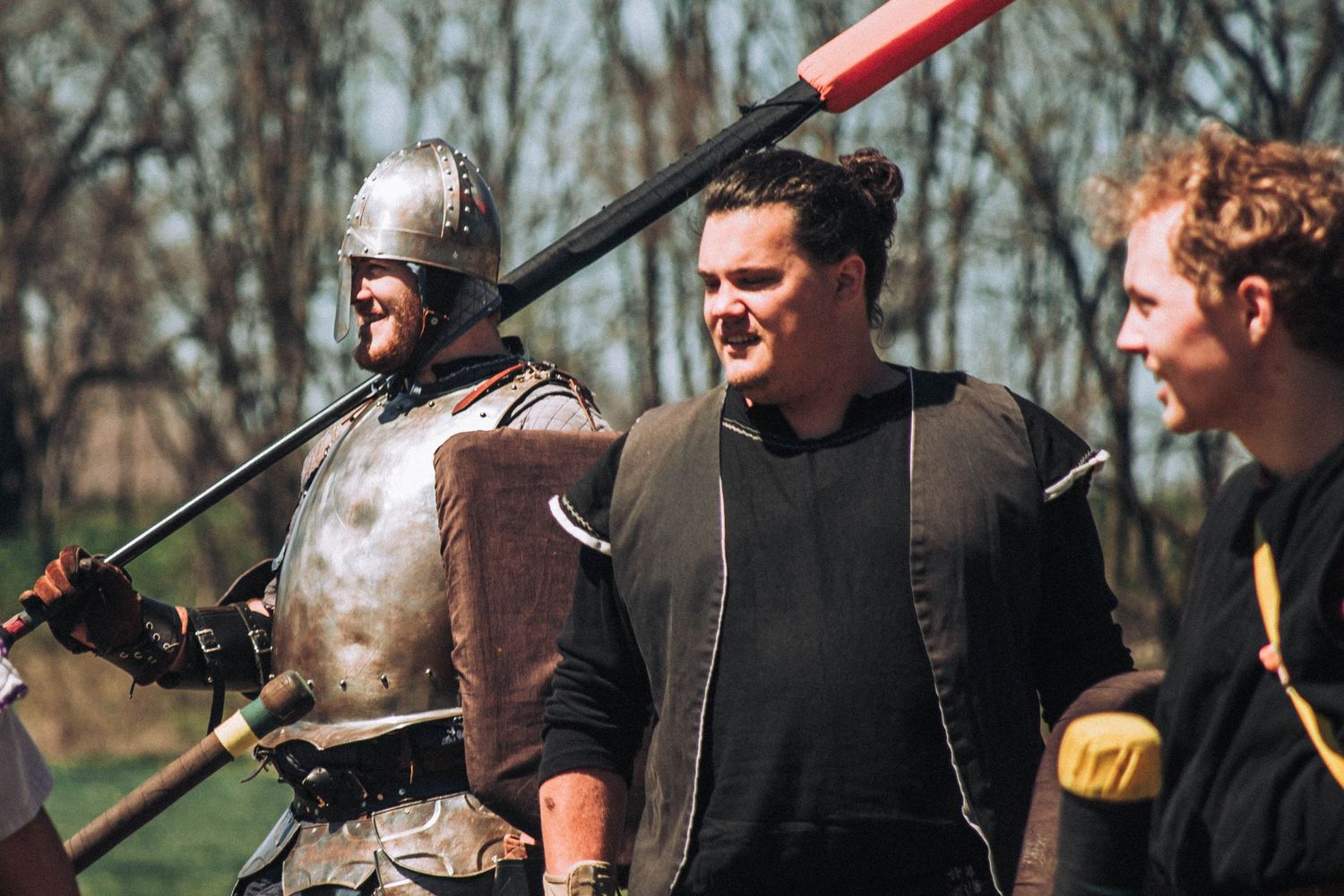
Which One Should You Start With?
Start with a small local game if you want:
Hands-on guidance
Low pressure
A gentle learning curve
Jump into a big LARP if you:
Love immersive worlds
Enjoy planning and prep
Want cinematic, large-scale storytelling
There’s no wrong answer many players do both and love them for different reasons.
Final Advice from Behind the Camera
Whether you’re at a massive immersive event or a cozy local game, remember this:
✨ You belong here
✨ Everyone was new once
✨ Preparation creates confidence
✨ The magic happens when you say yes
And if you want to remember your first LARP the way it felt not just the way it looked that’s where intentional photography, pacing, and presence really matter.