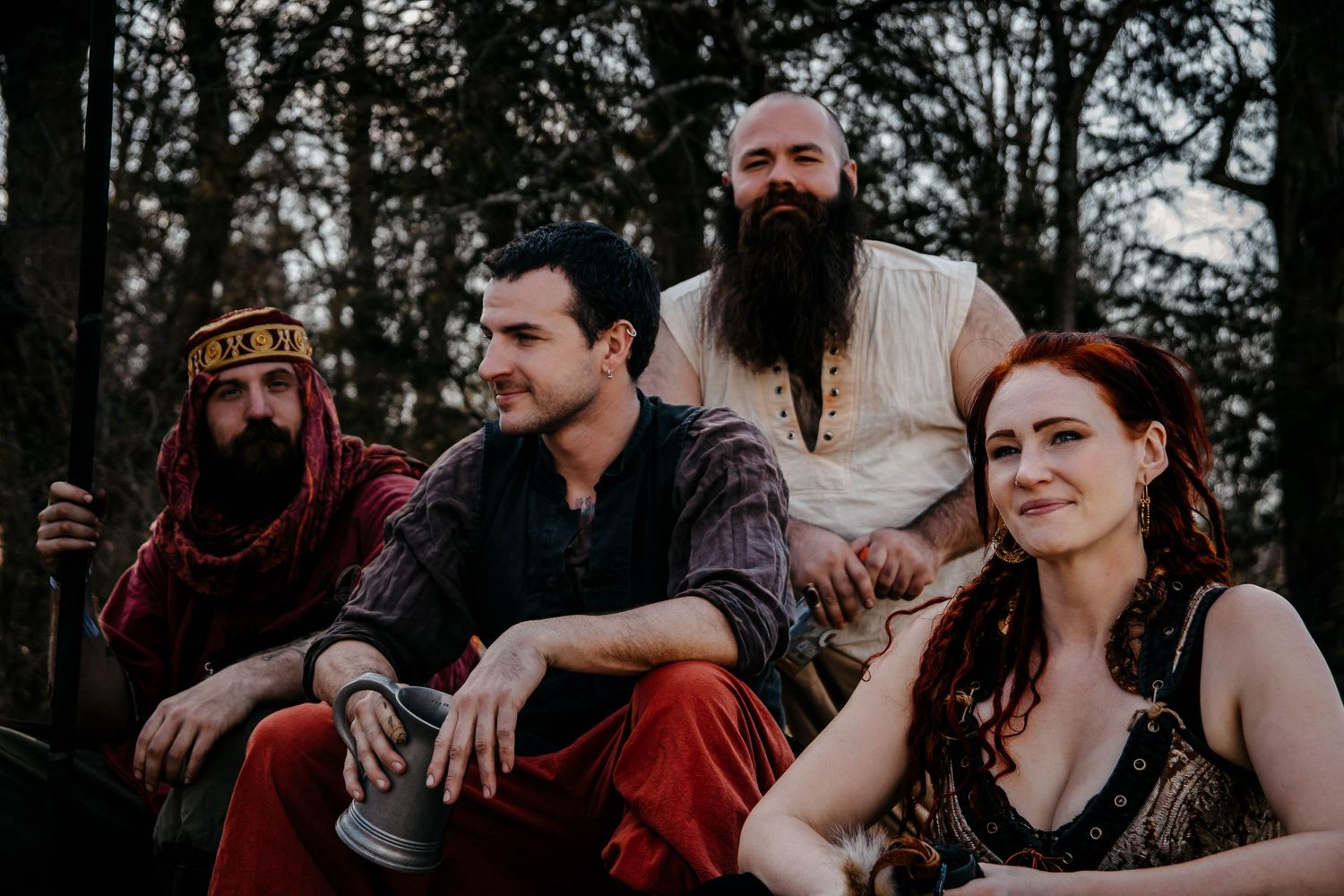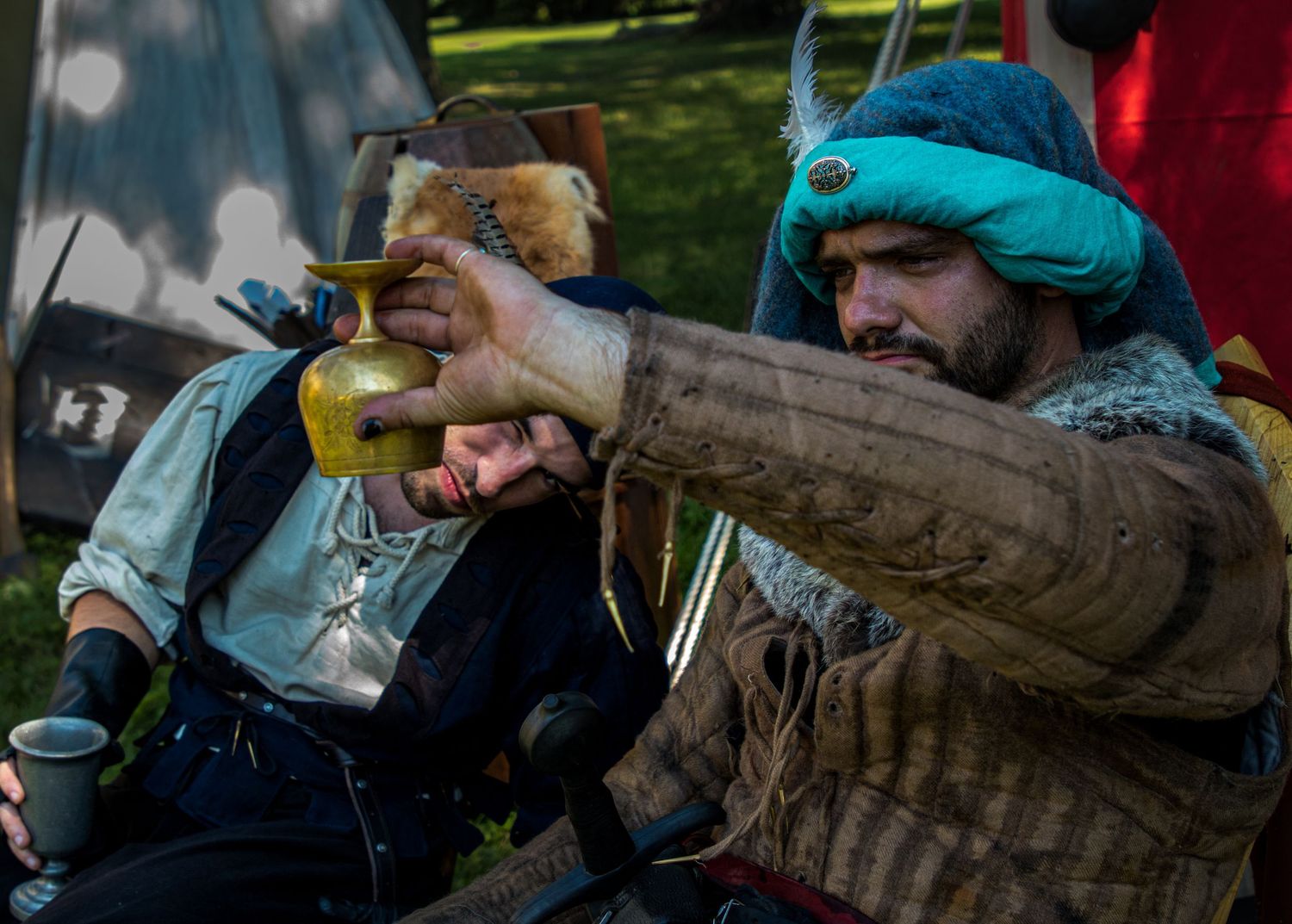
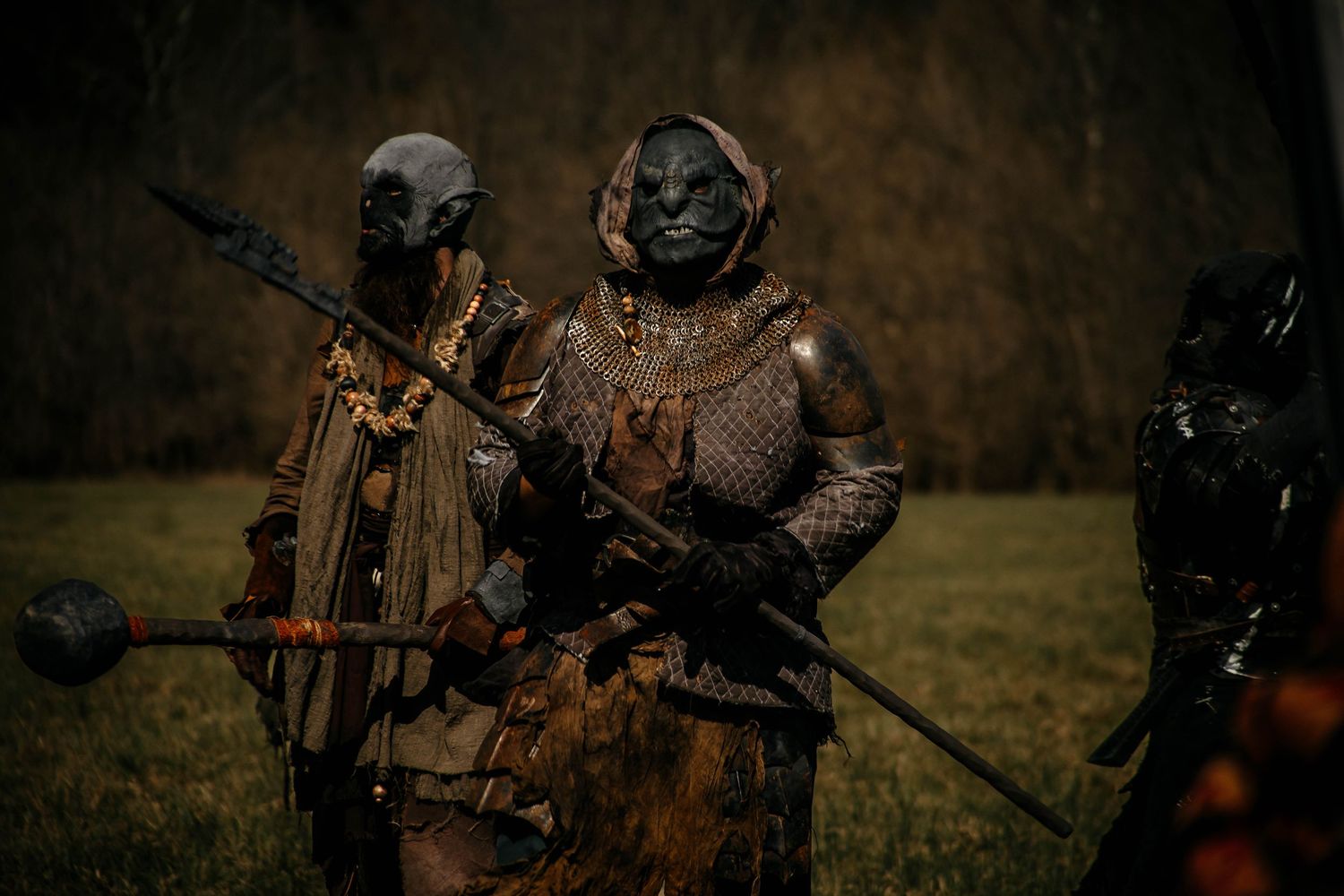
For LARP Organizers, Storytellers & Media Teams
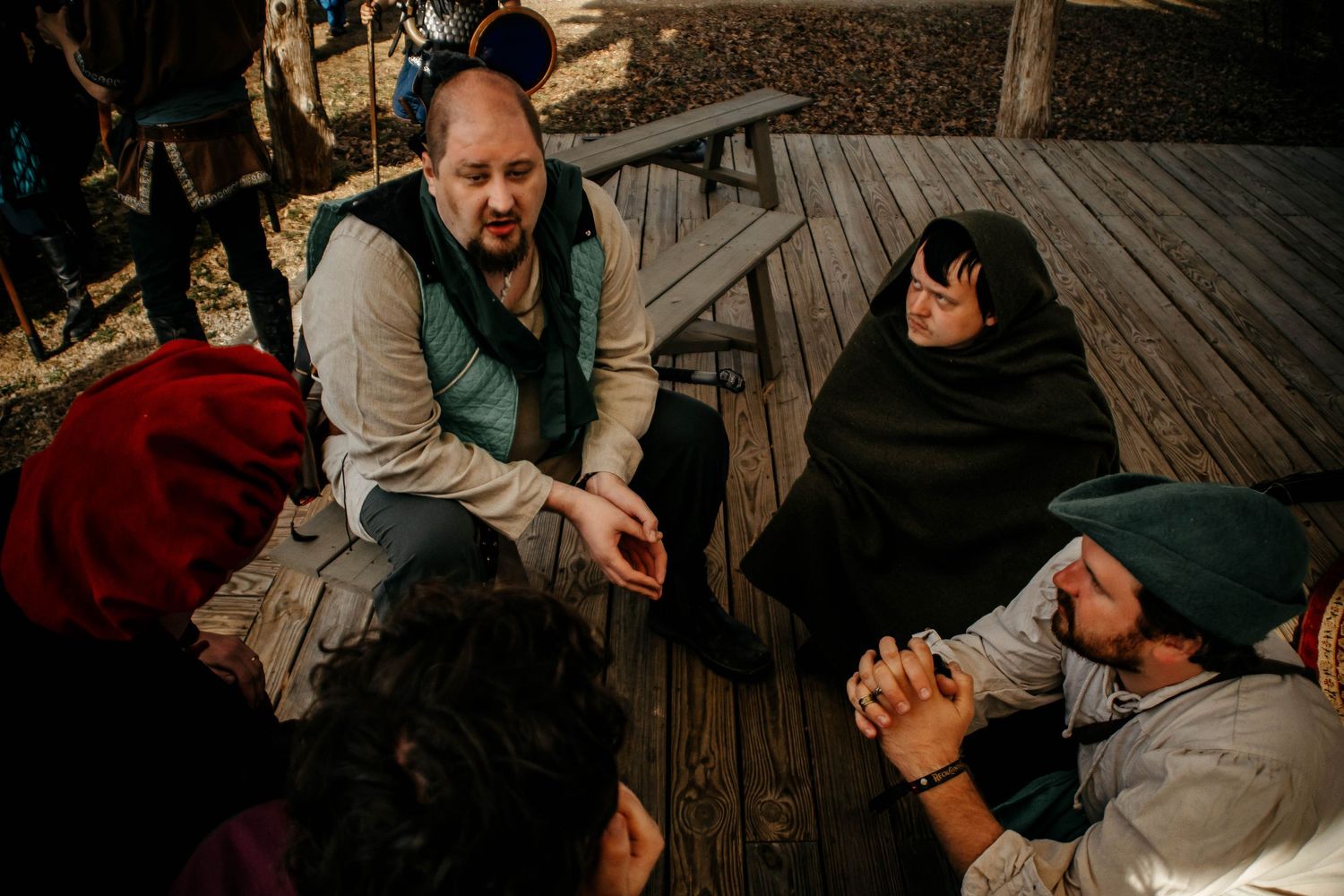
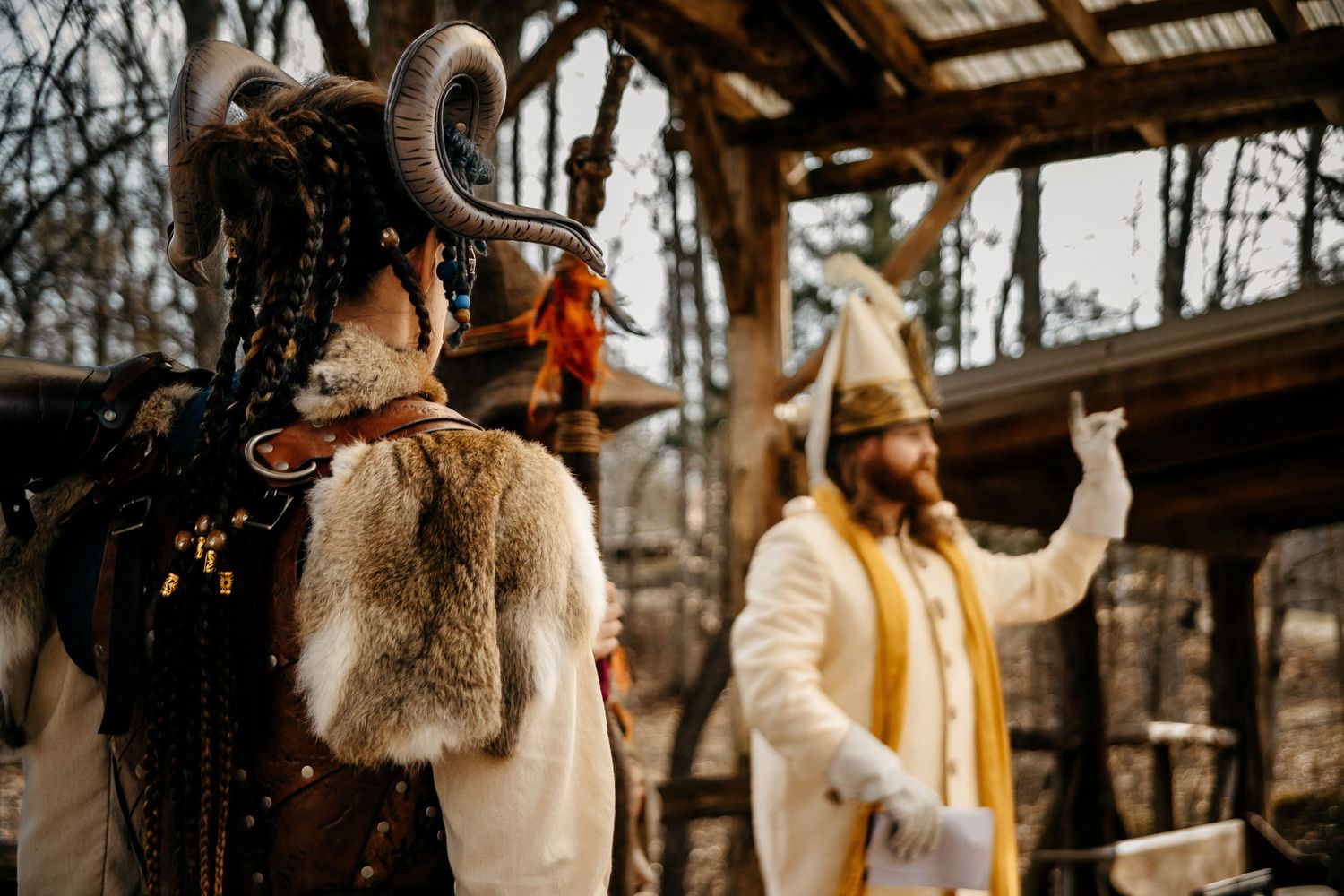
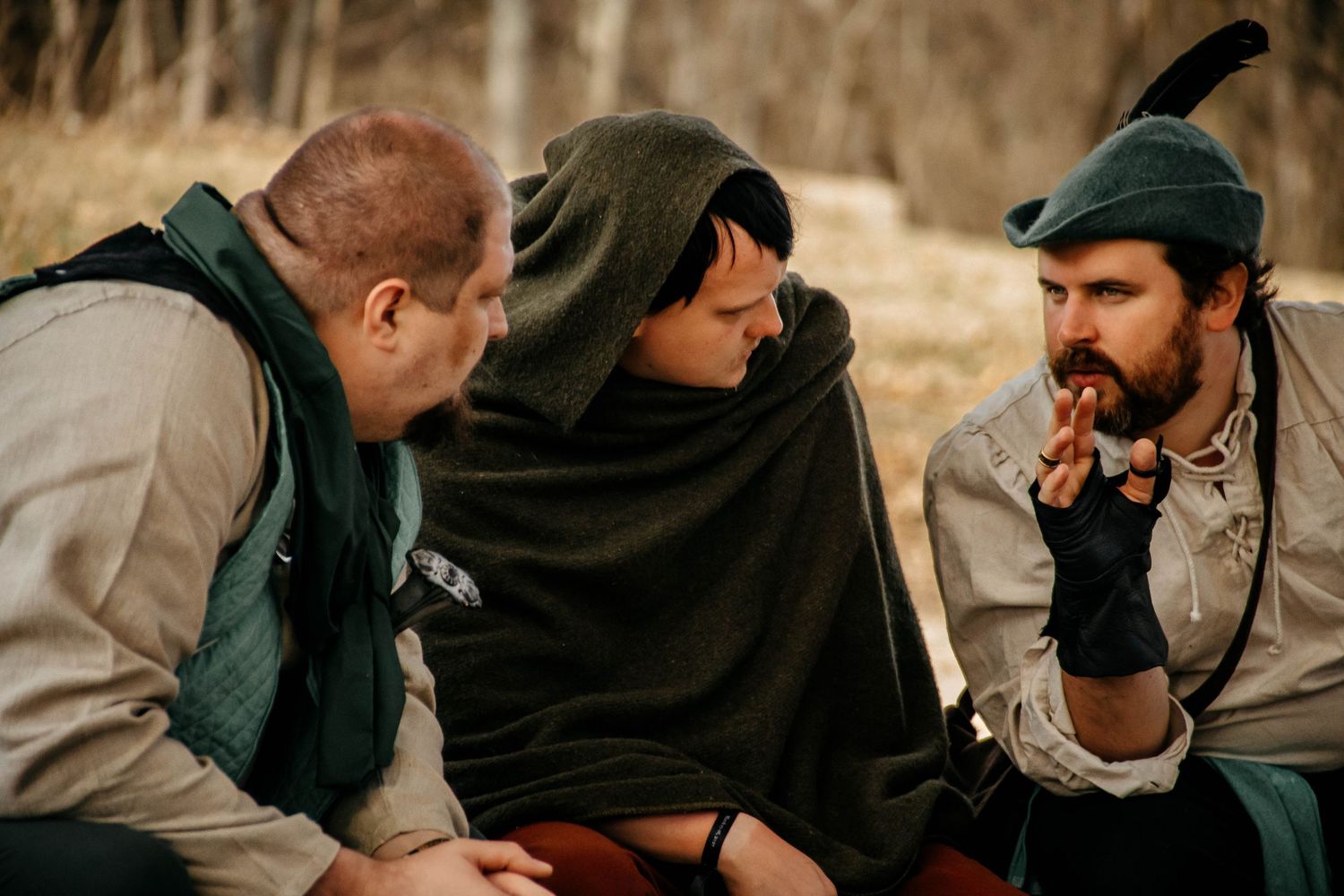
Running a LARP event is equal parts magic, logistics, and controlled chaos. You’re not just hosting a game you’re creating a temporary world where adults get to step into legends, politics, quests, and chaos for an entire weekend.
Whether your event is a small immersive narrative, a 200-player festival, or a combat-heavy boffer slugfest, the success of the weekend is shaped long before the first tent stakes hit the ground.
This guide dives deeper into what it really takes to run a LARP smoothly, safely, and cinematically.
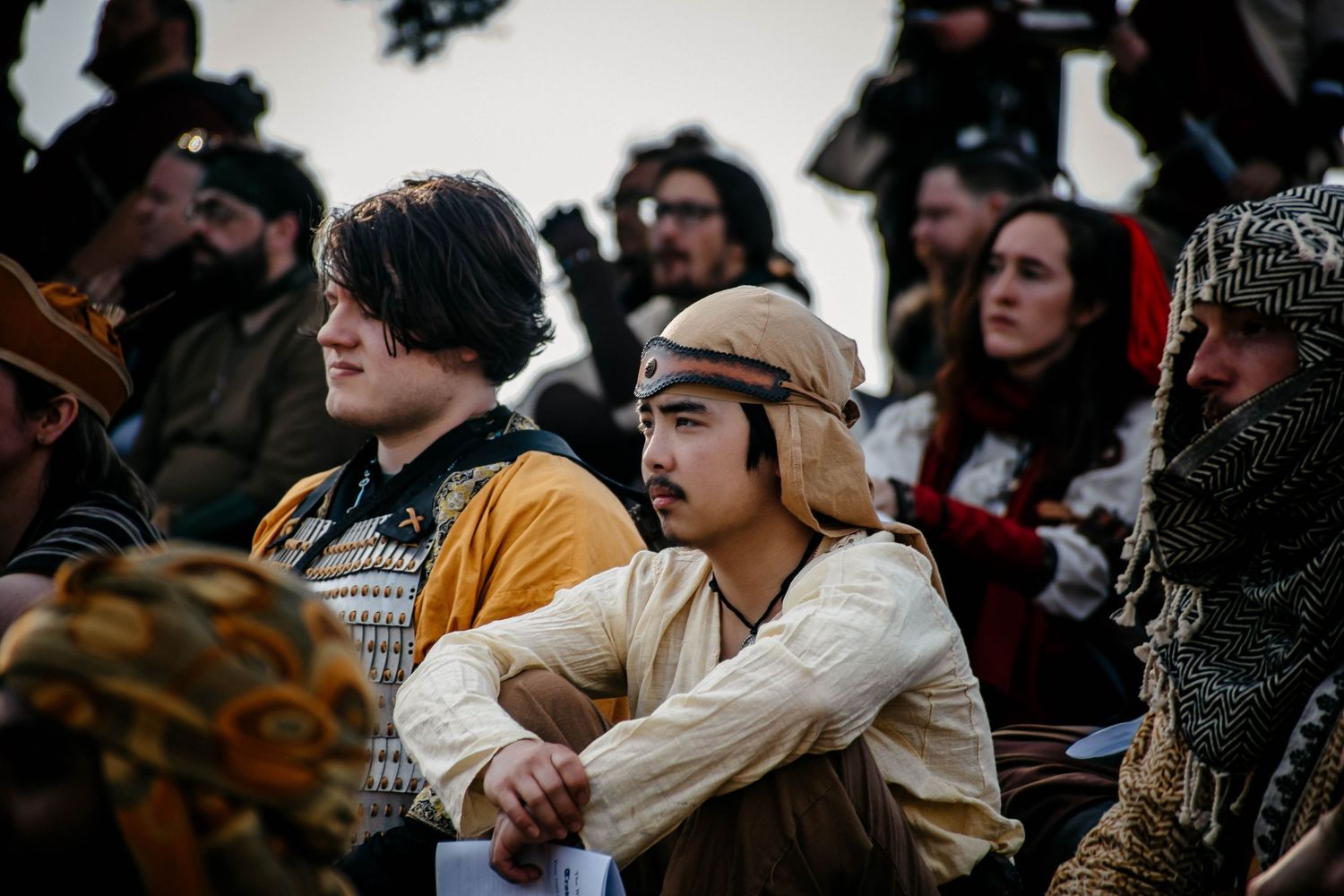
1. Event Logistics & Admin
These are the backbone details that hold every story, battle, and tavern interaction in place. Without a strong logistical foundation, even the most brilliant plotline can’t land.
Core Tasks
Confirm event date, hours of operation, and full weekend schedule
Reserve site, lodges, cabins, fields, trails, and mod areas
Verify insurance requirements & secure additional riders if needed
Ensure permits for fires, generators, or amplified sound
Finalize staff & volunteer roster (plot, combat, logistics, NPCs, medics, media)
Confirm arrival times & expectations for every department
Send site maps (parking, camps, tavern, bathrooms, trails, mod sites)
Distribute emergency contacts & site-specific rules or conservation restrictions
Pro Tip:
Have both a printed binder AND a digital folder accessible offline. Many game sites have unreliable service, and nothing derails a logistics team like relying on the cloud.
Advanced Insight:
Many LARP failures start with “I thought someone else handled that.” Your admin lead should literally own a master checklist and initial next to each confirmed item. This reduces miscommunication by 90%.
2. Story, Plot & NPC Coordination
This is where the soul of the game lives. Even if your system is combat-first, the narrative scaffolding determines pacing, player engagement, and immersion.
Plot Essentials
Finalize the main story beats, mission arcs & downtime tie-ins
Assign NPC roles early let volunteers bond with their characters
Prepare NPC packets with:
Motivation & personality notes
Power levels & combat rules
Key phrases, lore, faction ties
Safety calibration (how hard can they push?)
Write mod cards, loot slips, puzzles, runes, and ritual instructions
Organize props into labeled totes by mod
Confirm how props and costumes are being transported
Test radios / comms for plot runners
Pro Tip:
NPCs don’t just need costumes they need intent. A well-motivated NPC can turn a simple filler encounter into a legendary player memory.
Deep-Dive Running-a-LARP Insight:
If your plot team feels overwhelmed, shorten the mod list.
Players will never complain that a story ran 5 minutes too short but they will absolutely remember long delays, unprepared NPCs, or mods that start 40 minutes later than promised.
3. Player Experience Prep
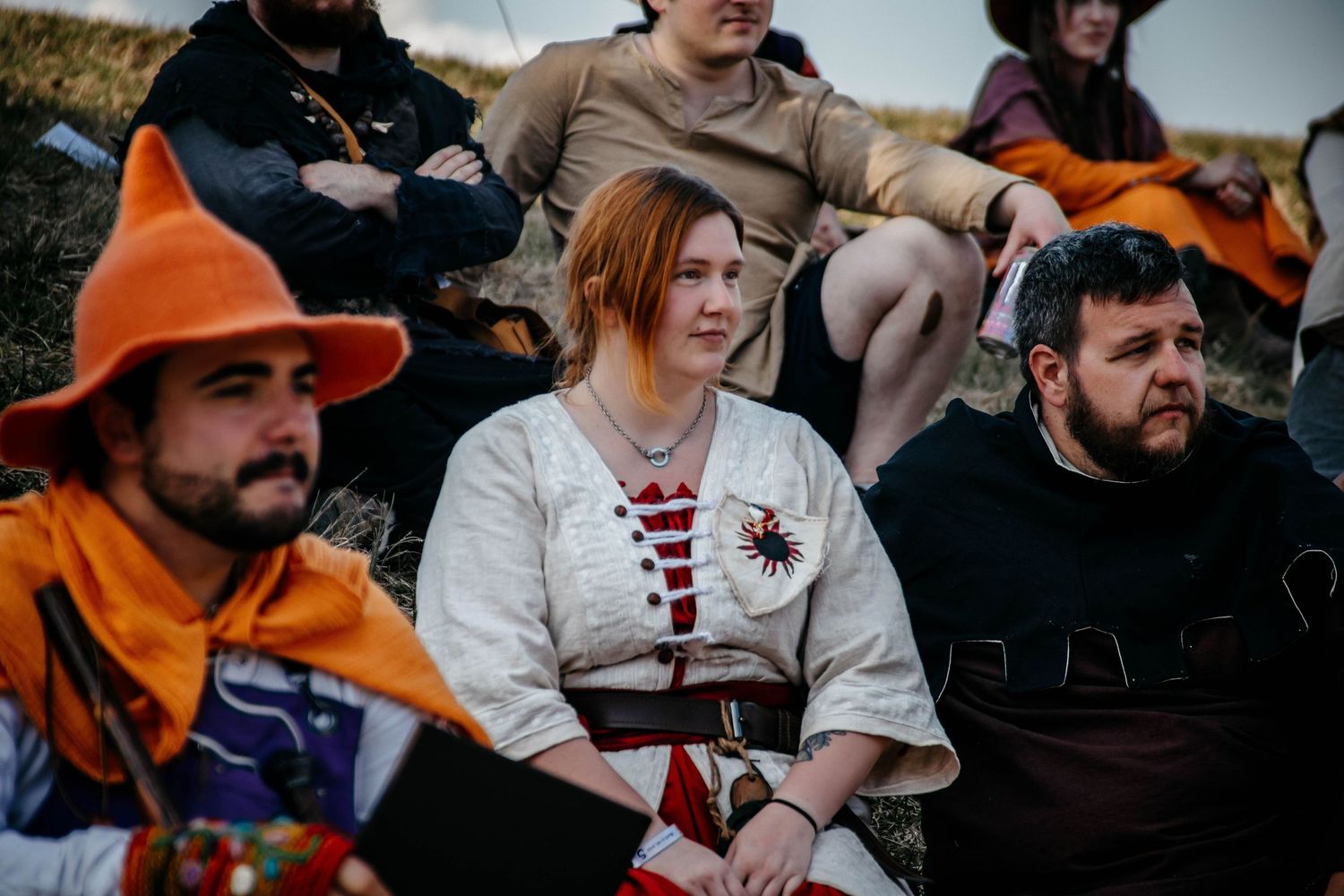
Players rarely remember logistics, but they always remember how the event made them feel. Clear communication and thoughtful prep reduce frustration and increase engagement.
Player-Facing Prep
Post the finalized event schedule everywhere (website, FB, Discord)
Share rule clarifications, class changes, or safety updates
Publish accessibility notes (steep hills, muddy terrain, limited lighting)
Announce tavern menu & merchant list
Prepare check-in packets / character sheets
Print waivers, safety reminders, and codes of conduct
Create signage for: bathrooms, first aid, water, firewood, tavern, camps
Pro Tip:
Transparent communication reduces conflict on-site. A simple “Hey, terrain is rough this weekend bring good boots” prevents dozens of small frustrations.
Deep-Dive Running-a-LARP Insight:
The more you manage expectations before game, the smoother your game-on energy will be.
Players walking in informed = fewer fires to put out during crunch time.
4. Media Coordination (Photographers & Videographers)
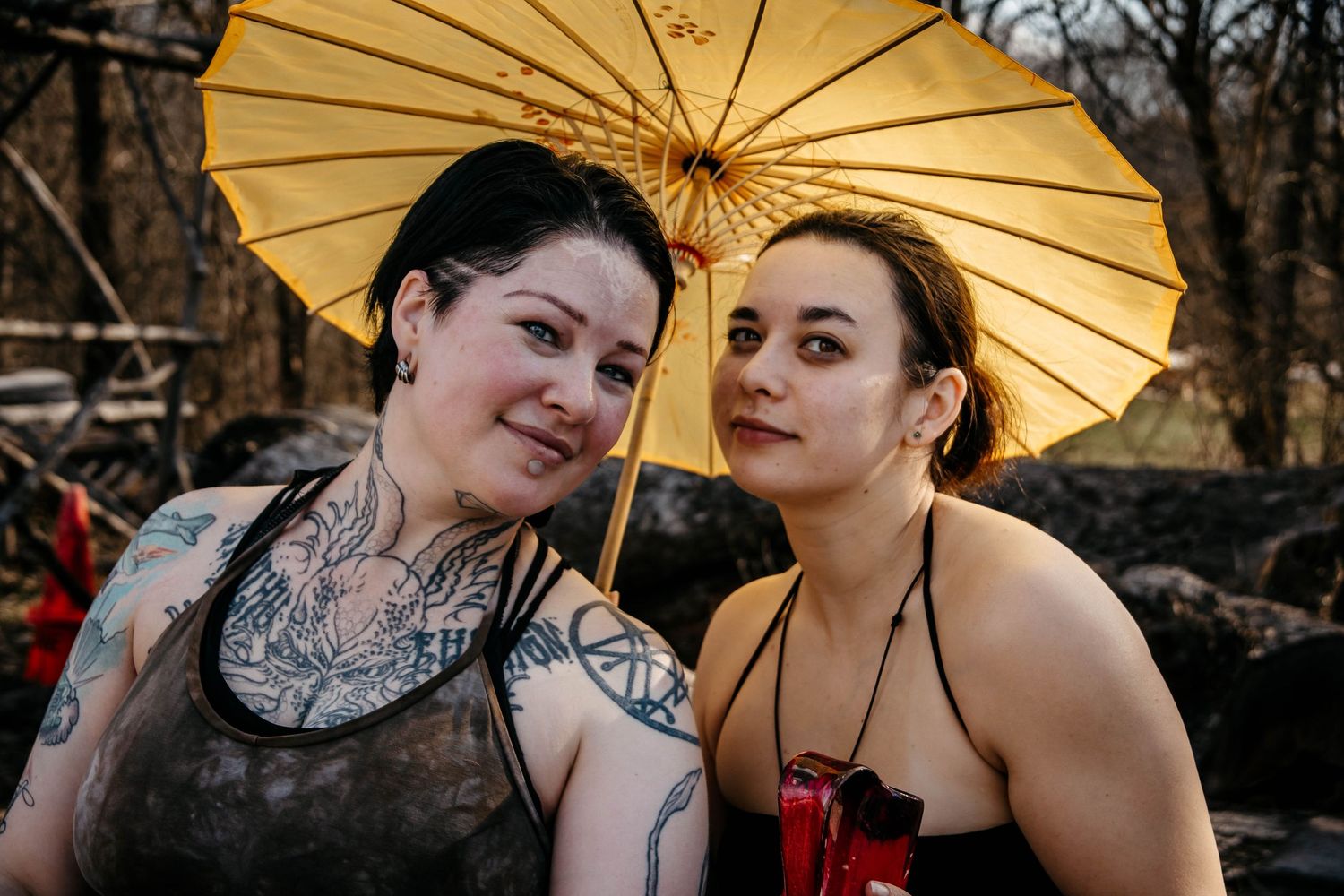
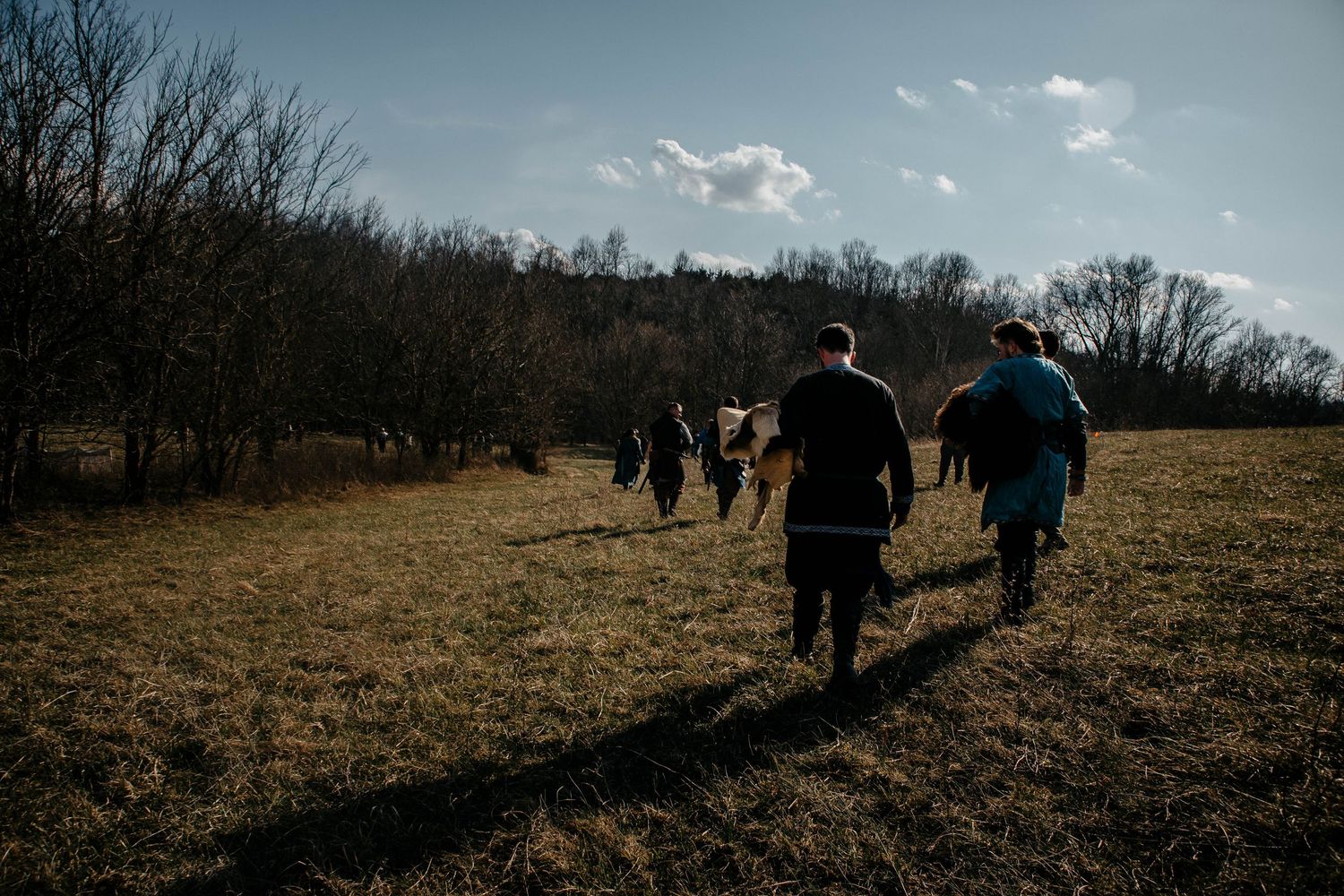
Whether you’re working with GamerGurl Photography or another media team, your photographers are responsible for capturing the visual essence of your world the proof of magic that fuels future ticket sales.
Media Prep Checklist
Confirm media permissions within the event waiver
Provide photographers with:
Plot schedule & big mod times
Faction introductions
PVP or war scenarios
Key story moments (rituals, coronations, battles)
Give them a staff marker or badge for access
Discuss expectations:
roaming candids
staged character portraits
cinematic video moments
after-dark events
Pro Tip:
Photography is marketing gold. The more your media team knows about what's important, the more epic your post-event album will be.
Deep-Dive Running-a-LARP Insight:
Photographers aren’t just vendors they’re part of the narrative machine.
Treat them like staff, and they will make your game look like a blockbuster.
5. Props, Sets & Environmental Immersion
This is the difference between “we’re playing a game in the woods” and “welcome to a living fantasy world.”
Immersion Checklist
Decorate tavern, guild halls, shrines & ritual sites
Hang banners, fabrics, lanterns, fairy lights
Set up atmospheric dressing for mods (bones, chests, ruins, altars)
Test sound cues (speakers, horns, ritual audio)
Check lighting (path torches, LEDs, lanterns)
Bring backup tools: zip ties, duct tape, rope, clamps, batteries
Advanced Insight:
Players forgive simple costumes. They do not forgive immersion-breaking modern clutter.
Hide coolers, plastic bins, and modern trash cans. Naturalize everything.
6. Safety & Compliance
Safety isn’t glamorous, but it’s the foundation of a successful LARP. One major incident can jeopardize an entire organization.
Safety Checklist
Assign safety marshals for combat, fire, and player well-being
Inspect boffer/latex weapons for breaks or unsafe cores
Ensure fire extinguishers are present and visible
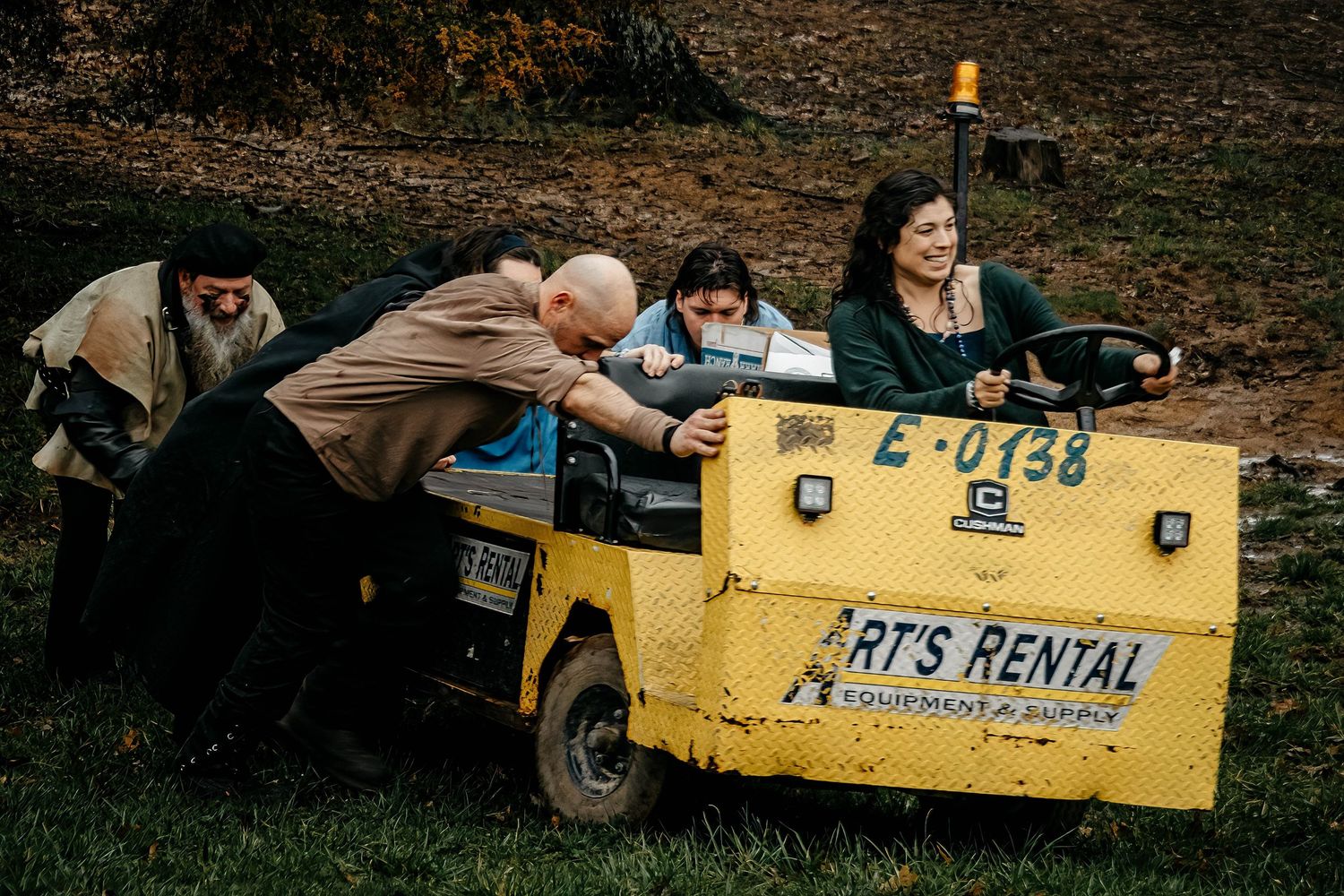
Prepare storm or shelter-in-place procedures (rain will happen, just be ready)
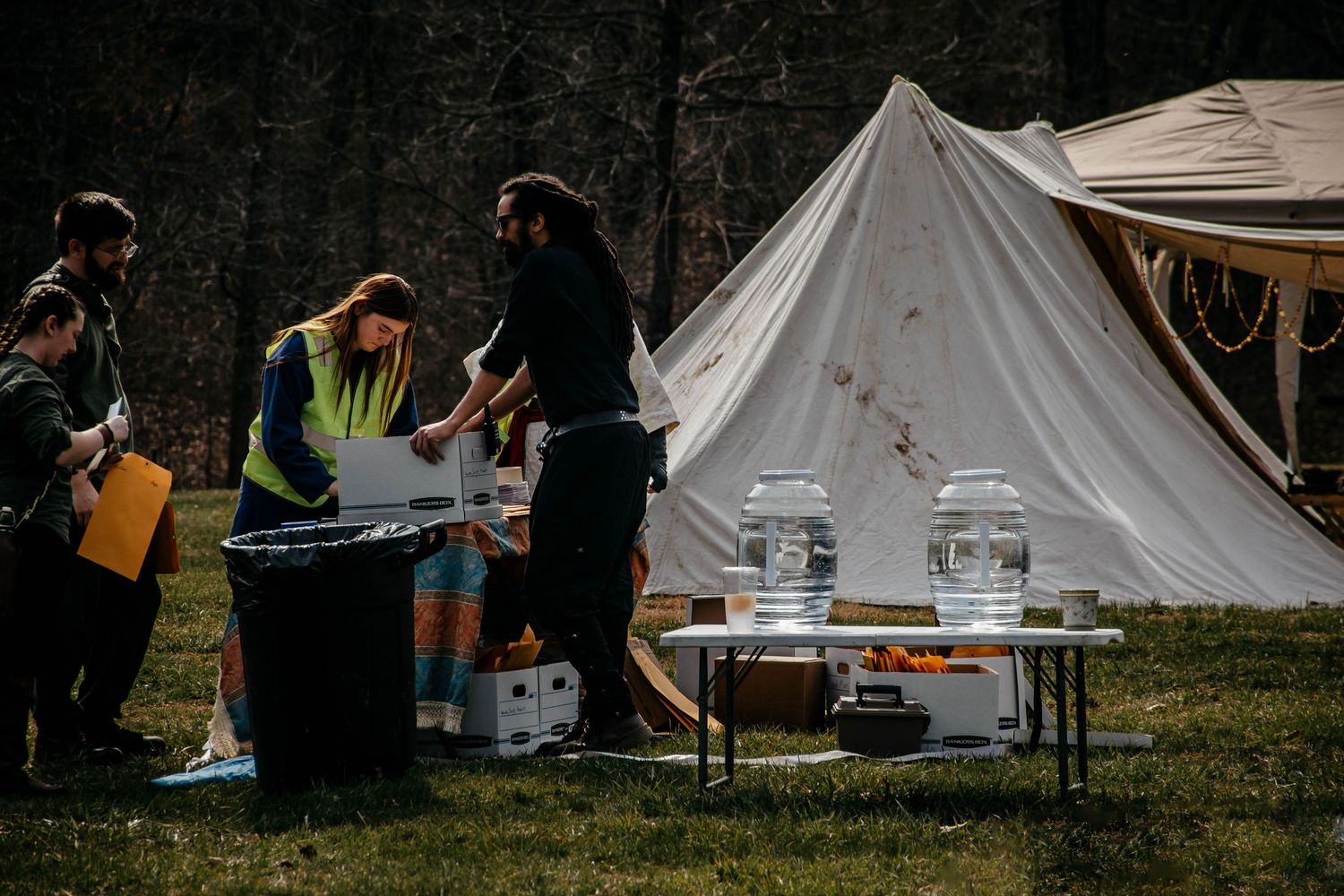
Stock first-aid kits, hydration points, and shade structures
Walk the grounds and flag hazards (holes, low branches, sharp roots)
Ensure all staff know where radios and emergency kits are stored
Pro Tip:
Safety briefings should be clear, short, and repeated multiple times.
Players cannot follow instructions they did not actually hear.
Deep-Dive Running-a-LARP Insight:
A safe game feels more immersive because players aren’t worried about injury.
Safety = freedom to roleplay harder, fight harder, and immerse deeper.
7. Final-Day Staff Checklist
These are the last-minute must-dos before the world opens to your players.
Right Before Game On
Staff meeting + plot rundown
Radio check & distribution
NPC shift assignments
Lighting check for after dark
Prop placement & mod staging
Water stations stocked
Gate/check-in fully staffed
Media team briefed on timing
Combat marshals ready
Advanced Insight:
A calm, well-run morning sets the energy for the entire event.
If staff are frantic at 11am, players will feel it immediately.
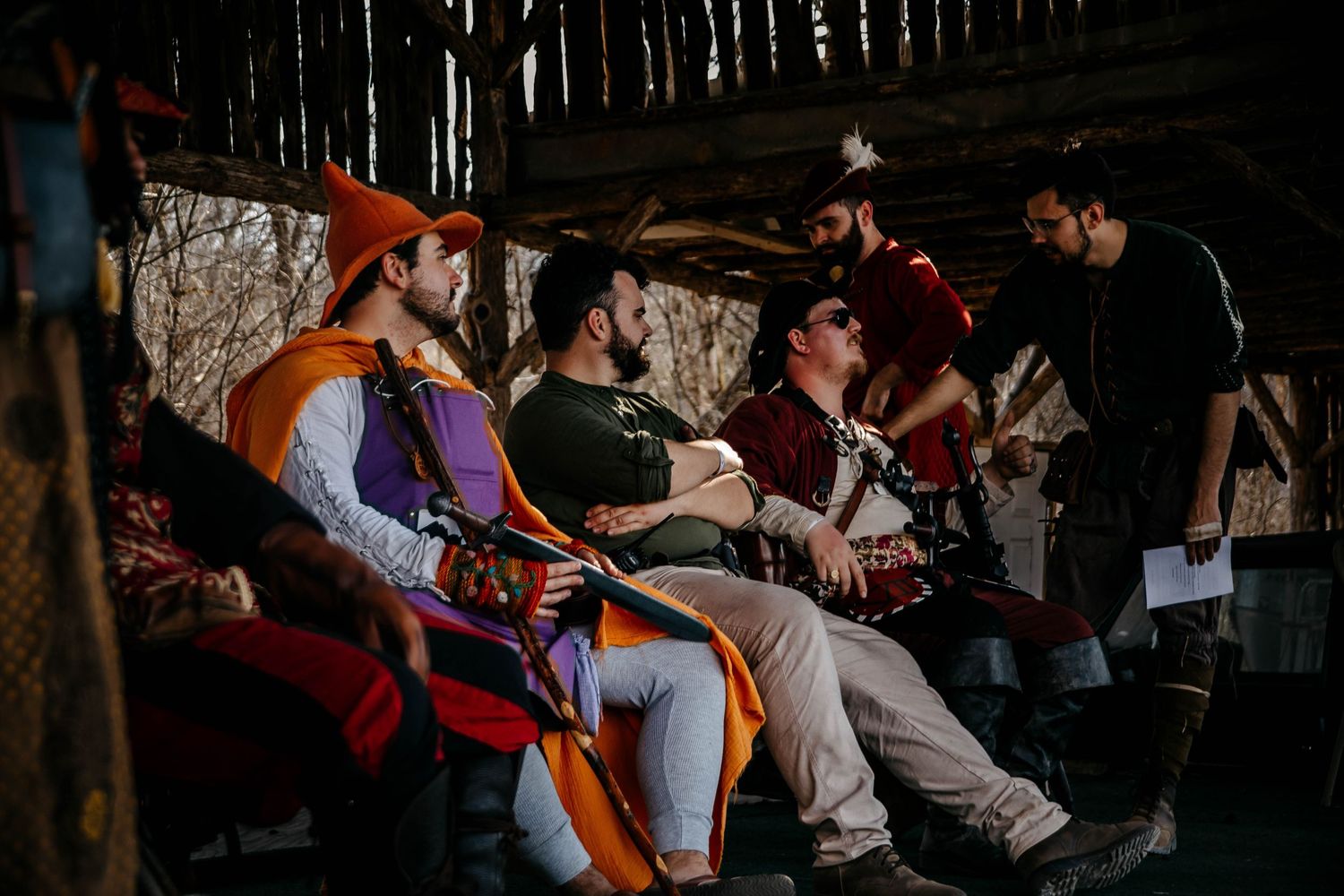
When your pre-event coordination is strong, everything else runs smoother:
Your plot hits harder.
Your fights feel bigger.
Your players leave happier.
Your staff burns out less.
And your world looks, feels, and breathes like a living fantasy.
Use this checklist to keep your team aligned so you can focus on creating the epic adventure your players will talk about all year.