
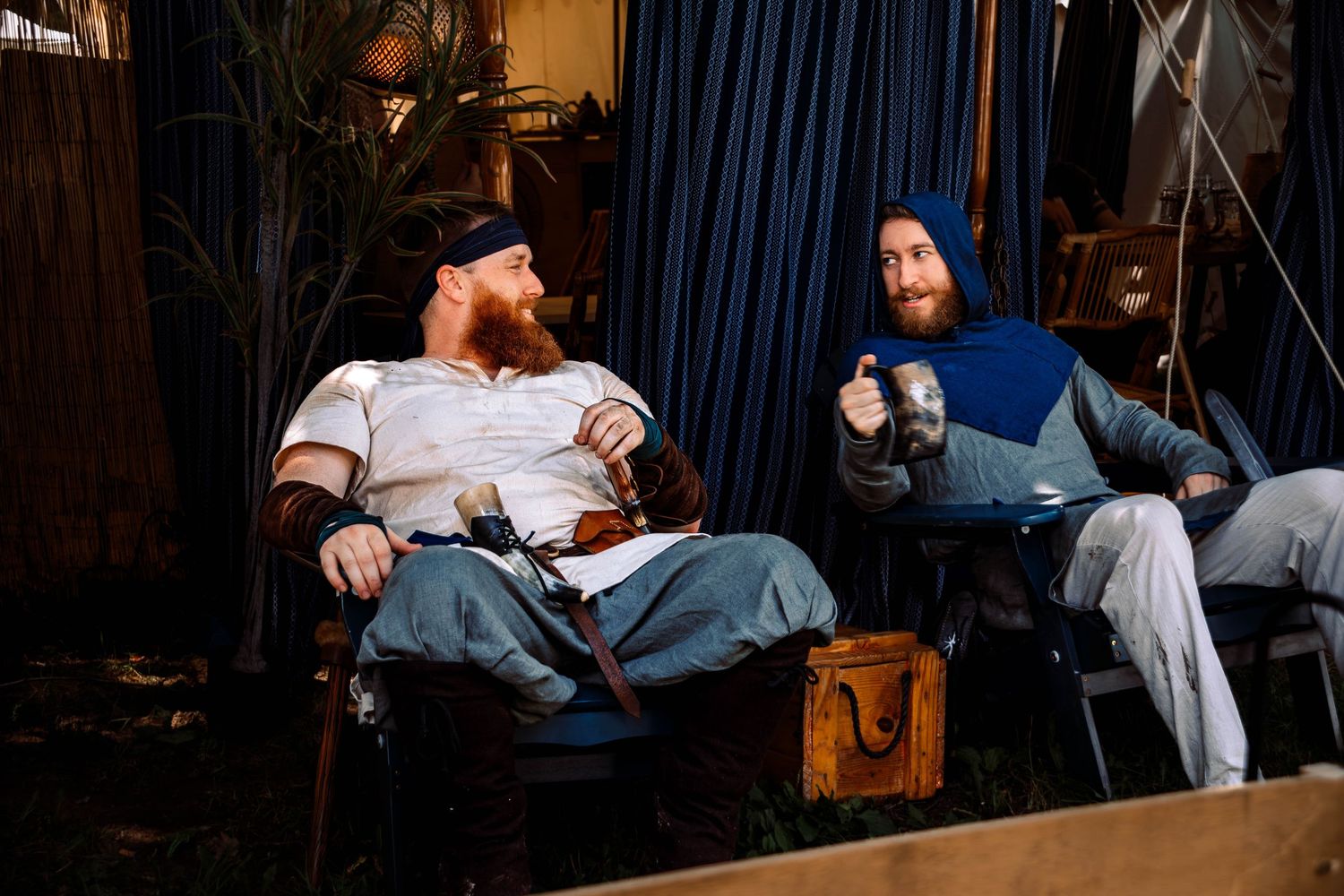
Because the game doesn’t end when the event does.
LARP events, immersive roleplay, festivals, and long creative weekends can be emotionally intense. You pour energy into character, story, community, and connection often for days at a time. When it’s over, the sudden quiet can feel… jarring.
If you’ve ever gone home exhausted, emotional, hollow, overstimulated, or strangely sad after an event, you’re not alone. This is post-event drop, and it’s a completely normal response to immersive experiences.
Post-event aftercare isn’t weakness.
It’s emotional maintenance.
What Is Post-Event Drop?
Post-event drop (sometimes called con drop or decompression crash) can include:
Emotional numbness or sadness
Anxiety or irritability
Physical exhaustion or body aches
Difficulty re-entering “real life”
Grief over leaving character or community
Feeling disconnected or overwhelmed
Trouble sleeping or focusing
These reactions can happen hours, days, or even a week later especially after high-stakes roleplay, emotional arcs, or intense social interaction.
Your nervous system has been running hot. It needs time to come back down.
Why Aftercare Matters
Immersive spaces blur lines between character and self. That can be beautiful and taxing.
Without intentional decompression:
Emotional bleed can linger
Burnout builds faster
Mental health can take a hit
Joy gets replaced with dread about “the crash”
Aftercare helps you:
Reground in your body
Reclaim emotional balance
Process what you experienced
Transition safely back to daily life



1. Rest Without Guilt
You don’t need to “bounce back” immediately.
Sleep longer than usual
Take a low-demand day if possible
Cancel non-essential plans
Let your body catch up
Rest is recovery, not laziness.
2. Ground Your Body
Bring yourself back into the present.
Try:
A hot shower or bath
Stretching or gentle movement
Holding something cold or textured
Slow breathing (inhale 4, exhale 6)
Physical grounding helps emotional regulation.
3. Separate Character From Self
Especially important after emotional or dark arcs.
Change clothes intentionally
Wash makeup, paint, or prosthetics mindfully
Say out loud: “That experience is complete.”
Write a brief “goodbye” to your character
You can honor the story without carrying it forever.
4. Eat Real Food & Hydrate
This sounds basic but it matters more than people admit.
Protein helps stabilize mood
Dehydration worsens anxiety
Sugar crashes amplify emotional lows
Feed your body like it just ran a marathon because it kind of did
5. Talk It Out (or Write It Out)
Processing helps the nervous system release.
Options:
Journal about what stood out
Voice memo your thoughts
Debrief with a trusted friend
Share highlights and hard moments
You don’t need to minimize your feelings just because the event was “fun.”
Relive the Experience (Gently)
Visual memory can be a powerful bridge between the intensity of an event and the calm of everyday life.
Looking back at photos allows you to:
Revisit meaningful moments without reliving stress
Process emotional arcs at a safer distance
Anchor memories before they blur or fade
Reconnect with community when the site feels far away
A good photographer understands that images aren’t just souvenirs they’re part of aftercare.
What Healthy Photo Aftercare Looks Like
Sneak peeks shared quickly, often before you’re fully unpacked
A small curated set to help soften the emotional drop
Full galleries or phased releases over the following weeks
Time to sit with the experience instead of crashing all at once
This pacing helps ease post-event drop by letting you re-enter the story slowly, on your own terms.
Why This Matters
When photos arrive months later with no context or care, the emotional crash can hit harder.
When they arrive intentionally, they:
Provide closure
Validate your experience
Remind you that what you felt was real and shared
Help your nervous system integrate the event
Reliving through images isn’t about clinging to the past it’s about honoring it.
A Gentle Reminder
If looking at photos feels overwhelming at first, that’s okay.
Save them. Revisit when your body says yes.
Aftercare isn’t about forcing joy it’s about meeting yourself where you are.




If You’re Neurodivergent, Disabled, or Chronically Ill
Post-event drop can hit harder if you already manage:
Sensory overload
Chronic pain or fatigue
Anxiety, depression, or PTSD
Masking or social burnout
Your aftercare might need to be longer, quieter, or more structured and that’s valid.
You are not “too sensitive.”
Your system just works differently.
When to Seek Extra Support
If after-event distress:
Lasts more than a couple weeks
Interferes with work or relationships
Triggers panic, dissociation, or depressive spirals
Please reach out to a mental health professional or trusted support system.
Taking care of your mind is just as important as taking care of your character.
You are allowed to:
Miss the event
Feel sad it’s over
Need space afterward
Not be okay immediately
Immersive experiences are powerful because they matter to us.
Aftercare isn’t an optional add-on.
It’s part of playing responsibly with yourself and your community