

Power, trust, and the duty that comes with both
Authority characters leaders, nobles, officers, guild heads, priests, commanders are some of the most compelling roles in roleplay and immersive communities. They shape stories, drive conflict, and give other players something meaningful to react to.
But authority is never just a costume.
When you play a character with power, you are borrowing trust from the community around you. How you use that power both in-character (IC) and out-of-character (OOC) can either elevate the experience for everyone… or quietly harm it.
This guide isn’t about removing drama or softening stories. It’s about playing authority responsibly, so the world feels immersive, fair, and safe for everyone involved.
Authority Characters Carry Real Weight
Even in fictional spaces, authority creates pressure.
Players may:
Feel obligated to comply with your character
Assume your IC authority reflects OOC influence
Hesitate to challenge you for fear of social fallout
Internalize negative treatment more deeply when it comes from “power”
This is especially true in long-running LARPs, recurring campaigns, guild-based communities, or any space where relationships extend beyond a single session.
Intent does not erase impact.
You may be “just playing a role,” but others are experiencing it in real time.

Power Should Create Play, Not Remove It
The purpose of authority characters is not control it’s story generation.

Ask yourself:
Does my character give others meaningful choices?
Am I opening doors, or closing them?
Am I creating scenes, or ending them prematurely?
Good authority characters:
Delegate instead of dictate
Offer consequences and opportunities
Allow others to influence outcomes
Lose sometimes and visibly
If your character always wins, always decides, or always dominates scenes, the story narrows instead of grows.
Separate IC Authority From OOC Power
This is one of the most important and most often mishandled parts of playing authority.
Never use OOC status to reinforce IC authority.
Don’t reference staff roles, tenure, popularity, or friendships to “back up” IC decisions
Don’t pressure players OOC to accept IC outcomes
Don’t blur boundaries by “joking” about real consequences
Likewise:
Be open to OOC check-ins
Encourage consent conversations for intense scenes
Normalize opt-outs without punishment
Authority characters should feel powerful in the fiction, not unavoidable in real life.
Villains, Tyrants, and “Bad Leaders” Still Have Responsibilities
Playing a cruel ruler, corrupt official, or abusive commander does not excuse harmful behavior.
If your character is:
Bigoted
Abusive
Manipulative
Violent
Sexually coercive
Emotionally degrading
Then you have an extra duty to:
Get consent
Use safety mechanics
Avoid targeting the same players repeatedly
Provide narrative outs
Accept consequences when challenged
Being “in character” is never a shield against community harm.

Punch Up, Not Down
Authority characters should challenge peers and systems not relentlessly target those with less power.
Be cautious when your scenes involve:
New players
Marginalized players
Socially quieter players
People with limited narrative leverage
A good rule of thumb:
If someone has less power than you IC and OOC, tread carefully or don’t tread at all.
Drama is most satisfying when it’s consensual, reciprocal, and survivable.

Let Authority Be Accountable
One of the richest storytelling tools is accountability.
Let your character:
Be questioned
Be overruled
Be exposed
Be betrayed
Be wrong
Authority without accountability becomes stagnation.
Authority with consequences becomes legend.
Players remember the ruler who fell far more than the one who sat untouchable forever.

Check Yourself (Regularly)
Before, during, and after play, ask:
Am I enjoying this because it’s good story or because I feel powerful?
Are others having fun in these scenes?
Have I created space for others to shine?
Would I be comfortable if this role were reversed?
Self-reflection is not weakness. It’s leadership.
Authority characters are not villains by default. They are tools and powerful ones.
When played responsibly, they:
Anchor worlds
Create unforgettable moments
Elevate entire communities
When played carelessly, they:
Silence players
Fracture trust
Drive people away quietly
Power in fiction still carries responsibility in reality.
Play boldly.
Play thoughtfully.
And remember: the best authority characters don’t rule alone they build worlds others want to live in.
Playing Villains Responsibly
Dark roles, clear consent, and the difference between conflict and harm
Villains are essential.
They create stakes. They drive plots. They give heroes something to rise against. Some of the most unforgettable moments in roleplay, LARP, and immersive storytelling exist because someone was willing to step into the dark.
But villainy is not a free pass.
When you play a villain, you are deliberately embodying behaviors that outside the game are harmful, abusive, or dangerous. That means the responsibility on the player is higher, not lower.
This isn’t about censoring stories or making villains “nice.”
It’s about ensuring the darkness serves the narrative not the ego.





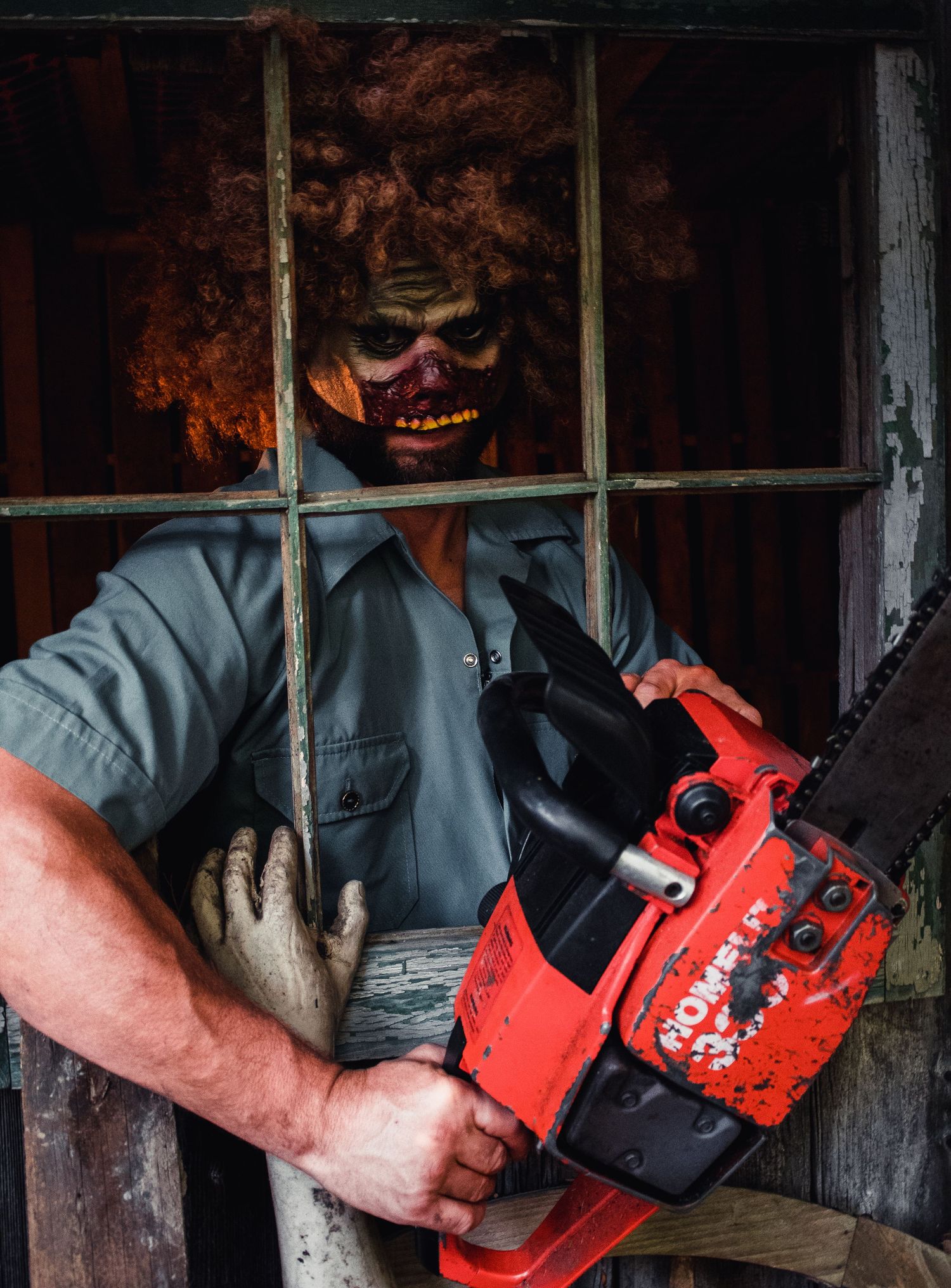
Being the Villain Is a Job, Not an Excuse
A well-played villain exists for others, not just for themselves.
Ask yourself:
Am I creating tension others can meaningfully respond to?
Or am I trapping people in scenes they can’t escape?
Is this villain advancing the story?
Or am I indulging in cruelty for its own sake?
If the primary enjoyment comes from making other players uncomfortable rather than engaged, something has gone wrong.
Villains are meant to be opposed, not obeyed.
Consent Is Non-Negotiable
Villain roles often involve:
Threats
Intimidation
Emotional manipulation
Violence
Moral degradation
Loss of autonomy
All of these require consent.
Responsible villain play includes:
OOC check-ins before intense scenes
Clear lines and veils
Respecting safewords and opt-outs immediately
Accepting “no” without retaliation—IC or OOC
Surprise is good for story.
Ambush is not good for trust.
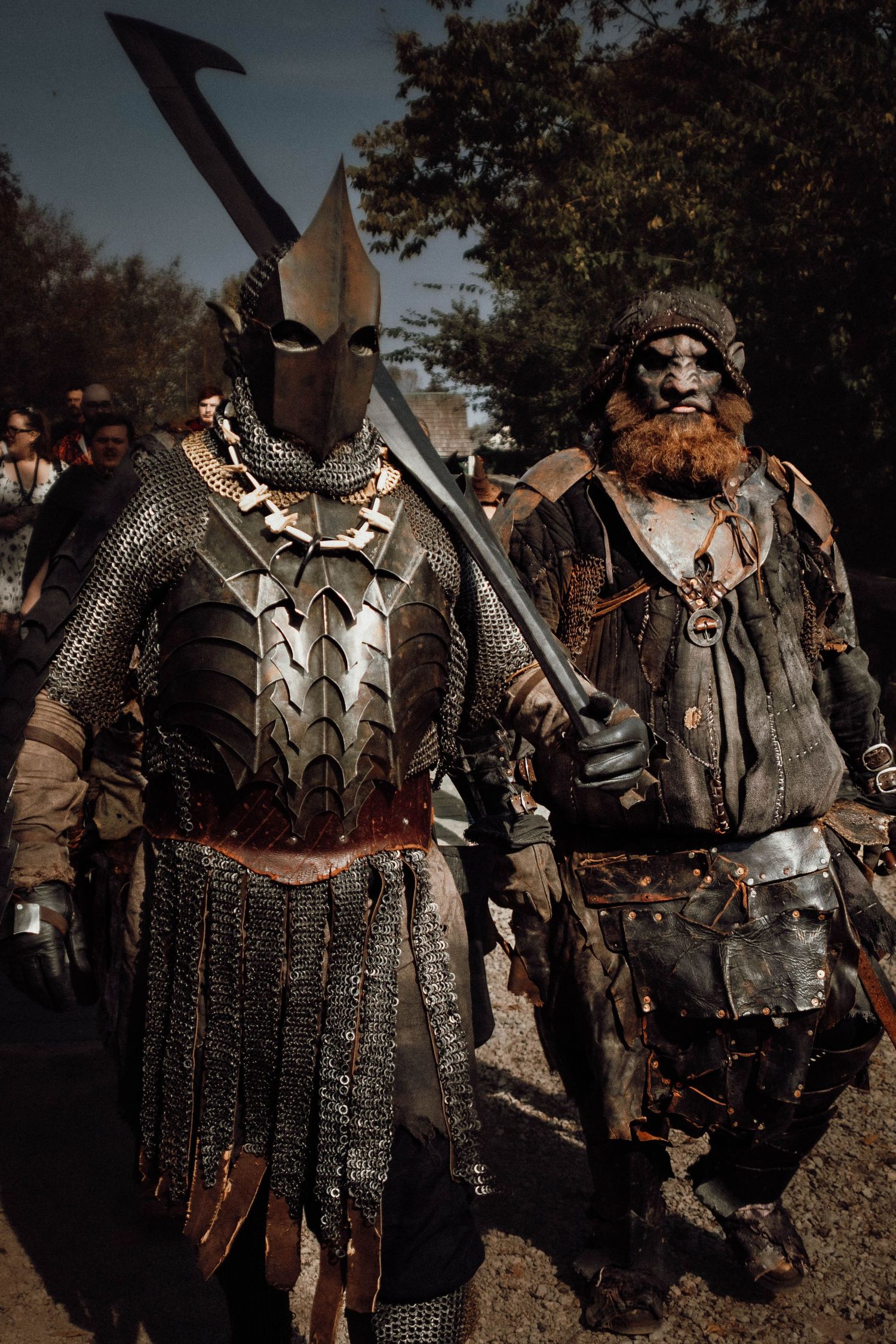
“It’s What My Character Would Do” Is Not a Defense
This phrase has ended more communities than any rules argument ever has.
Your character does not exist independently of you.
You choose:
When the villain escalates
Who they target
How far they go
Whether harm is symbolic or personal
If a behavior would be unacceptable OOC, it does not become acceptable because it’s written on a character sheet.
Villains Should Lose Or Change the World Trying
A villain who cannot be stopped is not compelling.
They’re exhausting.
Good villains:
Face resistance
Encounter setbacks
Are thwarted, exposed, wounded, or overthrown
Sometimes succeed but at cost
Loss is not failure.
Loss is story fuel.
If your villain always escapes consequences, you’re not playing a villain you’re monopolizing the narrative.
Avoid Target Fixation
Repeatedly targeting the same player or group especially if they are:
New
Marginalized
Socially isolated
Less powerful IC or OOC
…turns roleplay into harassment, even if unintentional.
Rotate targets.
Share the spotlight.
Let others breathe.
A villain should feel dangerous to the world—not like a personal tormentor.
Villain ≠ Abuser (Unless Carefully Negotiated)
There is a critical difference between:

Portraying abuse as part of a story
Enacting abusive dynamics on real people
Sexual violence, grooming, coercion, racism, and bigotry require explicit system approval and player consent and in many spaces, they are simply not appropriate at all.
If you are unsure:
Ask
Scale back
Choose a different expression of villainy
There are countless ways to be terrifying without being exploitative.
Keep IC Cruelty Out of OOC Spaces
Villain play stops when the scene ends.
That means:
No lingering insults
No “joking” intimidation
No post-scene guilt trips
No leveraging villain dynamics socially
If people can’t tell when you’ve stopped being the villain, you haven’t stopped.
Check Your Motivation Honestly
A difficult but necessary question:
Do I enjoy playing villains because I love storytelling… or because I like having power over others?
There’s no shame in stepping back from villain roles if the answer becomes uncomfortable.
The healthiest players know when to pause, recalibrate, or retire a character.
The Best Villains Are Remembered
Not Feared OOC
A responsible villain leaves players saying:
“That was intense—in a good way.”
“I hated them, but I loved the story.”
“I can’t wait to see what happens next.”
An irresponsible villain leaves silence, avoidance, and attrition.
One builds legends.
The other empties communities.
Villains are a gift to shared storytelling.
They are mirrors, catalysts, and crucibles but only when handled with care.
Play your villains boldly.
Play them thoughtfully.
And remember: the goal is not to break people.
It’s to give them something worth fighting.
Staff Resource / Workshop Handout
Playing Villains Responsibly
A practical guide for players, NPCs, unit leads, and staff at [EVENT NAME] to keep villain play intense, cinematic, and safe.
Core idea: Villains create story. They should never create real-world pressure, isolation, or harm.
The 6 Rules (Skimmable)
- Consent first. Check in before escalation. Respect opt-outs instantly.
- Create play, don’t remove it. Give choices, outs, and ways to push back.
- Punch up, not down. Avoid targeting those with less IC/OOC power.
- Villains take consequences. Losing is part of the job and makes legends.
- No target fixation. Rotate focus; don’t repeatedly “torment” the same player.
- IC ends when scene ends. No lingering intimidation or “jokes” that pressure OOC.
Safety Tools We Use
Staff should be able to explain these in one breath. Replace the bracketed items with your system.
At [EVENT NAME], you can always:
- [SAFETY TOOL]: Pause / adjust / fade-to-black a scene.
- [OPT-OUT METHOD]: Step away with no explanation required.
- [STAFF SIGNAL]: Get staff support immediately.
Staff note: what “good” looks like
- Players can stop/adjust a scene without being punished IC.
- Villain players check in before heavy intimidation, manipulation, or “no-win” threats.
- Escalation is gradual and reversible; nobody is trapped socially or narratively.
Pre-Scene Consent Script (30 seconds)
Use this before intense villain beats (threats, humiliation, coercion, interrogation, “capture,” etc.).
Quick check-in script:
“Hey—my character is about to get intense. Are you okay with threats / intimidation in this scene? Any hard no’s or things you’d rather fade-to-black? If you want to pause or adjust, just say [SAFETY TOOL].”
Alternate ultra-quick version
“This is a villain escalation scene—okay to proceed? Any no-go topics? You can call [SAFETY TOOL] anytime.”
Villain Play Checklist
Before the scene
- Do I have consent for the intensity level?
- Is there at least one clear out for players?
- Am I “punching up” (systems/peers) more than “punching down” (the vulnerable)?
- Have I avoided repeated targeting of the same person?
During the scene
- Am I offering choices (not traps)?
- Is my villain leaving space for others to act and speak?
- Am I watching for freeze/fawn responses (quiet compliance)?
- Am I escalating gradually—not jumping straight to maximum cruelty?
After the scene
- Do a quick debrief: “You good?”
- Reaffirm: “That was IC—no hard feelings.”
- If someone seems off, help them access staff support.
- Log any safety issues per [REPORTING PROCESS].
Red Flags Staff Should Intervene On
- No consent check-in before heavy intimidation/coercion.
- Target fixation: the same player(s) repeatedly singled out.
- No outs: scenes that corner players socially or narratively.
- OOC pressure: “You have to,” “It’s what my character would do,” “Don’t ruin the plot.”
- Blurring boundaries: intimidation continues out of scene, in chats, or socially.
- Taboo content appearing without explicit approval/consent (sexual violence, grooming, bigotry, etc.).
What staff can say (simple intervention lines)
- “Pause—let’s do a quick consent check.”
- “We need to add an out. What’s the exit route / alternative choice here?”
- “Dial intensity down one notch, or fade-to-black this beat.”
- “That’s drifting OOC. Keep it in scene or stop.”
- “We’re switching targets / rotating focus for balance.”
10-Minute Workshop Activity
- Pick a villain archetype: tyrant, cult leader, corrupt judge, warlord, inquisitor, seducer, etc.
- Write 3 “pressure moves” (what they do) and 3 player outs (how players can respond).
- Add consent gates: where do you check in, fade-to-black, or offer opt-outs?
- Plan consequences: how can the villain lose, be exposed, or be forced to retreat?
Example (ready to copy)
Archetype: Corrupt Magistrate
Pressure moves: threatens fines, “confiscates” items, demands a confession.
Player outs: bribe (with limits), appeal to higher authority, gather witnesses, challenge publicly.
Consequences: scandal breaks, rival replaces them, legal immunity revoked, forced retreat.
Staff Reporting & Follow-Up
If something crosses a line, the goal is stabilize first, then document, then follow up.
- Pause the scene using [SAFETY TOOL] / staff authority.
- Check the impacted player(s): “Do you need space, water, a staff escort, or to end this scene?”
- Redirect or end the villain beat without debate.
- Document basics (time, location, who, what happened, what action staff took).
- Follow [REPORTING PROCESS] and preserve confidentiality.
Reminder: Safety interventions are not “punishments.” They protect the community and keep the event playable.