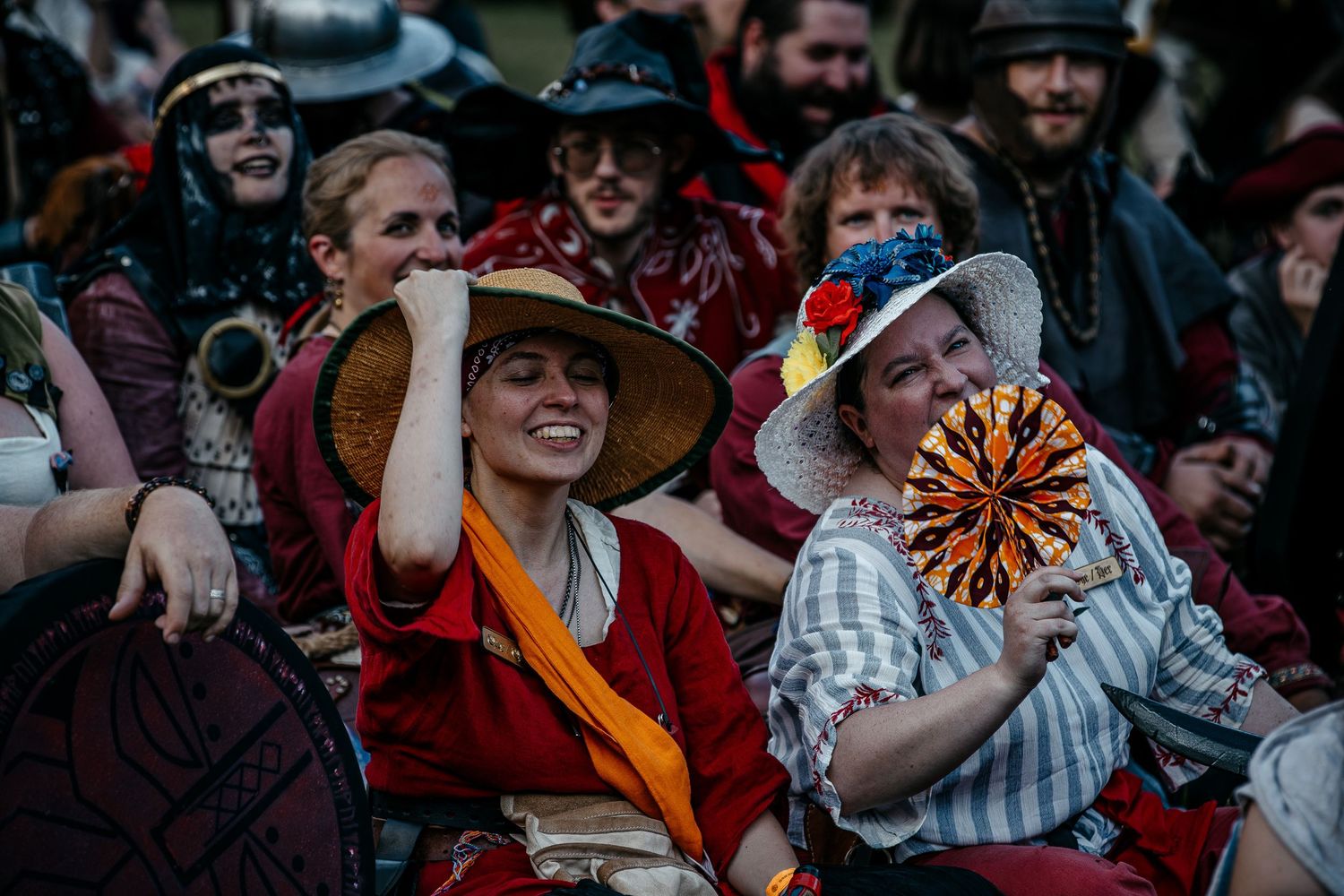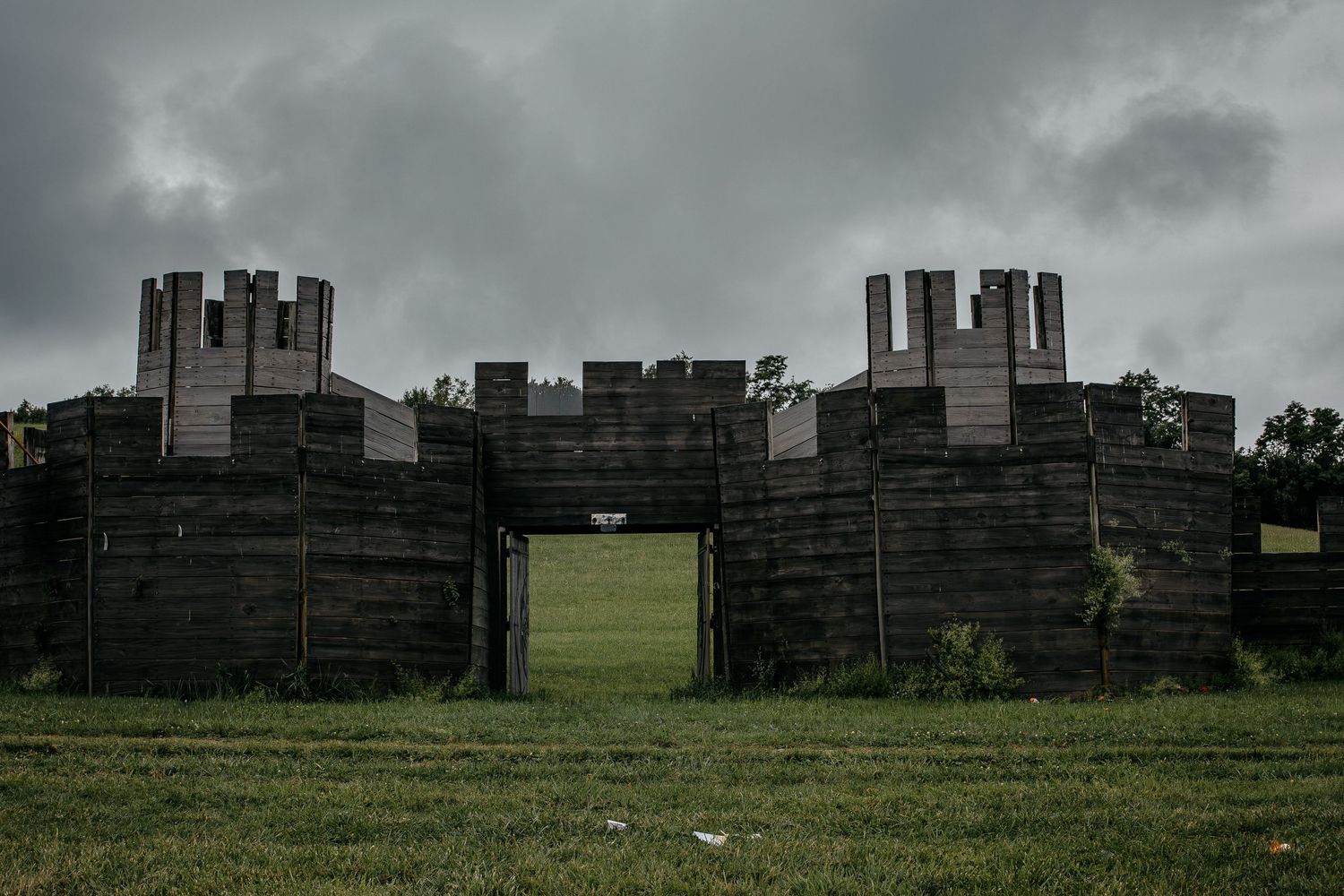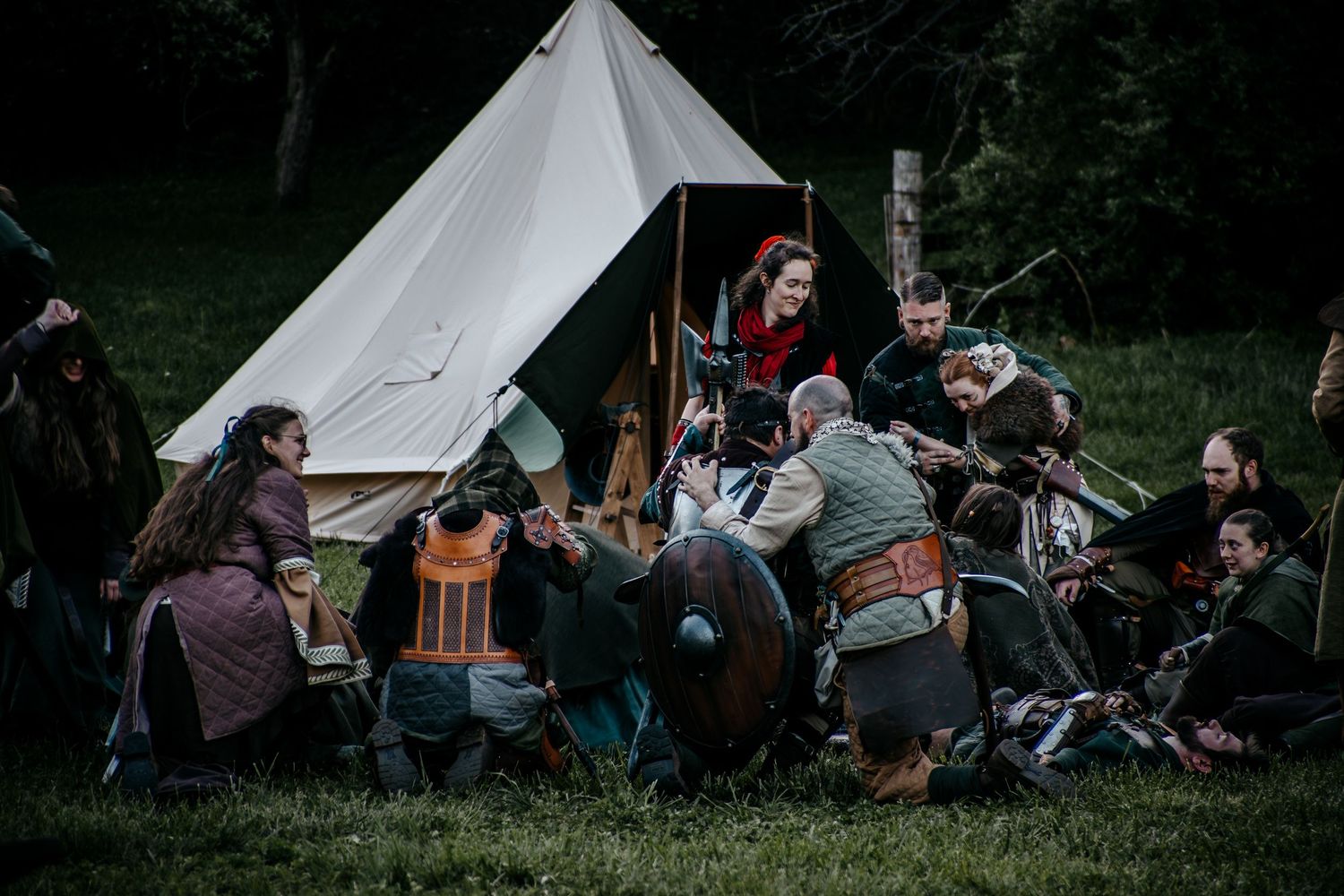
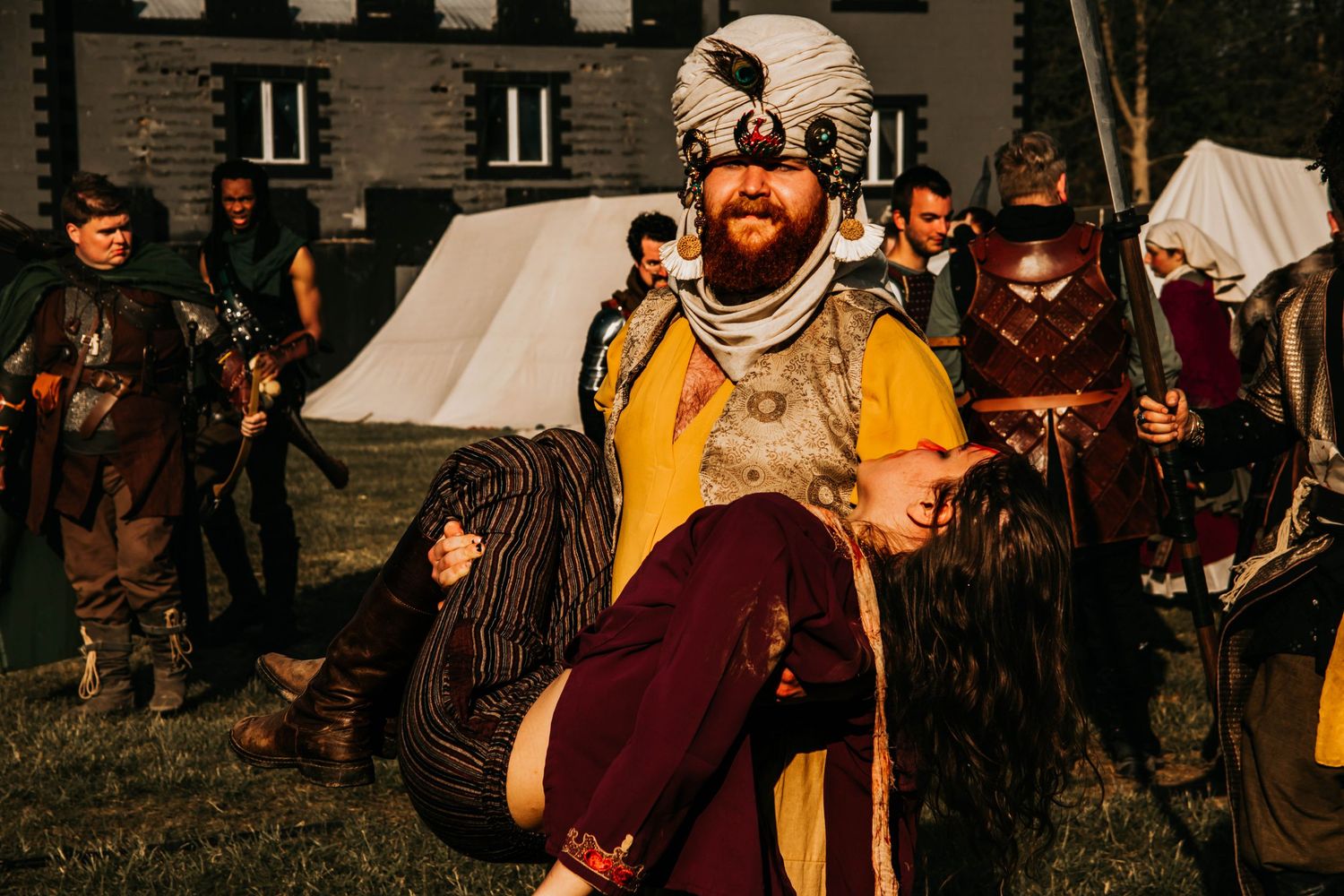
Fantasy combat should look epic clashing steel, flying cloaks, raw emotion but it should never put performers, players, or photographers at risk. Whether you’re staging a LARP battle, choreographing a cosplay duel, or capturing cinematic combat portraits, the goal is the same: sell the story without real harm.
This guide breaks down how we achieve big, dramatic visuals while keeping everyone safe, comfortable, and confident.
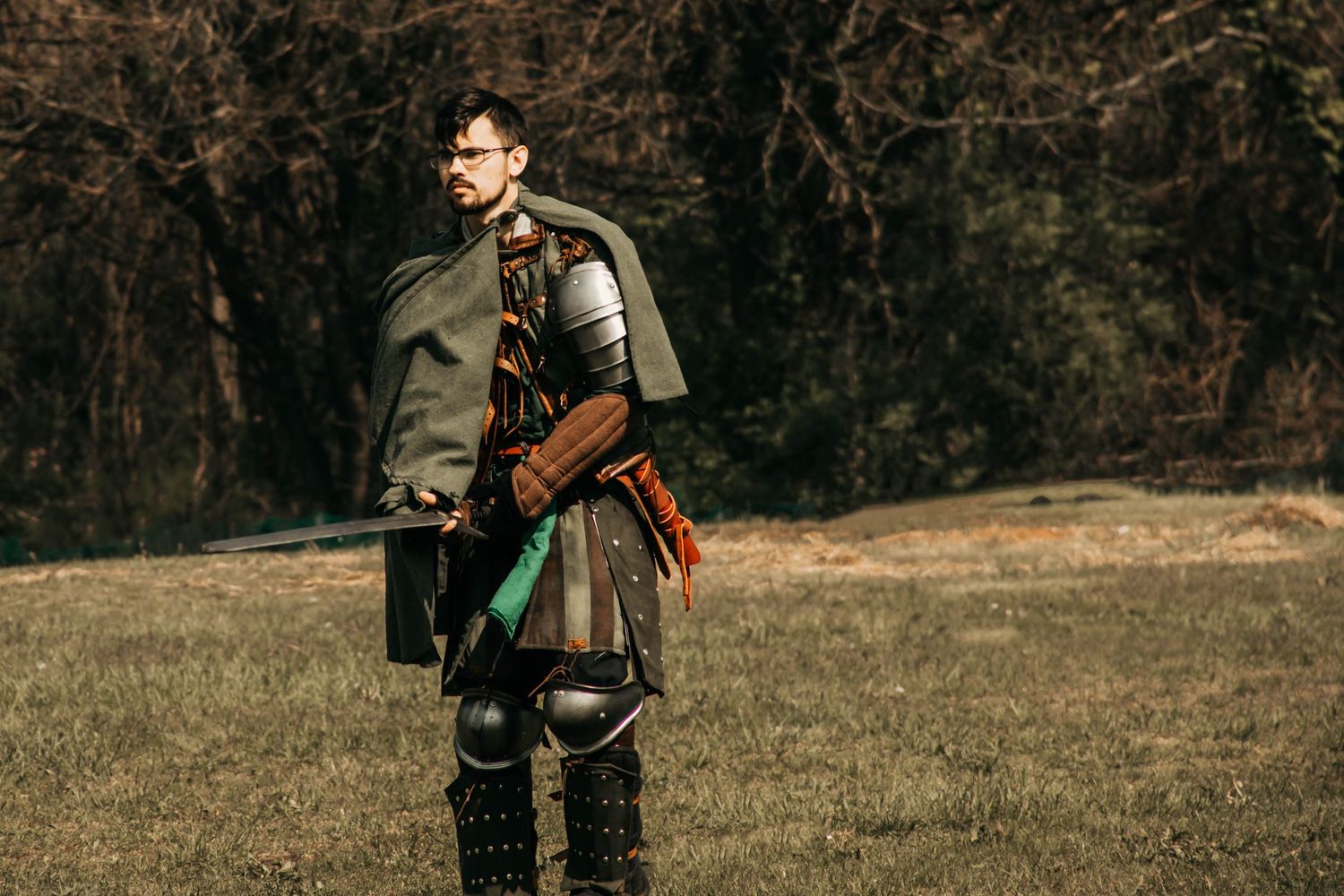
1. Cinematic Does Not Mean Real Force
One of the biggest misconceptions is that harder hits look better on camera. They don’t.
Camera angles, timing, and reaction sell impact far more effectively than actual force. A well-placed swing that misses by inches but lands in-frame will always read as more powerful than a real strike pulled at the last second.
Rule of thumb: If it would hurt in real life, it’s not cinematic it’s dangerous
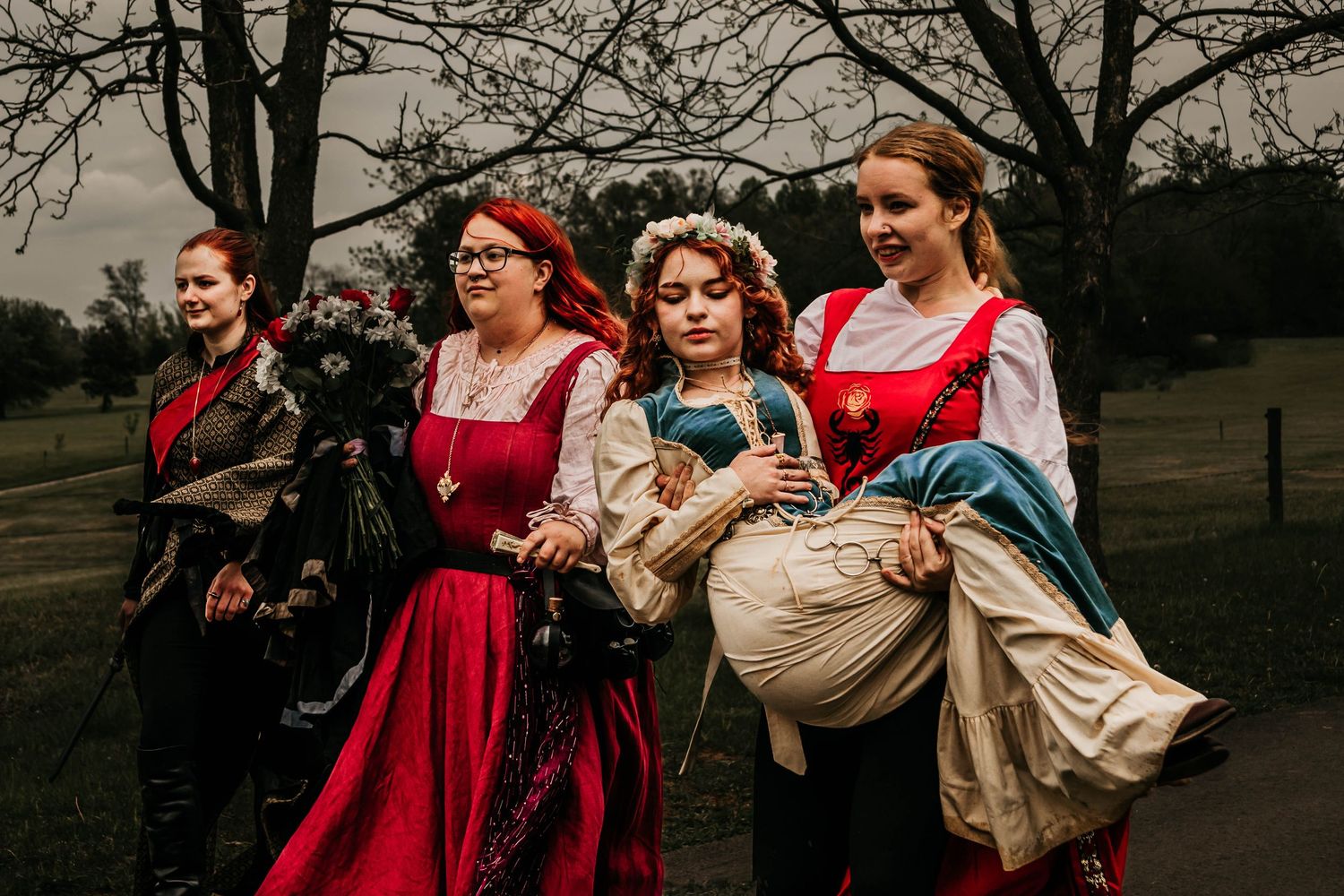
2. Choreography Over Chaos
Even “messy” battles benefit from structure.
Before combat begins, establish:
Who initiates
Where major beats happen (charges, falls, disarms)
Safe distances and weapon paths
Clear end signals
This doesn’t remove spontaneity it creates controlled freedom. When performers know the beats, they can play harder within safe limits.
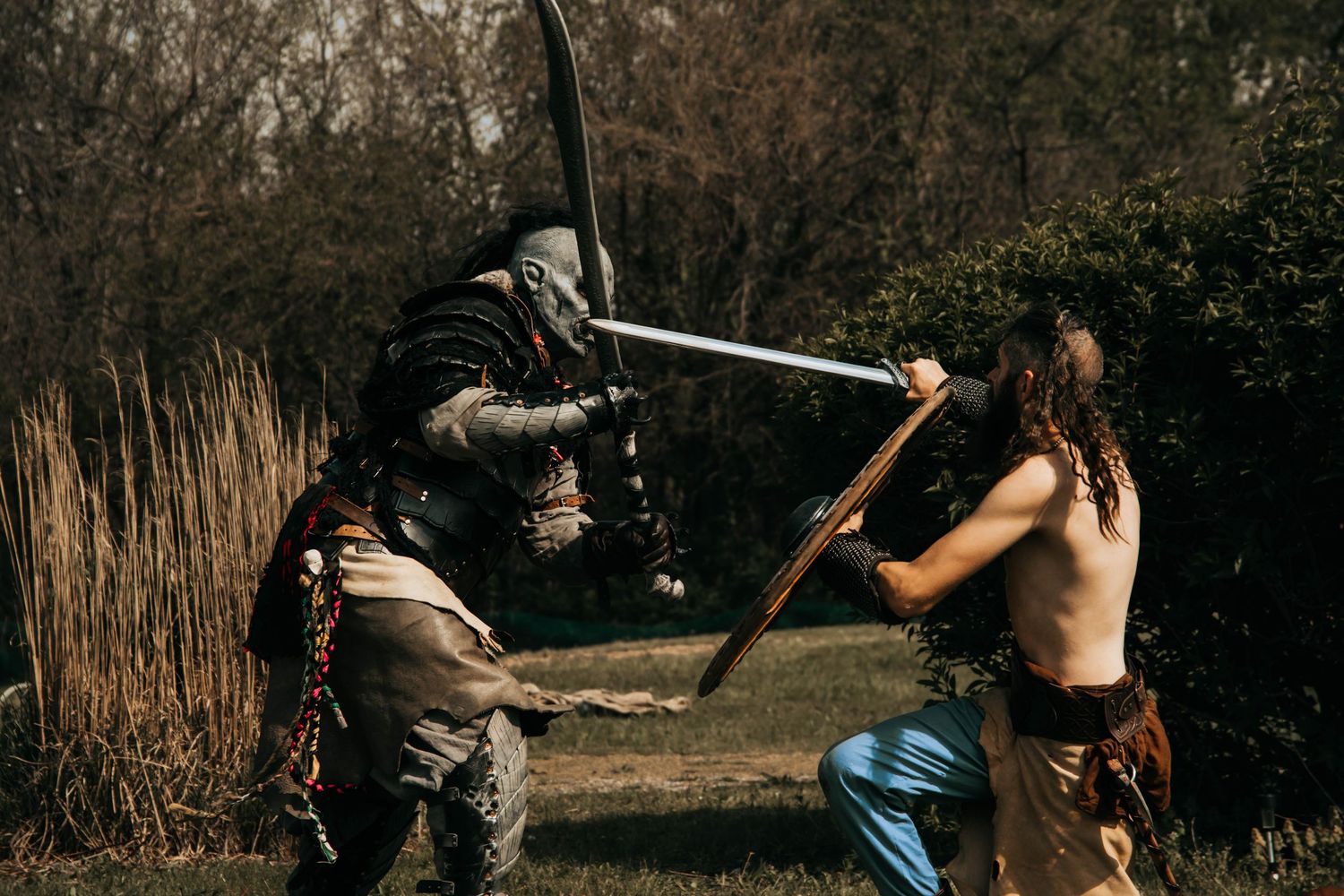
3. Sell Impact With Body Language
The camera reads reaction more than contact.
Encourage combatants to:
Turn shoulders or hips into hits
Whip cloaks, hair, or tabards
Snap heads and torsos on “impact”
Use breath, growls, or shouted exertion
A missed strike plus a powerful reaction looks devastating on camera.
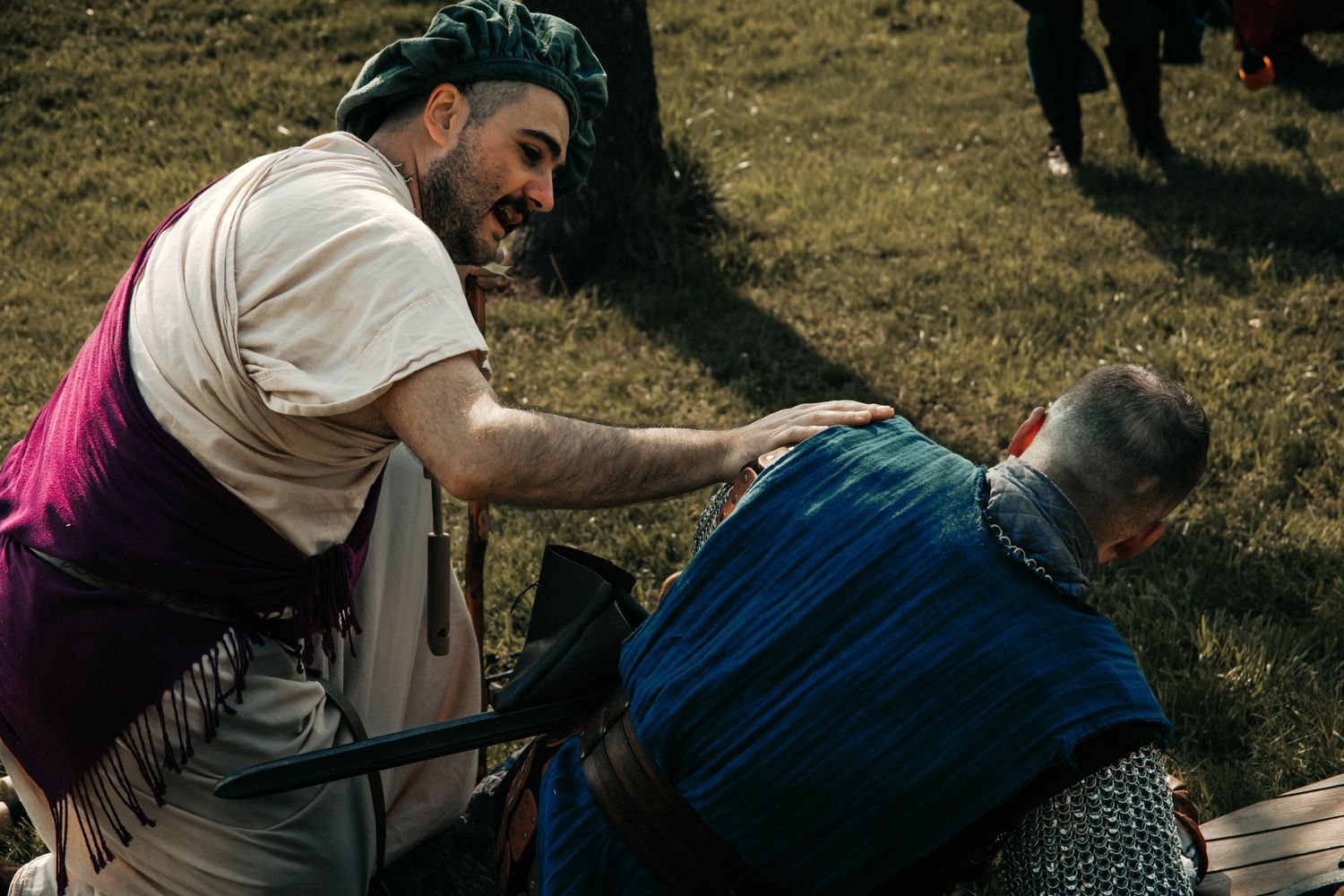
4. Weapon Awareness Is Non‑Negotiable
Every weapon has a danger zone even foam or latex.
Key safety habits:
Never swing blindly
Keep tips and edges tracked at all times
Avoid head, neck, spine, and joints unless explicitly choreographed and approved
Slow down near photographers or bystanders
If you don’t know where your weapon is, stop..
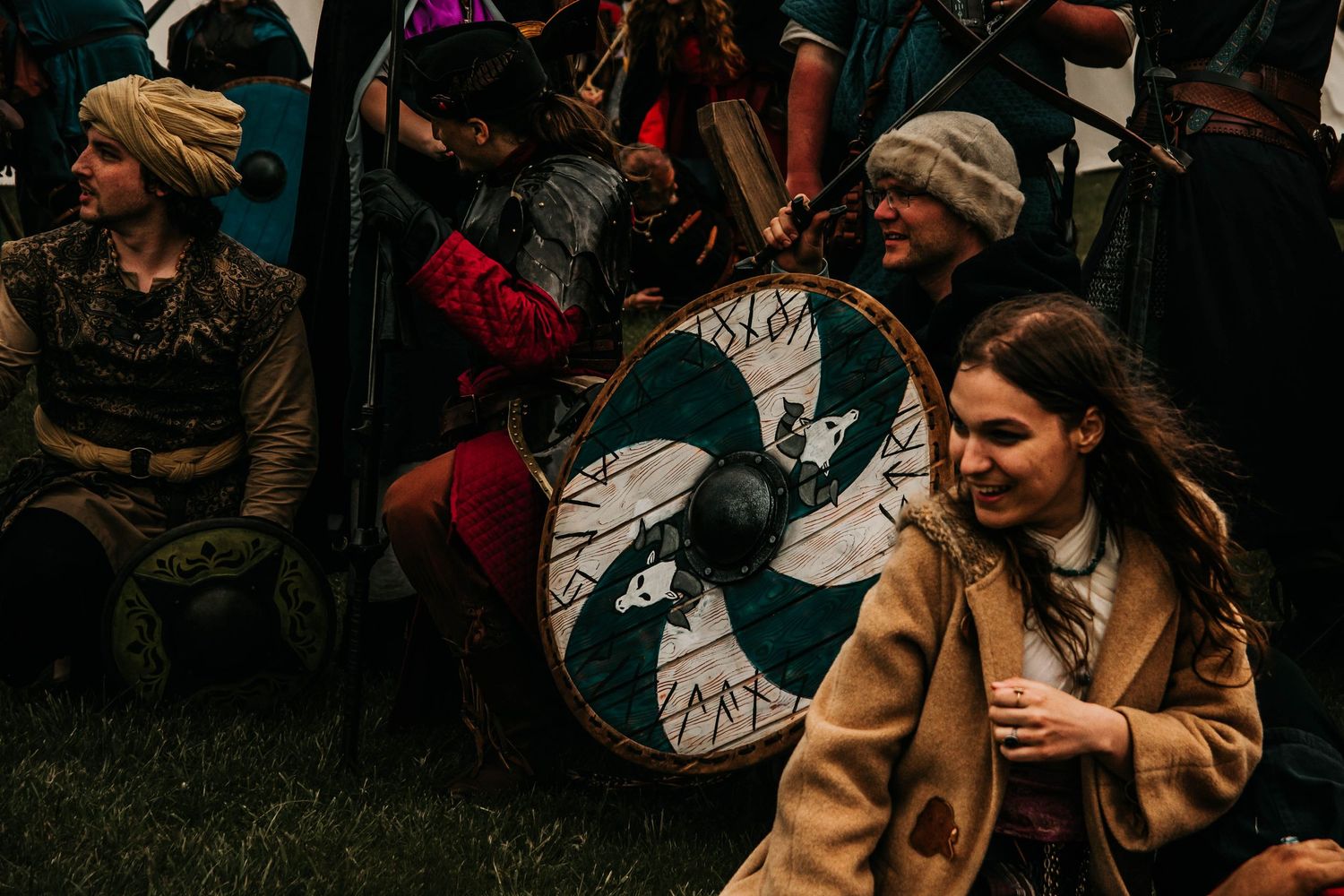
5. Camera Angles Do the Heavy Lifting
Good angles create the illusion of danger.
As a photographer, I position myself to:
Stack combatants so weapons pass in front of faces
Shoot low for power and dominance
Let foreground weapons blur past the lens
Use longer focal lengths to compress distance
What looks safe from the side can look brutal straight-on
6. Trust and Consent Come First
No cinematic moment is worth breaking trust.
Before combat shots:
Confirm comfort levels
Ask about injuries or limitations
Establish opt‑out signals
Respect hard no’s without question
When people feel safe, they perform better and it shows.
7. Use the Environment (Not Each Other)
Want intensity? Let the world take the hit.
Slam weapons into trees, shields, or the ground
Kick up dirt, leaves, snow, or ash
Use terrain for elevation and power stances
Environmental interaction adds violence without endangering bodies.
8. Less Speed, Better Timing
Fast is risky. Sharp is cinematic.
Slowing strikes slightly:
Improves accuracy
Keeps distances clean
Gives cameras time to capture the moment
Speed can be added later through editing, shutter choice, and sequencing but injuries can’t be undone
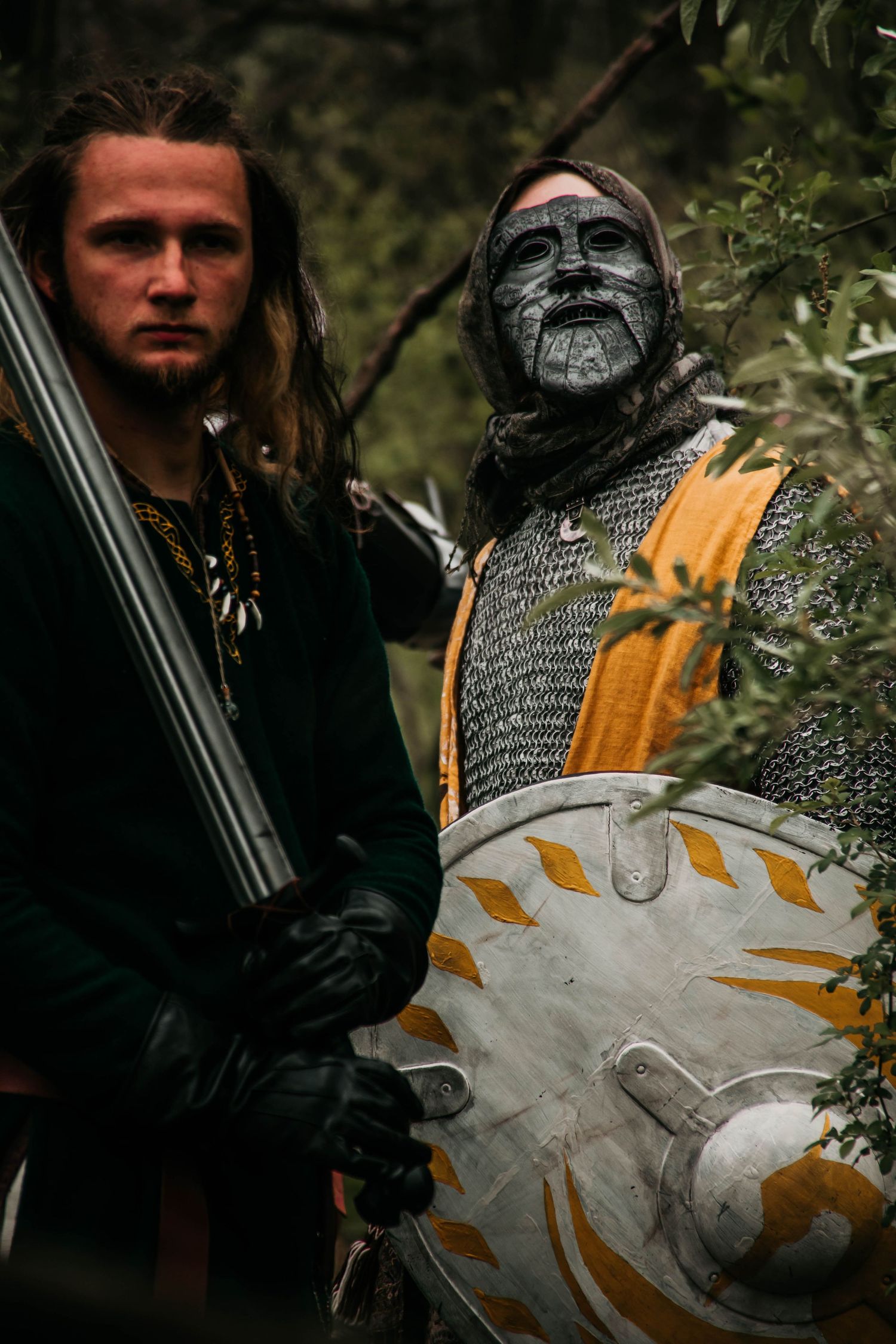
9. Edit for Drama, Not Deception
Post‑processing should enhance mood, not fake harm.
High contrast and directional light emphasize tension
Motion blur adds energy
Color grading sets tone (gritty, heroic, mythic)
The story should feel dangerous even when the process is safe.
Final Thought: Safety Is What Makes It Legendary
The most cinematic combat images come from performers who trust each other and photographers who respect the space.
When safety is prioritized, people commit harder, emotions run deeper, and the final images feel real without anyone getting hurt.
Epic doesn’t require blood.
It requires intention..
If you’re planning combat-heavy sessions, LARP coverage, or cinematic character portraits and want them to look powerful and safe, this approach is at the core of how I shoot.