
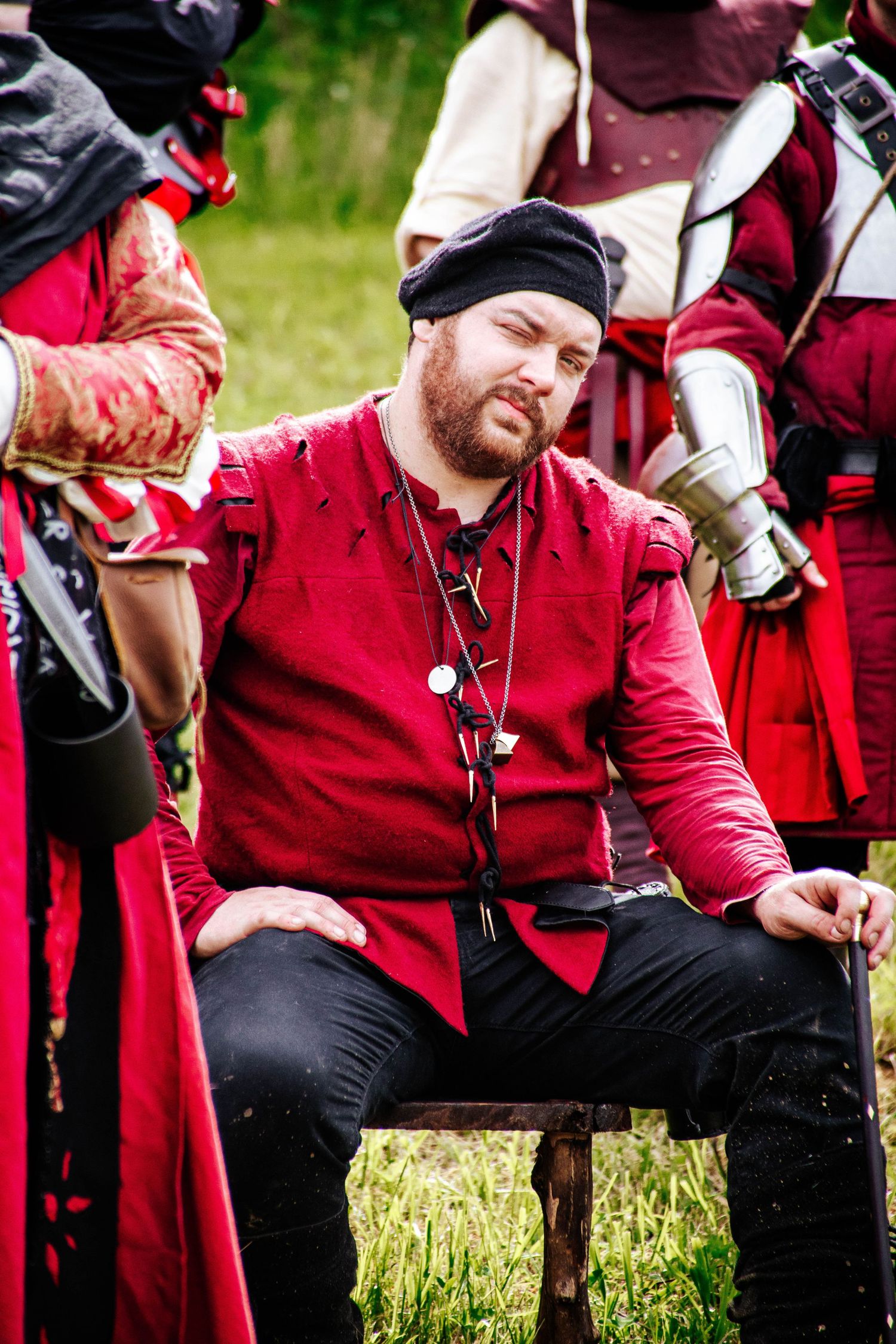
Honoring the story instead of forcing the page
Every character we play whether in LARP, tabletop, RP forums, MMOs, or long-form storytelling becomes more than just a name and stats. They carry memories, relationships, scars, triumphs, and pieces of us. That’s exactly why knowing when to retire a character can feel so difficult… and yet, so powerful.
Retiring a character isn’t failure. It’s often the most respectful ending you can give a story.
Why Character Retirement Matters
Stories thrive on meaning. When a character lingers without growth, consequence, or purpose, their arc can slowly flatten.
Retirement allows you to:
Preserve the integrity of their journey
Avoid repetitive or stagnant roleplay
Make space for new growth both creatively and emotionally
Honor what the character has already survived or achieved
A well-timed retirement can transform a character from “ongoing” to legendary.
Signs It May Be Time to Let Them Rest
1. Their Core Arc Is Complete
Ask yourself: What was this character meant to become?
If they’ve resolved their main internal conflicts, achieved their defining goals, or found peace (or ruin), their story may already be whole.
A finished arc doesn’t need constant extension.
2. You’re Repeating the Same Beats
If every plot feels like a remix of past trauma, victories, or conflicts, that’s often a signal the character has said what they needed to say.
Repetition dulls impact for both you and those interacting with them.
3. Playing Them Feels Heavy, Not Meaningful
There’s a difference between emotional weight and emotional drain.
If stepping into the character feels exhausting, forced, or obligatory rather than immersive, your connection may be fading.
Listening to that feeling is not quitting it’s awareness.
4. The World Has Changed Around Them
Settings evolve. Communities shift. Campaign tones change.
Sometimes a character no longer fits the story being told, and forcing them into it can feel unnatural for everyone involved.
Characters don’t have to outlive their era.
5. You’re Protecting Them From Growth or Consequences
If you find yourself avoiding risks because you “can’t let anything happen to them,” that’s often a sign their journey is complete or that you’re afraid of the ending.
Growth requires vulnerability. When that’s no longer possible, retirement may be the kinder choice.
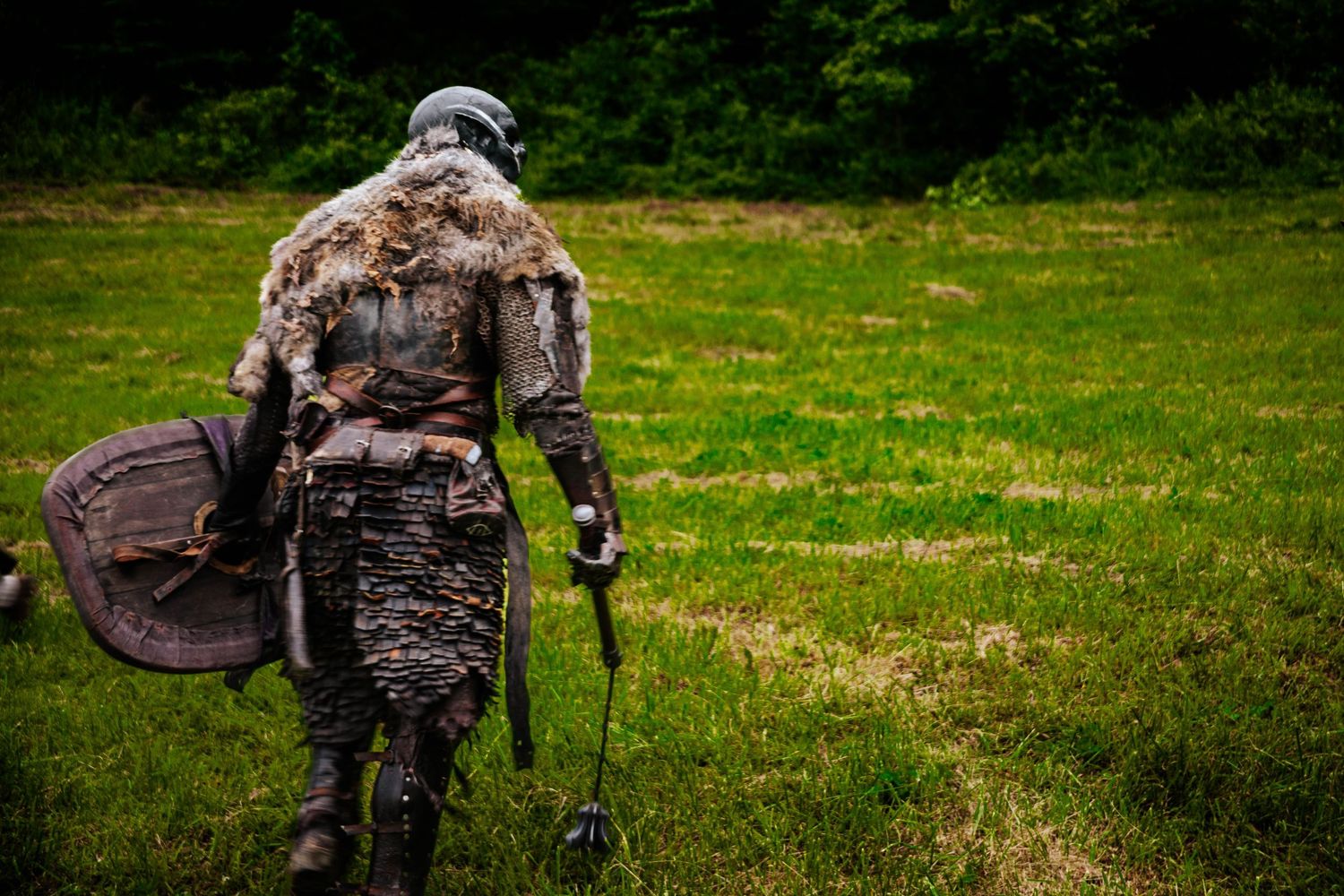

Retirement Doesn’t Mean Erasure
A retired character doesn’t disappear they transform.
They might:
Become an NPC, mentor, or legend
Live off-screen in peace, exile, or power
Be referenced through stories, artifacts, or reputation
Return briefly for meaningful moments rather than constant presence
Some characters shine brightest after their final chapter.
Choosing the Right Ending
Not every retirement needs to be dramatic or tragic.
Endings can be:
Quiet and earned
Bittersweet
Victorious
Open-ended
Intentionally unresolved
The goal isn’t spectacle it’s truth to the character.
Ask:
What ending feels honest?
What would they choose, not just me?
What emotion do I want to leave behind?
Making Space for What Comes Next
Retiring a character opens creative doors:
New perspectives
New risks
New identities
New stories that couldn’t exist before
You don’t lose depth by letting go you carry it forward.
Characters are not meant to last forever.
They are meant to matter.
Knowing when to retire a character is an act of respect for the story, for the world, and for yourself as a creator. Sometimes the bravest thing you can do isn’t to keep playing… but to let the final chapter stand.
Because some stories deserve to end exactly where they do.