

Whether you’re deep in a tabletop campaign, immersed in a LARP, or roleplaying online, a character journal or campaign log is one of the most powerful tools you can use to elevate your play. It’s part memory aid, part creative outlet, and part emotional anchor that keeps your character alive between sessions.
Below is a practical, immersive guide to why character journals matter and how to keep one that actually enhances your game without turning it into homework.
Why Keep a Character Journal?
1. Preserve Continuity & Lore
Campaigns stretch across months or years. A journal helps you remember:
NPC names and motivations
Political factions and alliances
Promises made (or broken)
Long-term consequences of your actions
Instead of asking “wait, who was that again?”, your character remembers.
2. Deepen Character Voice & Growth
Writing in-character sharpens how your character thinks, speaks, and reacts.
Over time, you’ll see:
Shifts in worldview
Trauma and healing arcs
Moral compromises
Confidence, doubt, or corruption creeping in
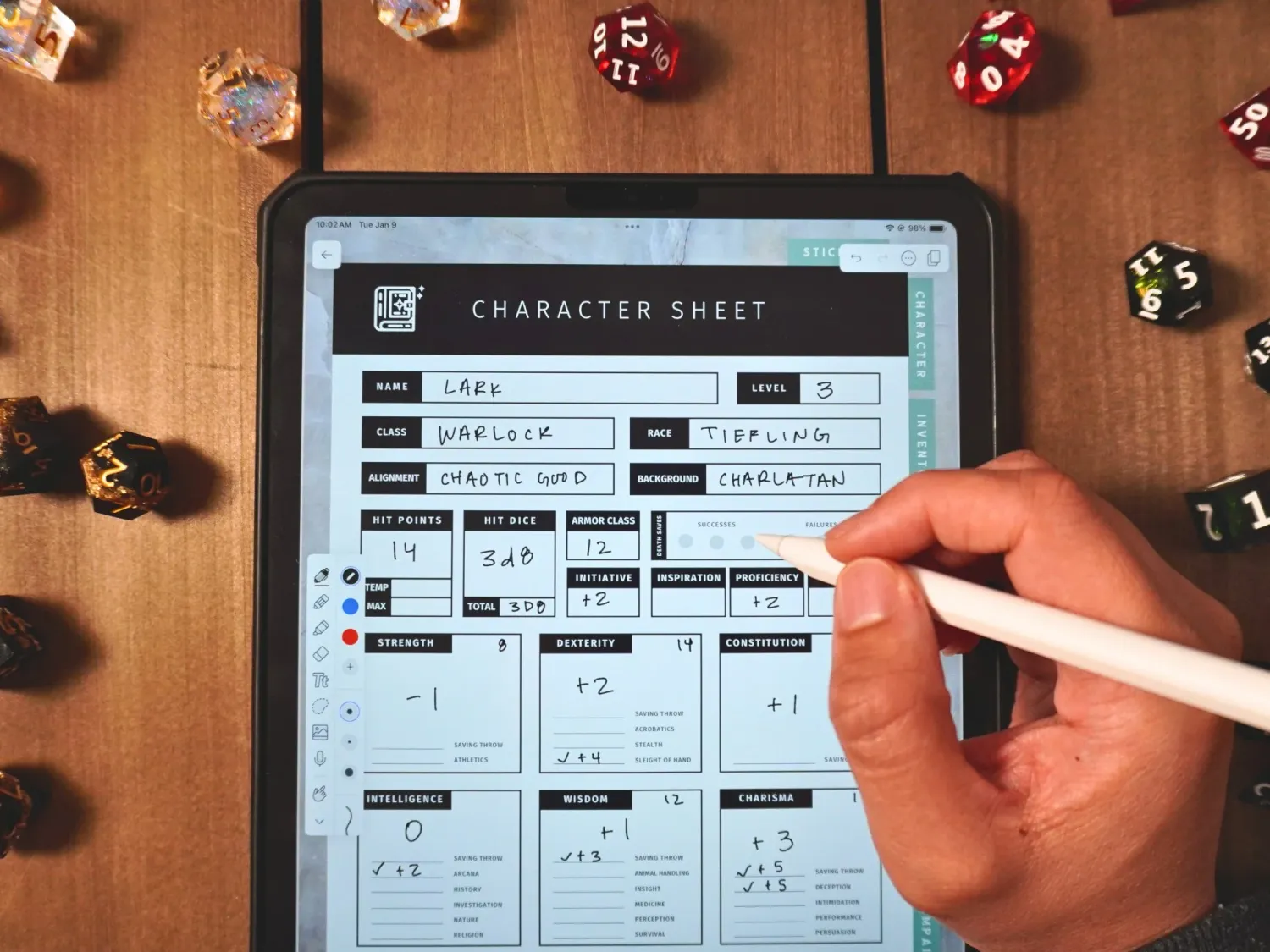
Your character stops being a stat sheet and becomes a person with history.

3. Emotional Processing (In-Character, Not You)
Heavy scenes happen: betrayal, loss, failure, guilt.
A journal gives your character space to:
Vent rage
Rationalize bad choices
Mourn fallen allies
Justify morally gray decisions
This keeps emotional bleed manageable while still honoring the story.
4. Stronger Roleplay Hooks
Journals naturally generate:
Future goals
Revenge motives
Romance tension
Political ambitions
They give you something to play toward, not just react with.
What Should a Character Journal Include?
You don’t need to write everything. Pick what serves your playstyle.
Session Entries
After each game, write:
What happened (brief summary)
What mattered to your character
How they felt about it
Even 3–5 bullet points is enough.
Character Thoughts & Reflections
Use first-person when possible:
Fears they won’t admit aloud
Opinions about party members
Doubts about leadership or faith
This is where personality lives.
NPC & Faction Notes
Track relationships:
Who they trust
Who they fear
Who they want dead (or in their debt)
Add symbols, nicknames, or insults your character would use.
Goals & Ongoing Threads
Keep a running list:
Short-term objectives
Long-term ambitions
Unresolved story hooks
This helps you stay proactive instead of reactive.
Style Options: Make It Yours
Your journal doesn’t have to be a diary.
Letters never sent
Battle reports or commander logs
Prayer entries or devotionals
Sketches with notes
Fragmented thoughts after trauma
Messy, dramatic, poetic, blunt all valid
Physical vs Digital Journals
Physical Journals
Best for:
Immersion
LARP props
Handwritten emotion
Tips:
Don’t aim for perfection
Let pages get messy
Use symbols or shorthand
Digital Journals
Best for:
Searchability
Long campaigns
Sharing excerpts with GMs or players
Tools:
Google Docs
Notion
Obsidian
Private Discord channels
You can even mix both.
Low-Effort Prompts (When You’re Tired)
Use one prompt per session:
“The moment I can’t stop thinking about is…”
“I trusted someone today and I shouldn’t have.”
“If I died tomorrow, I would regret…”
“I told them the truth, but not the whole truth.”
One paragraph is enough.

Sharing (Optional but Powerful)
You don’t have to share but if you do:
Share excerpts with your GM
Exchange journals with another player in-character
Reveal entries after major story arcs
This can unlock deeper collaborative storytelling.
A character journal isn’t about writing skill or length. It’s about attention.
When you give your character space to think, remember, and feel, they reward you with richer roleplay, stronger choices, and moments that hit harder.
Write messy. Write honestly. Write like your character is trying to survive the story.
And then go make decisions they’ll have to live with.