Because your character deserves to be remembered as more than a blurry action shot.
LARP is storytelling in motion. It’s choices made under pressure, alliances forged by firelight, betrayals whispered behind canvas walls, and moments of quiet reflection before the next battle horn sounds.
Photography isn’t just about documenting that it happened.
It’s about preserving the narrative you’re living.
Whether you’re a brand-new adventurer or a veteran whose character has survived years of campaigns, here’s how to intentionally tell your LARP story through photos and walk away with images that feel like stills from a legend, not snapshots from a weekend event.
1. Know Your Character’s Story (Before the Camera Ever Comes Out)
Ask yourself:
Who is my character right now?
What have they lost, gained, or learned recently?
Are they confident? Broken? Rising? On the brink of corruption?
What relationships define them?
A character fresh from tragedy will photograph differently than one basking in victory. A leader carries themselves differently than a spy, healer, or outcast.
When you understand your character’s emotional state, it shows in:
Posture
Expression
Where you place your hands
How you interact with others
💡 Pro tip: You don’t need a full backstory monologue just one emotional keyword (vengeful, hopeful, guarded, devoted) can guide an entire session
2. Think in Scenes, Not Poses
LARP photography shines when it feels unposed but intentional.
Instead of asking:
“What pose should I do?”
Try:
What is my character doing right now?
Who are they waiting for?
What decision are they wrestling with?
What happens just before or just after combat?
Great story-driven moments include:
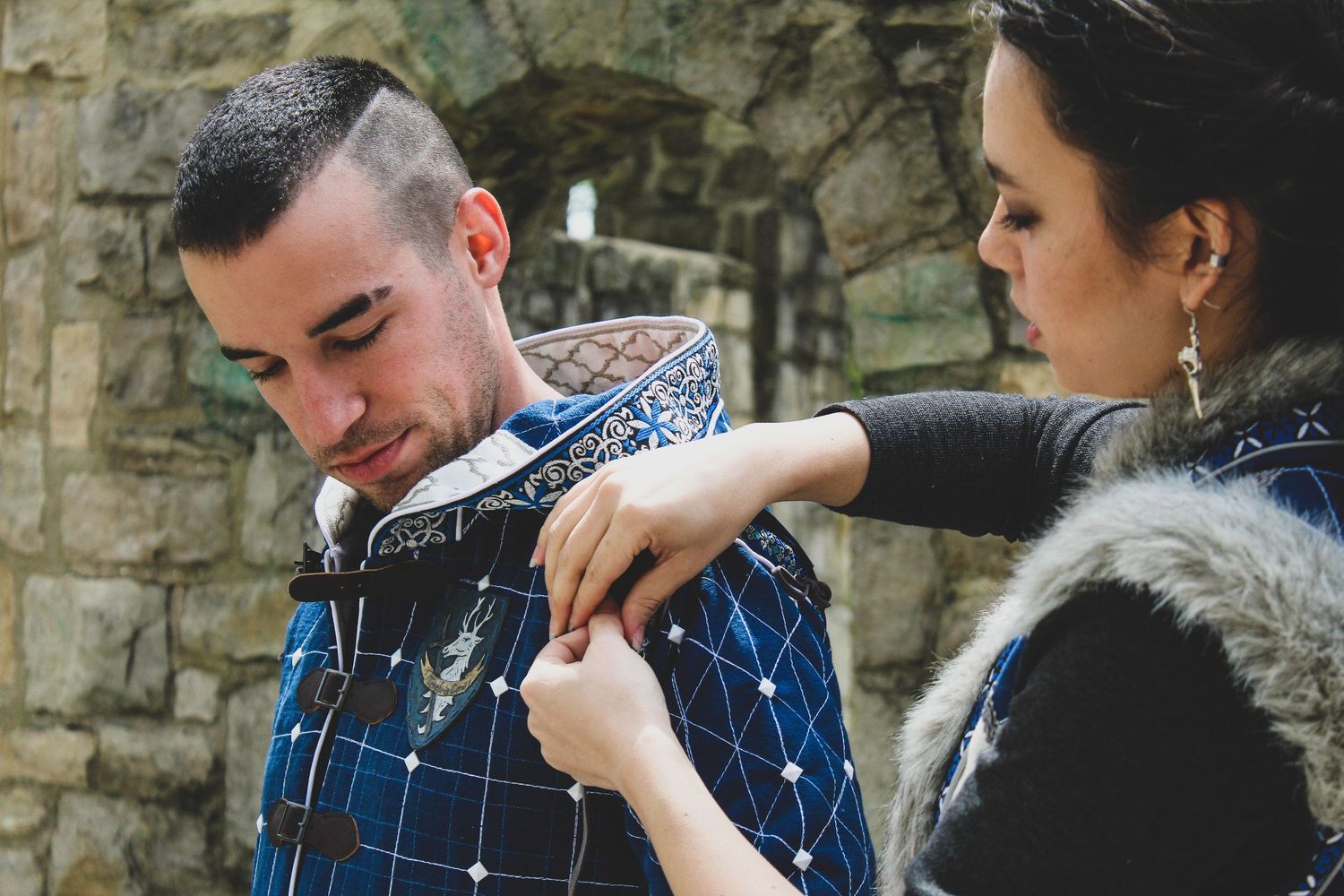
Tightening armor straps before a fight
Cleaning blood from a blade
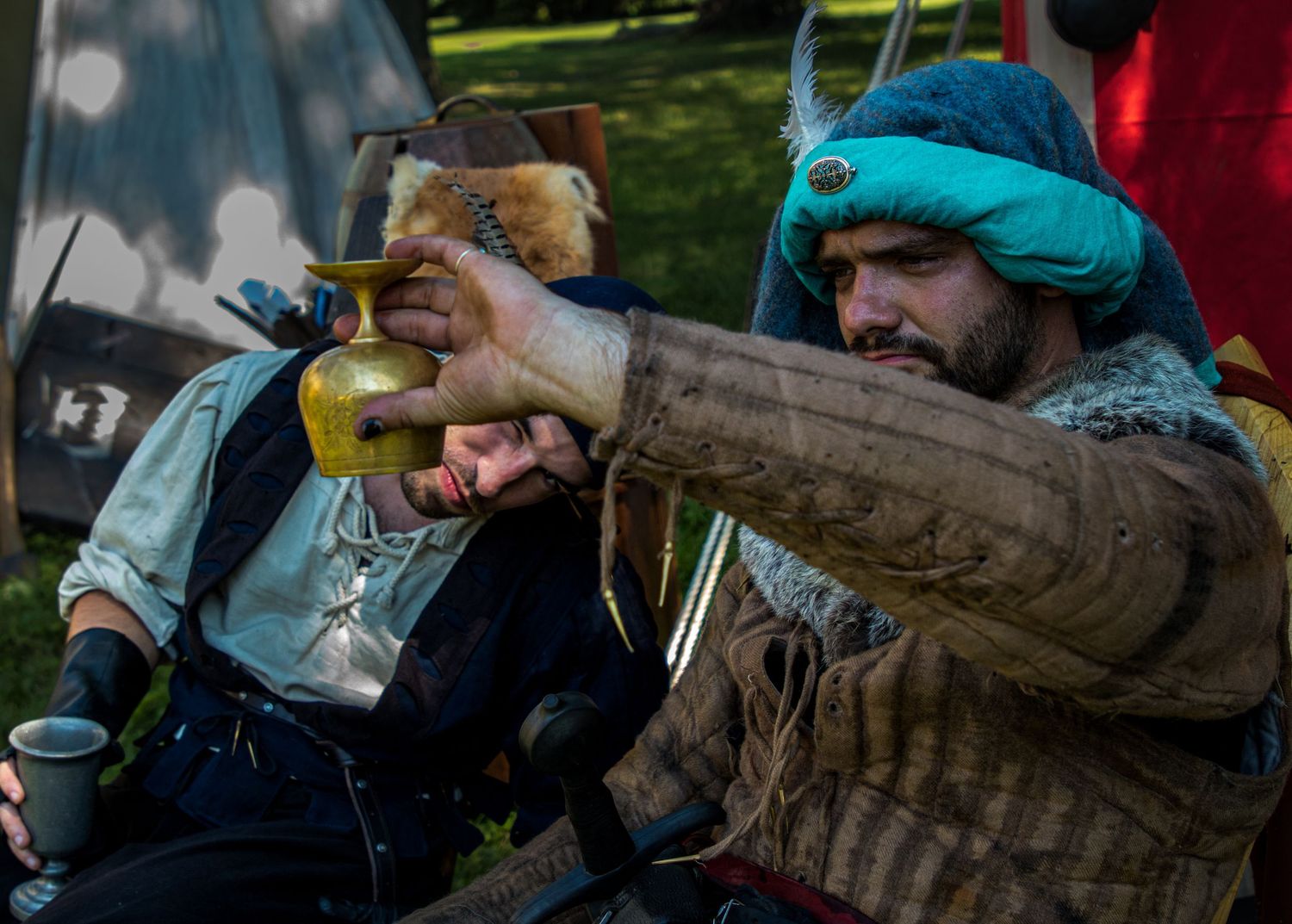
Laughing around a fire with allies
Standing alone at dawn after a long night
Locking eyes with a rival across camp
These moments feel real because they are real.
3. Let Environment Become Part of the Narrative
Your setting is not a backdrop it’s a character.
Forests, castles, muddy fields, torchlit paths, foggy mornings, tattered tents… all of these add context and mood to your story.
Pay attention to:
Where light naturally falls
How your character interacts with space
Whether the environment supports your current arc
A fallen knight framed by ruins tells a very different story than one standing tall on a battlement.
🌿 Environmental storytelling is what separates “cool photos” from “cinematic worldbuilding.”
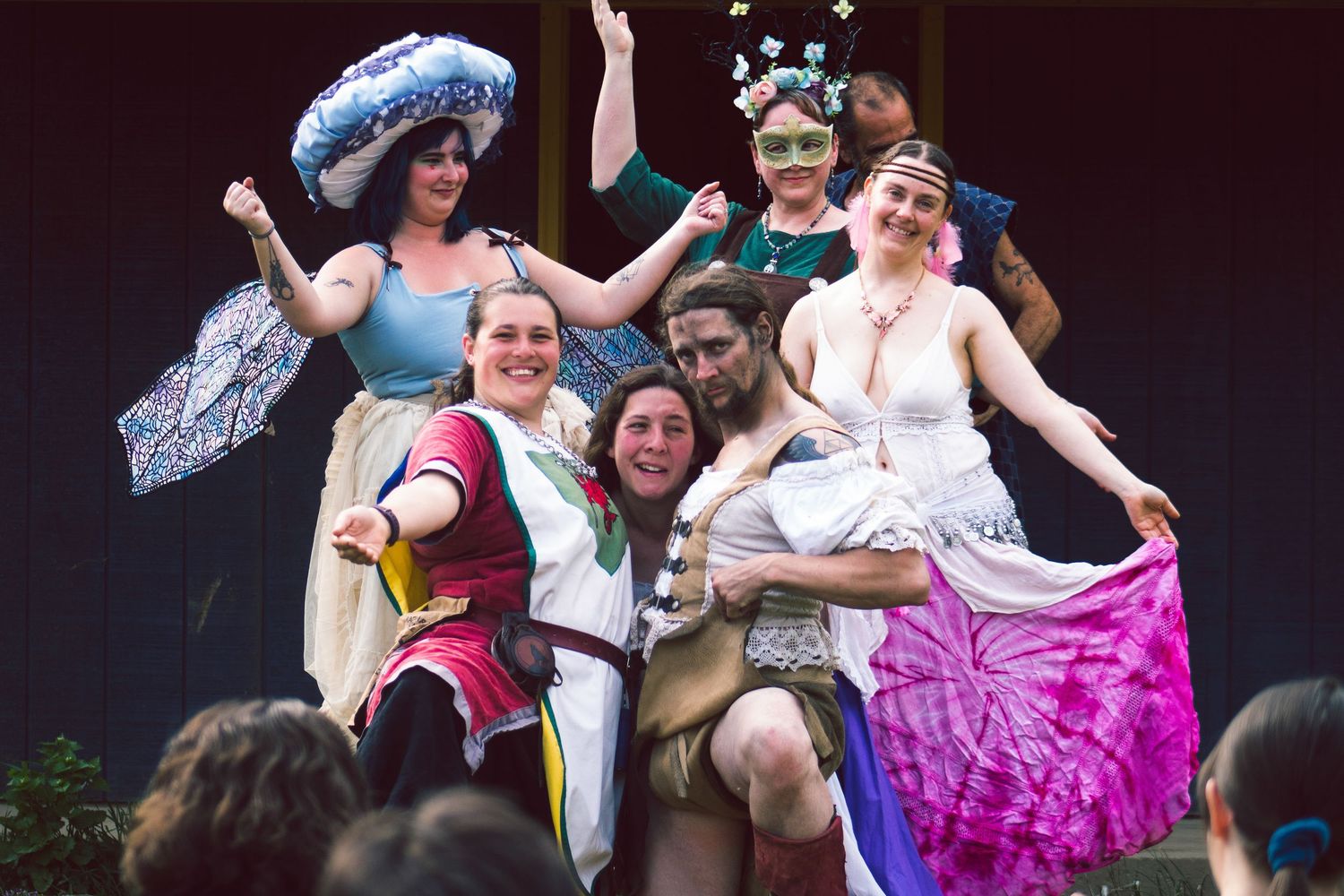
4. Your Costuming Tells a Chapter of the Story
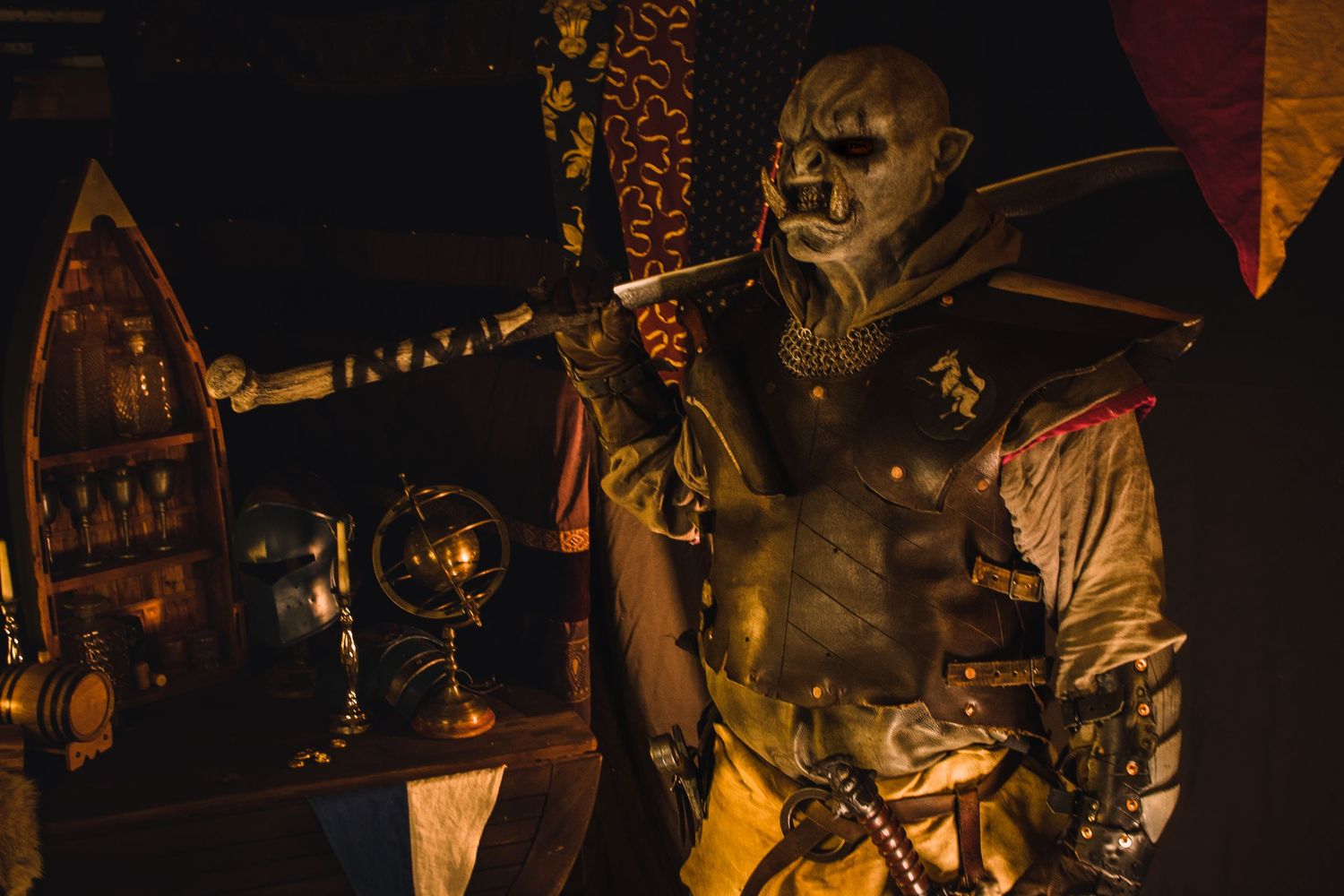
LARP costuming evolves and your photos should reflect that evolution.
Details matter:
Worn leather vs pristine armor
New symbols earned in play
Scars, dirt, blood, ritual markings
Upgraded gear after a major plot arc
Let the wear show. Let the damage stay.
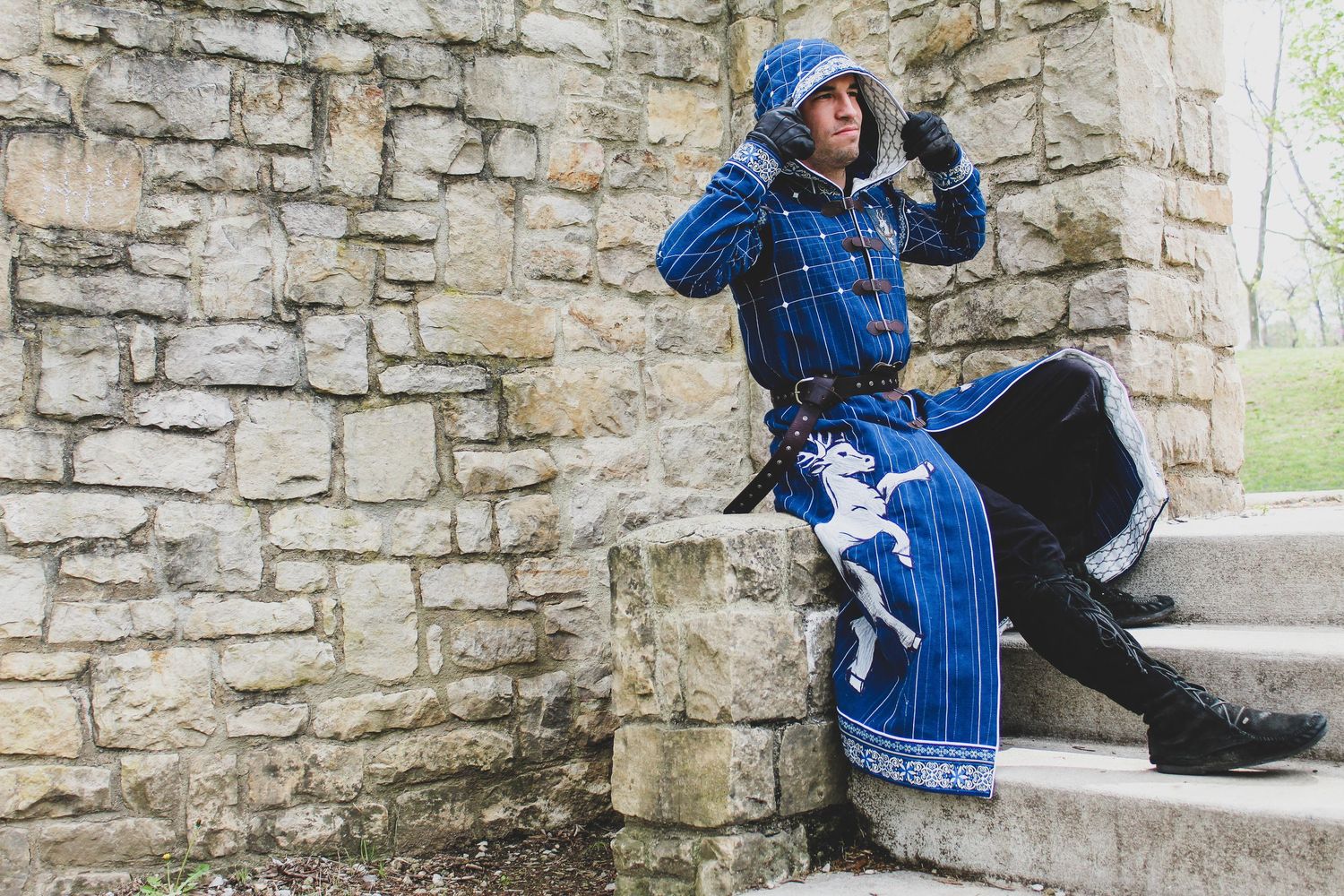
A slightly frayed cloak often says more than a brand-new one.
If your character has changed, your visuals should change too.
5. Relationships Are the Heart of the Story
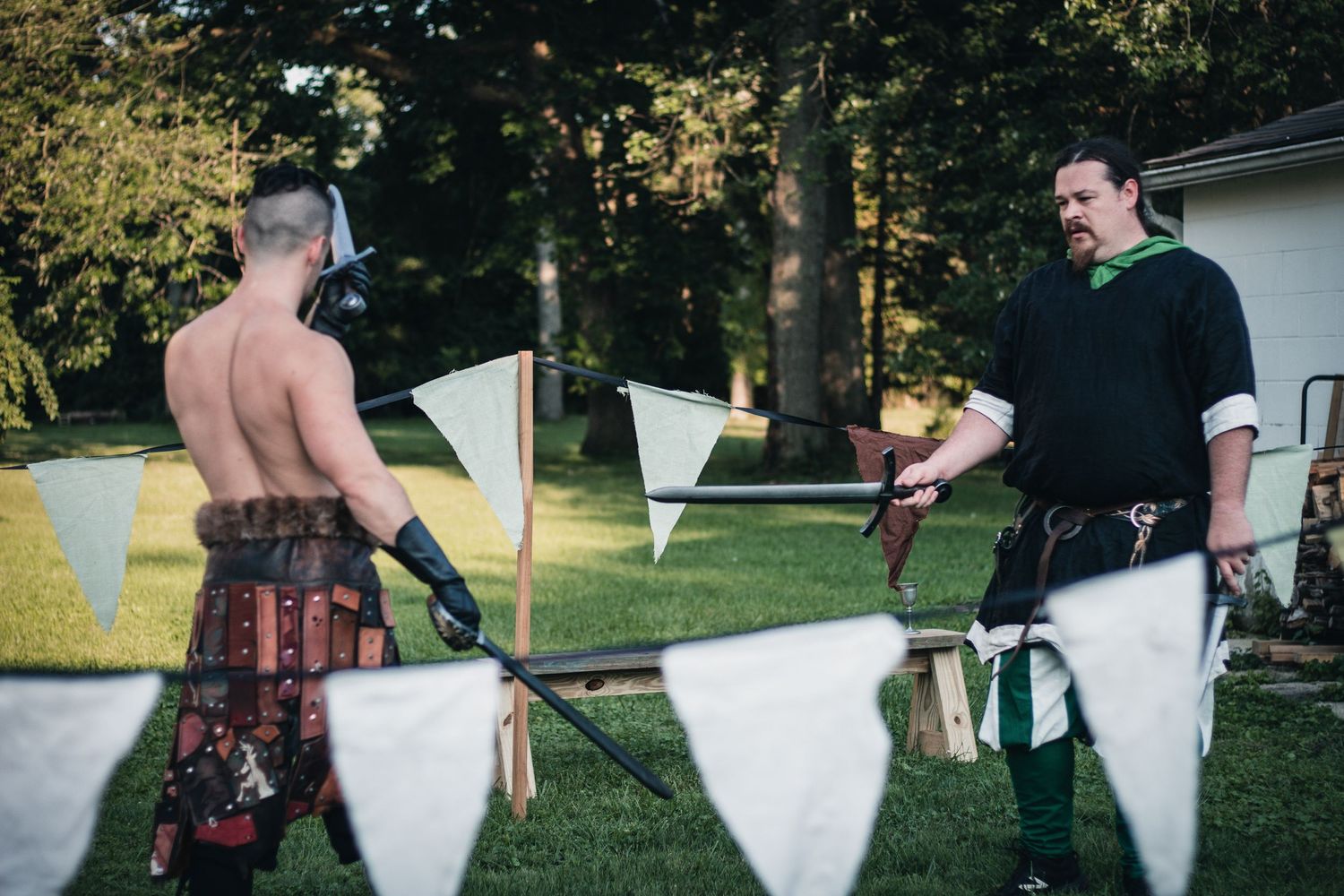
Some of the most powerful LARP images aren’t solo shots.
They’re:
Hands clasped before battle
Shared laughter between chaos
A healer kneeling beside a fallen friend
A commander standing behind their unit
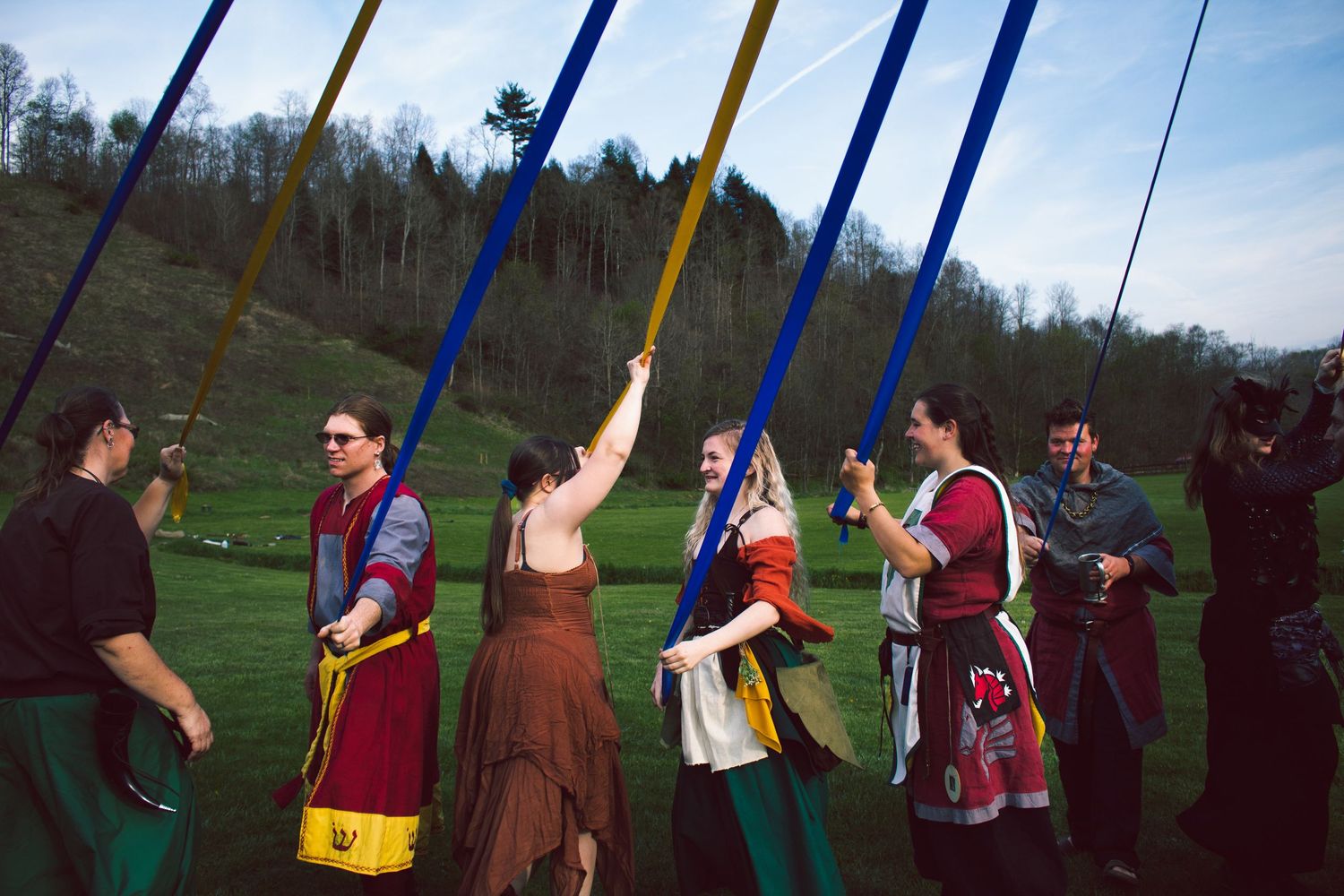
Lovers, rivals, family, enemies all frozen in one moment
These photos document connection, and connection is what makes LARP unforgettable.
If your character has a bond, show it.
6. Embrace Emotion Over Perfection
Not every photo needs to be heroic.
Some of the most impactful images feature:
Exhaustion
Grief
Rage
Fear
Relief
Quiet resolve
These moments don’t always feel “pretty” in the moment but they’re often the ones you treasure most later.
Let yourself feel.
Let the camera witness it.
7. Work With Your Photographer, Not Around Them
If your event has a dedicated photographer, they’re not just there to take pictures they’re there to translate your story visually.
You don’t need to break immersion, but you can:
Make intentional choices
Slow down during key moments
Hold a scene just a second longer
Lean into character beats
If you book a dedicated garb or portrait session, share:
Your character’s arc
Recent events
What you want remembered
What you want felt
That collaboration turns photos into legacy pieces.
8. Think Long-Term: Your Story Is a Series, Not a Single Image
One event is a chapter.
One session is a paragraph.
Your LARP career is an entire book.
Over time, photos can show:
Growth
Power shifts
Loss and recovery
Changing alliances
The weight of years lived in-character
When viewed together, they become something bigger than documentation—they become visual history.
You Are Living a Legend
LARP is fleeting by nature.
Moments pass. Camps pack up. Stories move forward.
Photography is how you anchor those moments in time.
Not to freeze the story but to remember how it felt to live it.
So the next time a camera turns your way, don’t think about how you look.
Think about:
Who am I in this moment and what part of my story is being told?
Because someday, these images will be how your legend is remembered.