Who to invite, who to leave off, and why you shouldn't feel guilty about either.
You're engaged! You've started looking at venues, saving inspiration photos, thinking about flowers, and imagining what your wedding day is going to look like.
And then someone asks:
"So... how many people are you inviting?"
Suddenly, you're staring at a list containing your best friends, your mom's coworkers, a cousin you haven't spoken to since 2017, and someone your partner swears they have to invite even though you've never heard their name before.
Welcome to the wedding guest list.
Building your invite list can be one of the first genuinely stressful parts of wedding planning. Not because you don't know who you love, but because everyone seems to have an opinion about who deserves an invitation.
And here's the thing.
Your wedding is not a family reunion, an obligation, or an opportunity to keep everyone happy.
It's a celebration of your relationship, and the people you invite should be the people you actually want celebrating with you.
So let's talk about how to build a guest list that makes sense for your wedding, your budget, and the kind of day you want to have.
Start With the Wedding You Actually Want
Before you start writing down names, sit down together and talk about what you want your wedding to feel like.
Do you picture a huge celebration packed with friends and family?
A medium-sized wedding where you can still spend time with most of your guests?
An intimate wedding with only the people closest to you?
Or are you dreaming about running into the woods with 20 of your favorite humans and getting married somewhere gorgeous?
There isn't a wrong answer.
But your guest list should support the wedding you want, not determine it for you.
If you're dreaming about an intimate 50-person wedding and your first guest list has 175 names on it, something eventually has to give.
And trust me, it's much easier to have those conversations before you've fallen in love with a venue, signed contracts, or sent out invitations.
Make Your First List Without Editing Yourself
For the first round, don't worry about your venue capacity or budget.
Each partner should make a list of everyone they would potentially want at the wedding.
Think about:
Immediate family
Extended family
Closest friends
Long-term friends
Wedding party members
Coworkers you're genuinely close with
Family friends
Partners and plus-ones
Children
People important to your relationship as a couple
Then combine your lists.
This gives you your maximum potential guest list.
Don't panic when you see the number.
We're about to attack it.
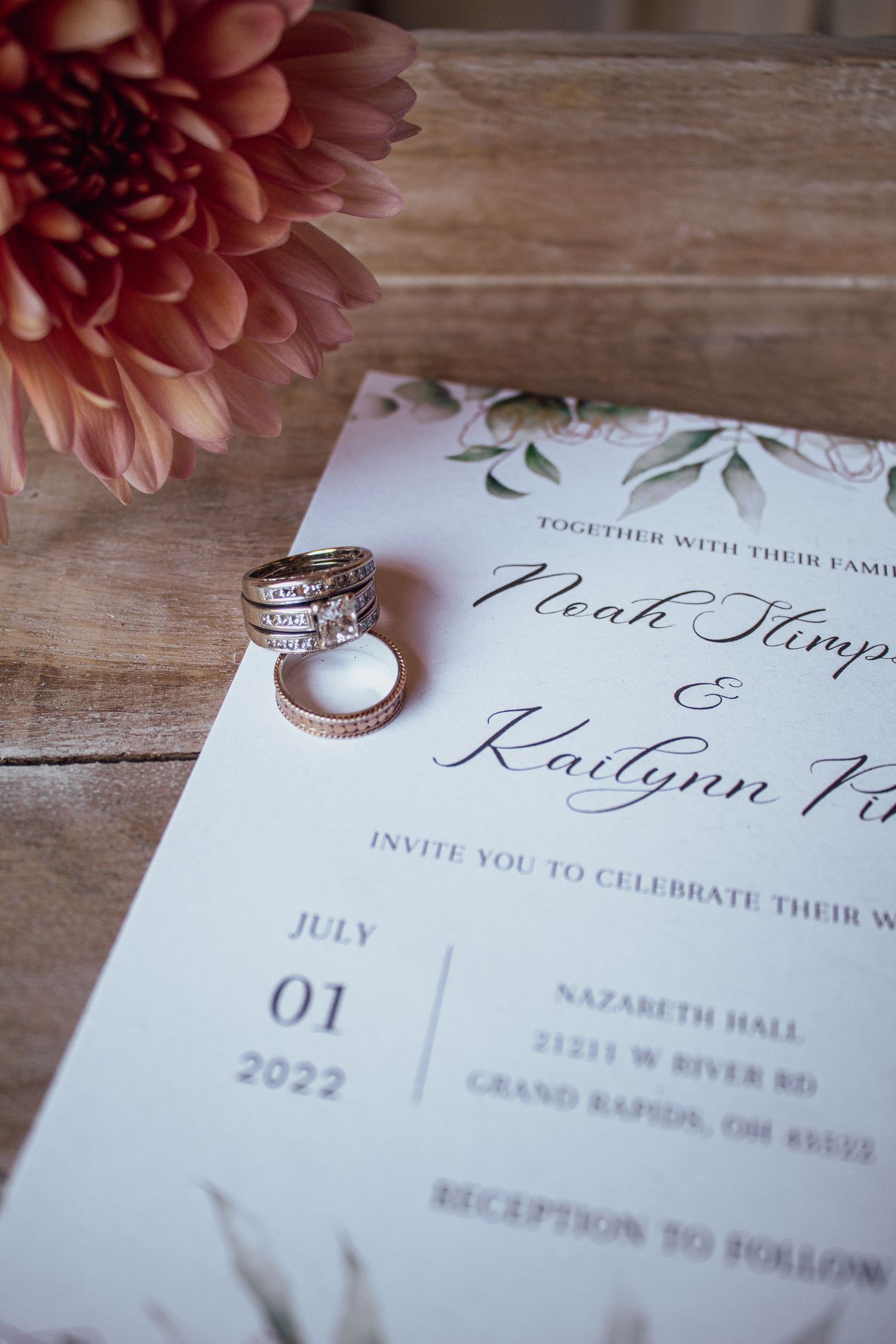
Divide Everyone Into Groups
Instead of treating every name equally, start sorting people into a few categories.
The "Absolutely" List
These are the people you cannot imagine getting married without.
Parents, siblings, best friends, chosen family, and the people who have been there through the ugly, wonderful, complicated parts of your lives.
If the wedding suddenly had to happen tomorrow with only a handful of people present, these are the people you'd call.
They're your core guest list.
The "We Really Want Them There" List
These are people who matter to you and who you genuinely want to celebrate with.
You may not speak every week, but there's a real relationship there.
They aren't being invited because you're supposed to invite them.
You're inviting them because seeing them on your wedding day would genuinely make you happy.
The "Maybe" List
This is where things get complicated.
Your dad's cousin.
The coworker you occasionally grab lunch with.
Someone you were incredibly close with five years ago but haven't spoken to recently.
Friends of your parents.
People whose weddings you attended years ago.
The person you're considering inviting because they might be upset if you don't.
These aren't automatically "no" guests.
But they're the people you should revisit once you know your budget and venue capacity.

Ask Yourself: "Would I Take This Person Out to Dinner?"
Here's one of my favorite ways to look at a wedding guest list.
If you wouldn't willingly take someone out for a $100+ dinner, do you really want to pay for them to attend your wedding?
Because that's essentially what you're doing.
Your guest count can affect:
Catering and alcohol
Tables, chairs, and linens
Centerpieces and decorations
Invitations and postage
Desserts and favors
Venue requirements
Transportation and accommodations
The overall wedding budget
Adding "just ten more people" isn't always just adding ten chairs.
Those ten people can represent hundreds or even thousands of additional dollars.
That doesn't mean every guest needs to be your best friend.
It simply means every invitation should be intentional.
You Don't Have to Invite People You Don't Know (Or Don't Know Anymore)
I'm going to say something that might upset a few family members.
You do not have to invite strangers to your wedding. Even if those strangers are technically family.
Your cousin's new boyfriend you've never met? He doesn't automatically need an invitation.
That friend you haven't spoken to or seen in four years? They can send you a congratulations card.
Your mom's coworker who remembers you from when you were five? Lovely. She doesn't need a seat at your reception.
Your distant relative who only shows up for weddings and funerals? You aren't obligated to invite them just because you share a last name.
And that person your family keeps insisting you have to invite because "it would be rude not to"?
Nope. Not a good enough reason.
Your wedding is not an opportunity for your family to host a reunion on your dime.
Now, there's nothing wrong with inviting distant relatives, old friends, or people you don't see very often.
Sometimes those relationships are incredibly meaningful, even if life has kept you apart.
And there's nothing wrong with wanting your cousin to bring their new boyfriend, either.
But there's a difference between wanting someone there and feeling like you have no choice.
If you haven't met someone, don't have an active relationship with them, or genuinely wouldn't recognize them walking into your reception, it's perfectly reasonable to question why they're on your guest list.
And let's talk about family pressure for a second.
You're probably going to hear things like:
"But they're family!"
"You went to their wedding!"
"They're going to be so upset!"
"We've known them for 30 years!"
"You can't invite one cousin and not the other!"
Actually, you can.
People are allowed to have feelings about not being invited. They might even be disappointed.
But someone else's disappointment doesn't automatically create an obligation for you.
You shouldn't be looking around your wedding reception wondering who half the people are, especially when you're paying for their dinner, drinks, and a place at the table.
And you definitely shouldn't be sacrificing invitations for people you genuinely love just to make room for people someone else pressured you into inviting.
Remember, Every Invitation Has a Price Tag
Here's something I really want couples to think about when building their guest list.
Every single person you invite costs you money. At minimum, that's another plate of food you're paying for.
Depending on your venue and catering choices, that could be $50, $100, $150, or more per person.
And that's before you start adding drinks, rentals, favors, and everything else that comes with another guest.
Now imagine you've added 20 people to your guest list simply because you felt obligated.
At $100 a plate, that's $2,000.
Two thousand dollars spent on people you might not even know, talk to, or particularly want at your wedding.
And here's the part that really stings.
If someone RSVPs yes, you include them in your final catering count, and then they just don't show up?
You're generally still paying for their dinner.
That empty chair doesn't mean you get your money back.
Once your final numbers are locked in with your caterer, you're usually paying for those meals whether someone shows up to eat them or not.
So when you're deciding whether to invite someone, don't just ask yourself if they'd like to come.
Ask yourself if they're someone you genuinely want to spend that money on and share that moment with.
Because that $100 plate could have gone toward your honeymoon, your photography, something special for your guests, or simply stayed in your bank account.
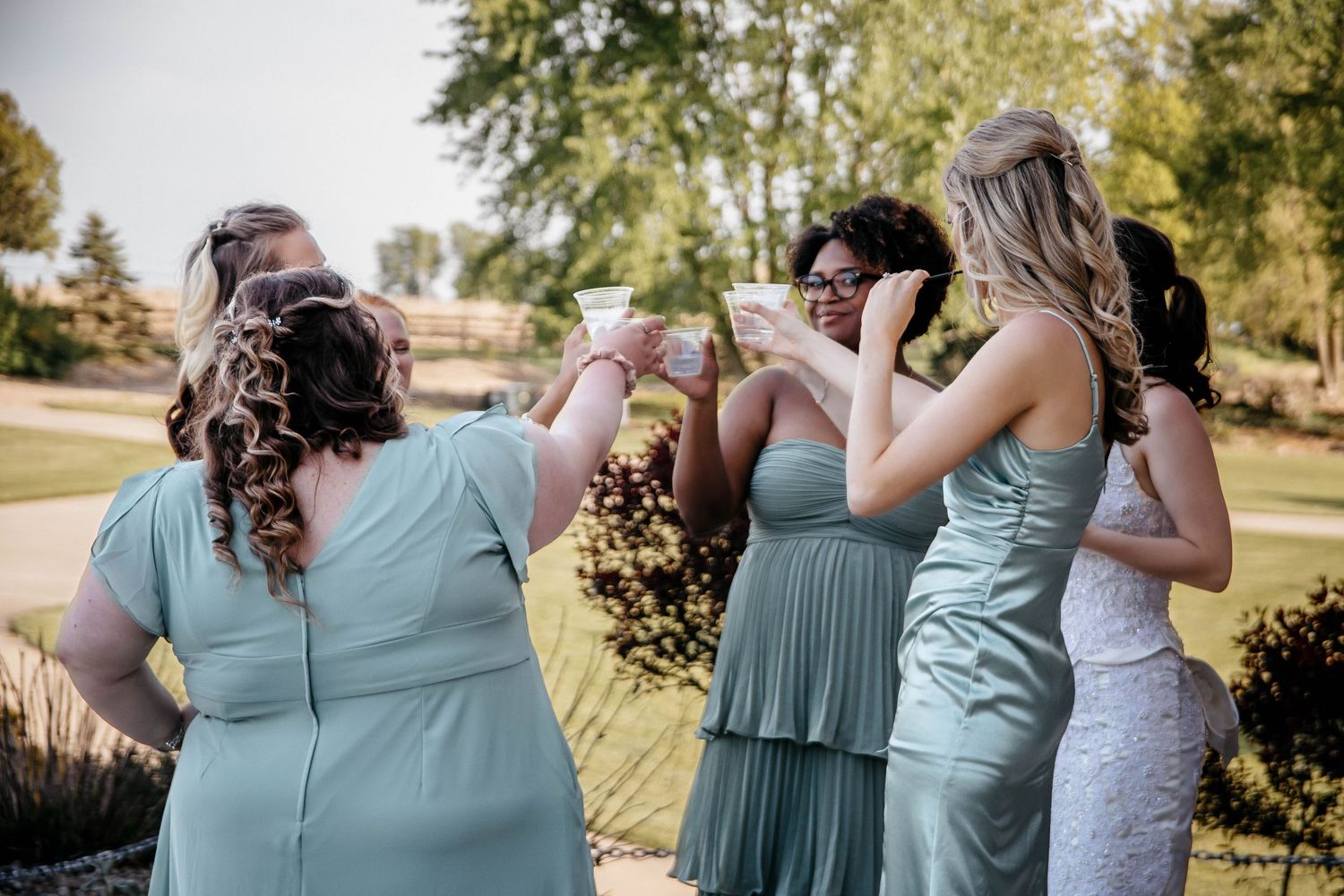

Think About Who's Actually Going to Celebrate With You
Here's another thing I want couples to think about when building their guest list.
What do you want your reception to actually look like?
Because not everyone you invite is going to celebrate the same way.
Some people are going to eat dinner, have a piece of cake, say congratulations, and head home before the dance floor even opens.
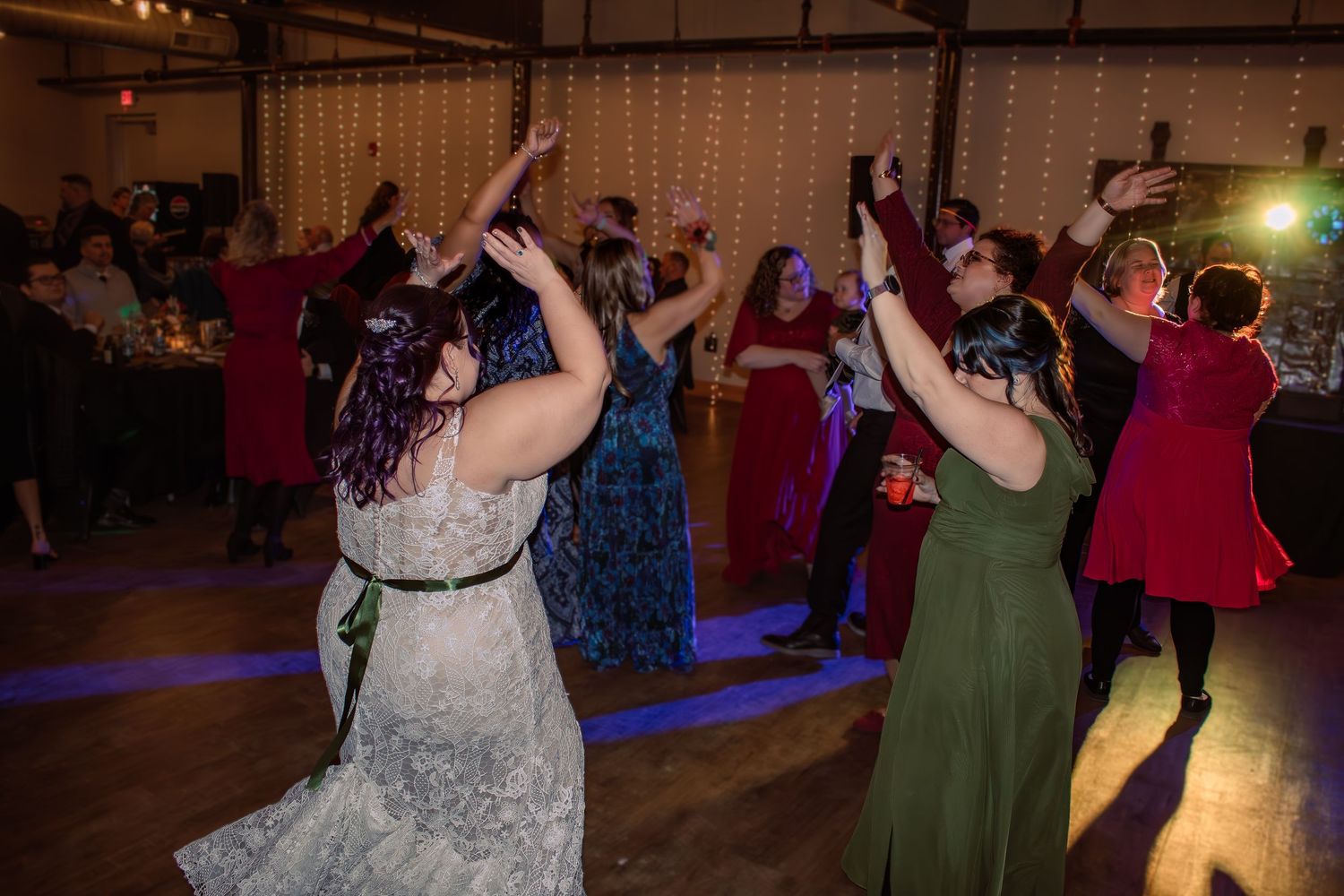
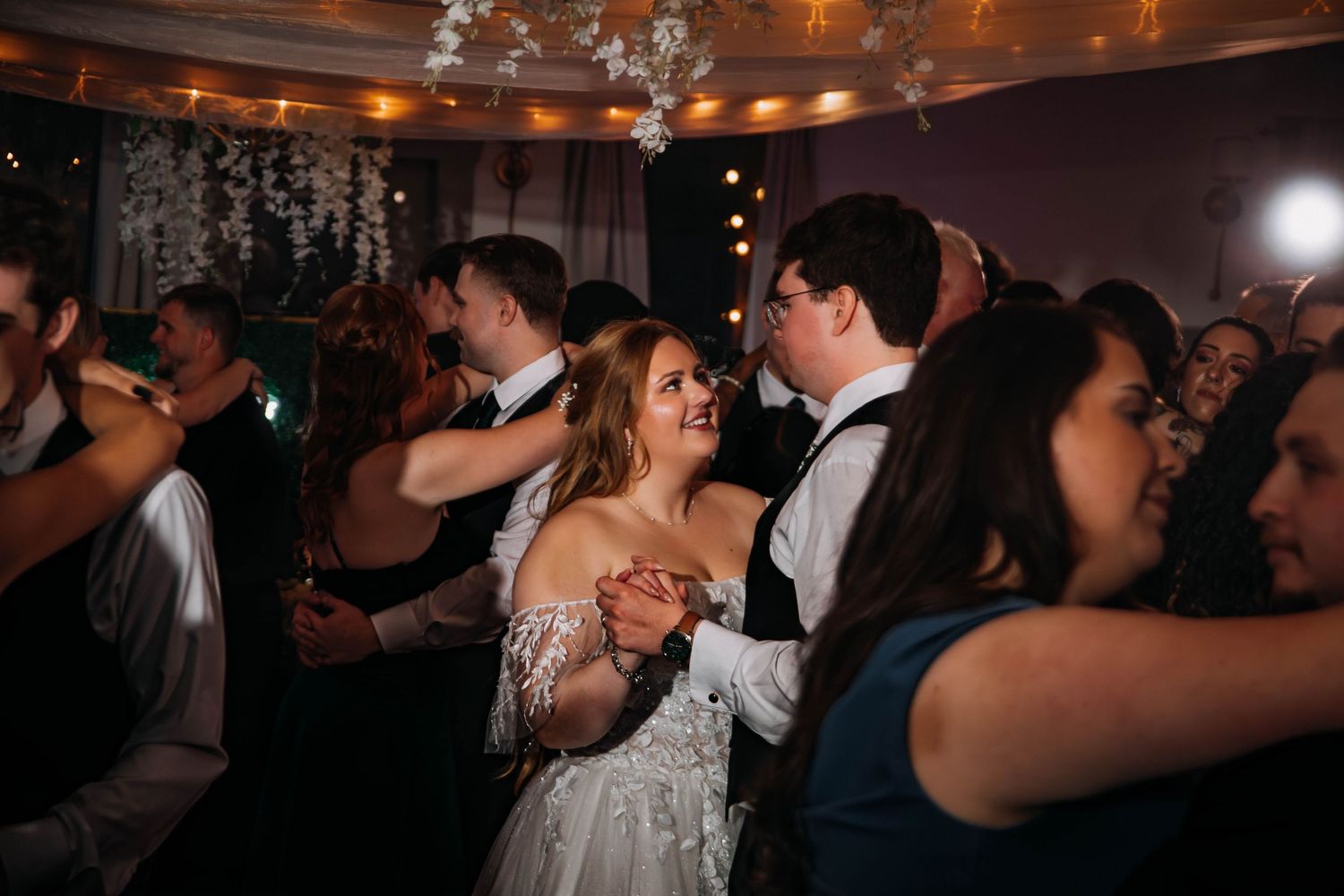
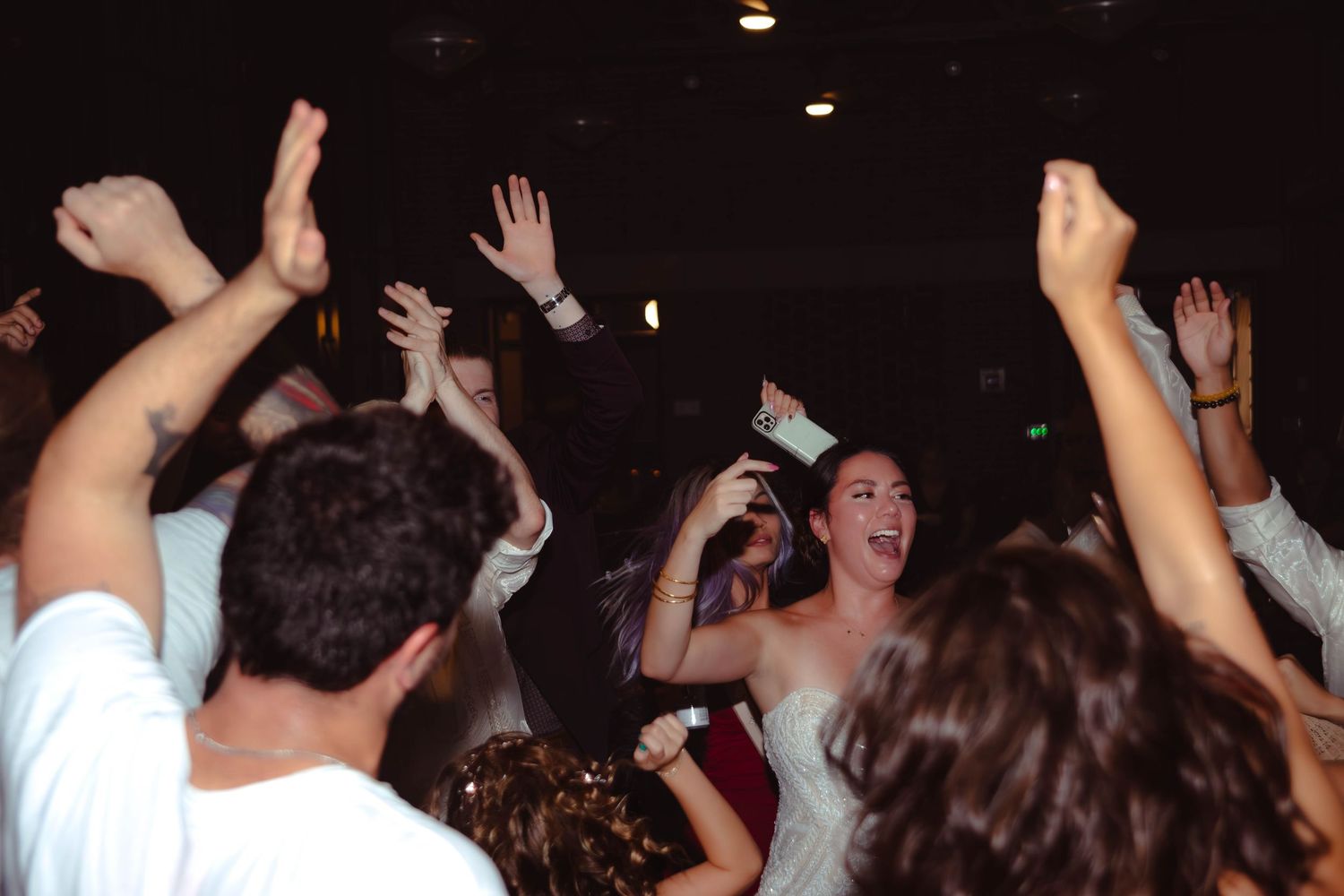
Others are going to be the first ones out of their chairs when the music starts, dragging you onto the dance floor, laughing with your friends, and making memories with you until the very last song.
And some people might never step foot on the dance floor but will spend the evening talking, laughing, playing games, or just enjoying being there with you.
None of those are necessarily wrong.
Not everyone is a dancer. Some guests are older, have health or mobility limitations, have children to get home to, or simply aren't the late-night party type.
That doesn't make them any less important.
But it is worth thinking about the kind of celebration you want.
If you're dreaming about a packed dance floor, a wild reception, and partying with your favorite people until the venue kicks you out, think about who in your life is actually going to be part of that experience.
If you'd rather have a relaxed evening filled with conversation, good food, and catching up with the people you love, build your guest list around that.
And if you want a little of both? That's perfectly fine too!
The point is to be intentional.
Because there's a difference between your grandma heading home after dinner because she's tired and someone you barely know showing up for a free meal before disappearing.
One of those people might mean the absolute world to you.
The other might have been invited because someone told you they had to be there.
You're paying for these people to be part of your wedding day. Are they people you actually want to spend that day with?
Think about the people who will stay to celebrate, whether that's dancing until their feet hurt, sitting around a fire sharing stories, or just hanging out and enjoying the night with you.
You don't need every guest to be the life of the party.
But you should genuinely want every guest to be part of yours.
Don't fill your reception with people just to fill chairs. Fill it with people who make the celebration feel like yours.
Stop Inviting People Because You Feel Guilty
This is probably the hardest one.
You don't automatically owe someone a wedding invitation because:
They invited you to their wedding.
They're related to you.
You've known them for a long time.
Your parents know them.
They're going to see your wedding photos online.
They might be offended.
You haven't talked to them in three years, but you used to be really close.
Relationships change.
our wedding isn't a reunion for every person you've ever known.
Ask yourselves:
"If we met this person today, would we want them involved in our lives?"
Sometimes that answer makes the decision surprisingly easy.
And remember, saying no to an invitation doesn't mean you hate someone.
It just means they aren't part of this particular celebration.
That's okay.


Decide Your Plus-One Rules Early
Plus-ones can make your guest count explode quickly.
Before invitations go out, decide together what your rule will be.
For example, you might invite spouses, fiancés, and long-term partners automatically while giving individual plus-ones to members of the wedding party or guests who won't know anyone else.
The important part isn't choosing one specific rule.
It's being consistent.
You don't want to give one cousin a plus-one while denying another person in essentially the same situation without a reason.
And remember:
A named partner isn't necessarily the same thing as an open plus-one.
If your friend has been dating someone for four years, you're generally inviting that person, not simply giving your friend permission to bring anybody.
At the same time, you don't have to offer every single guest the opportunity to bring someone you've never met.
Set your boundaries early and stick with them
Decide Whether Children Are Invited
Kids or no kids?
Either is completely valid.
But decide early.
You might choose:
Adults only: No children attending.
Immediate-family children only: Children belonging to siblings or the wedding party attend, but other guests' children do not.
All children welcome: Families can bring their kids.
Whatever you decide, communicate it clearly on invitations and your wedding website.
Ambiguity is where problems start.
And please remember, if you choose an adults-only wedding, some parents may not be able to attend.
That's not necessarily them being difficult. Childcare can be expensive, complicated, or simply unavailable.
You can set boundaries for your wedding while also understanding that guests have their own circumstances.

Be Careful With "Courtesy Invitations"
There's a dangerous little sentence in wedding planning:
"They probably won't come anyway."
Do not send an invitation unless you're prepared for that person to say yes.
Because sometimes they absolutely will.
Your invitation list should never exceed what your venue or budget can handle based on the assumption that enough people will decline.
Some will decline.
Some people you were positive wouldn't travel will suddenly book a hotel.
Plan accordingly.
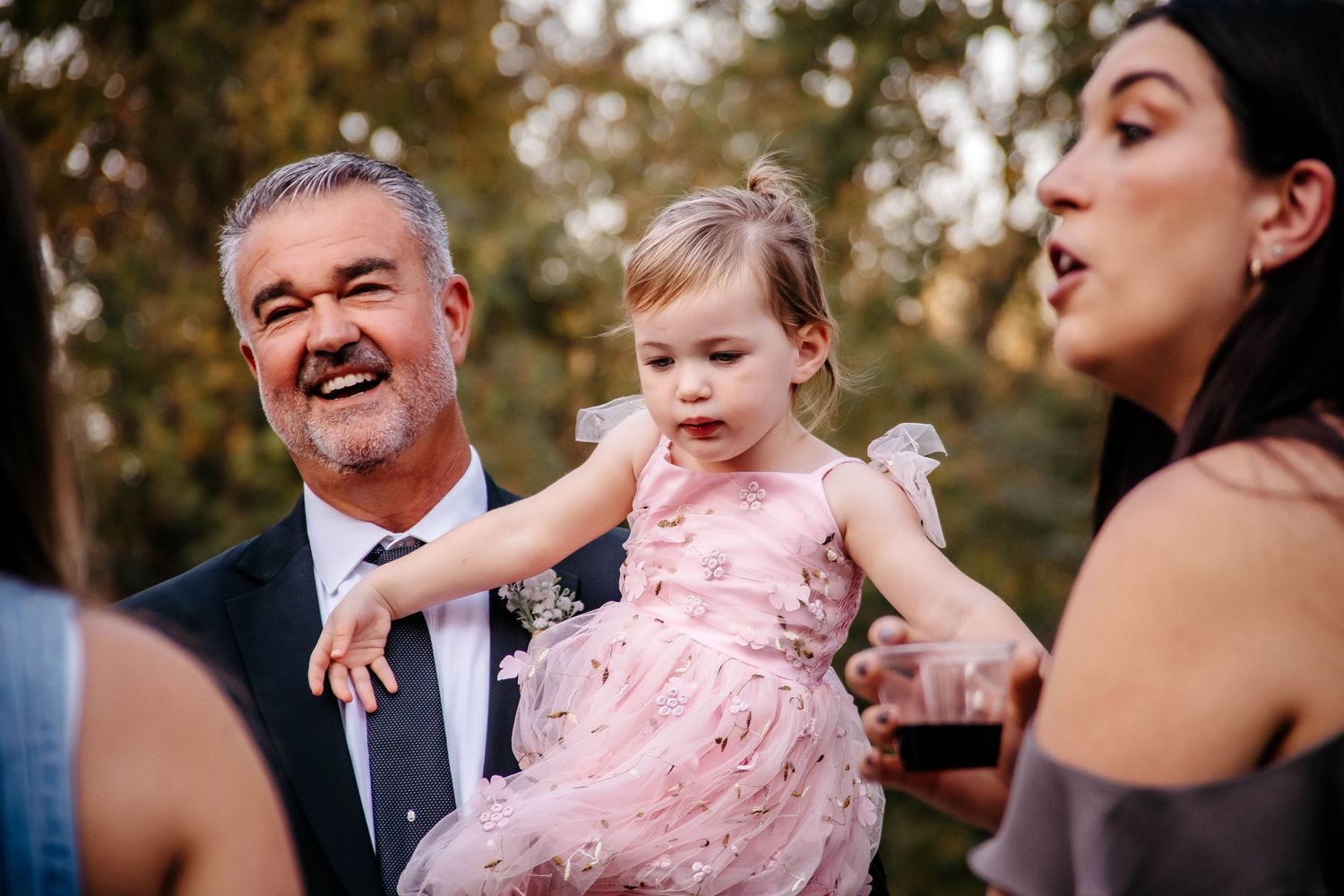
Give Parents a Number, Not Unlimited Invitations
If your families are involved in building the guest list, establishing boundaries early can prevent a lot of frustration.
Instead of:
"Who do you want to invite?"
Try:
"We have room for 15 guests from your list. Who are the 15 people most important to you?"
Those are two VERY different conversations.
Giving each family a specific number makes everyone prioritize instead of handing you a list of 47 names and saying, "But we have to invite them!"
If parents are contributing financially, you'll obviously want to have a larger conversation about expectations.
But expectations should still be discussed rather than assumed.
And even if someone else is helping pay for your wedding, that doesn't mean you should have absolutely no say in who attends.
Have those conversations before accepting financial contributions that come with strings attached.
Build Your A, B, and C Lists Before Invitations Go Out
Once you've narrowed everything down, create three final groups.
A List: Absolutely invited.
B List: We'd love to invite them if space allows.
C List: We'd enjoy having them, but only if the budget and capacity comfortably allow it.
This isn't about ranking how much you love people.
It's a planning tool.
When RSVPs start coming in, you'll already know who you might invite next instead of reopening the entire guest-list debate.
Just make sure invitations are sent with enough time that your later-round guests don't receive something suspiciously close to the wedding.
Nobody wants to feel like they were drafted in the fourth round.
Consider a Smaller Wedding With a Bigger Celebration
Here's another option that couples sometimes overlook.
Your ceremony, dinner, and evening celebration don't necessarily have to include the exact same guest list.
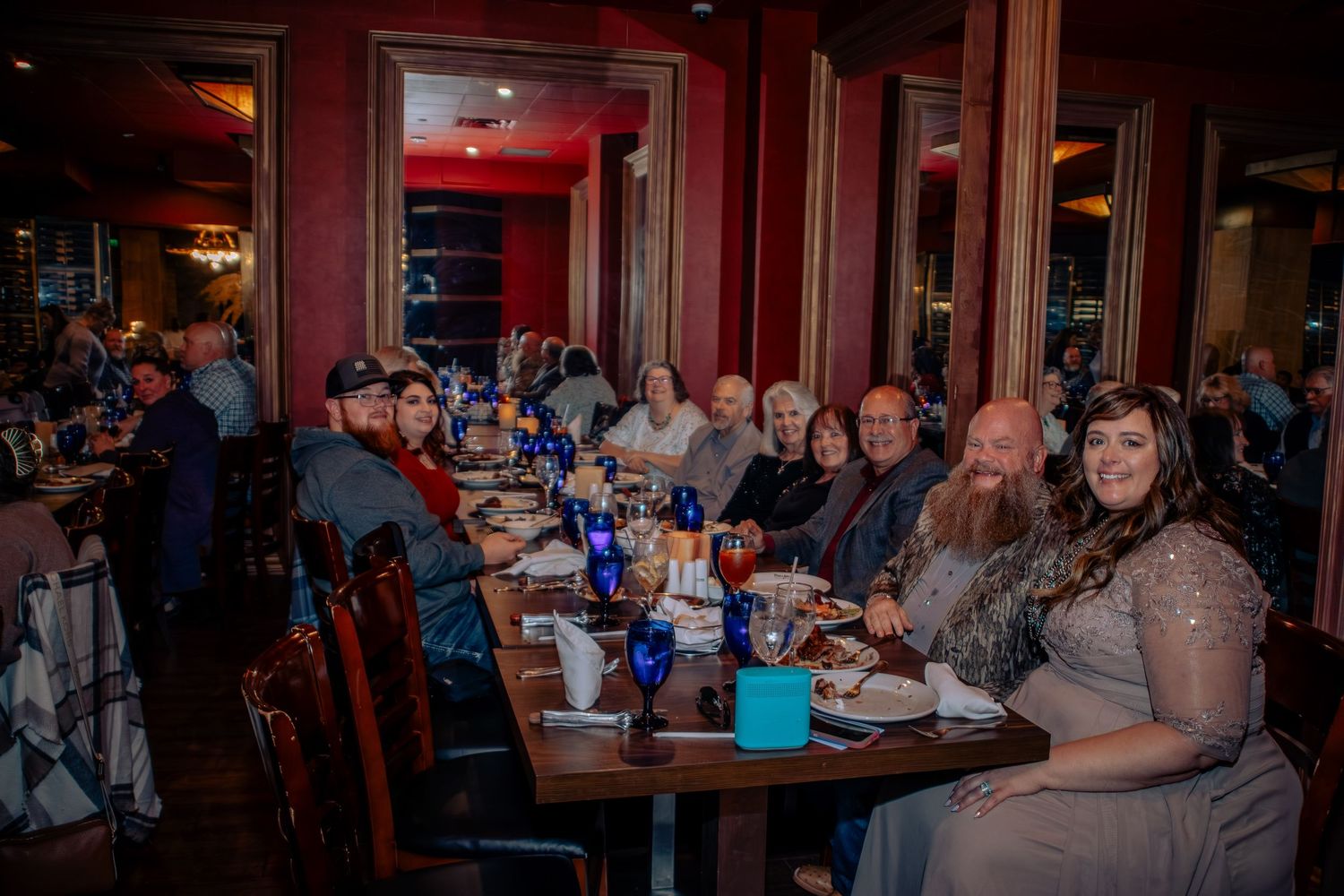
Maybe you want an intimate ceremony and dinner with your closest family and friends, but you'd love to have more people join you later for drinks, dancing, and celebrating.
Depending on your venue, catering arrangements, and budget, that might be an option.
You could have a smaller ceremony and dinner, then invite additional guests for an evening reception.
Just be upfront about what people are being invited to, and make sure your venue can accommodate the additional guests.
It's not the perfect solution for everyone, but it can be a great compromise for couples who want something intimate without giving up the big party afterward.
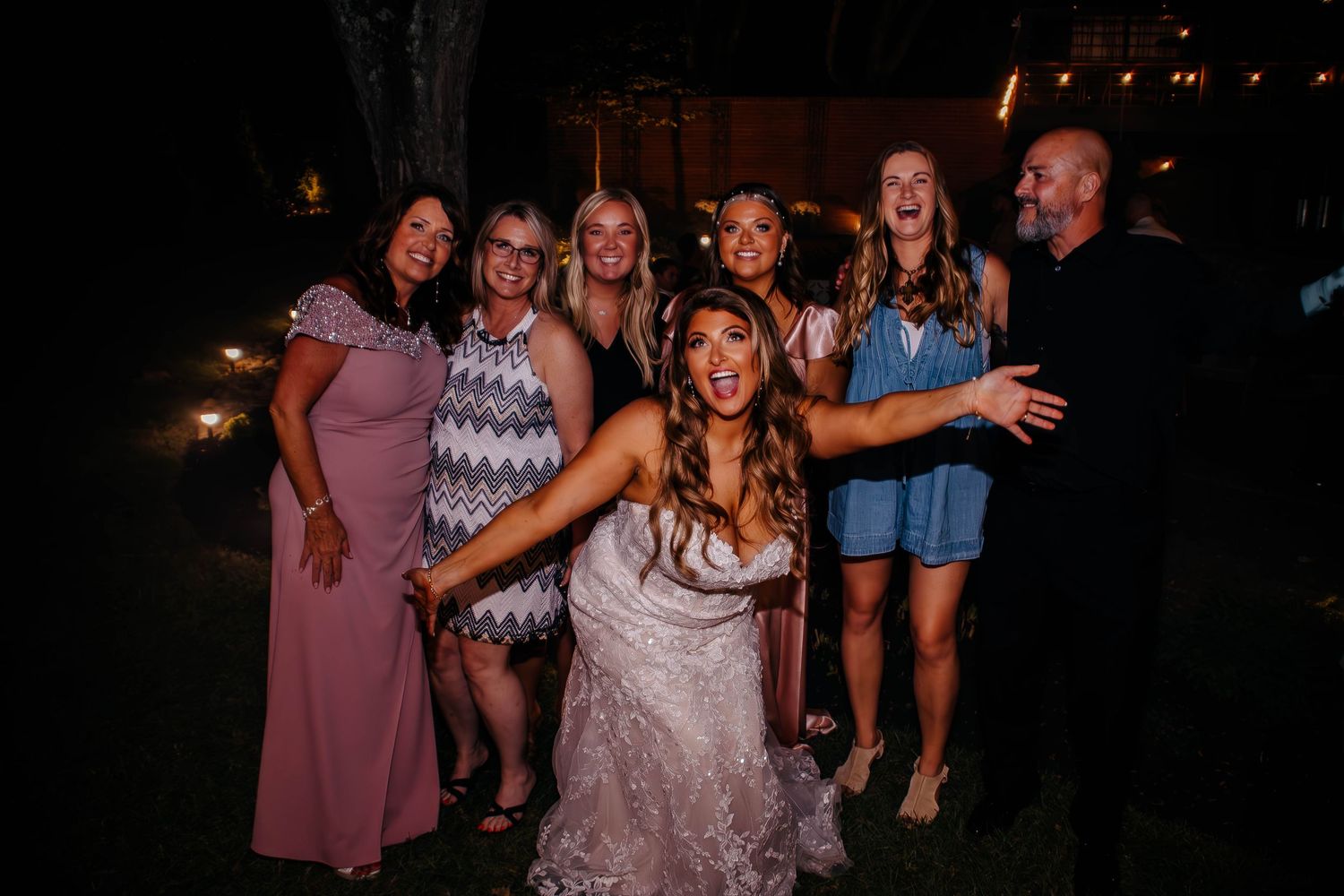
Your Guest List Will Affect Your Photography, Too
From a photographer's perspective, guest count changes more than you might realize.
A 40-person wedding and a 200-person wedding are completely different environments to photograph.
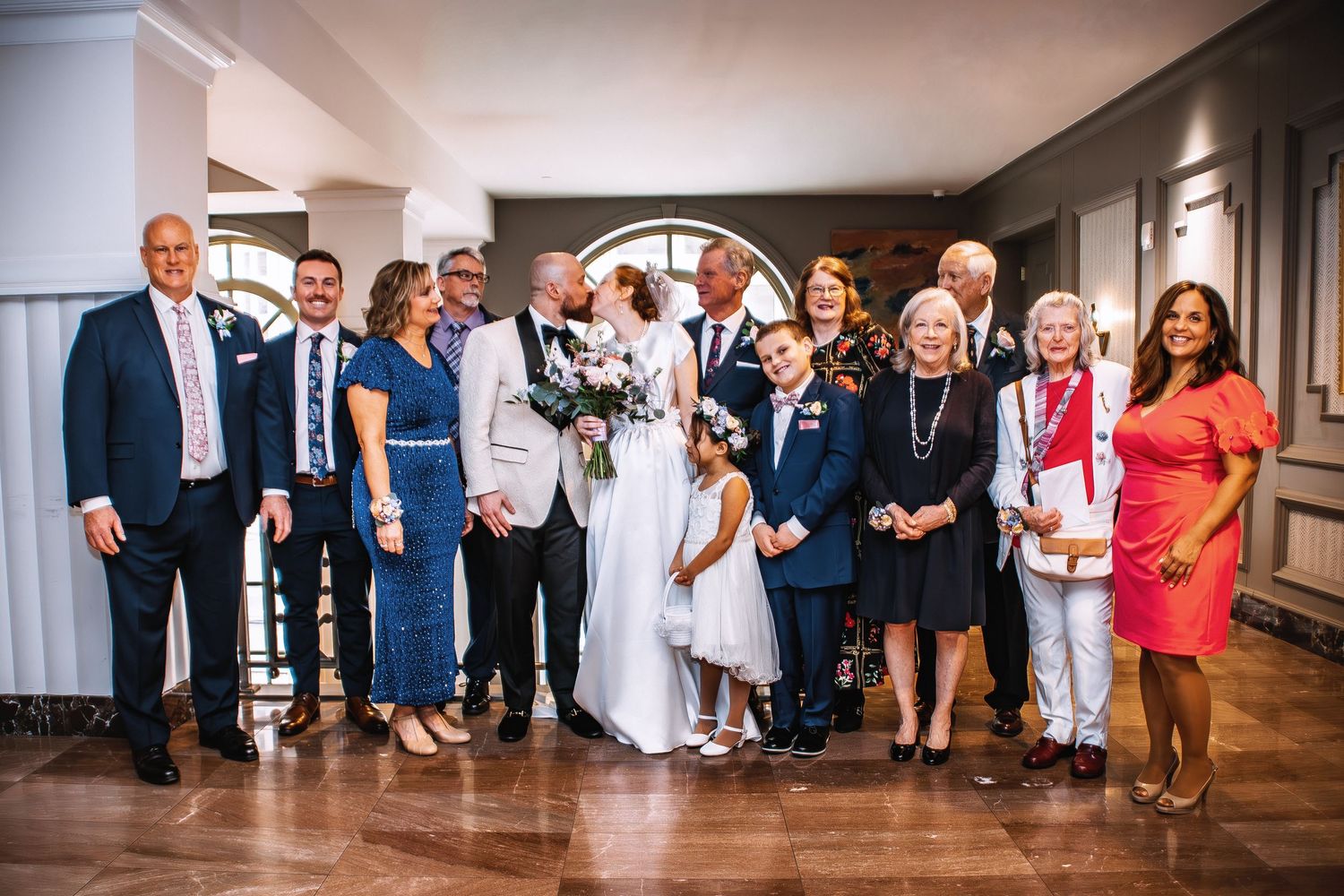
Larger weddings generally mean more interactions, more family combinations, more reception coverage, and more people competing for the couple's attention.
Smaller weddings often allow more breathing room for portraits and more time with individual guests.
Neither is better.
They're simply different experiences.
And here's something I've noticed photographing weddings.
The energy of your guests absolutely affects the energy of your wedding photos.
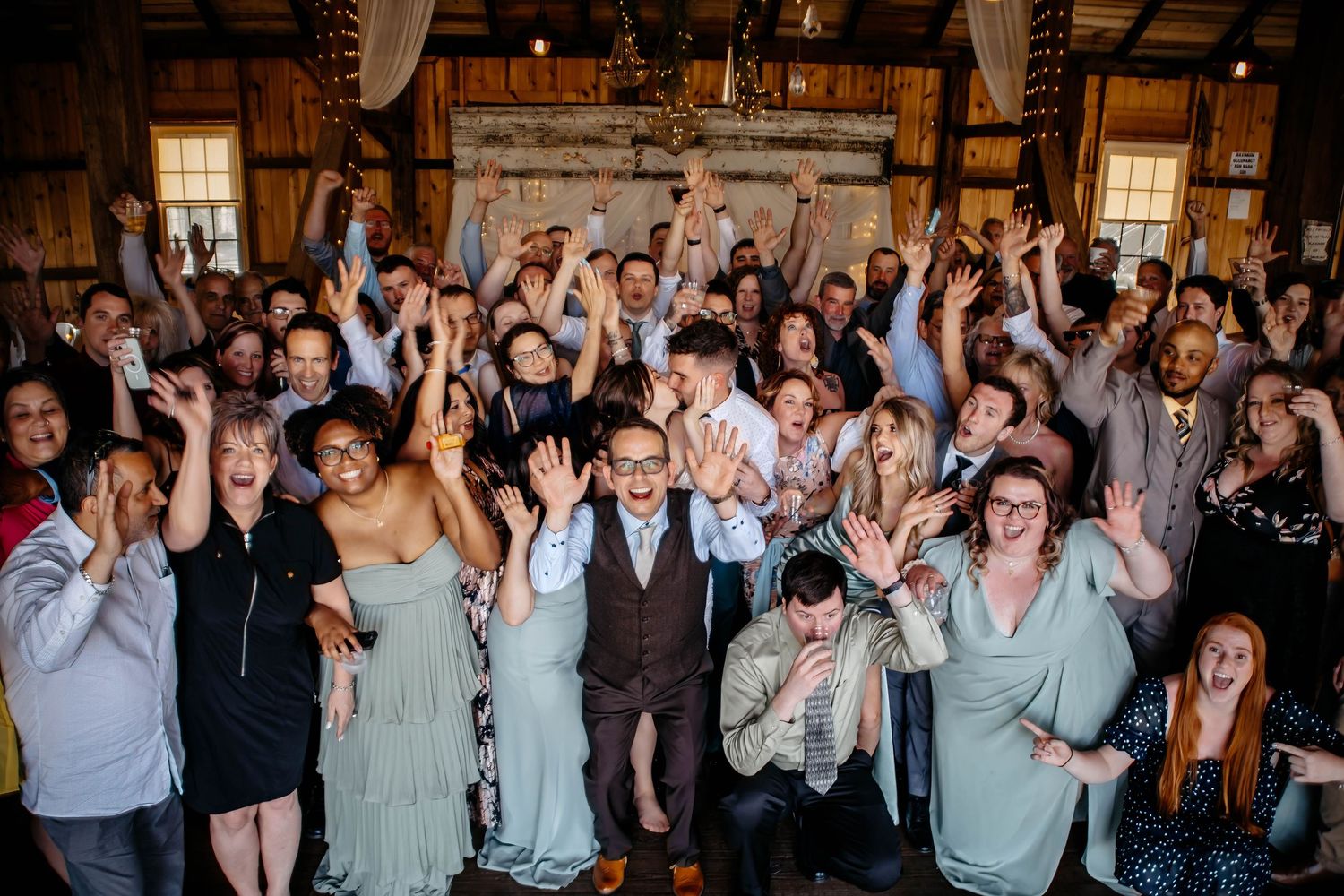
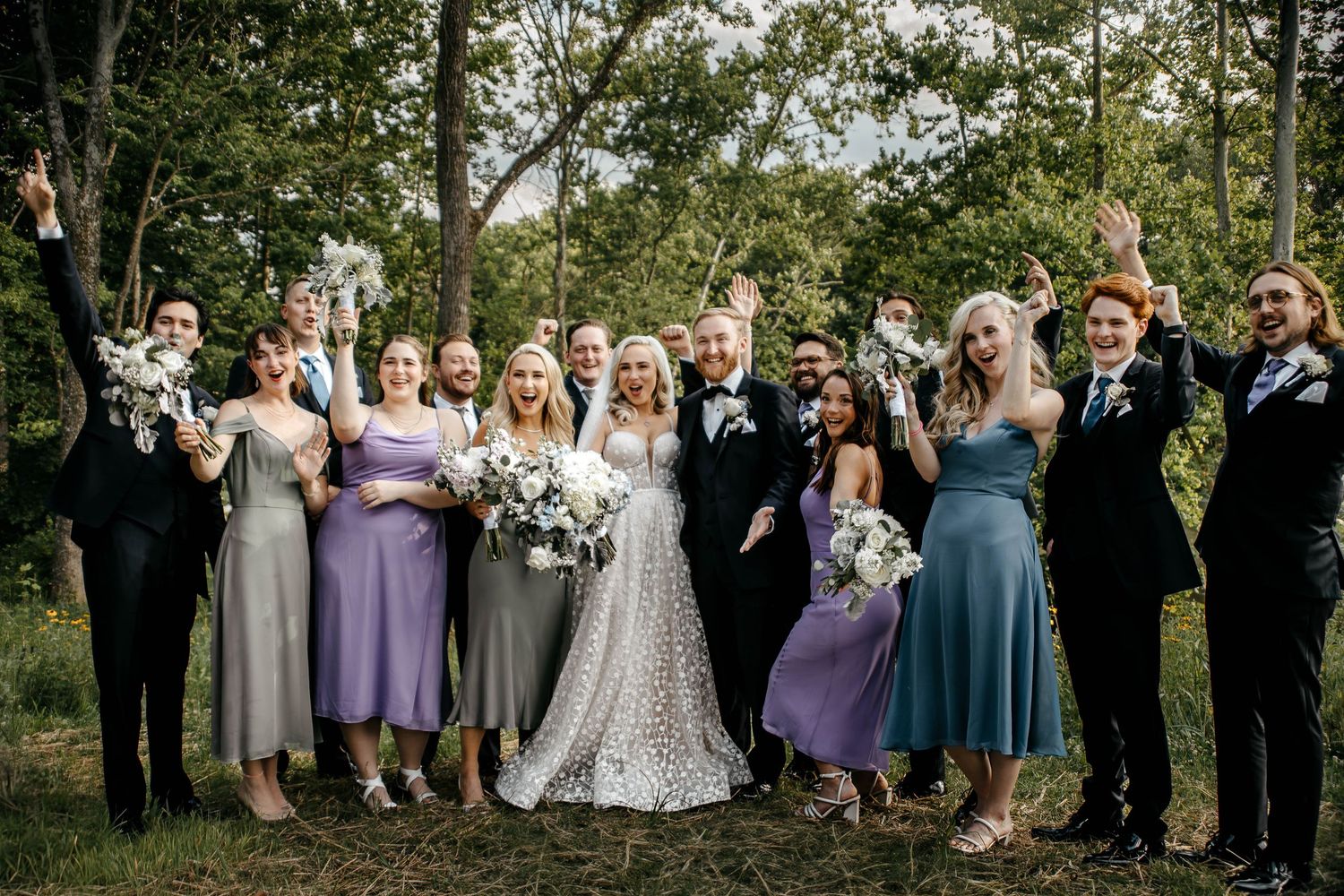
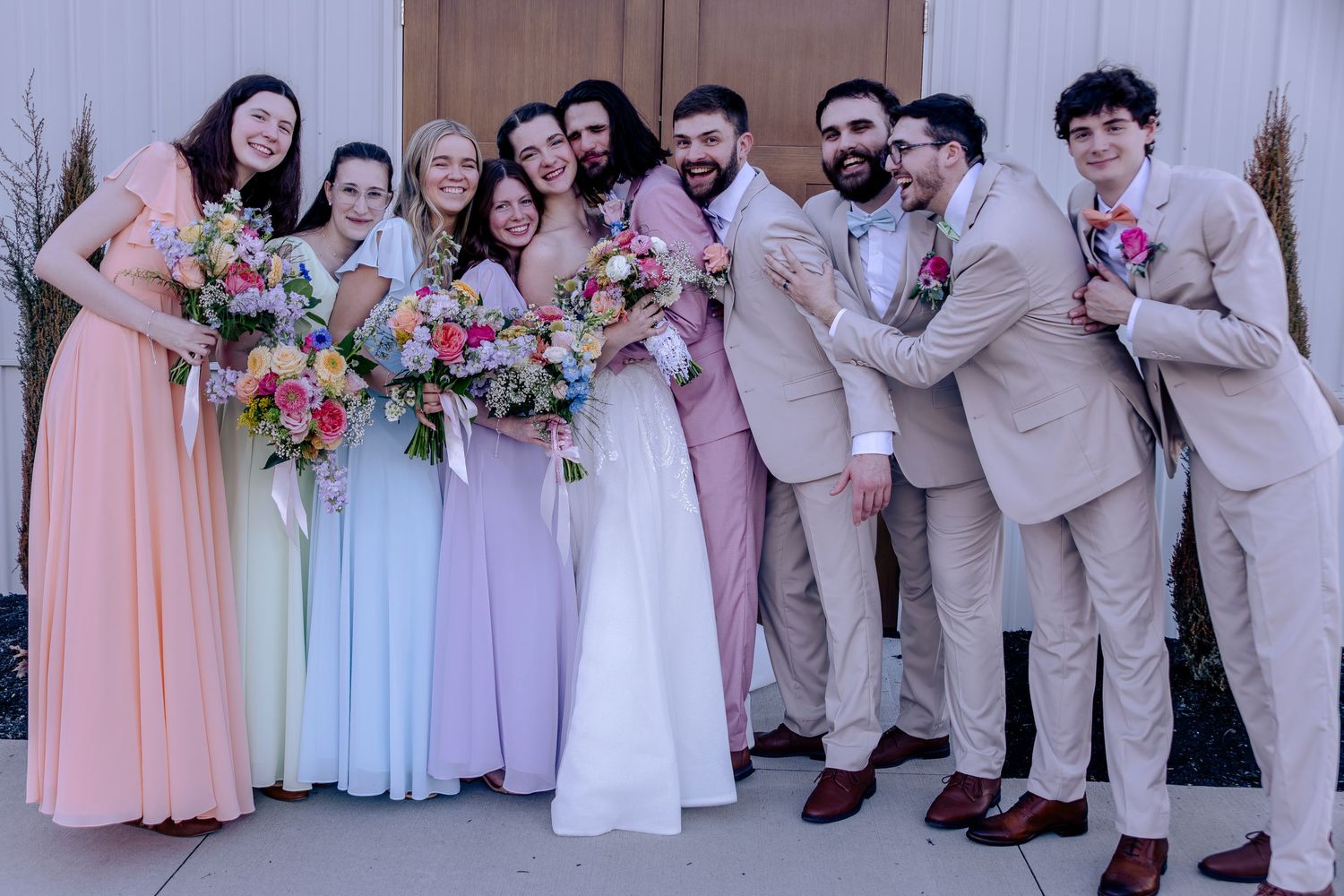
When your friends are genuinely excited to celebrate with you, you can see it.
It's in the laughter during speeches.
The reactions during your ceremony.
The ridiculous dance-floor moments.
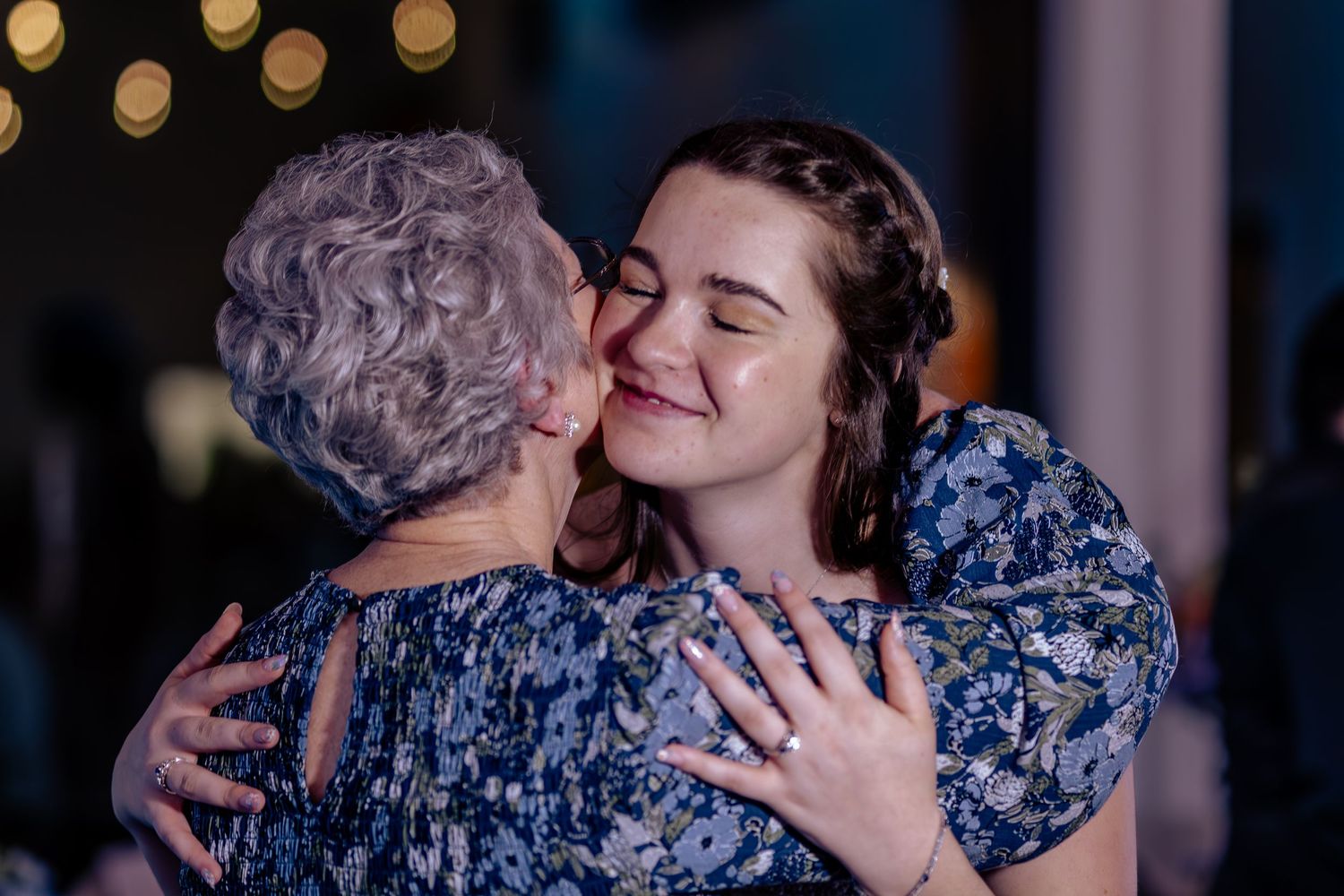
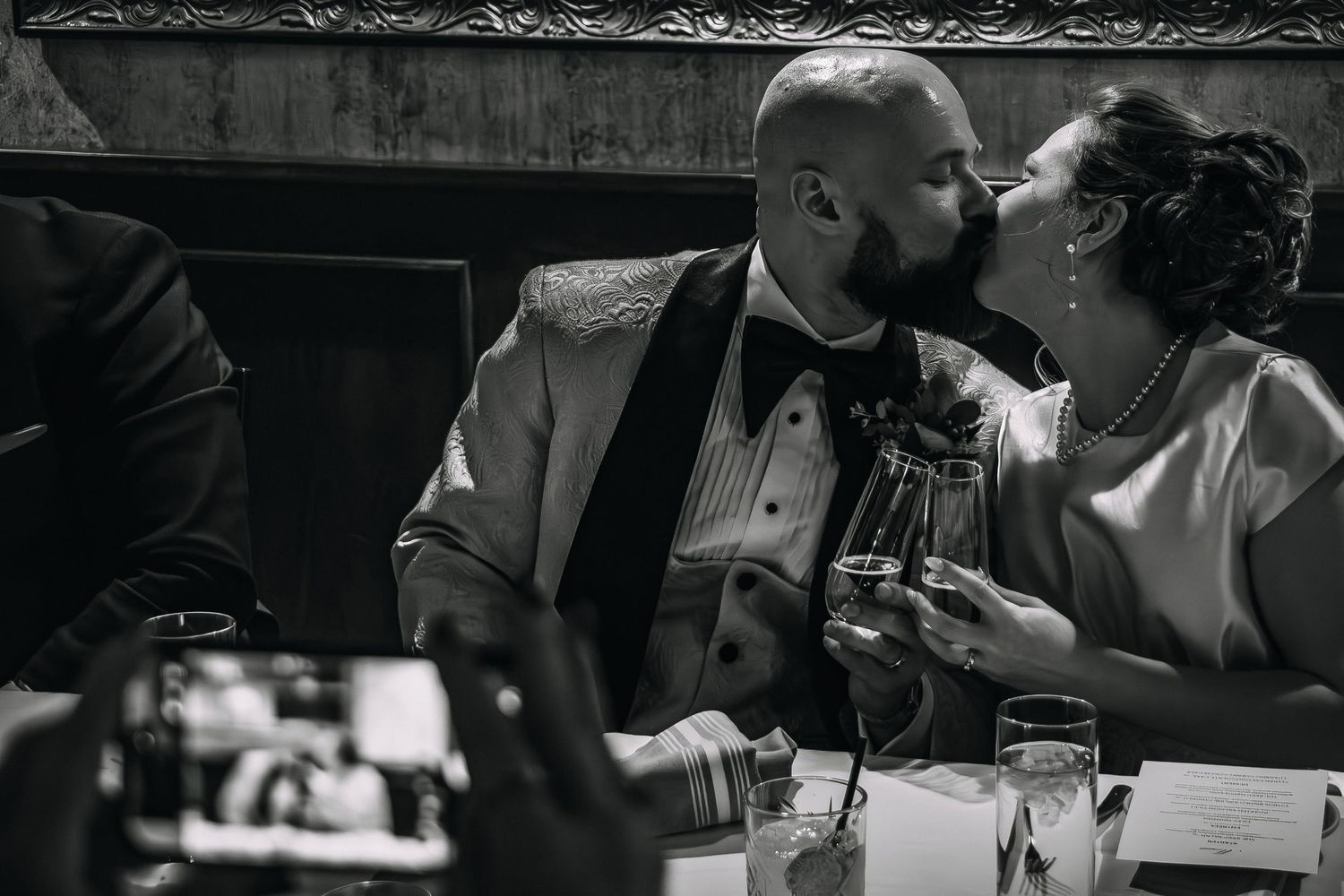
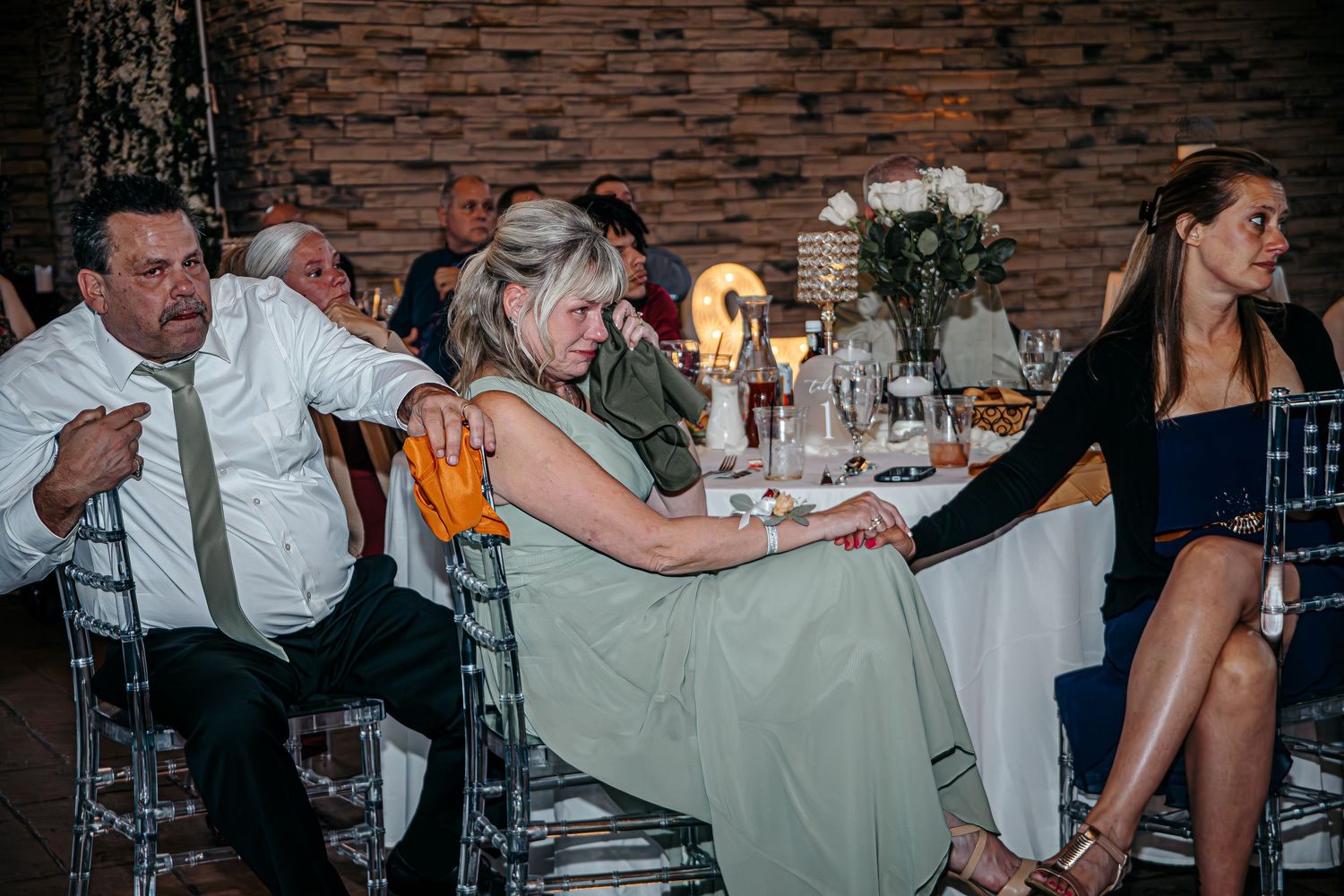
The hugs, the happy tears, and the people who are just thrilled to be there.
Those are the moments I love documenting.
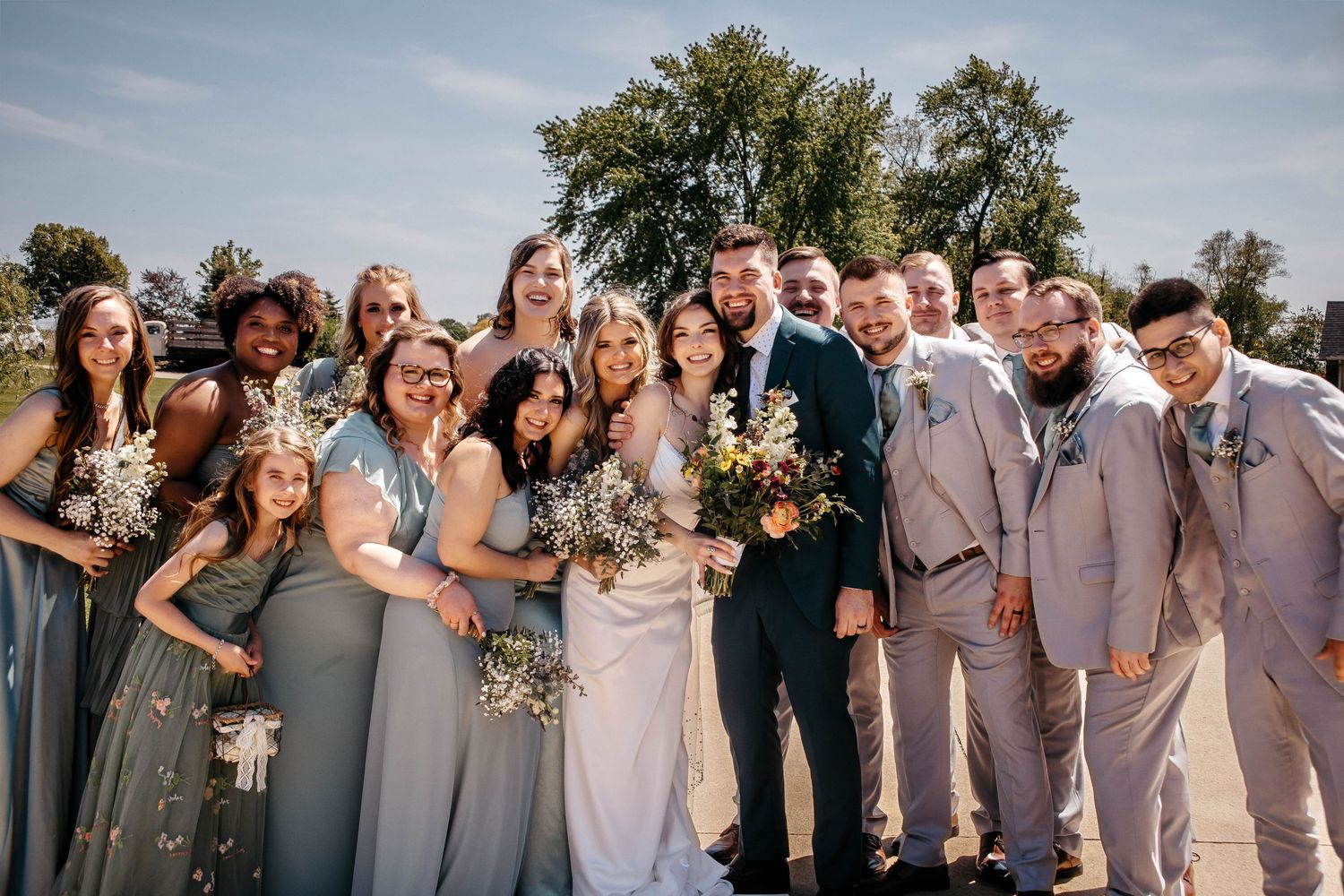
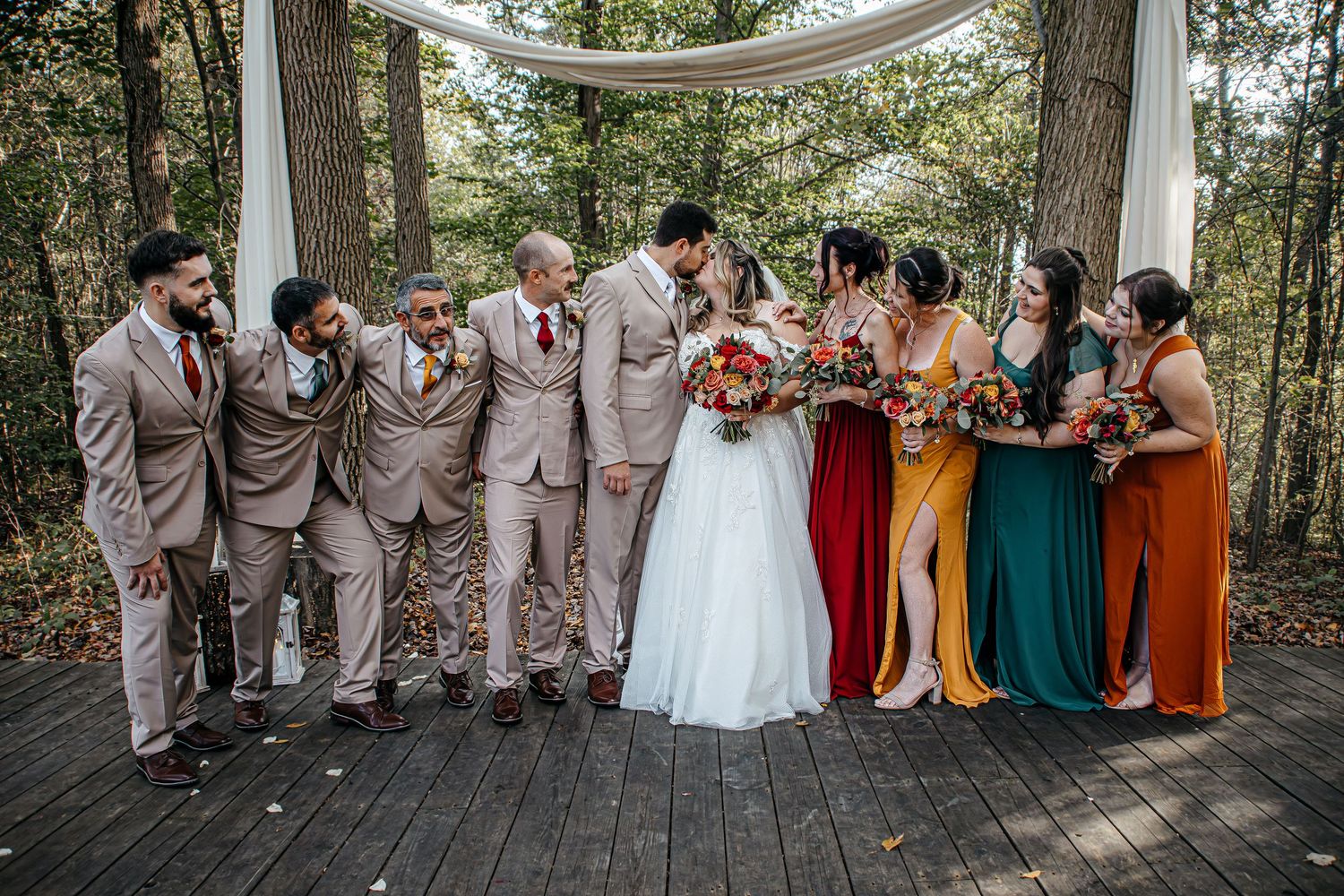
And they're a whole lot easier to capture when the room is filled with people who actually want to be part of your celebration.
When you're building your wedding timeline, make sure the amount of photography coverage you've chosen makes sense for the wedding you're actually planning.
One Final Guest List Test
When you're stuck on a name, ask yourselves three questions.
"Are we inviting this person because we want them there, or because we're afraid of what happens if we don't?"
"Would we genuinely be excited to see this person on our wedding day?"
"Is this someone we want to spend our time, energy, and money celebrating with?"
Those questions solve a surprising number of guest-list debates.
You are allowed to have a huge wedding.
You are allowed to have 30 people.
You are allowed to invite your entire extended family.
You are allowed to invite almost none of them.
You are allowed to prioritize chosen family.
You are allowed to have an adults-only wedding.
And you are absolutely allowed to tell someone that, unfortunately, they aren't on the guest list.
At the end of the day, the goal isn't to build the biggest guest list you can afford.
It's to look around your wedding and see a room full of people you're genuinely happy to have there.
People who love you.
People who support your relationship.
People who are excited to celebrate this next chapter with you.
Because you're not just giving someone an invitation.
You're giving them a seat, a meal, and a place in one of the biggest days of your life. Make sure it's someone you actually want there.
And when you look back at your wedding photographs years from now, I hope you're looking at a room full of faces that still make you smile.
— GamerGurl Photography
Wedding photography, real moments, and helping couples plan a day that actually feels like them.
Planning your wedding and wondering what comes next? Explore more wedding planning resources.
Your people.
Your celebration.
A thoughtful wedding guest list starts with the people you want beside you. Make room for connection, keep an eye on costs, and plan a celebration that feels like you.
The big picture
| Guest / household | Side / priority | RSVP | Party | Estimate | Actions |
|---|
You don’t have to invite someone out of obligation. Think about who will celebrate with you—over dinner, in conversation, or on the dance floor. A paid plate may still cost you if someone doesn’t show up.
Planned totals include every party except declined RSVPs, including people not yet invited. Confirmed totals include accepted parties only. An RSVP applies to the entire party; use separate entries for different responses. These are estimates, not a final catering guarantee.