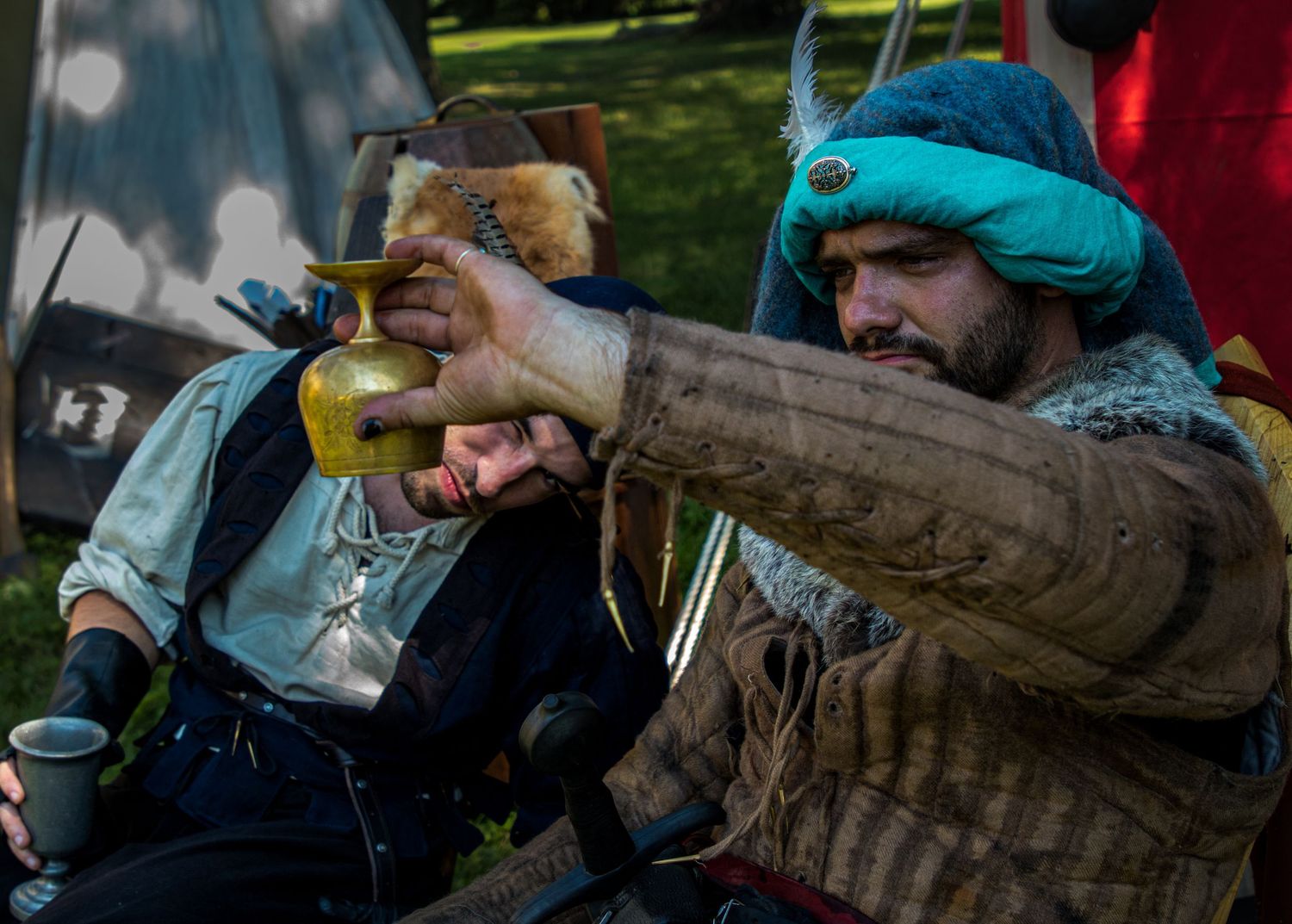
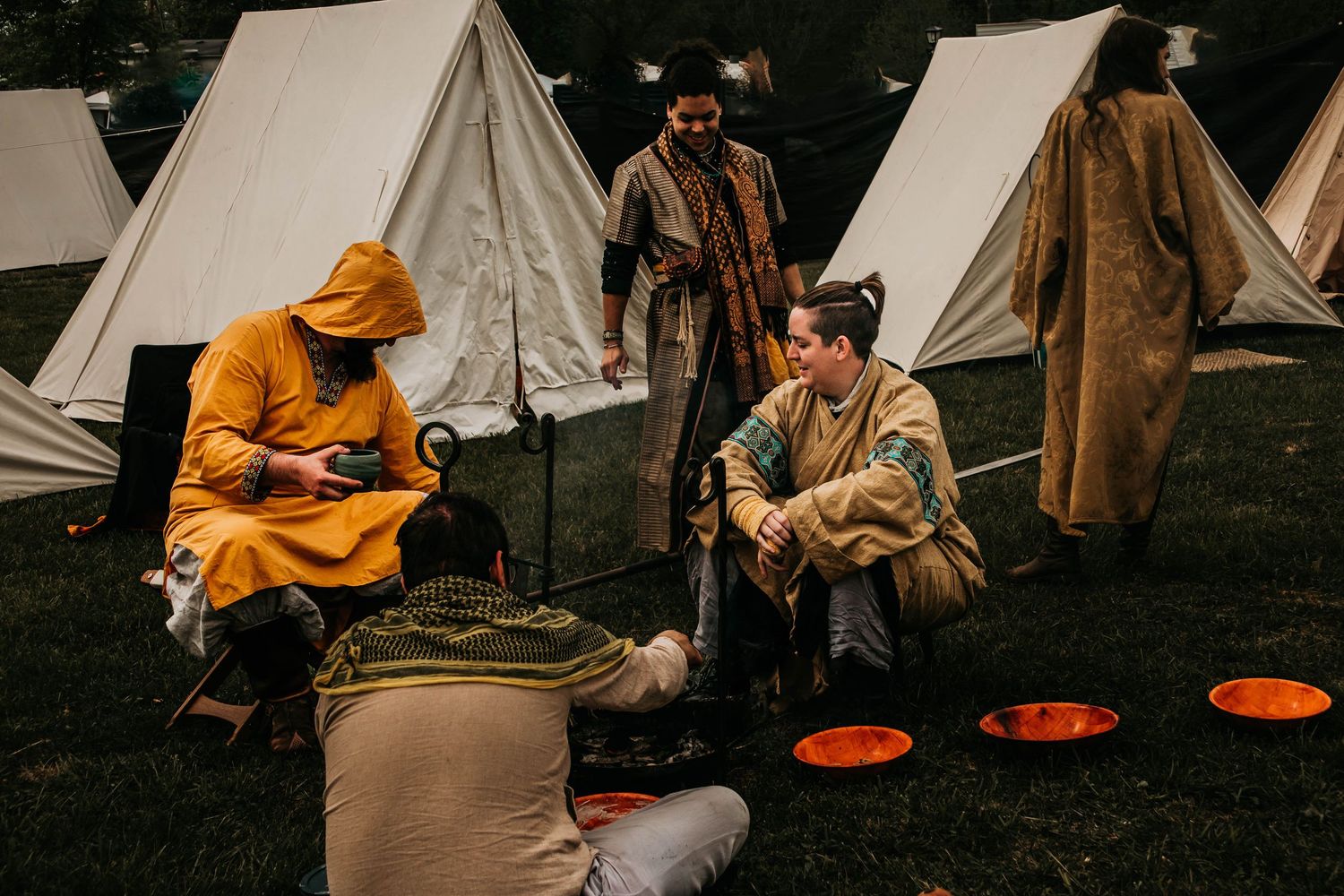
In collaborative storytelling—whether that’s LARP, tabletop RPGs, shared-world roleplay, or long-form character arcs the magic happens in the space between control and chaos. Too much structure, and players feel railroaded. Too little, and the narrative collapses into noise.
So how do you shape story without breaking plot?
This guide is for storytellers, GMs, event runners, writers, and players who want to enhance narrative momentum without stealing agency or unraveling the threads holding the world together.

Your job is not to decide outcomes.
Your job is to:
Create pressure
Offer choices
Reveal consequences
If players can still meaningfully choose how they respond even if the world reacts strongly you’re shaping story, not breaking it.
A good rule of thumb:
If the story still works when players say “no,” you’re doing it right.
Build Rails, Not Trains
“Railroading” happens when the plot moves players instead of players moving the plot.
Instead, build rails:
Clear motivations
Understandable stakes
Visible tensions
Then let players decide:
Which rail to step on
When to jump tracks
Whether to derail things entirely
The plot should be directional, not mandatory.
Use NPCs as Mirrors, Not Mouthpieces
NPCs are one of the most powerful story-shaping tools and one of the easiest ways to accidentally break immersion.
Avoid NPCs that:
Deliver monologues explaining the “correct” choice
Exist solely to push a single outcome
Magically know things they shouldn’t
Instead, use NPCs to:
Reflect player values back at them
Offer biased, incomplete perspectives
Embody the cost of inaction or failure
An NPC saying “If you do this, my family dies” is more compelling than “The plot requires you to go here.”
Stakes First, Solutions Last
When storytellers pre-plan solutions, they unintentionally trap players.
Flip the order.
Design:
The problem
The urgency
The fallout
Leave open:
The method
The alliances
The moral compromises
If players surprise you with a solution you didn’t anticipate—that’s not a failure. That’s collaborative storytelling working as intended.
Let Failure Change the World (Not End the Story)
Fear of “breaking the plot” often leads to soft-failing or invisible safety nets.
But failure doesn’t have to be a dead end.
Good failure:
Alters political balance
Costs resources or trust
Escalates future threats
Bad failure:
Is quietly undone
Is ignored
Punishes players without narrative payoff
If the world reacts honestly to failure, players stay invested even when things go wrong.
Track Consequences, Not Just Events
Many plots break because consequences aren’t remembered.
Keep simple notes on:
Who was wronged
Who benefited
Who noticed
Then let those threads resurface later.
When players realize their past actions still matter, the story gains weight—and cohesion—without extra control.
Communicate Tone Out of Character
Some problems aren’t narrative they’re expectation mismatches.
It’s okay (and healthy) to clarify OOC:
Genre boundaries
Content limits
Desired themes (grimdark, hopeful, political, heroic)
Clear tone lets players self-select into the kind of story you’re shaping, reducing the need for heavy-handed correction later.
Trust the Table
The hardest part of shaping story without breaking plot is letting go.
Trust that:
Players want the story to succeed
Chaos can be meaningful
Not every loose thread needs immediate resolution
When everyone at the table is invested in telling a good story together, control becomes less important than momentum.
A strong plot isn’t brittle.
It bends. It adapts. It survives being touched by many hands.
If your story can be shaped by players without shattering, you haven’t lost control you’ve built something alive.
And that’s the kind of story people remember.
If you’re a storyteller, GM, or event runner looking to refine collaborative narrative design or a player wanting to deepen your impact without dominating the table this philosophy applies across LARP, tabletop, and shared-world roleplay alike.