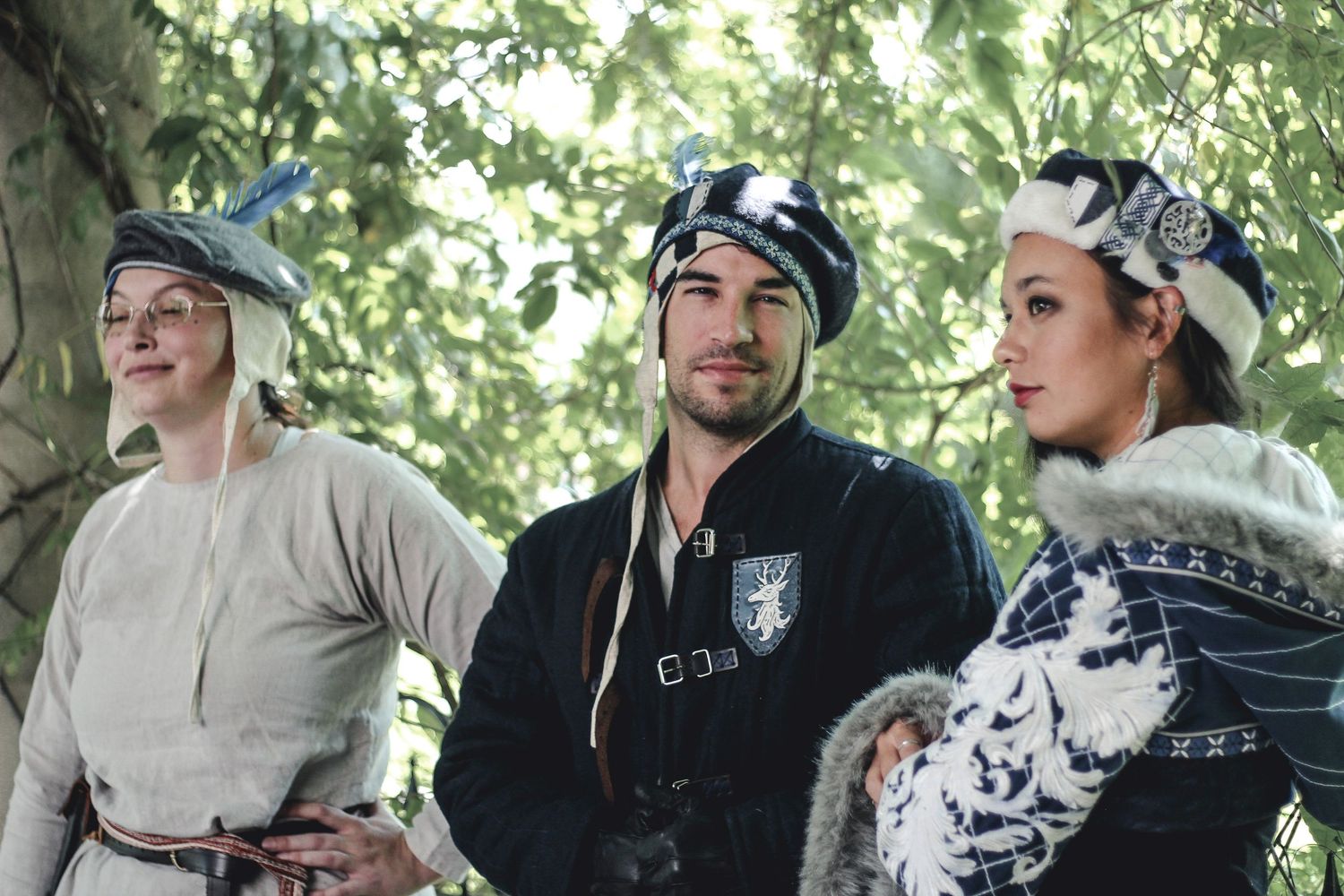
A Guide for LARP, Cosplay, Fantasy Shoots & Story-Driven Portraits
Creating a character concept is where imagination turns into identity. Whether you’re building a persona for LARP, designing a cosplay, planning a fantasy portrait session, or writing a backstory for your next creative project, a strong character concept gives everything else direction your look, your poses, your emotions, and your story.
This guide walks you through building a character from idea to embodiment, in a way that feels intentional, immersive, and uniquely you.
Start With the Core Idea
Before armor, wigs, or props—decide who this character is.
Ask yourself:
Are they a hero, villain, anti-hero, or morally gray?
What role do they play? (Leader, healer, rogue, scholar, monster, deity)
What world do they belong to? (High fantasy, dark fantasy, post-apocalyptic, steampunk, gothic)
Pro Tip: One strong sentence can anchor everything.
“A battle-worn elven commander who hides grief behind discipline.”
If it doesn’t fit that sentence, it doesn’t belong.
Define Their Backstory (Without Overwriting)
You don’t need a novel but you do need motivation.
Focus on:
Origin: Where did they come from?
Conflict: What broke them or shaped them?
Desire: What do they want most right now?
Fear: What would destroy them emotionally?
This informs:
Facial expressions
Body language
How soft or aggressive your posing should be
Whether your character feels open, guarded, or dangerous
Choose Visual Anchors
Now translate story into visuals.
Clothing & Armor
Practical vs ornamental?
Clean vs weathered?
Layered for status or survival?
Color Palette
Warm tones → passion, power, warmth
Cool tones → control, mystery, distance
Neutrals → realism, grit, grounded characters
Stick to 2–4 main colors to avoid visual chaos.
Materials & Texture
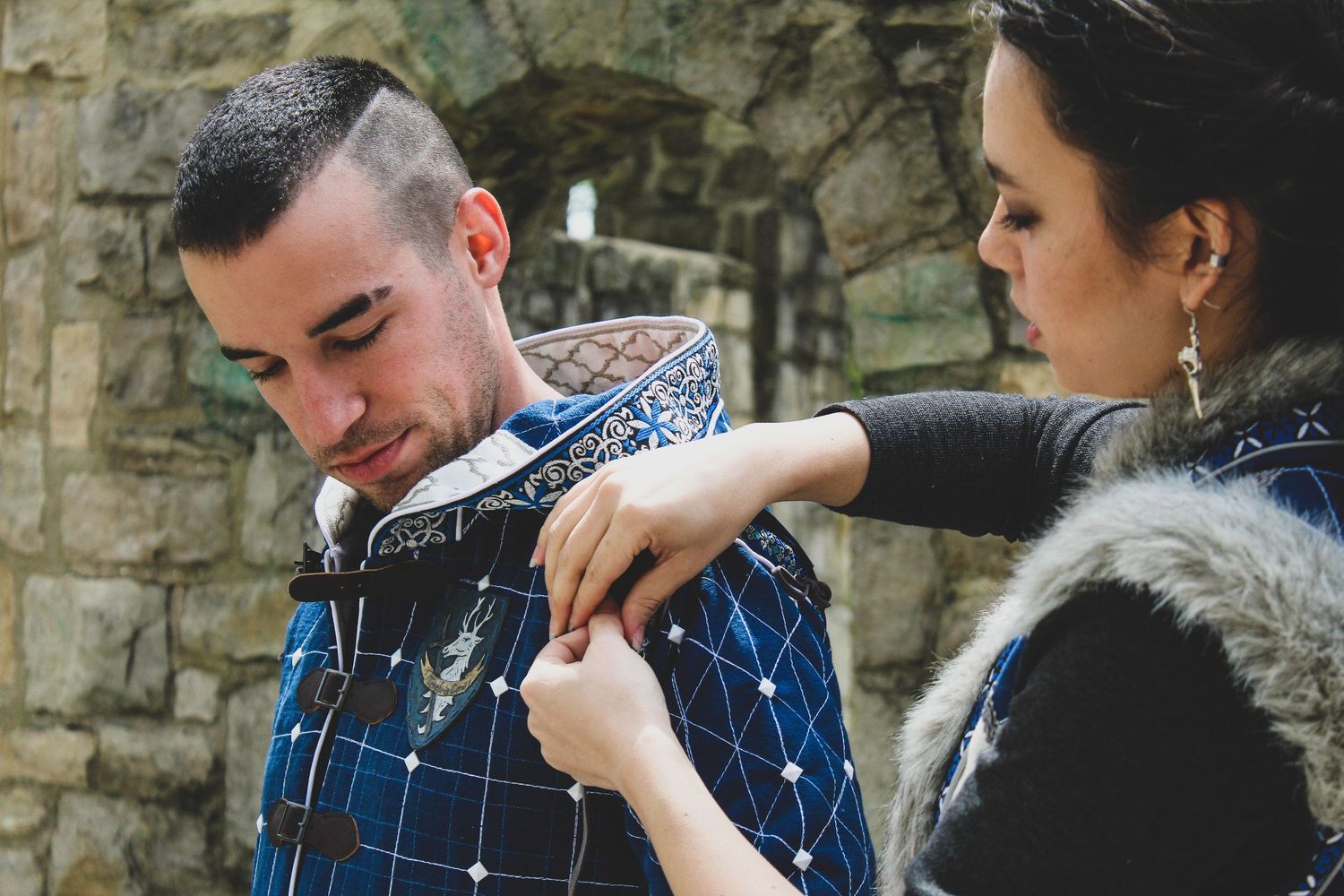
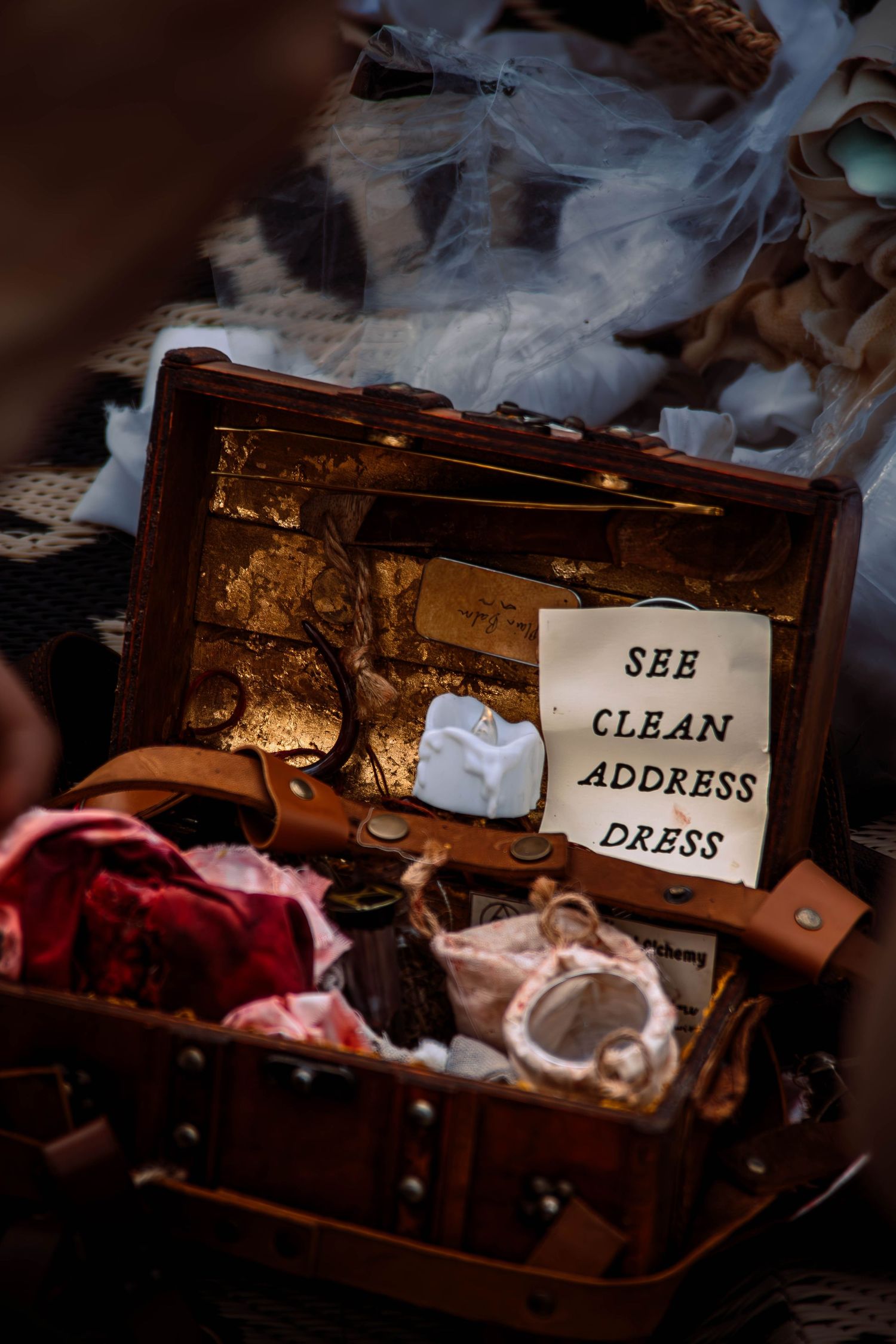
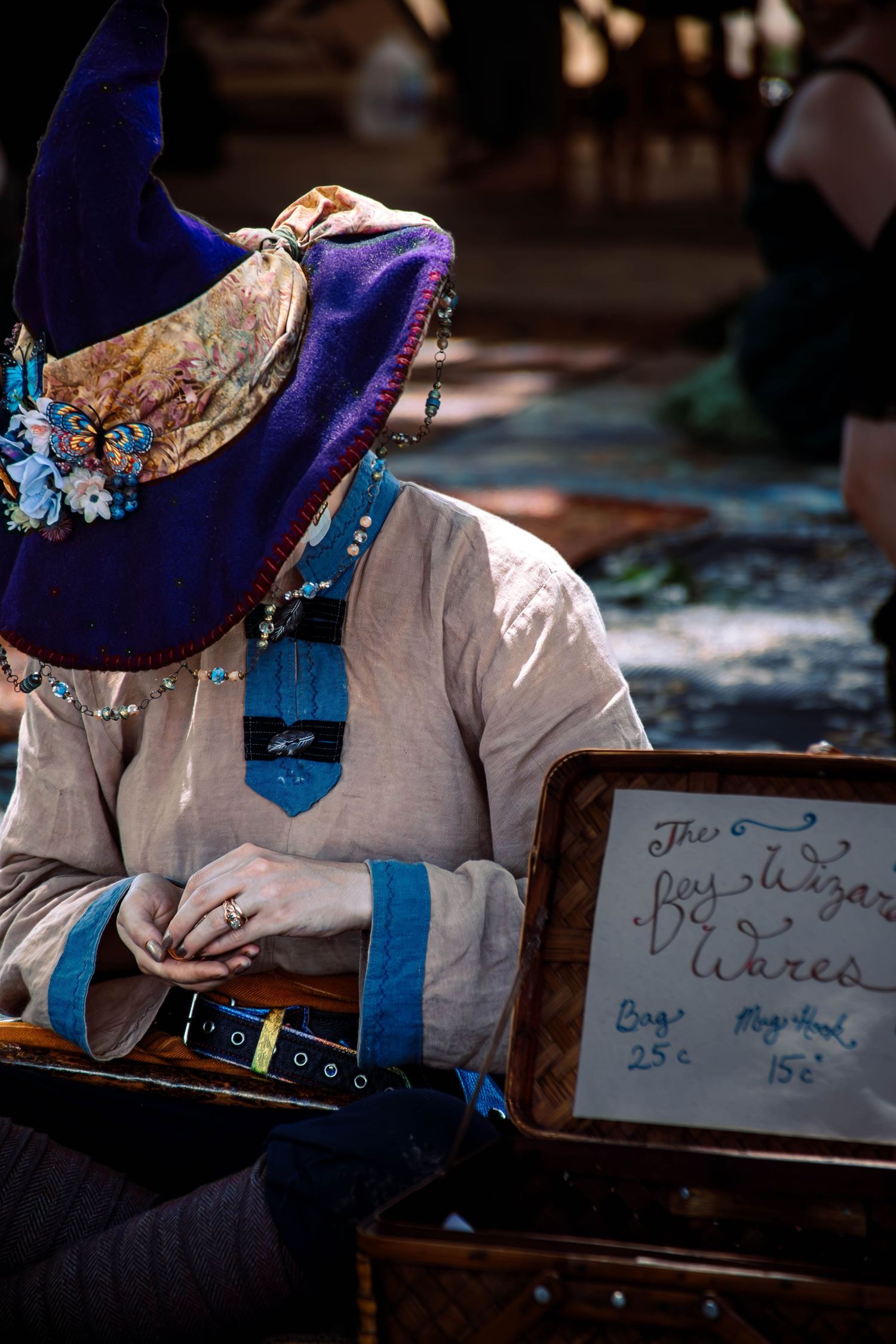
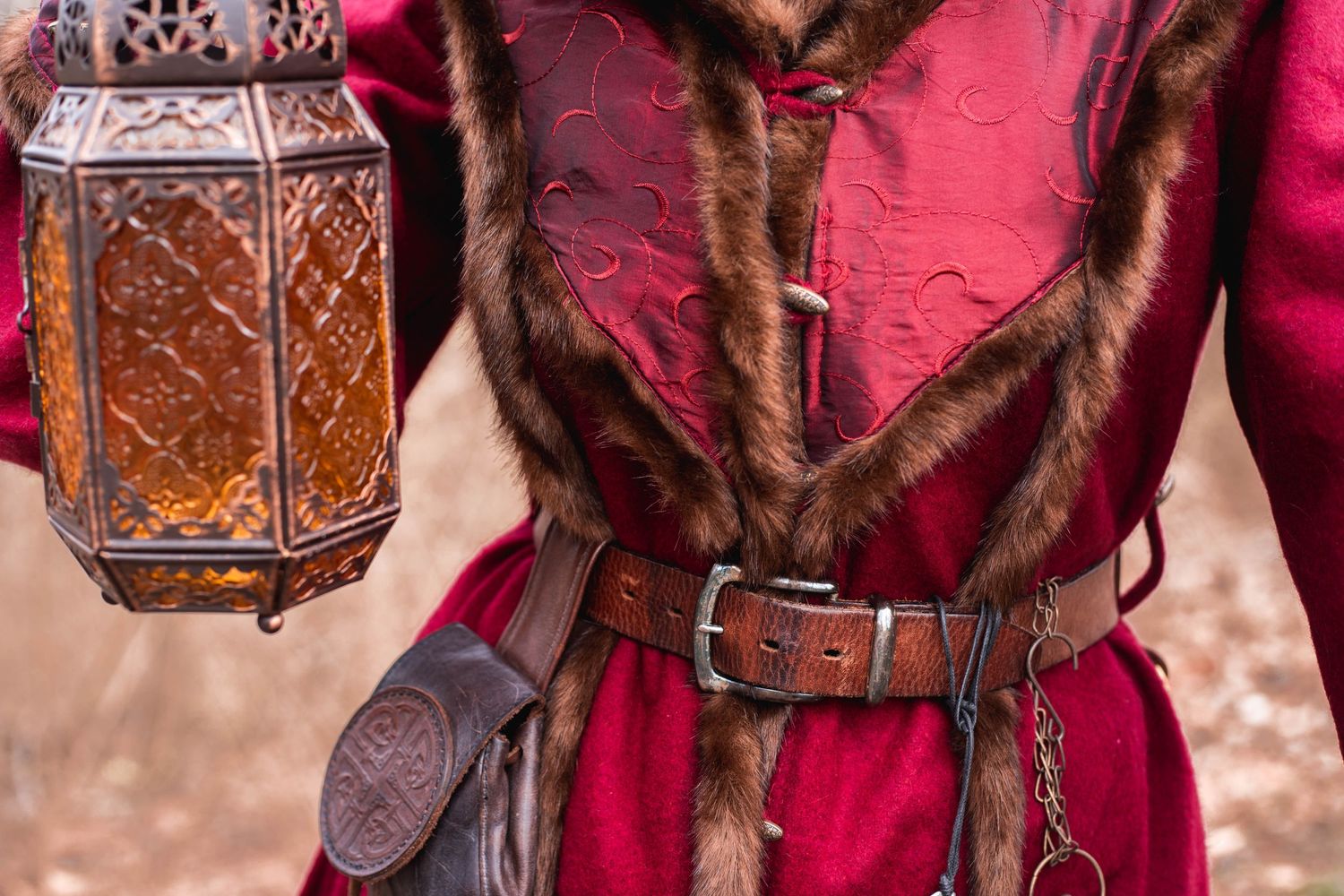
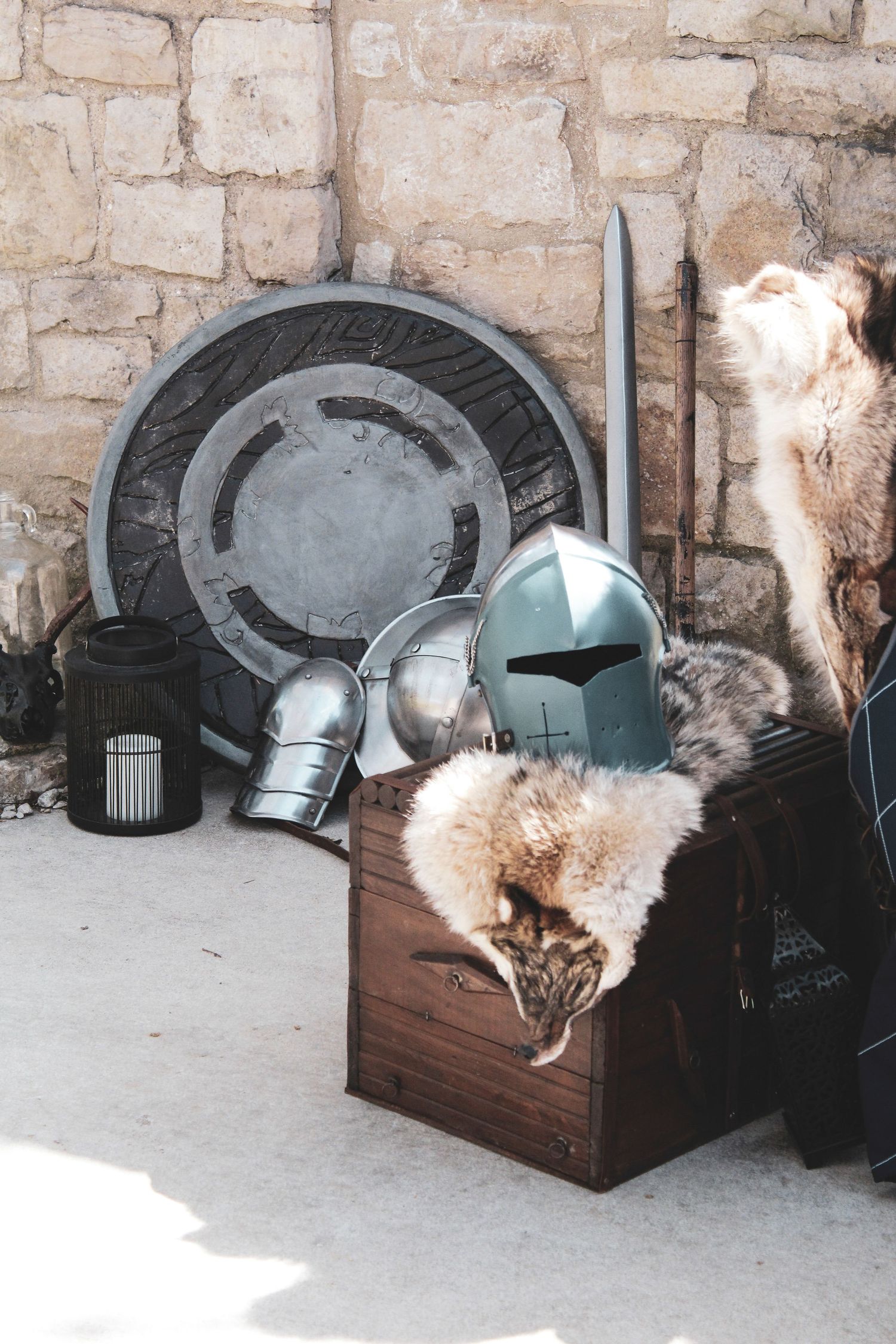
Leather, linen, metal, velvet, bone, lace—texture photographs beautifully and adds realism.
Props That Mean Something
Every prop should tell a story.
Examples:
A chipped sword → survived battles
A book with worn edges → knowledge over strength
Jewelry with a symbol → allegiance, loss, or faith
If you can’t explain why your character has it, consider leaving it behind.
Physicality & Posing
Your body is part of the costume.
Ask:
How do they stand when relaxed?
Do they take up space or shrink?
Are they graceful, rigid, feral, controlled?
Practice:
Neutral stance
Power stance
Emotional stance (rage, grief, longing)
This is where character concepts truly come alive in photos.
Mood, Environment & Setting
Your setting should support the character not fight it.
Think:
Forests for primal or druidic energy
Ruins for fallen empires or broken heroes
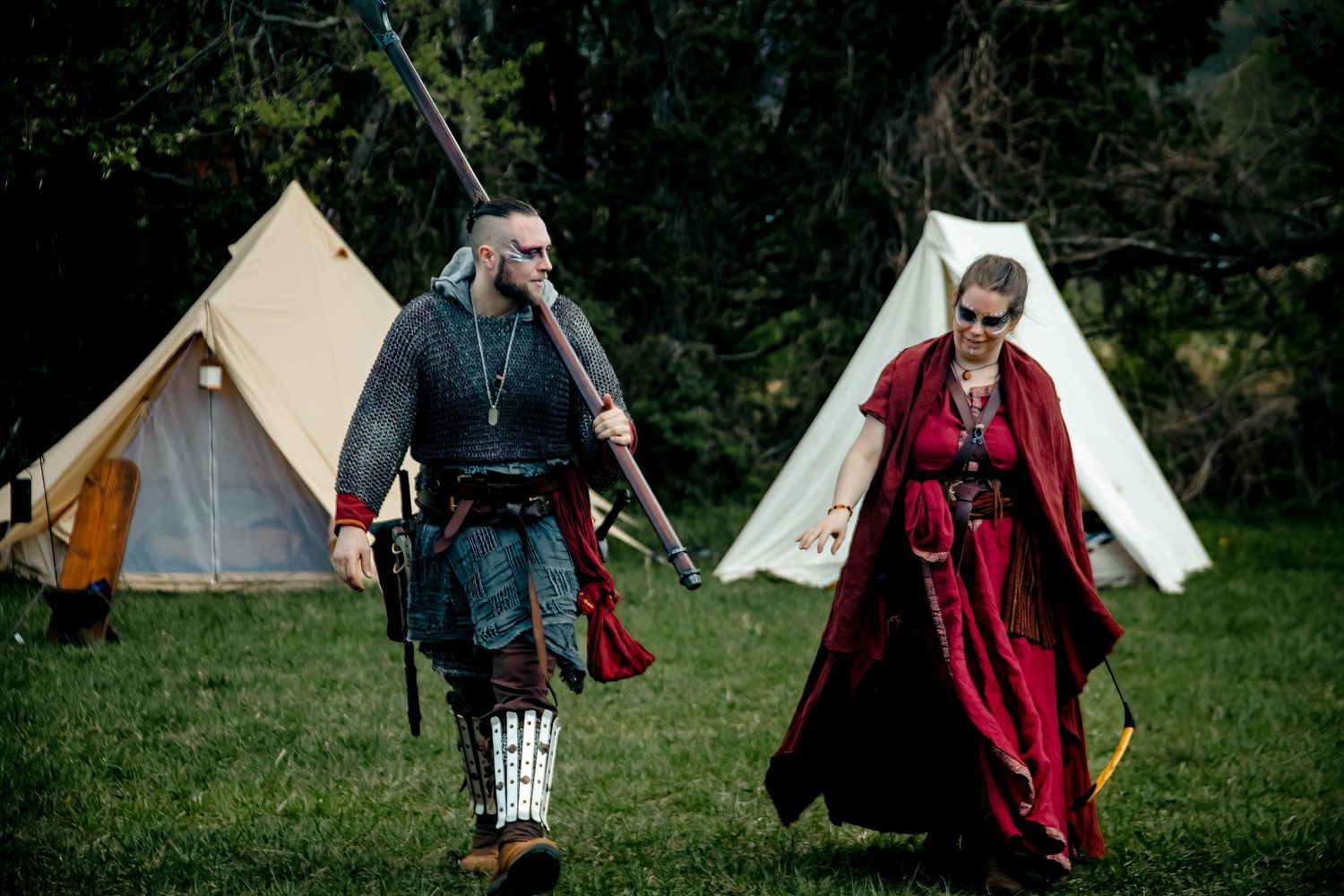
Taverns, castles, or camps for lived-in realism
Lighting matters too:
Soft light → romantic, ethereal
Hard light → harsh, cinematic, battle-ready
Shadows → mystery, secrecy, danger
Bring It All Together for Photography
If you’re creating this character for a photoshoot:
Share your concept sentence with your photographer
Send reference images or a moodboard
Mention emotional beats you want captured
Be open to collaboration some of the best moments are unplanned
Photography isn’t just about how the character looks it’s about how they feel.
Let the Character Evolve
Characters grow. Your concept can too.
After wearing them:
Did something feel more natural than expected?
Did new story elements emerge?
Did the character surprise you?
Lean into that. The best characters are living, breathing creations.
Creating a character concept is an act of storytelling and self-expression. Whether you’re stepping into a battlefield, a fantasy world, or in front of a camera, a well-built character gives you confidence, presence, and purpose.
You’re not just dressing up.
You’re becoming someone with intention.
If you’d like help turning your character concept into cinematic portraits, mood-driven sessions, or LARP-ready imagery, that’s where the real magic happens ✨
What You Should Include in a Character Moodboard
A visual blueprint for bringing your character to life
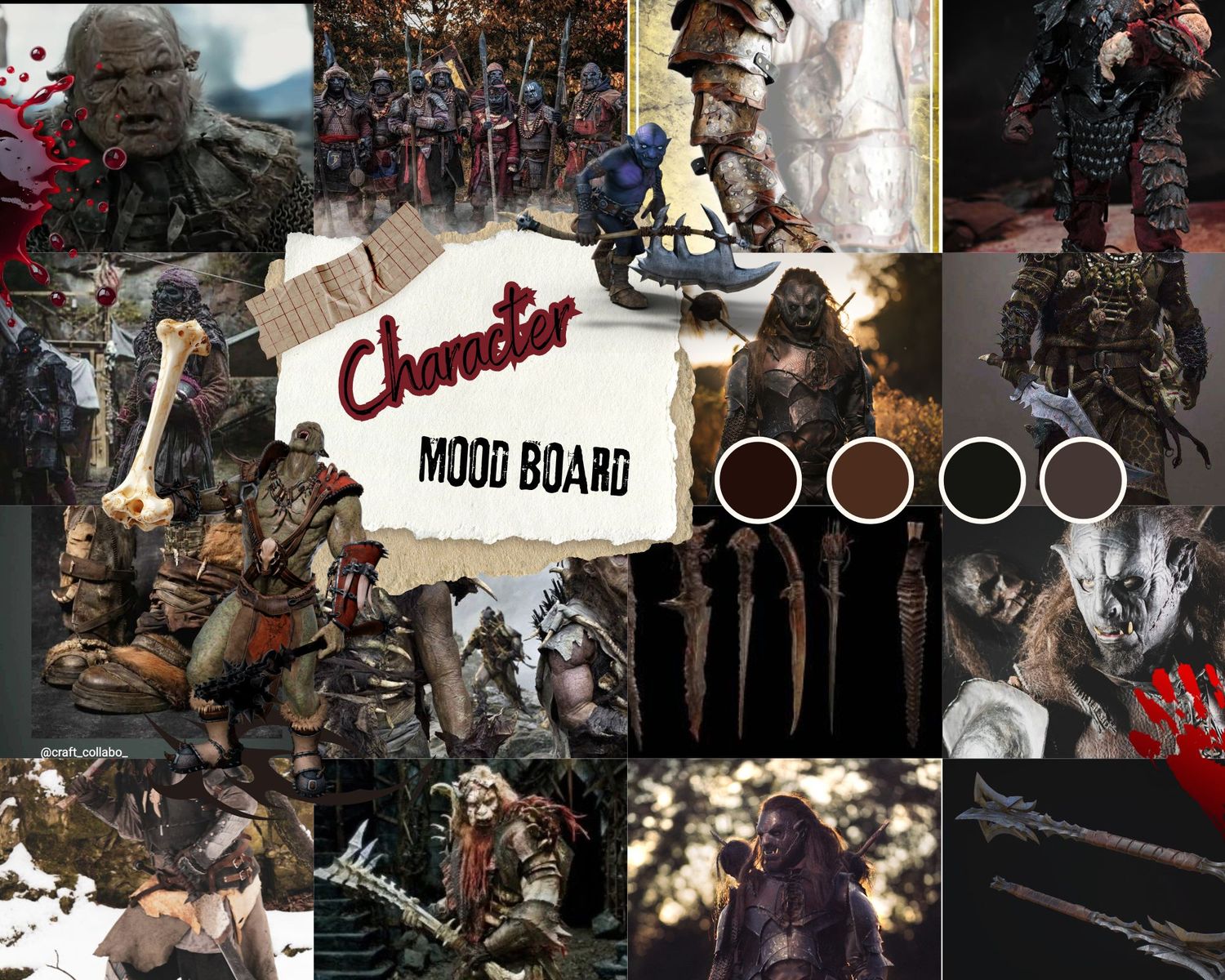
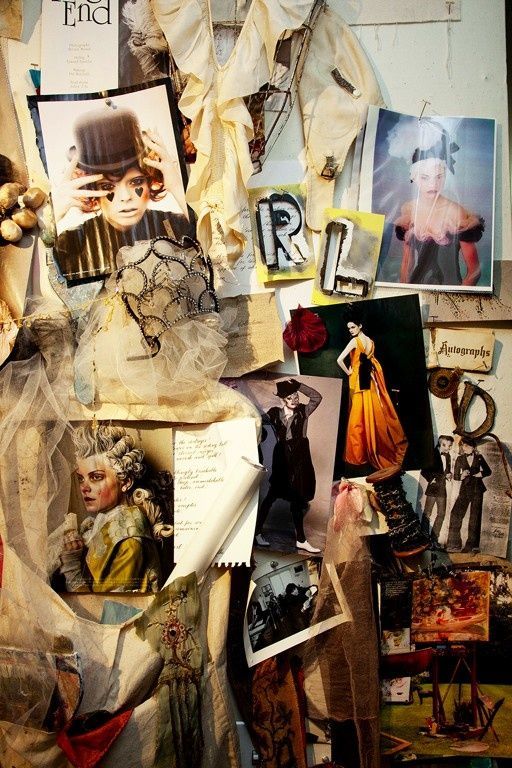
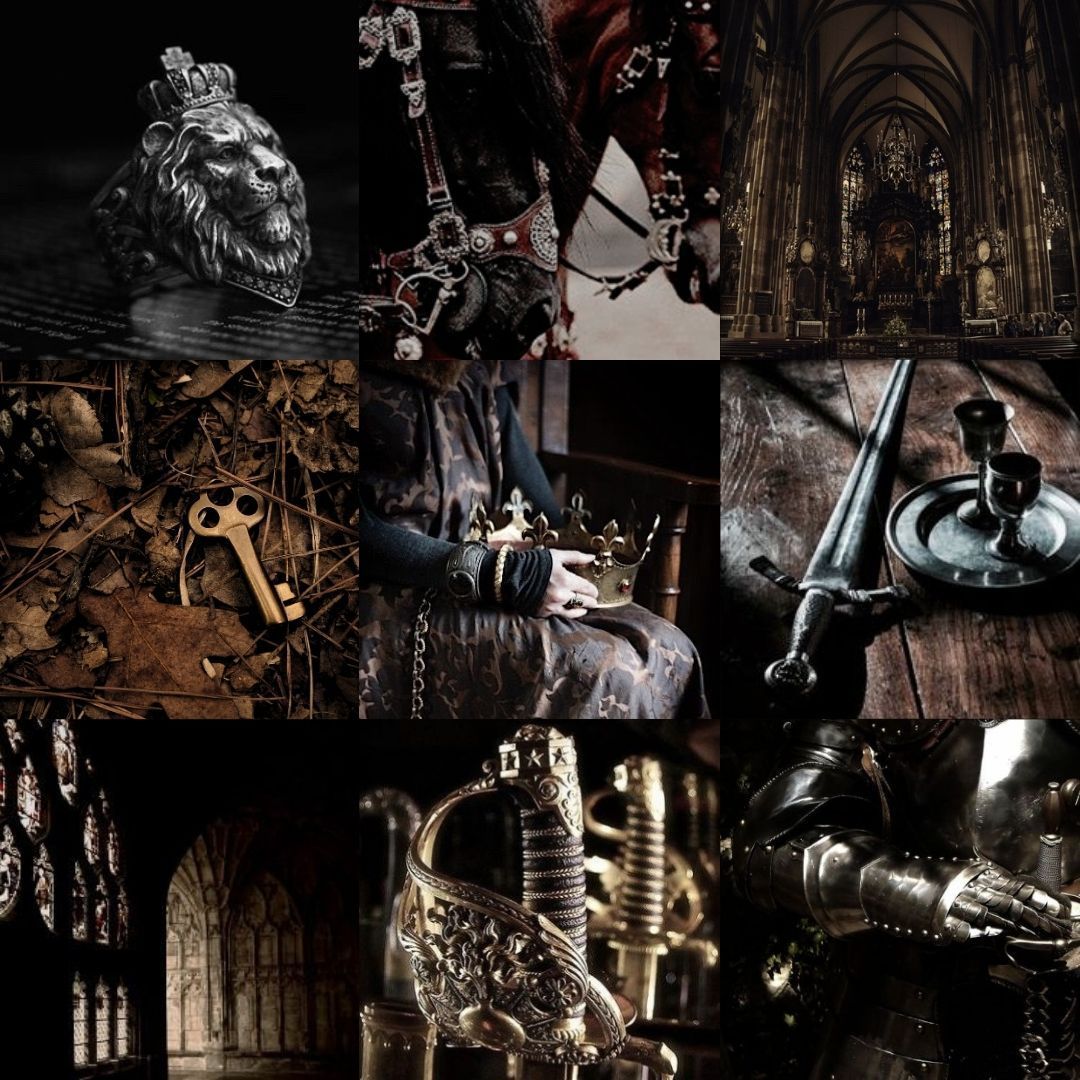
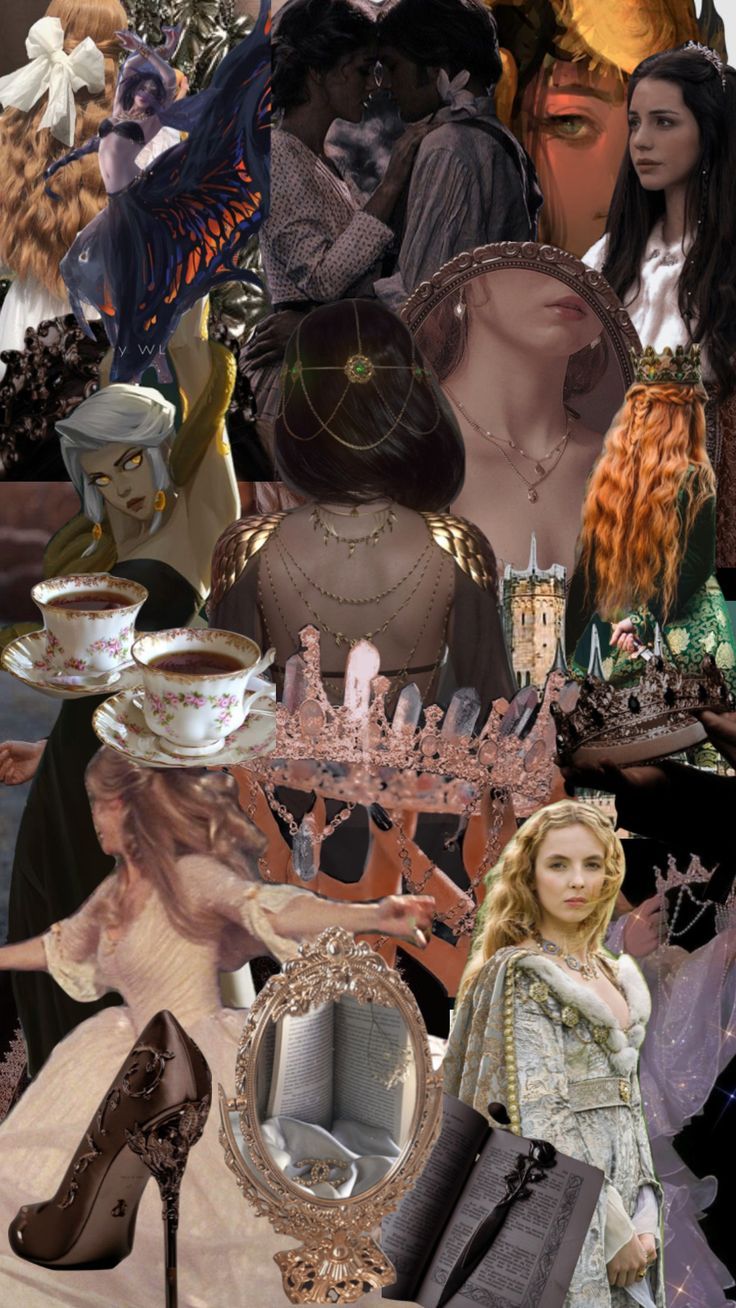
A moodboard isn’t just “vibes” it’s a visual reference tool that keeps your character consistent across costuming, posing, photography, and storytelling. Whether you’re building for LARP, cosplay, writing, or a fantasy photoshoot, here’s what your moodboard should include.
What You Should Include in a Character Moodboard
A visual blueprint for bringing your character to life
A moodboard isn’t just “vibes” it’s a visual reference tool that keeps your character consistent across costuming, posing, photography, and storytelling. Whether you’re building for LARP, cosplay, writing, or a fantasy photoshoot, here’s what your moodboard should include.
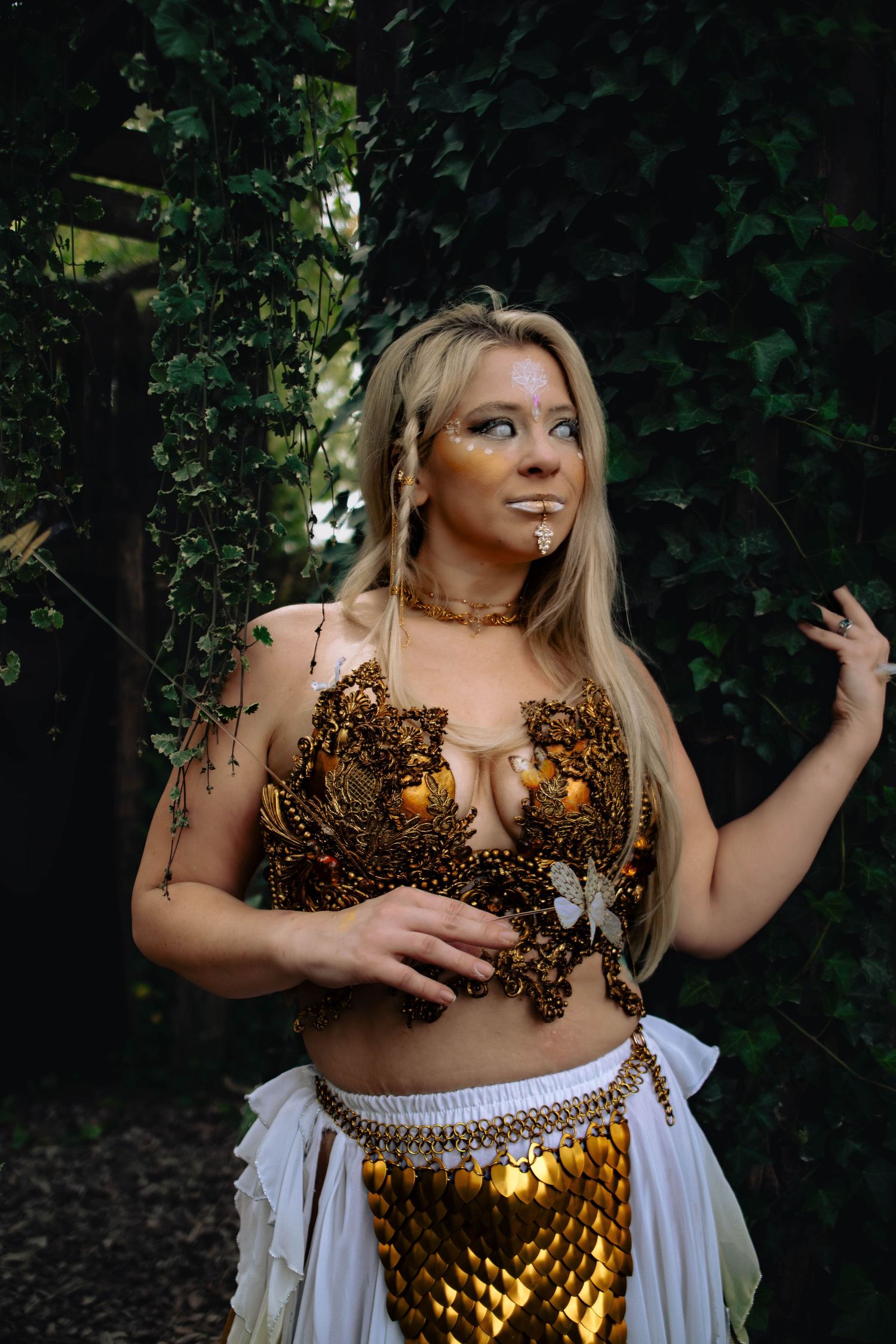
Character Essence (The Vibe)
These images set the emotional tone.
Facial expressions & moods (soft, fierce, haunted, joyful)
Overall energy (regal, feral, mysterious, playful)
Keywords layered on the board (ex: battle-worn, divine, corrupted, gentle power)
Ask: How should someone feel when they see this character?
Color Palette
Limit this intentionally.
2–4 primary colors
1–2 accent colors (metallics, blood red, bone, gold, silver)
Include texture swatches if possible (leather brown, moss green, ash gray)
This keeps costumes, makeup, and props visually cohesive.
Clothing & Silhouette
Not full outfits inspiration pieces.
Armor shapes, cloak styles, corsetry, layering ideas
Sleeve types, necklines, boots, belts
References that show movement (flowy vs structured)
Tip: Focus on shapes and layers more than exact replicas.
Materials & Textures
These add realism and depth.
Leather, linen, chainmail, velvet, lace
Weathered vs pristine examples
Stitching, fraying, patina, battle damage
Textures matter just as much as color in photography.
Hair, Makeup & Body Details
Hair length, texture, braids, adornments
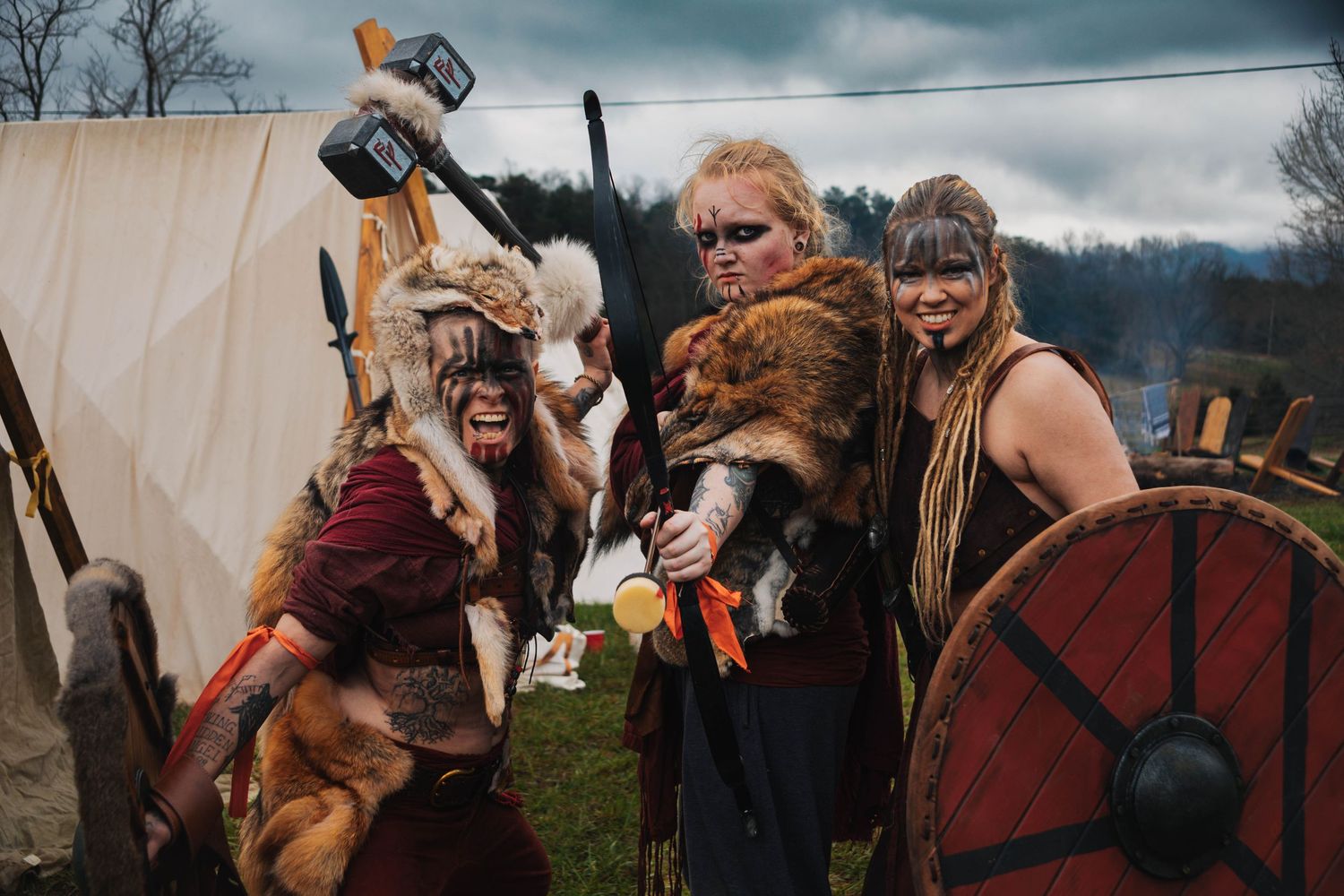
Makeup style (war paint, soft glam, dark eyes, scars)
Skin details (freckles, tattoos, runes, dirt, blood, glow)
These details help lock in character identity.
Props & Symbolism
Everything here should have meaning.
Weapons, books, relics, jewelry
Symbols tied to faith, clan, rank, or trauma
Close-up shots of worn or damaged items
If it tells a story include it.
Environment & Setting
Where does this character belong?
Forests, ruins, castles, camps, temples
Weather inspiration (fog, rain, firelight, snow)
Interior vs exterior energy
This helps with shoot planning and immersion
Lighting & Atmosphere
Lighting defines the magic:
Candlelight & fire glow
Soft misty light
High contrast shadows
Backlighting for halos or silhouettes
Include cinematic lighting references whenever possible.
Do NOT Include
Avoid clutter.
Too many unrelated aesthetics
Conflicting color palettes
Characters with wildly different vibes
“Cool” images that don’t serve this character
A focused board is a powerful board.
If every image on your moodboard supports this sentence, you’re doing it right:
“This character is a __________ who __________.”
If it doesn’t fit—cut it.