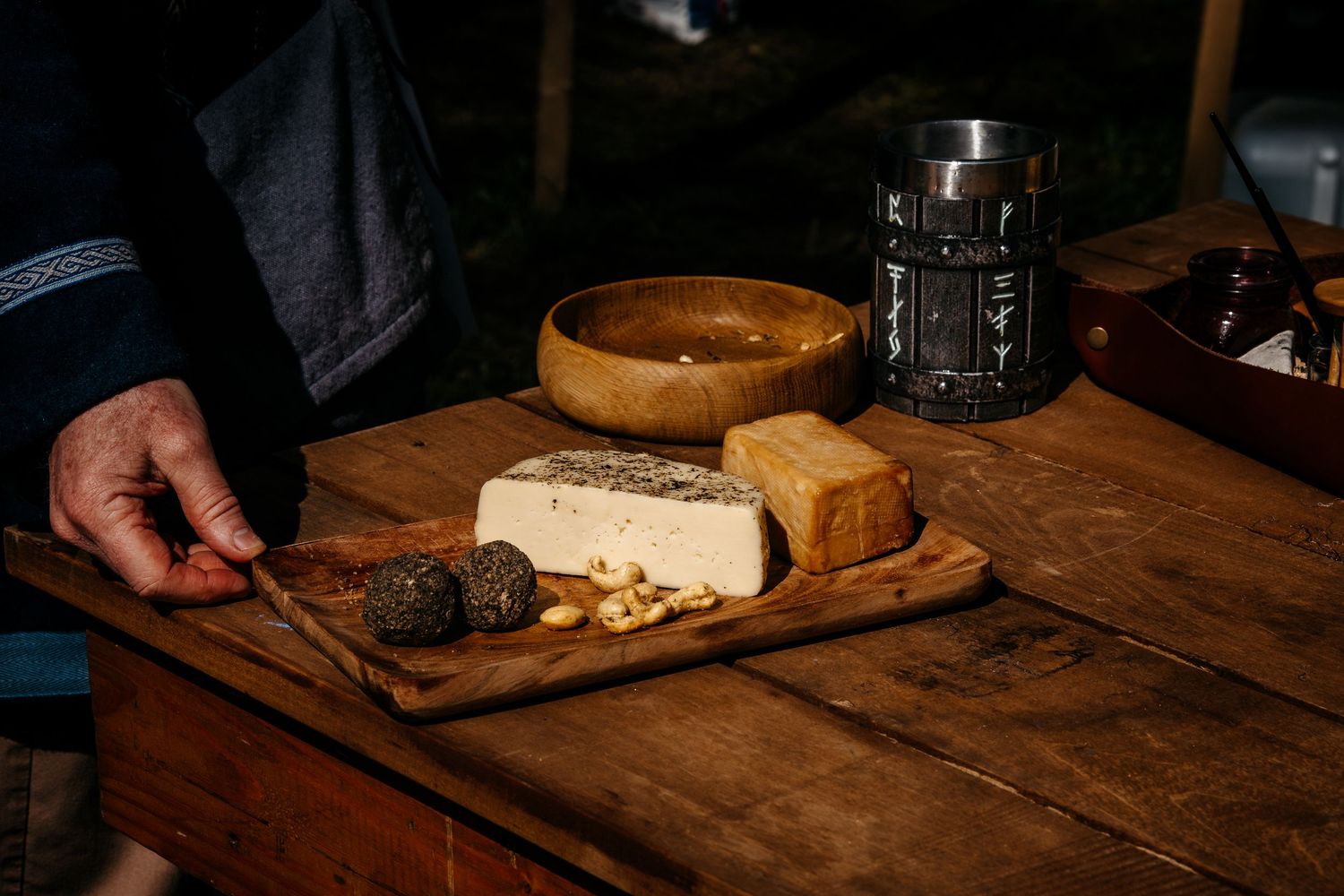
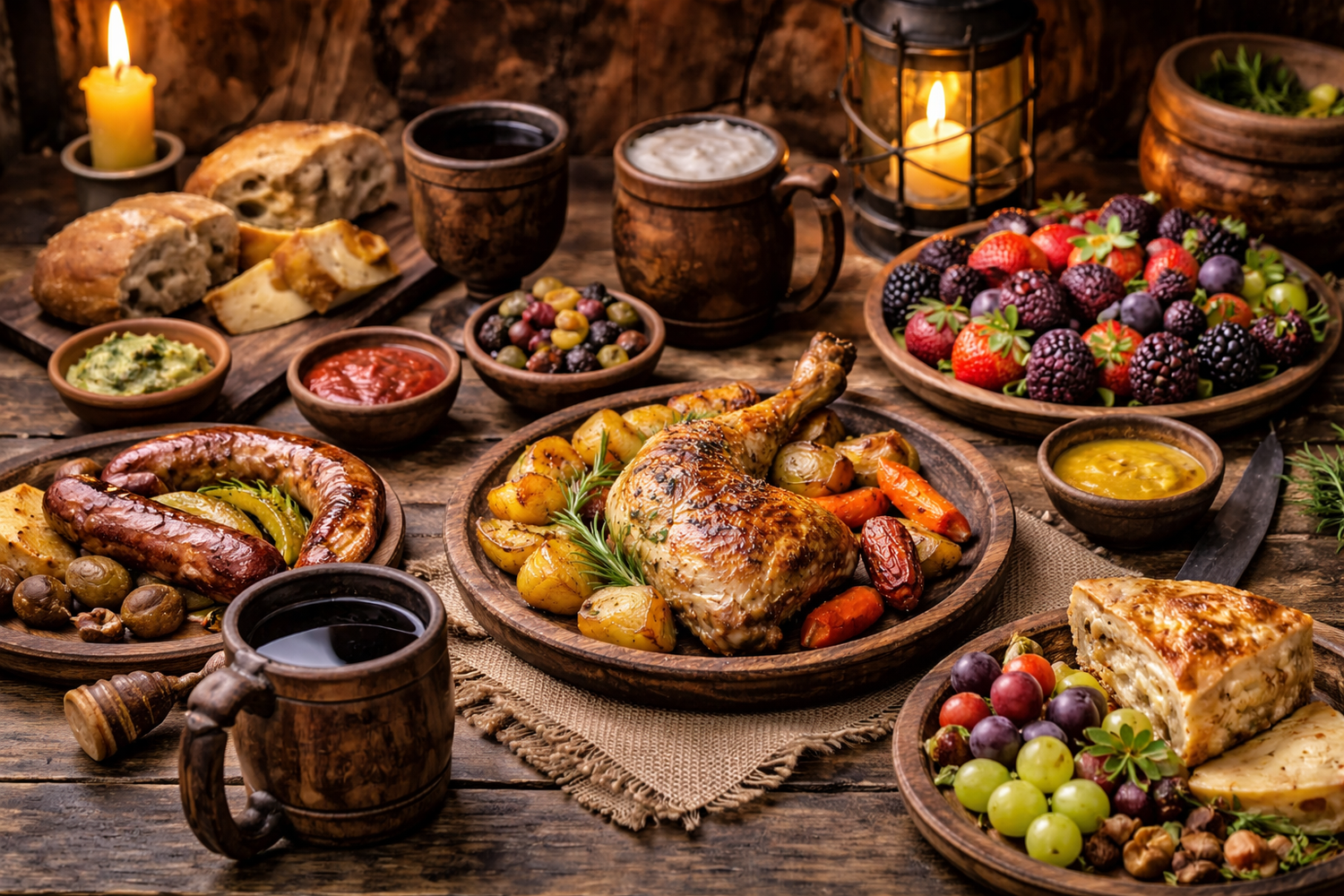
At a LARP event, the kitchen is not just a place to prepare food it is a battlefield, a hearth, a gathering place, and a stage. Whether you are a humble cook, a battle-hardened mercenary stirring a pot between skirmishes, or a courtly chef preparing a feast for nobles, how you move, speak, and interact while cooking matters just as much as the food itself.
Cooking in-character is an art blending immersion, practicality, and performance. It is where roleplay meets real-world logistics, where the clang of iron meets the crackle of flame, and where your character truly comes alive through action.
This guide will help you:
• Maintain immersion while cooking
• Choose appropriate medieval-inspired tools and methods
• Use ingredients that fit the setting
• Balance realism, safety, and practicality
• Elevate your roleplay through culinary storytelling
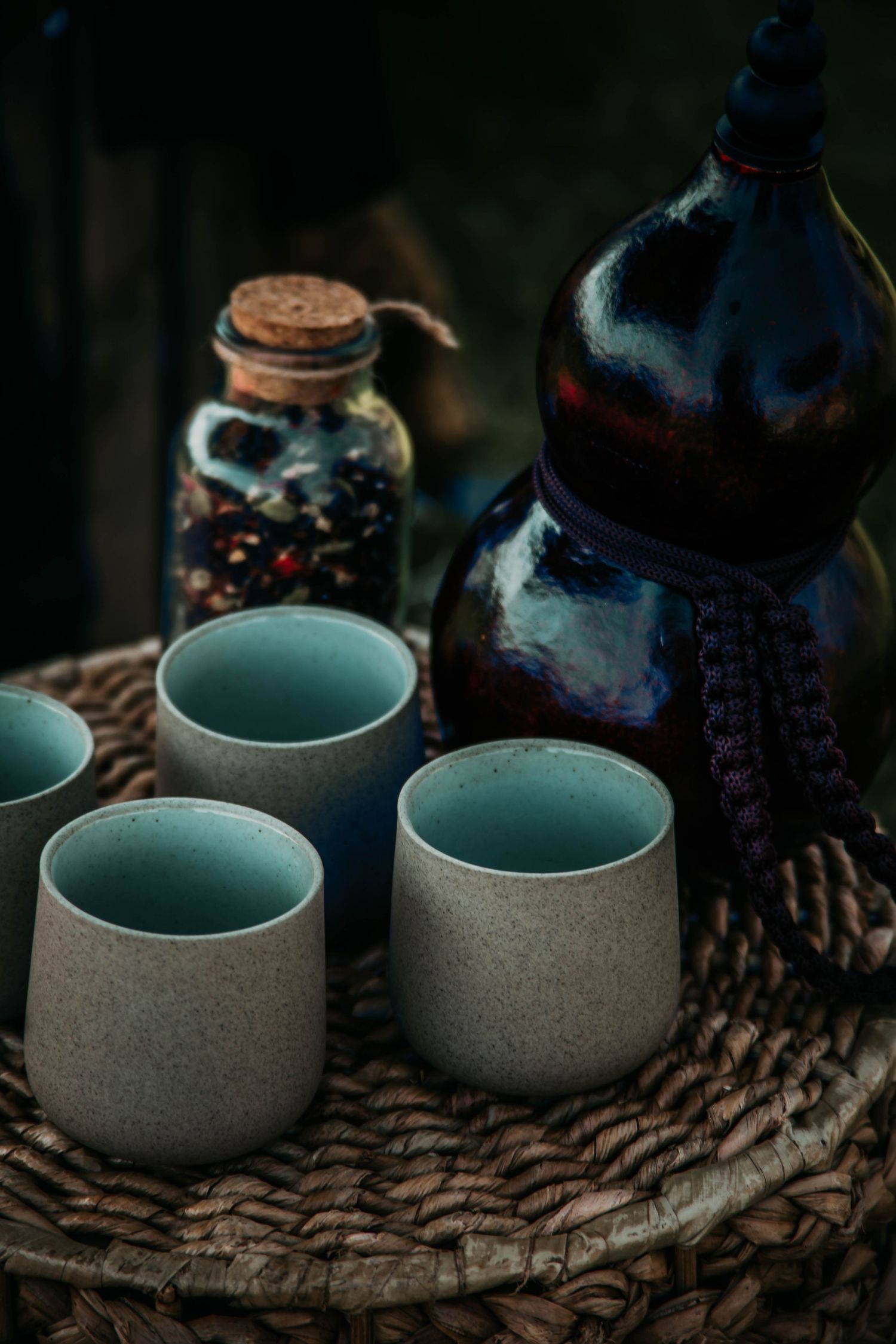
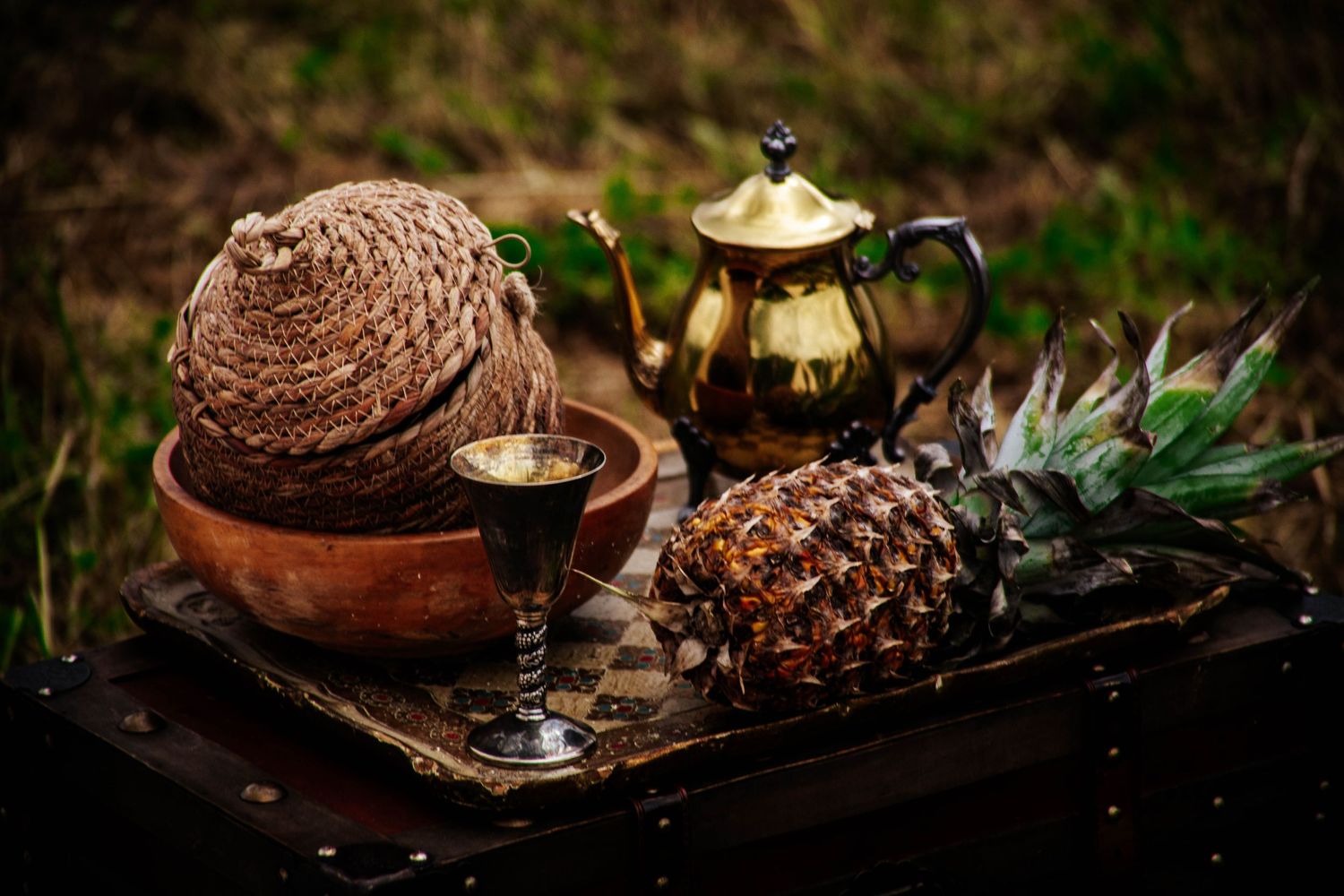
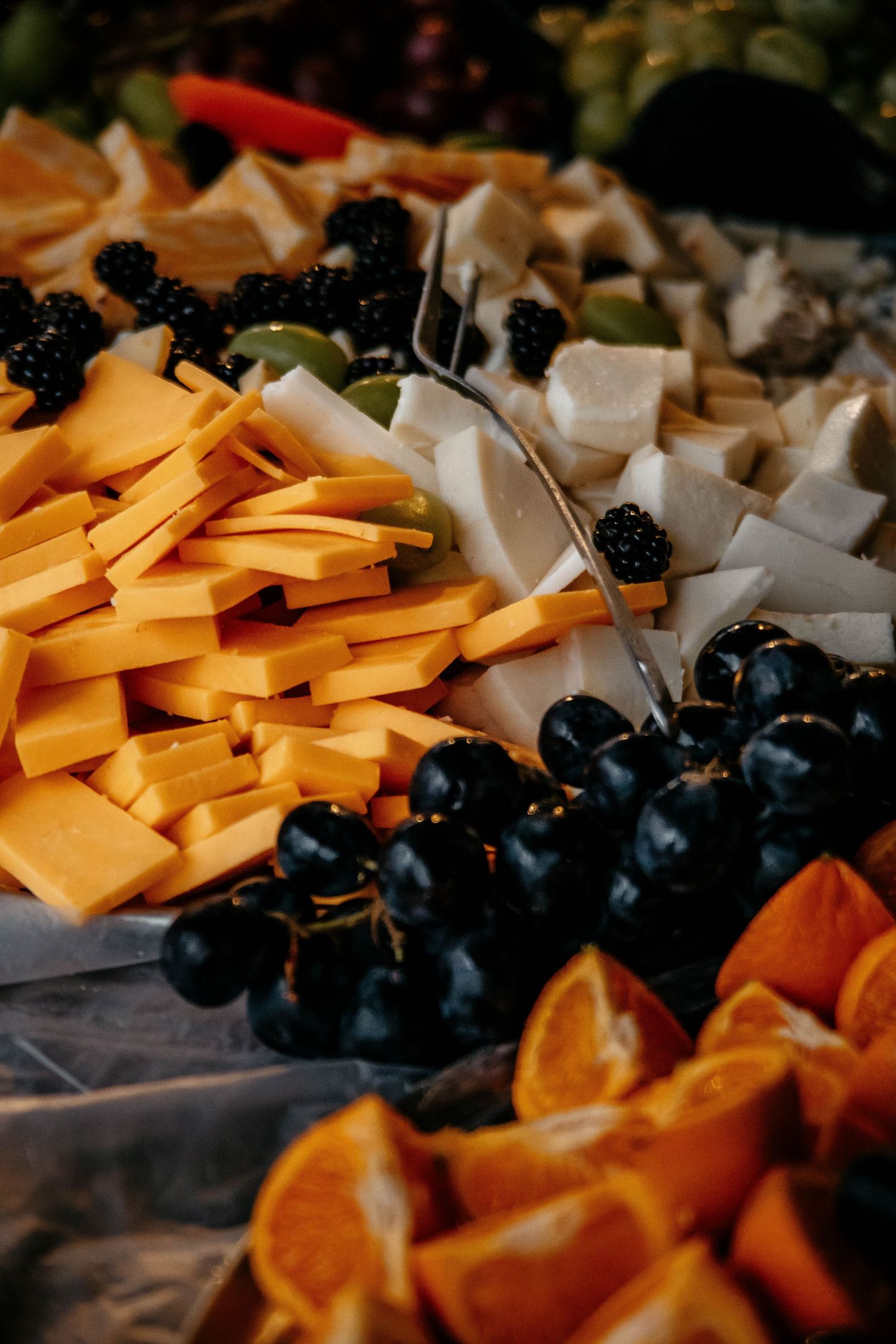
Staying in Character While Cooking
Mindset First: Become the Cook
Before you even light a fire, ask yourself:
• Who is my character?
• Are they refined or rough?
• Are they hurried or methodical?
• Do they cook out of duty, joy, or necessity?
• Are they proud of their food or just trying to survive?
Examples:
A Noble Chef might:
Speak formally
Move with precision
Wipe their hands frequently
Taste-test dramatically
Bark orders to assistants
A Mercenary Cook might:
Chop aggressively
Curse under their breath
Stir with a weapon when a spoon isn’t handy
Throw ingredients in with reckless confidence
A Village Healer might:
Whisper blessings over herbs
Move gently and reverently
Explain the “medicinal” properties of ingredients
Your cooking becomes part of your character performance.
In-Character Cooking Tools (Stay Immersive!)
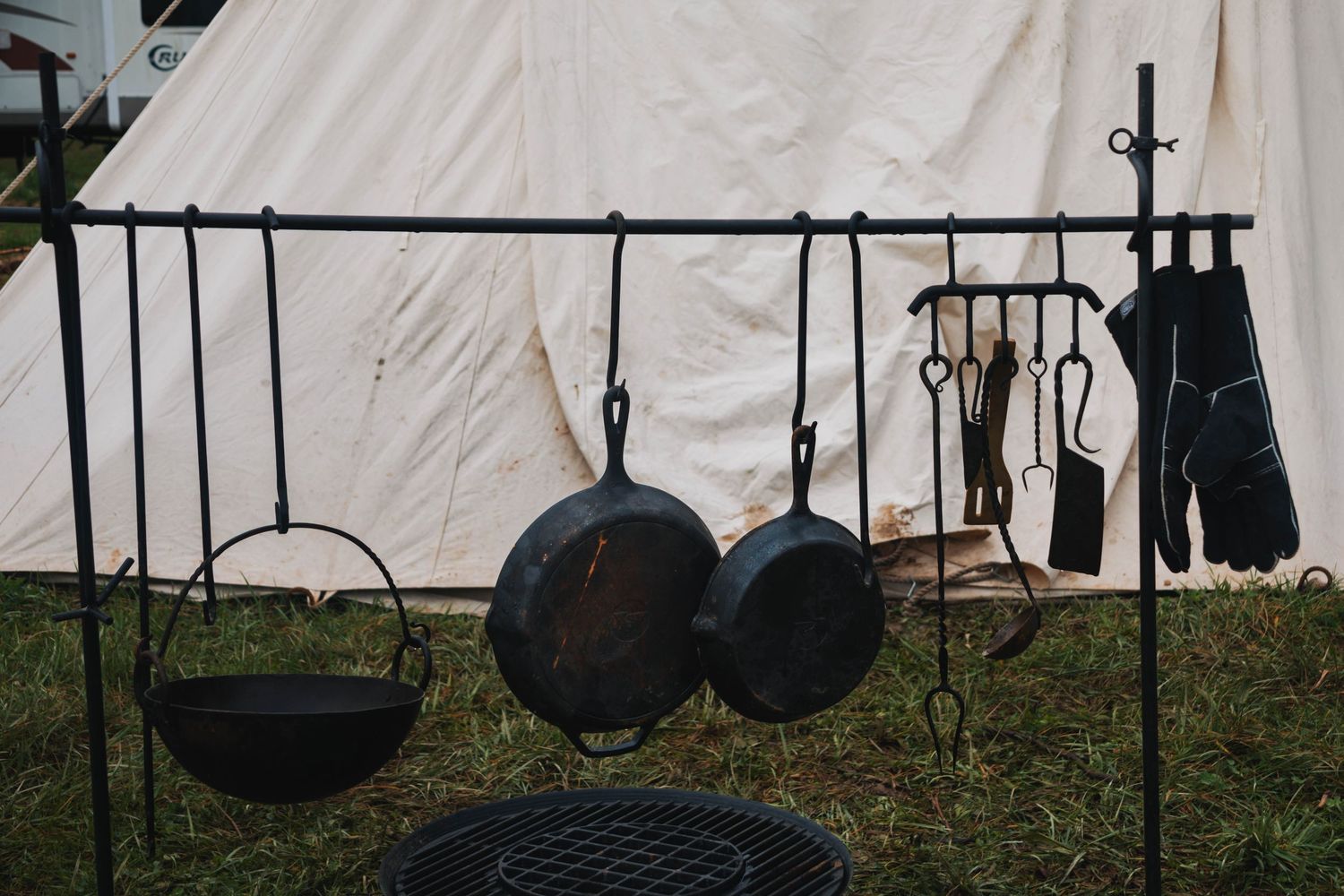
ry to avoid modern-looking tools when possible. Instead, lean into medieval-style or rustic items:
🔥 Fire & Heat Sources
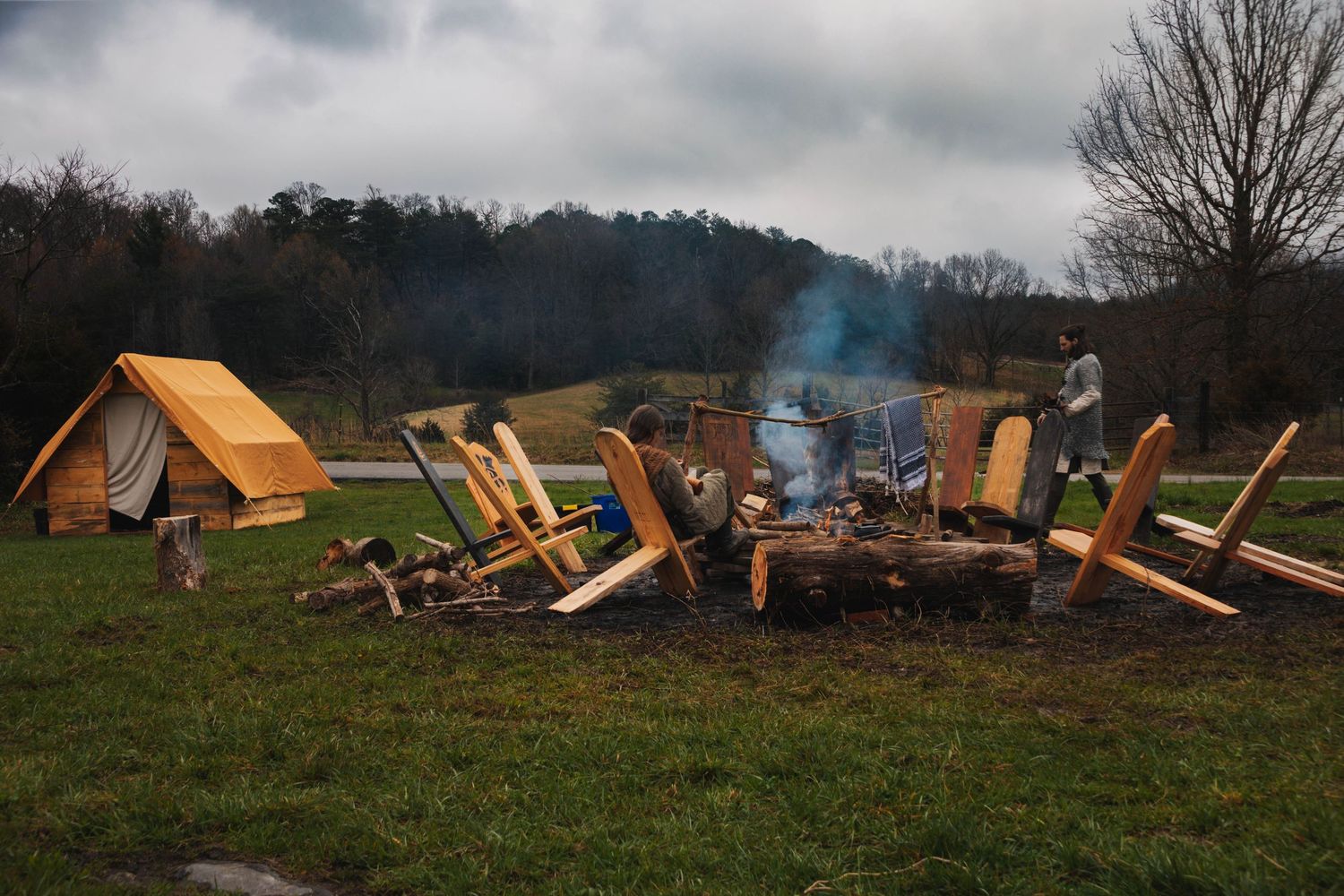
• Open fire pit
• Charcoal grill disguised with stones
• Dutch oven in the coals
• Tripod over fire
• Cast iron pan
• Iron cauldron
🍽️ Utensils
• Wooden spoons
• Iron ladles
• Leather-wrapped handles
• Clay or metal bowls
• Wooden cutting boards
• Hand-forged knives (or prop-safe versions)
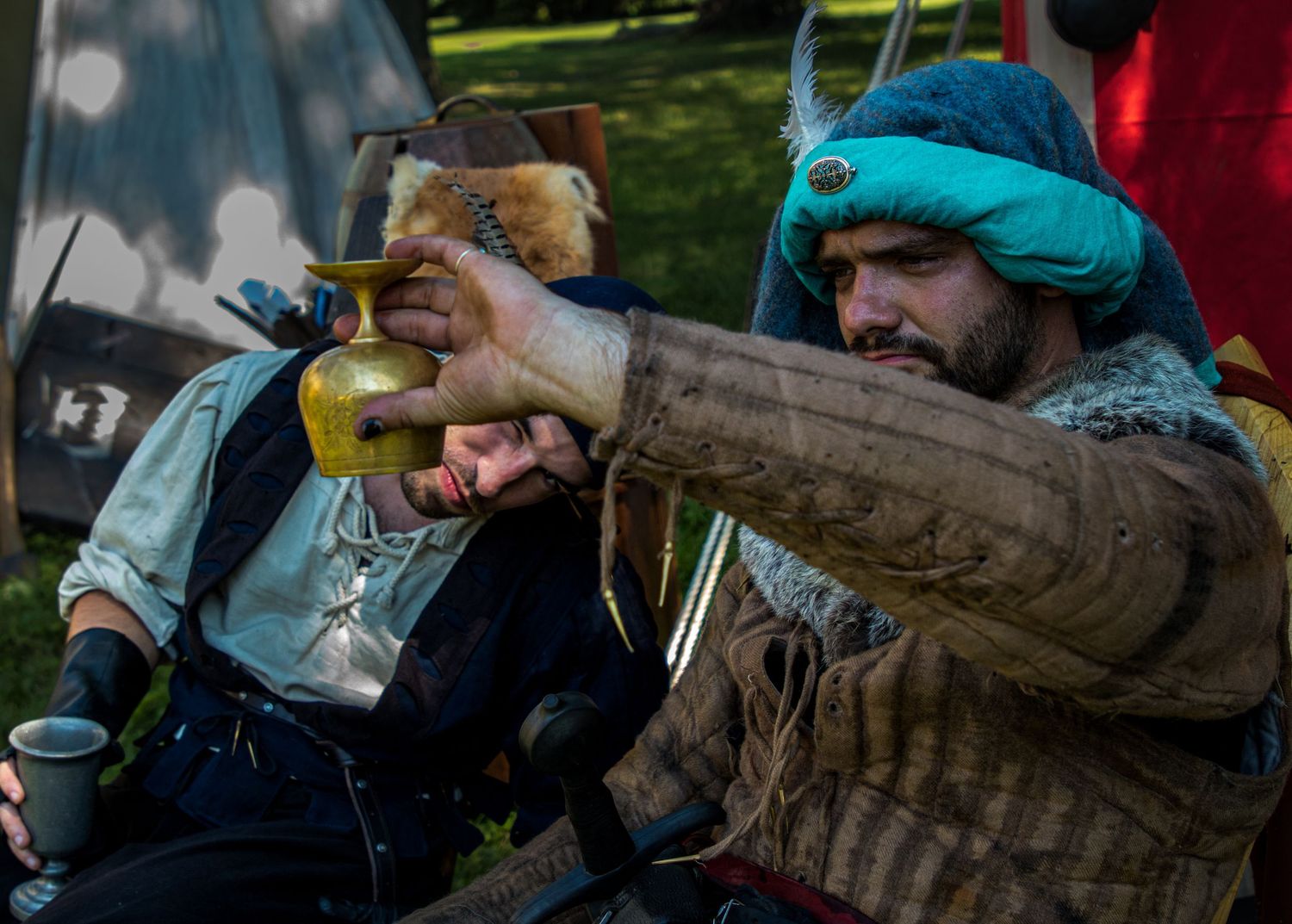
🧂 Serving Ware
• Wooden trenchers (plates)
• Clay mugs or goblets
• Pewter cups
• Leather tankards
• Linen cloth instead of paper towels
If you must use modern tools for safety (which is totally fine), keep them out of sight when possible
Medieval-Vibe Ingredients That Fit the Setting
Here are ingredients that feel period-appropriate and immersive:
🥩 Proteins
• Chicken (whole or thighs)
• Beef (stew cuts, roasted)
• Pork (sausage, chops, or roast)
• Rabbit (if your event allows)
• Salted or smoked meats
🥕 Vegetables & Grains
• Carrots
• Turnips
• Onions
• Cabbage
• Leeks
• Garlic
• Potatoes (fantasy flexibility allowed 😉)
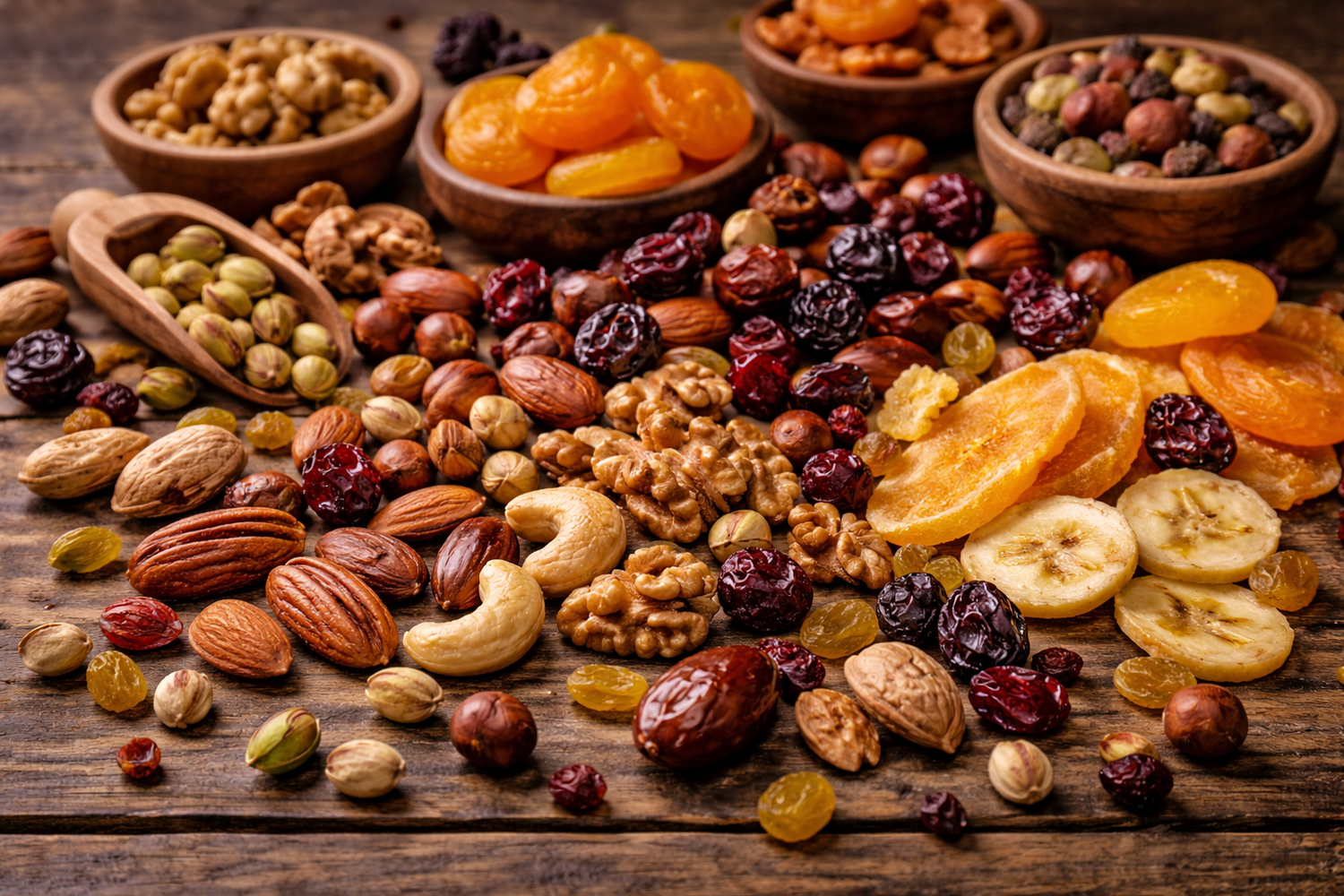
• Barley
• Lentils
• Dried beans
• Bread (flatbread, rye, or sourdough)
🌿 Herbs & Seasonings
• Rosemary
• Thyme
• Sage
• Parsley
• Bay leaves
• Black pepper
• Sea salt
• Honey
• Vinegar
These ingredients not only taste great they look and smell like the world of your character.
Decorum & Etiquette at the Campfire
To stay immersive and respectful:
✔️ Avoid modern slang
✔️ Speak in character when possible
✔️ Keep modern packaging hidden
✔️ Don’t use plastic plates in public view
✔️ Clean up discreetly
✔️ Share food like a true camp or clan
If someone asks, “What are you making?” respond in-character:
“Stew worthy of a king… or at least a tired mercenary.”
Cooking as Storytelling
Every dish you make can tell part of your character’s story:
• A battle-scarred cook stirring stew reflects survival
• A noble chef plating food with care reflects status
• A healer brewing herbal tea reflects wisdom
Food is roleplay.
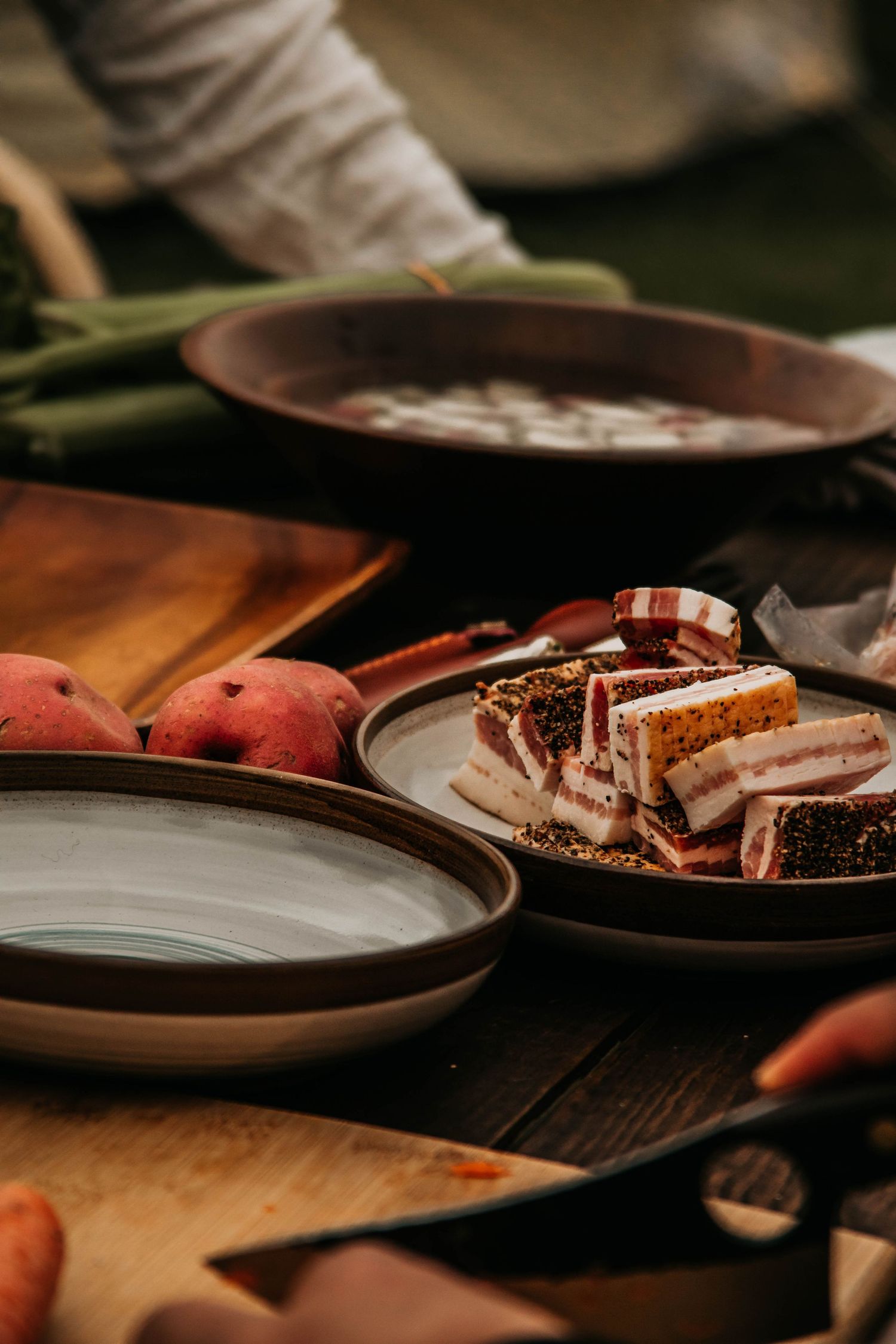
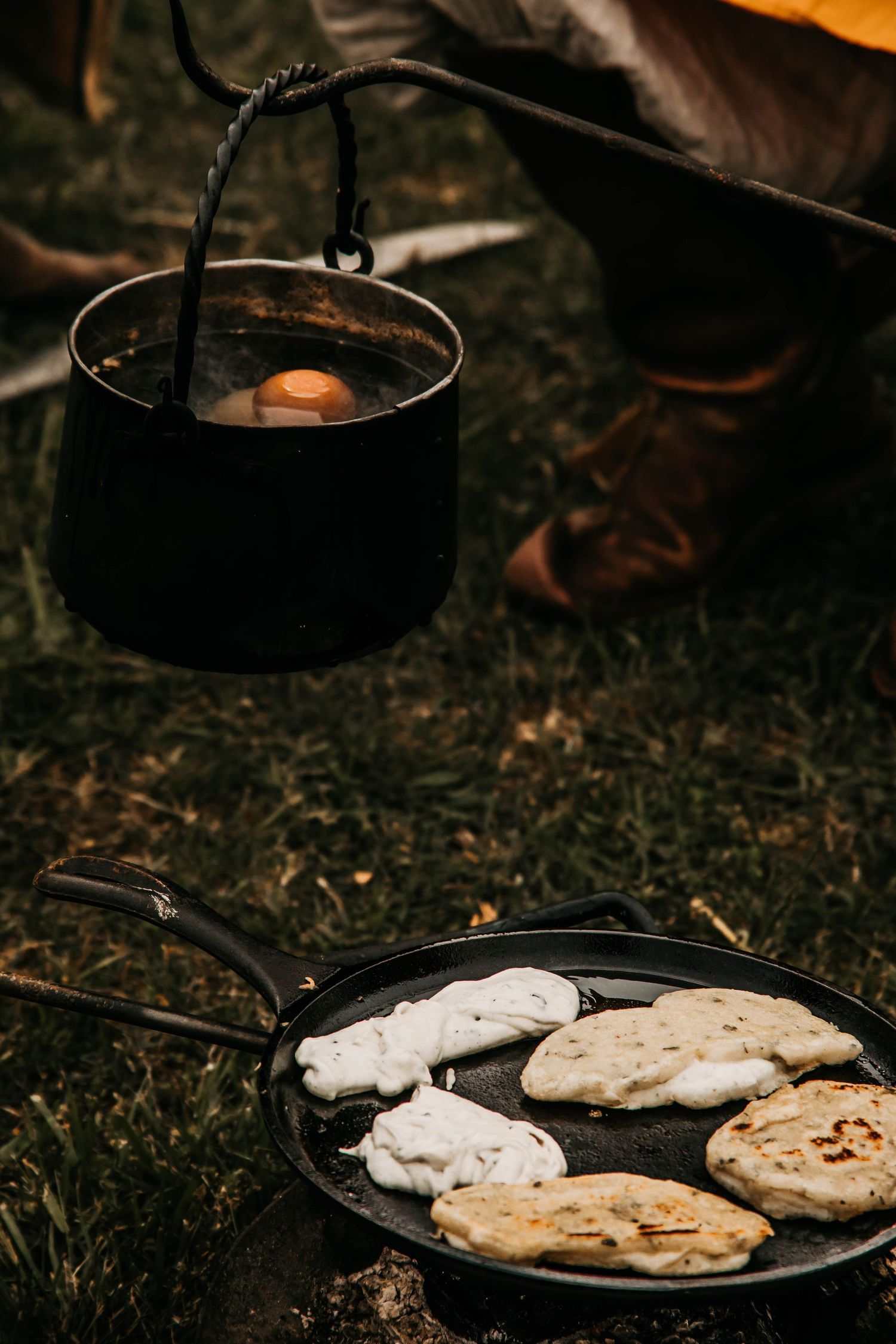
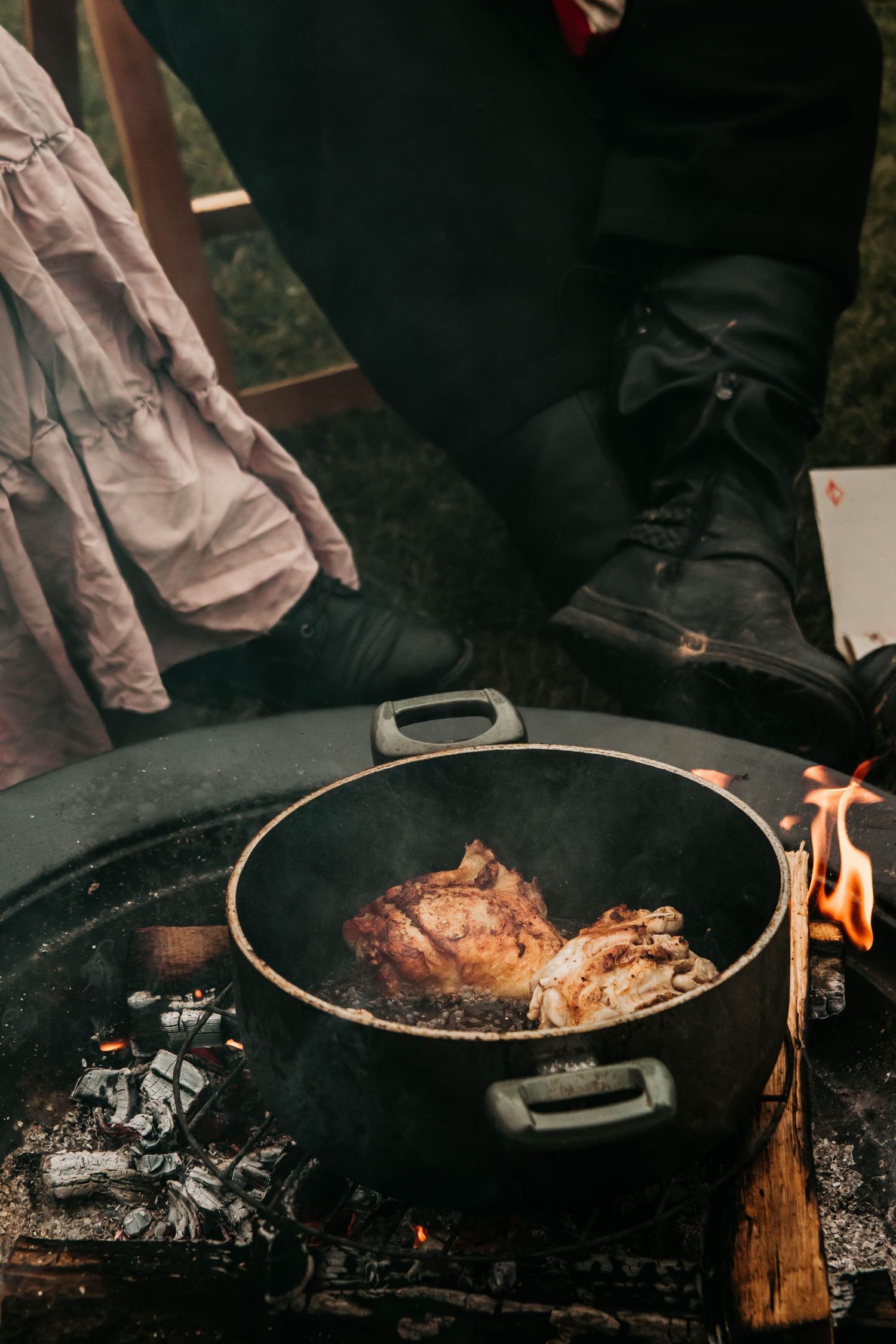
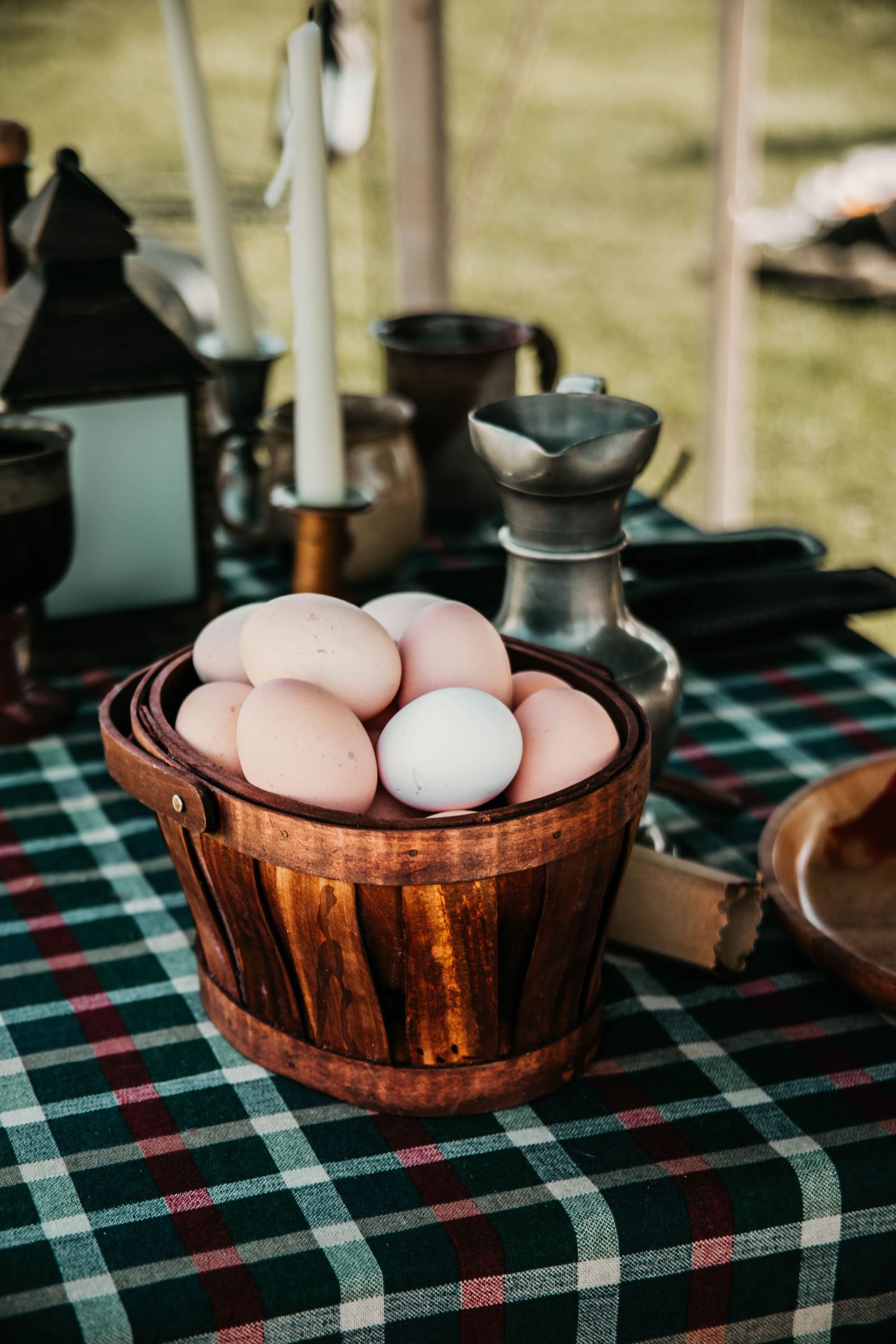
Cooking at LARP is more than just feeding yourself it is a chance to deepen your immersion, build community, and bring your character to life in a tangible way.
So stoke the fire.
Sharpen your blade.
Season your pot.
And let your character cook their legend into every meal.
Immersive Camp Recipes
Campfire Recipe Codex
Search, filter, then flip through recipes like a little spellbook.
RECIPES list.