Because battle isn’t for everyone and that doesn’t make you less heroic
Accessibility Resource: Non-Combat Roleplay Options
Not every character swings a sword.
Not every player can.
LARP is a shared storytelling experience, not a test of physical endurance or combat ability. This resource exists to affirm, support, and empower players who cannot or choose not to engage in physical combat due to health concerns, disability, neurodivergence, injury, sensory limitations, trauma, or personal boundaries.
You are not “less than.”
You are not an exception.
You are part of the world.
You still belong on the battlefield just in a different way.
LARP thrives on story, emotion, consequence, and connection. Combat is only one tool in a very large storytelling arsenal. If fighting isn’t accessible to you, that doesn’t mean you’re sidelined. It means your role looks different and often, more powerful than you realize.
First: Let’s Normalize This 💛
If you can’t fight due to health concerns or physical limitations, you are not broken, not a burden, and not “less immersive.”
You are playing a character in a living world and worlds need more than warriors to survive.
In fact, many games depend on non-combat characters to function at all.
Powerful Non-Combat Roles That Still Shape the Battle
🩸 Healers & Medics
Healing isn’t passive it’s triage under pressure.
Dragging the wounded out of danger
Managing limited resources
Choosing who lives now and who must wait
Roleplaying exhaustion, urgency, and grief
A healer can change the outcome of a fight without ever raising a weapon.
📜 Tacticians & Command Support
If you can’t fight, you can think.
Relaying battlefield information
Coordinating flanks or retreats
Tracking enemy movements
Making the call to hold or fall back
Some of the most intense RP moments come from decisions made off the front line.
🎭 Bards, Speakers & Morale Anchors
Words are weapons.
Rallying speeches before combat
Songs, chants, or rituals that boost morale
Comforting shaken fighters afterward
Keeping the group grounded when things go wrong
When the fight is lost, morale decides whether the story survives.
🕯️ Ritualists, Casters & Support Mages
Not all magic is flashy.
Maintaining wards
Channeling long rituals during combat chaos
Protecting sacred objects or locations
Paying physical or emotional costs for magic
Standing still while chaos erupts around you? That’s bravery too.
🧠 Witnesses & Chroniclers
Someone has to remember.
Recording battles and losses
Carrying news between factions
Bearing witness to sacrifice
Turning violence into history and meaning
Stories outlive sword swings
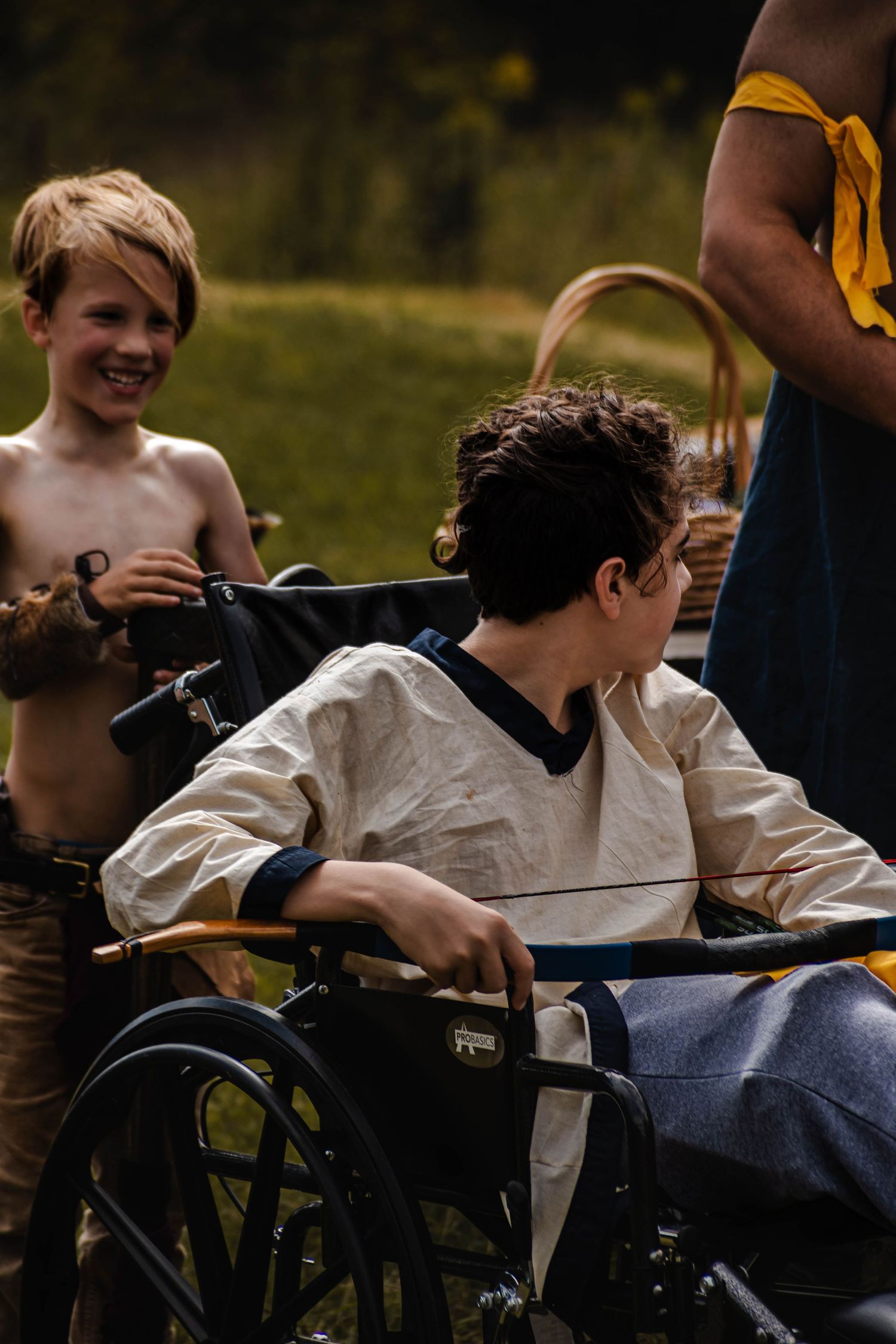
Who This Resource Is For
This page is for players who:
Have chronic illness, injury, or mobility limitations
Experience fatigue, pain, or reduced stamina
Are neurodivergent or sensory-sensitive
Cannot safely engage in combat for medical reasons
Prefer roleplay-focused or narrative play
Are returning from injury or pacing their energy
You do not need to justify your limits to deserve accommodation.
Core Principle
Combat is optional. Participation is not.
Every character combat or non-combat should have:
Narrative impact
Meaningful choices
Emotional stakes
Respect from the community
Participation Without Physical Combat
Players are encouraged to engage through:
Decision-making instead of physical action
Emotional roleplay (fear, responsibility, grief, hope)
Support positioning (behind lines, protected zones)
Narrative stakes rather than hit-taking
You are allowed to roleplay intensity without risking your body.
Communicating Accessibility Needs
You are encouraged but never required to:
Inform staff of physical or sensory limitations
Set clear boundaries with your party
Request role adjustments or alternative mechanics
You do not owe anyone your medical history.
Accessibility is logistics, not weakness.
How to Stay Engaged Without Physical Combat
✔ Communicate Your Limits
You never owe anyone your medical history but letting staff or trusted players know what you can and can’t do helps everyone support you.
Accessibility is not a weakness. It’s logistics.
✔ Roleplay Stakes, Not Hits
You don’t need to take physical hits to take emotional ones.
Fear
Moral conflict
Responsibility
Loss
Lean into reactions, decisions, and consequences.
✔ Choose Proximity Carefully
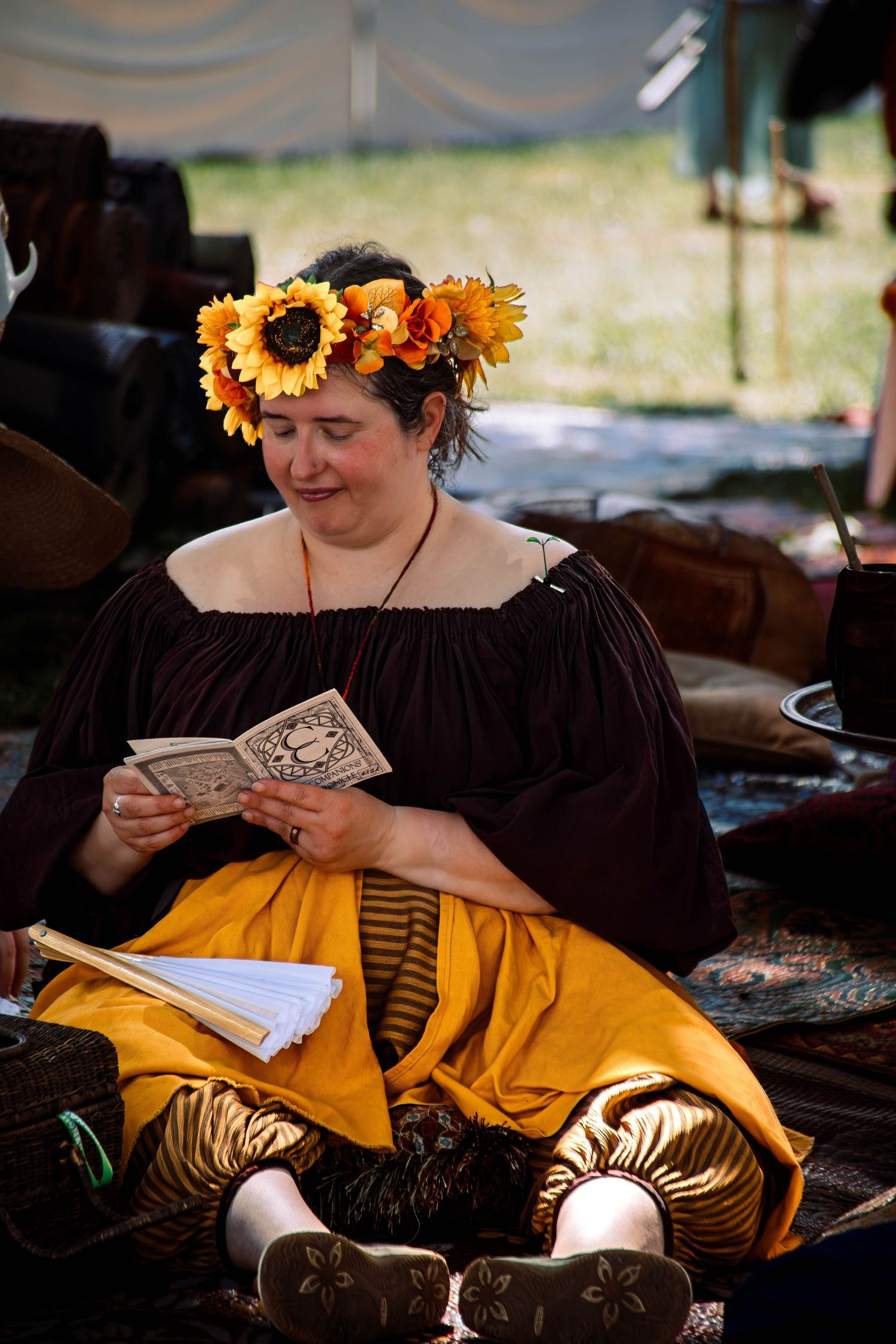
You can be near combat without being in it.
Behind the lines.
At the triage point.
Guarding something vital.
Your presence still matters.
If You’re a Combat-Heavy Player: This Is for You Too
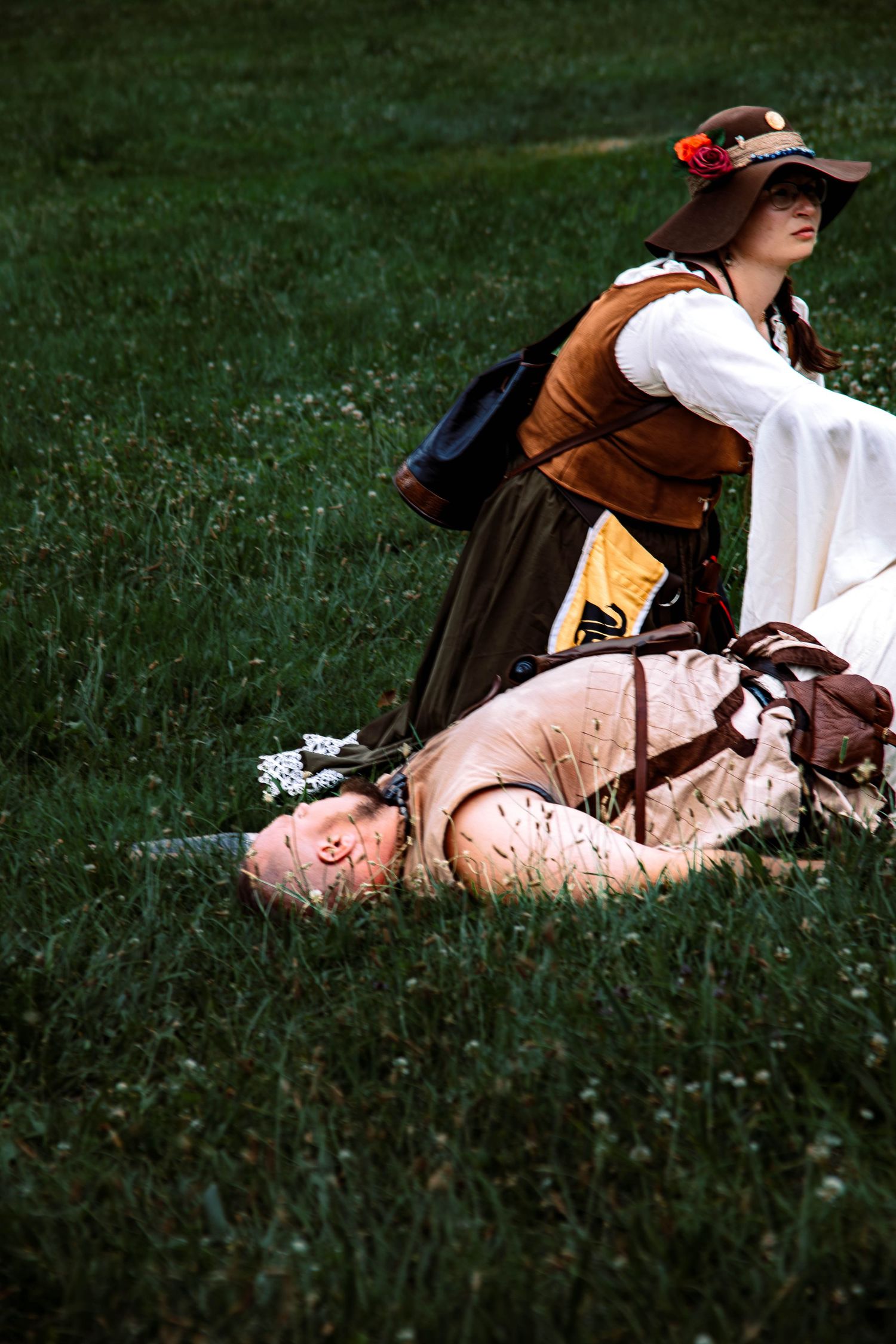
Protect your non-combat teammates in character.
Give them space
Pull danger away from them
React when they fall or are threatened
That’s not “going easy.”
That’s immersive worldbuilding.
All players share responsibility for accessibility.
Combat-focused players are expected to:
Respect non-combat boundaries
Avoid pressuring others into combat
Protect non-combat allies in-character
Treat accessibility accommodations as immersive, not disruptive
Protecting others is heroic roleplay.
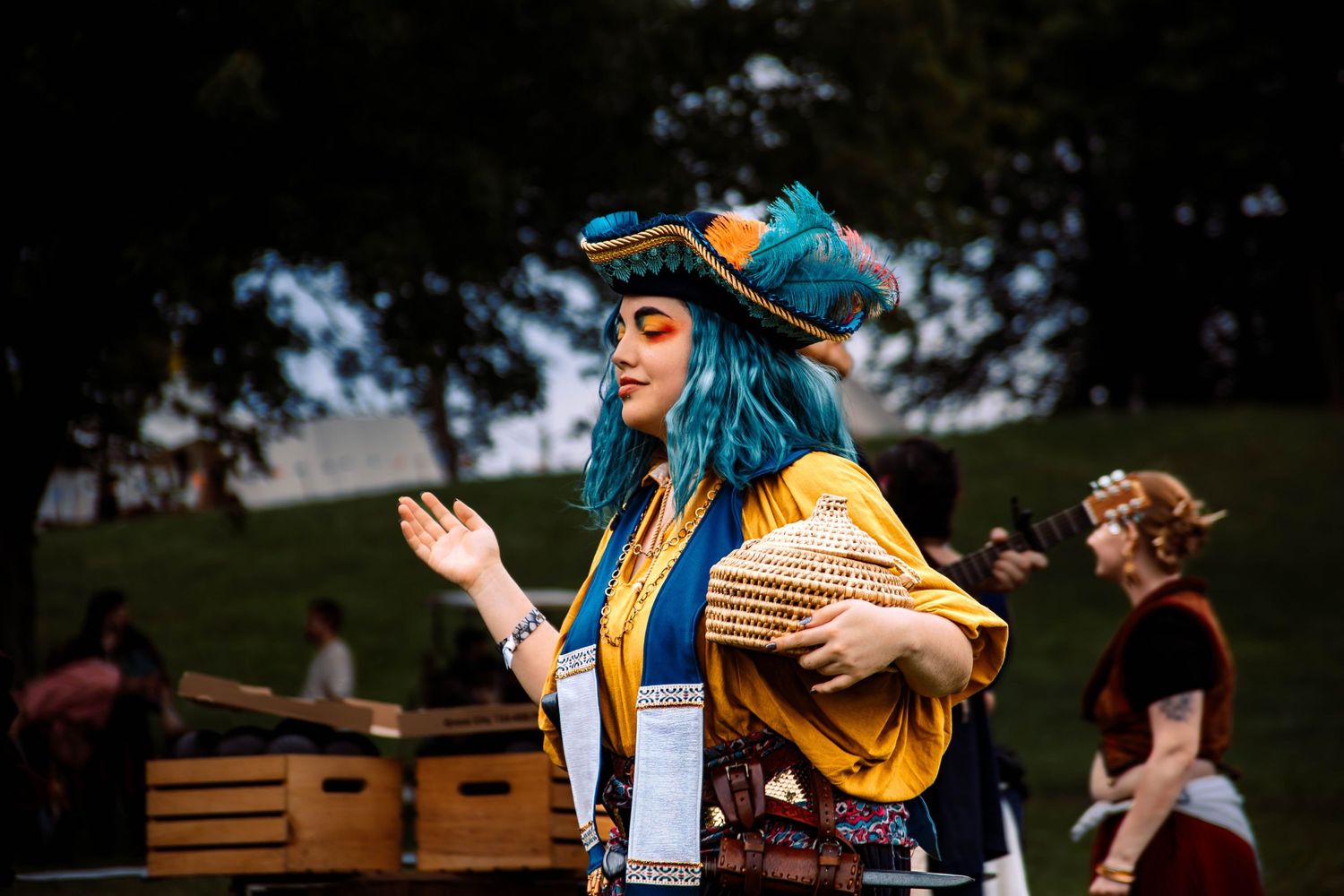
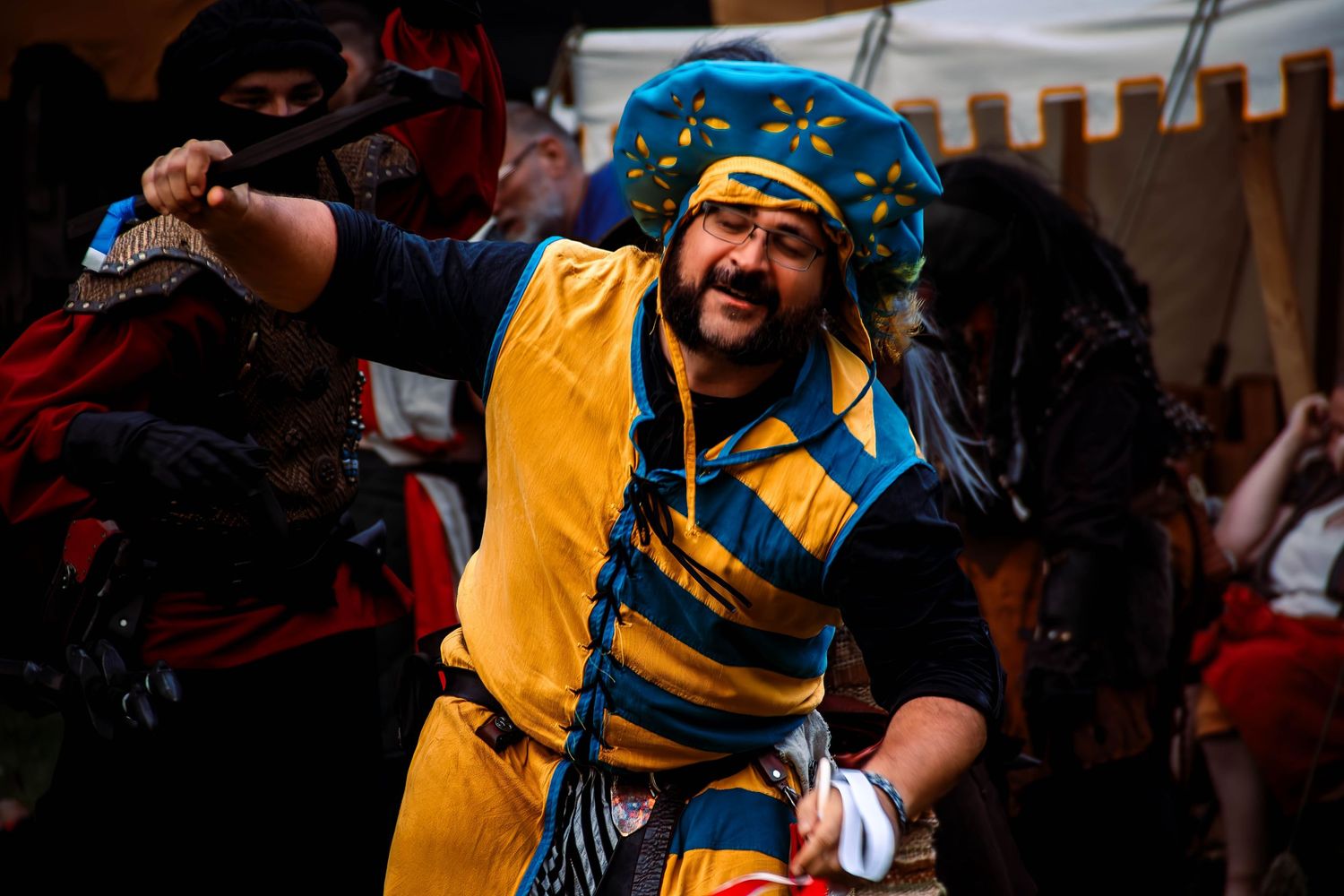
Battle Isn’t for Everyone and That’s Okay
LARP is not a test of physical ability.
It’s a shared story.
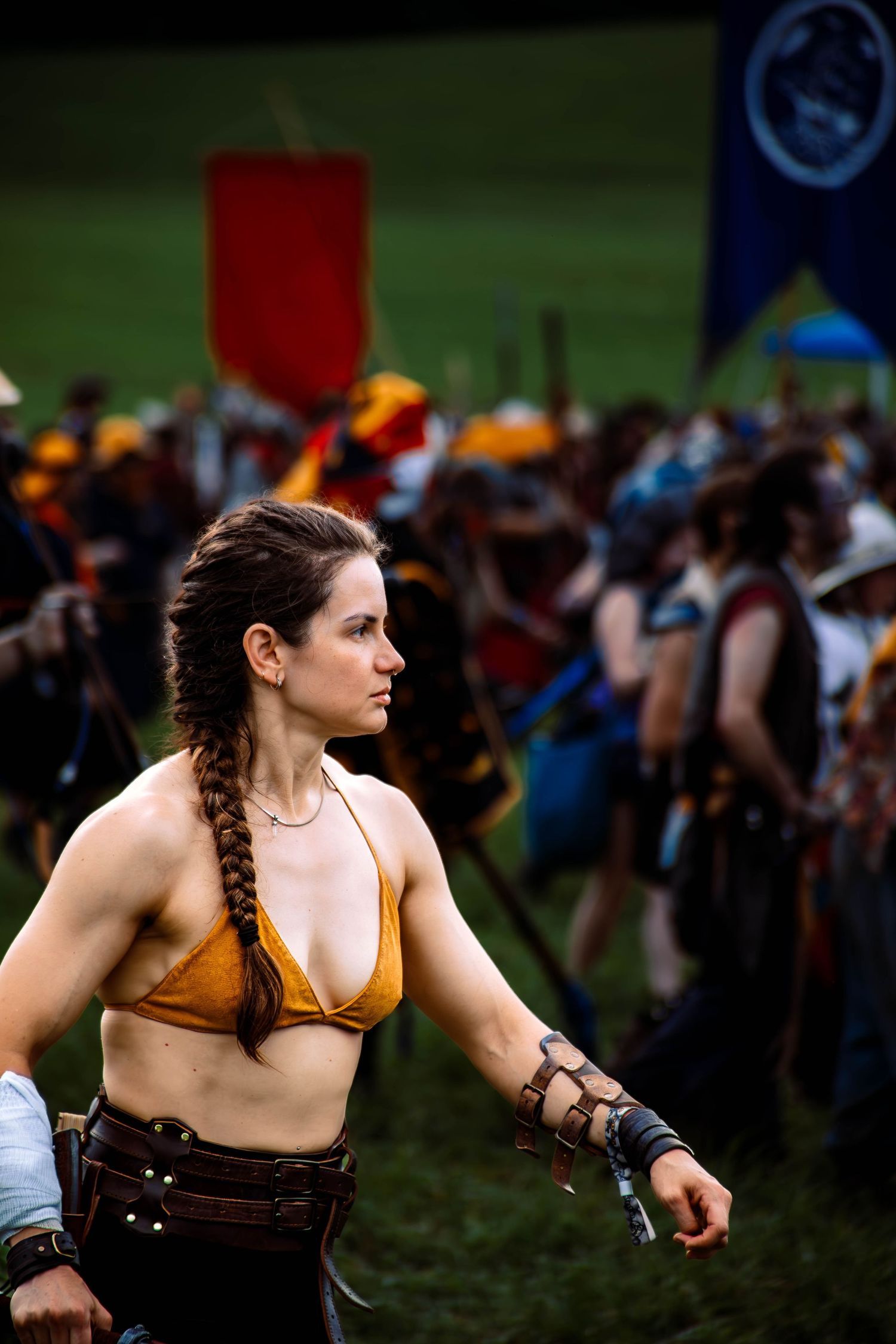
Some heroes fight.
Some heal.
Some remember.
Some hold the line without ever lifting a blade.
If combat isn’t for you, your character still has a place in the war.
And honestly?
Some of the bravest characters never draw blood at all. 🖤
If You’re Unsure Where You Fit
If you want help shaping a non-combat character:
Talk to staff or plot team
Ask veteran non-combat players
Build characters with narrative utility, not damage output