Battlefield Awareness at LARP: How to Stay Safe and Still Have an Epic Time
There’s a moment that happens at almost every LARP.
You’re fully immersed. The drums are pounding. Your warband is charging. Someone is screaming a battle cry behind you while another fighter is calling for a medic. Adrenaline kicks in and suddenly your brain narrows to one thing:
"Hit the enemy."
And then
You backpedal into a campfire ring.
Trip over a shield.
Get flattened by your own ally.
Or accidentally run into a fight you absolutely were not prepared for.
Welcome to the importance of battlefield awareness.
Whether you're a first-event player or a veteran who has survived countless campaigns, awareness is one of the most valuable skills you can build. Better awareness doesn't just keep you safer it also makes combat more fun, more cinematic, and honestly makes you a stronger player.
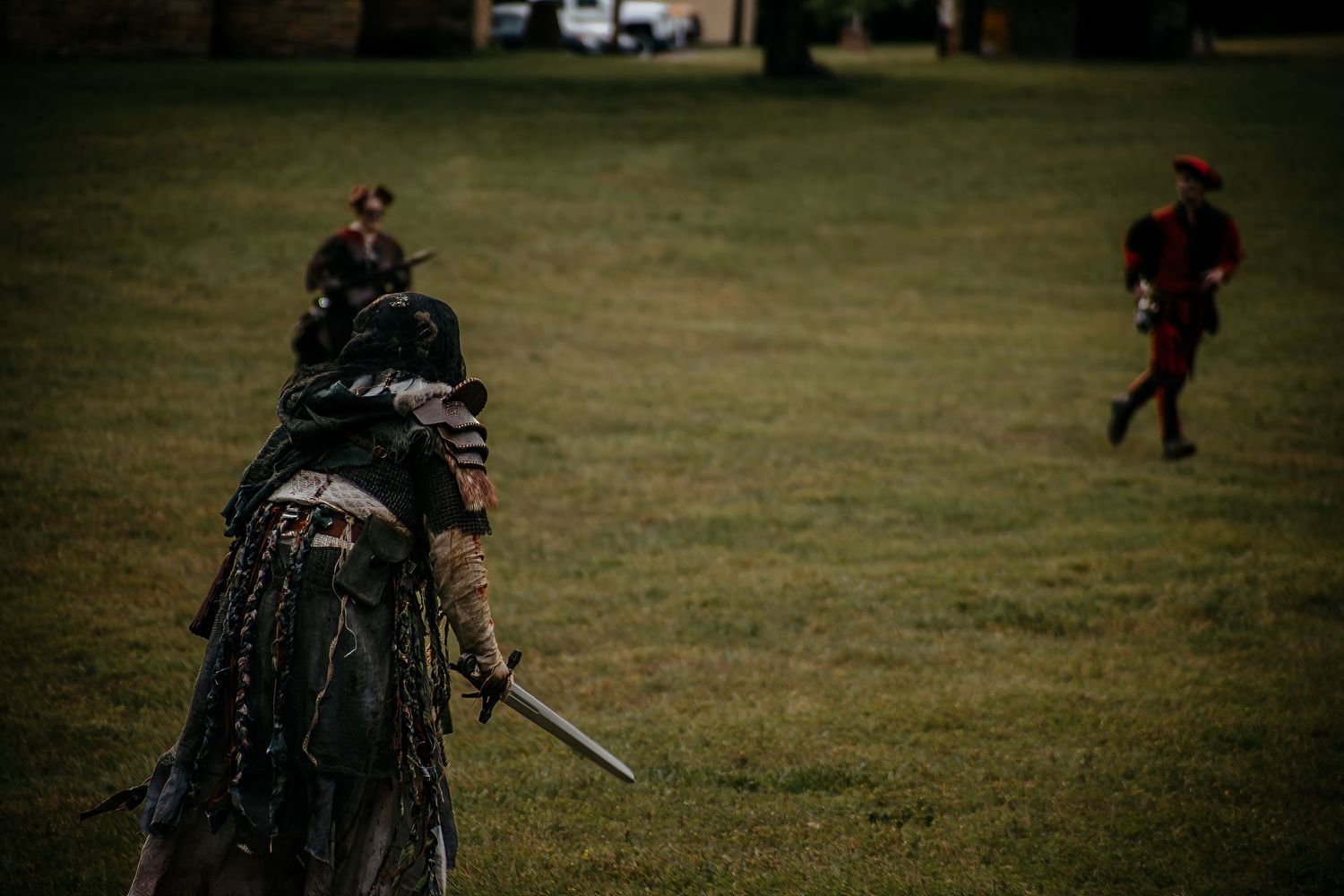
What Is Battlefield Awareness?
Battlefield awareness is simply understanding what is happening around you not just directly in front of your face.
That includes:
Where allies are
Where enemies are
Terrain hazards
Obstacles and camps
Event boundaries
Active roleplay happening nearby
The direction combat is moving
Potential danger before it reaches you
Think of it like having an invisible radar running in the background.
New players often develop "tunnel vision."
Tunnel vision says:
"There is enemy. Must bonk enemy."
Awareness says:
"There are three enemies, two allies behind me, a ditch on my left, and if I move five feet forward I am about to become someone else's problem."
One usually survives longer..
The #1 Rule: Stop Backpedaling Blindly
Photographers see this constantly.
Someone fights while walking backward without looking.
Then:
They hit roots
Trip over gear
Fall into another combat group
Crash into spectators
Run into fire pits
Roll an ankle
Your feet naturally want to retreat when pressure hits. Resist the urge.
Instead:
Side-step
Angle away
Glance over your shoulder
Move with intention
Even one quick glance can save you from disaster.
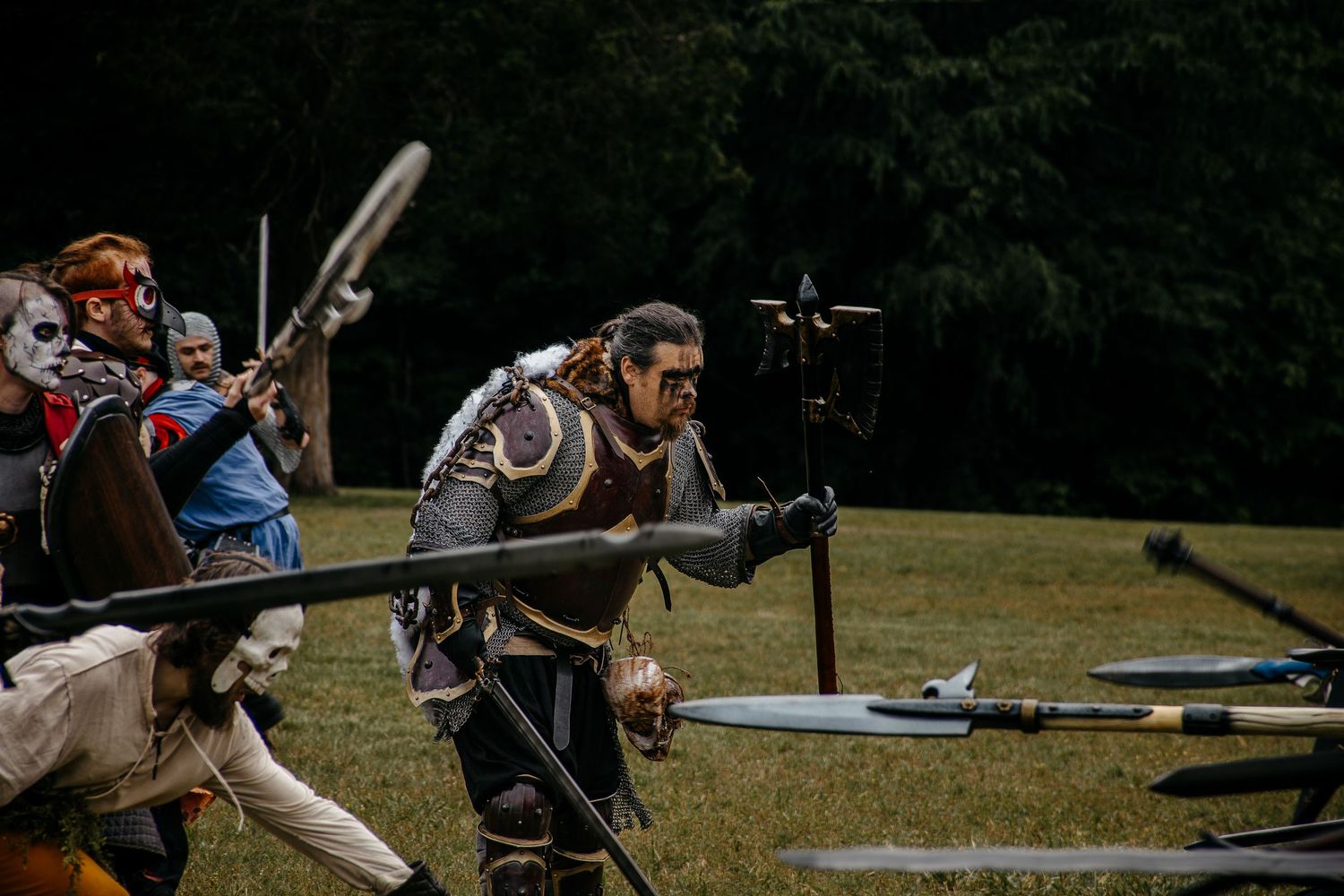
Learn to Fight With Your Ears
Your eyes only cover so much.
Combat is loud but chaos tells stories.
Pay attention to:
"Behind you!"
Usually important.
Mass panic sounds
Large movement often means a push is coming.
Sudden silence
Sometimes means something very bad is about to happen.
Spell calls or special abilities
These often tell you danger is coming before you see it.
Experienced fighters hear battlefield changes before they see them.
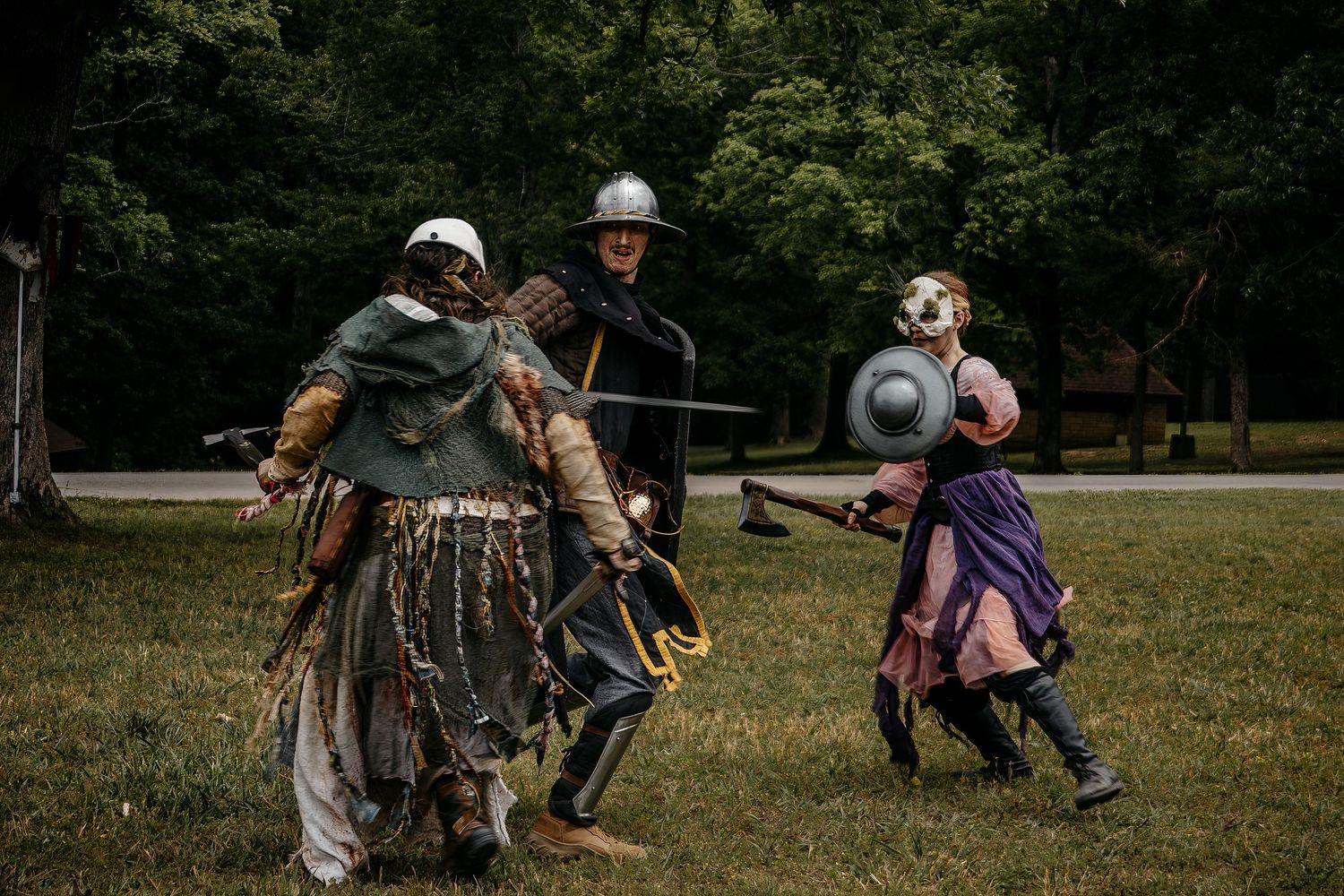
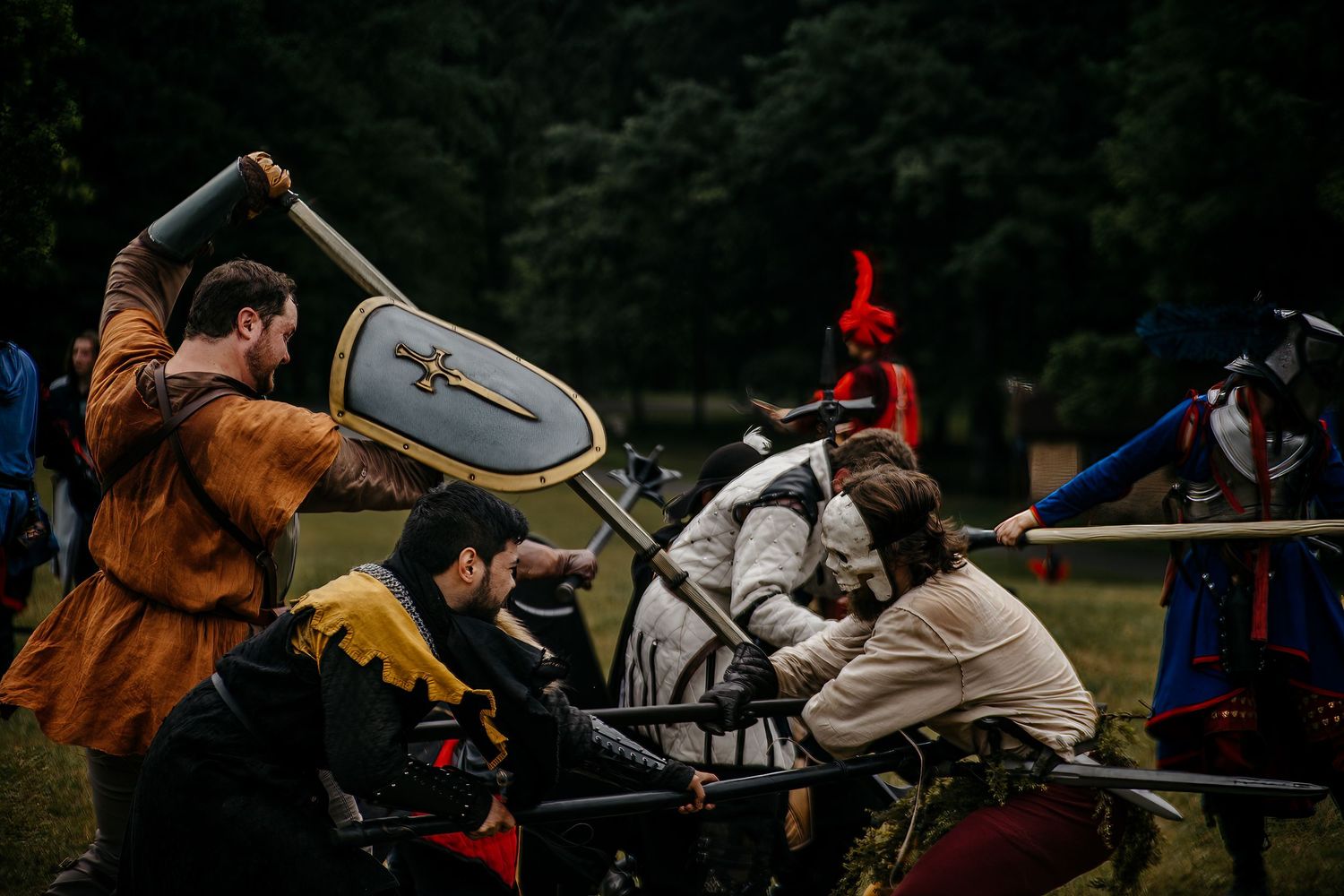
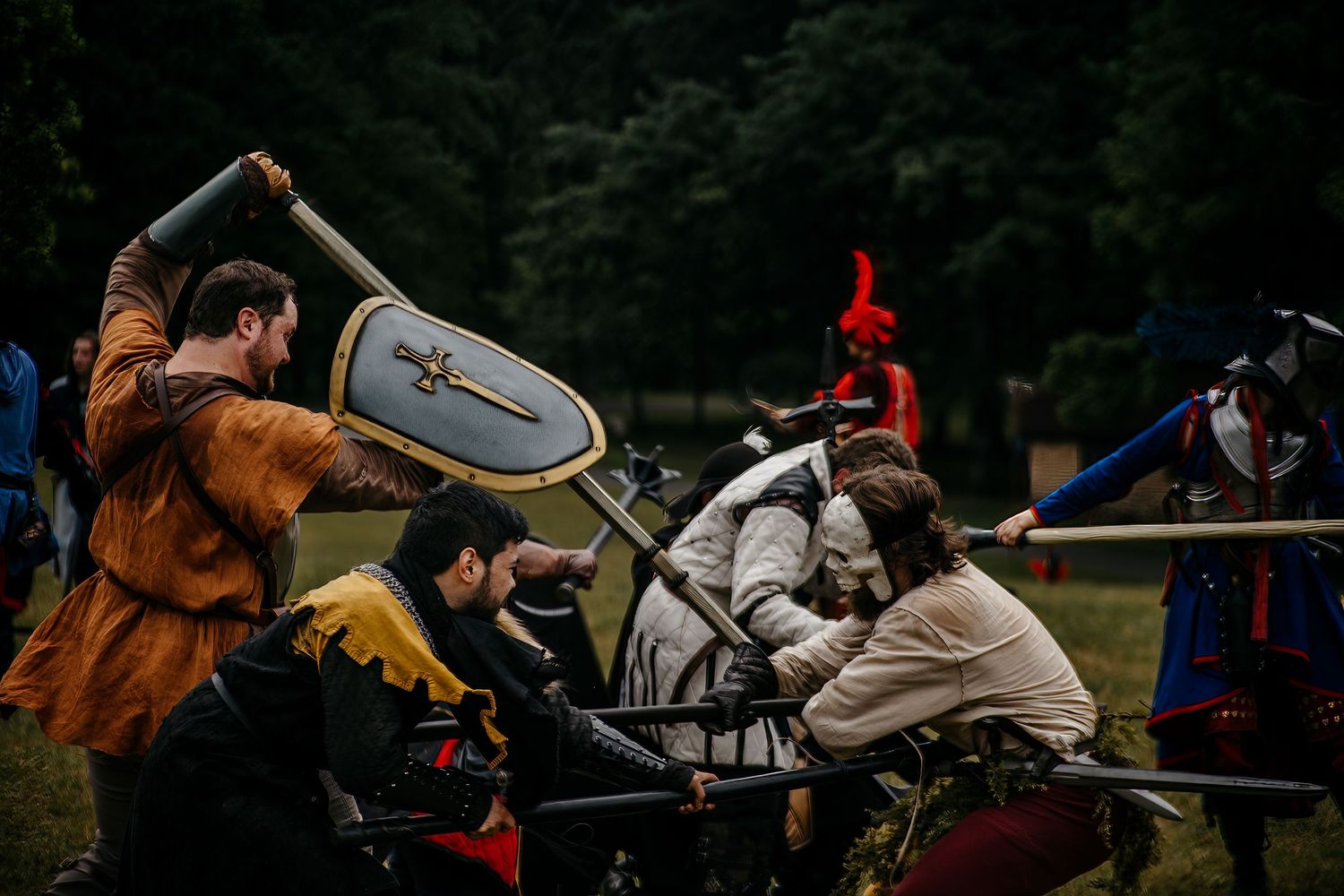
Watch the Edges of Your Vision
You don't need to stare directly at everything.
Use peripheral vision.
Focus on your target while still noticing:
Movement beside you
Allies falling back
Flanking enemies
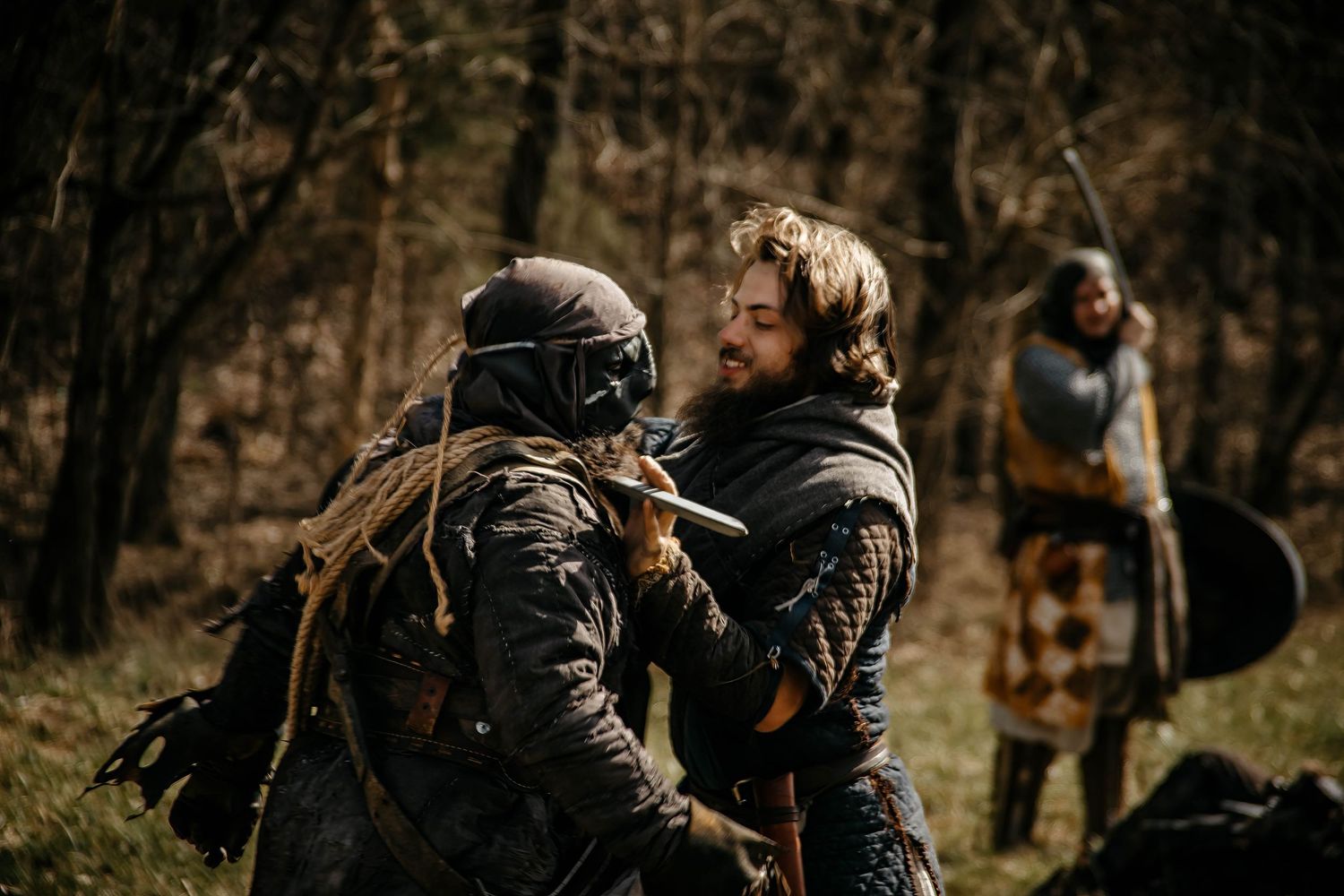
A giant orc suddenly appearing where there wasn't one before
Peripheral awareness becomes a superpower with practice.
Know the Terrain Before Combat Starts
One of the smartest things you can do:
Walk the battlefield before fighting begins.
Check for:
Roots
Uneven ground
Holes
Rocks
Mud
Slopes
Fire pits
Camp boundaries
Low branches
At night?
Double that importance.
Things that seem obvious during daylight suddenly become ankle assassins after dark.
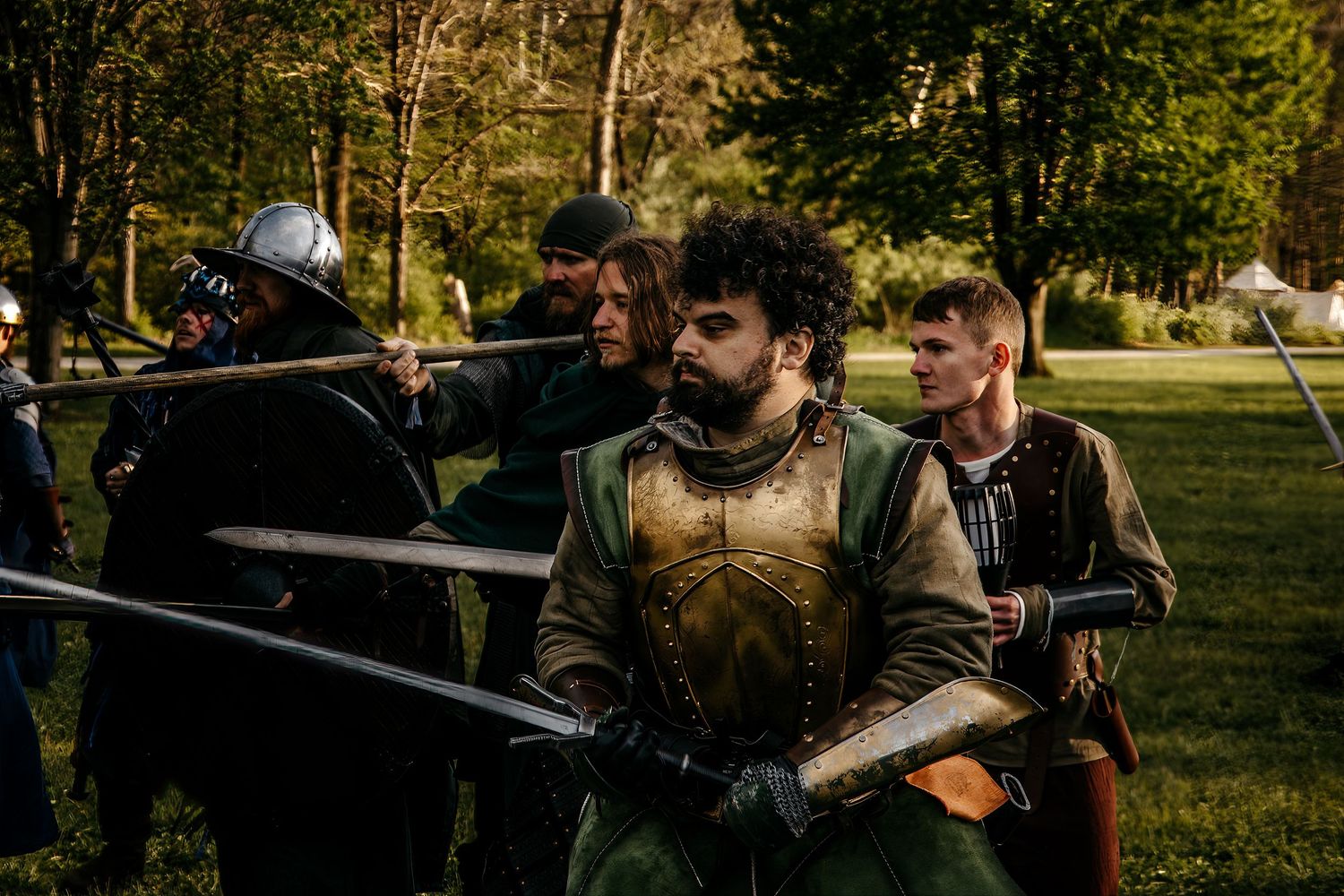
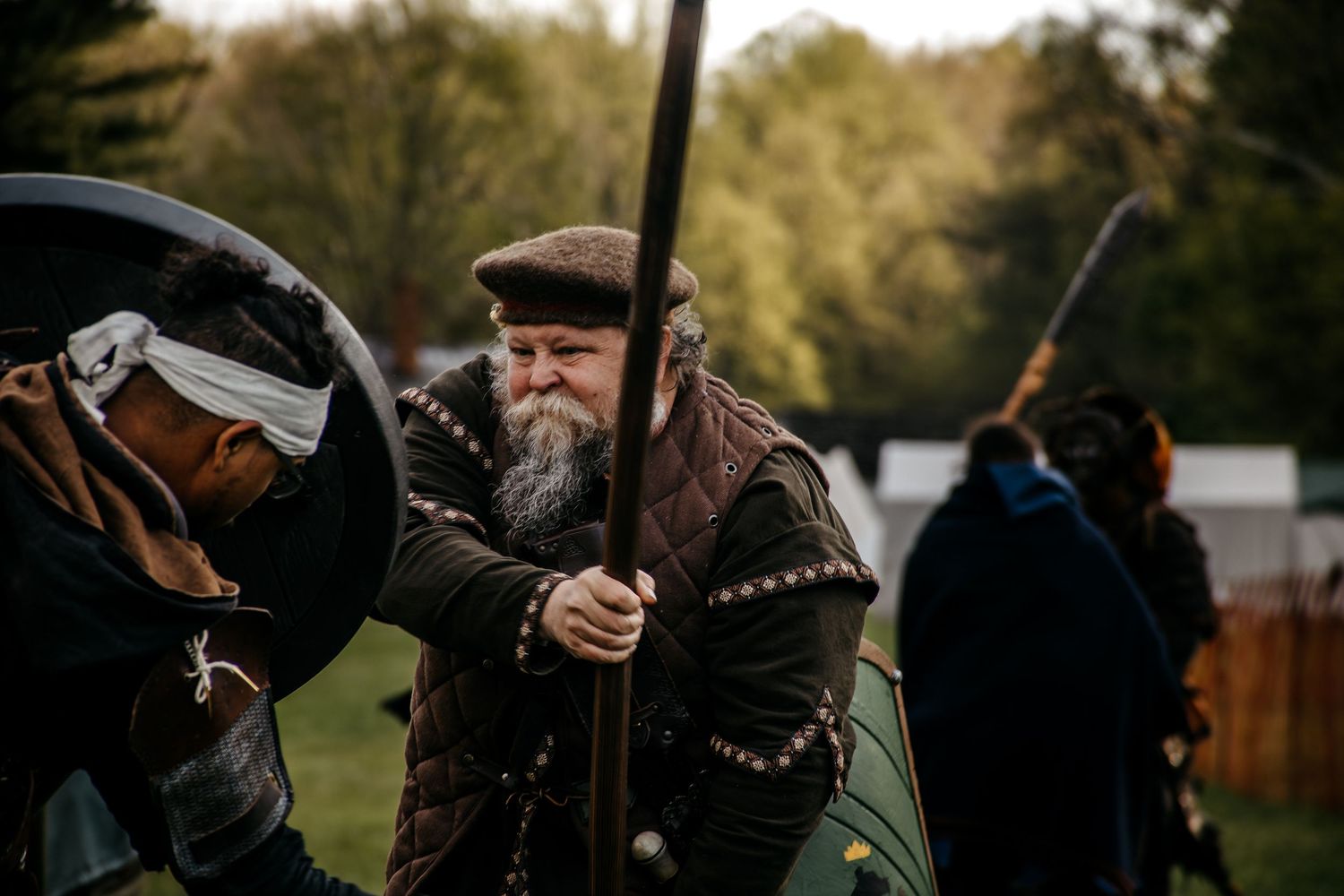
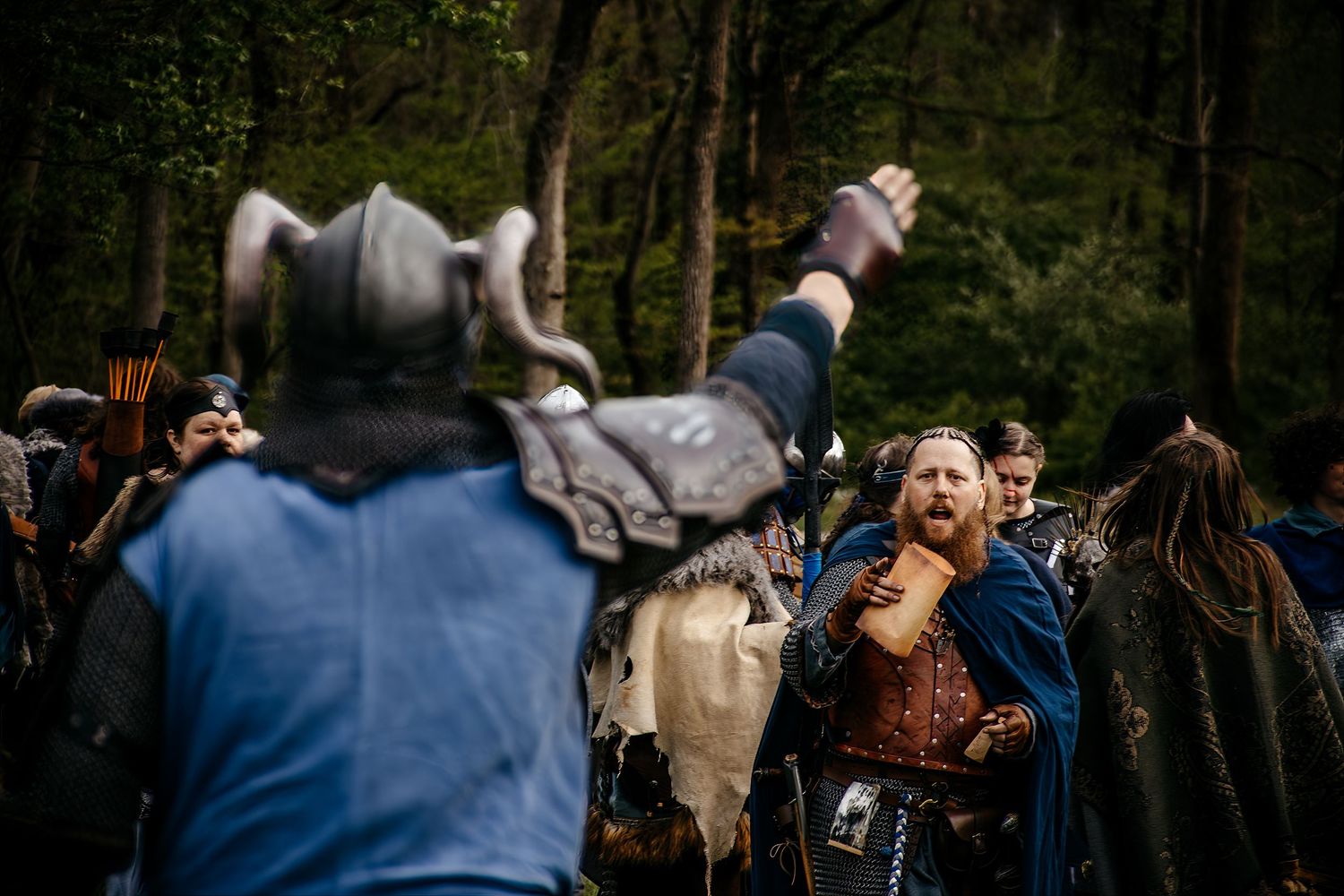
Bigger Isn't Always Better
Many players see a giant melee and think:
"YES. I'M GOING IN."
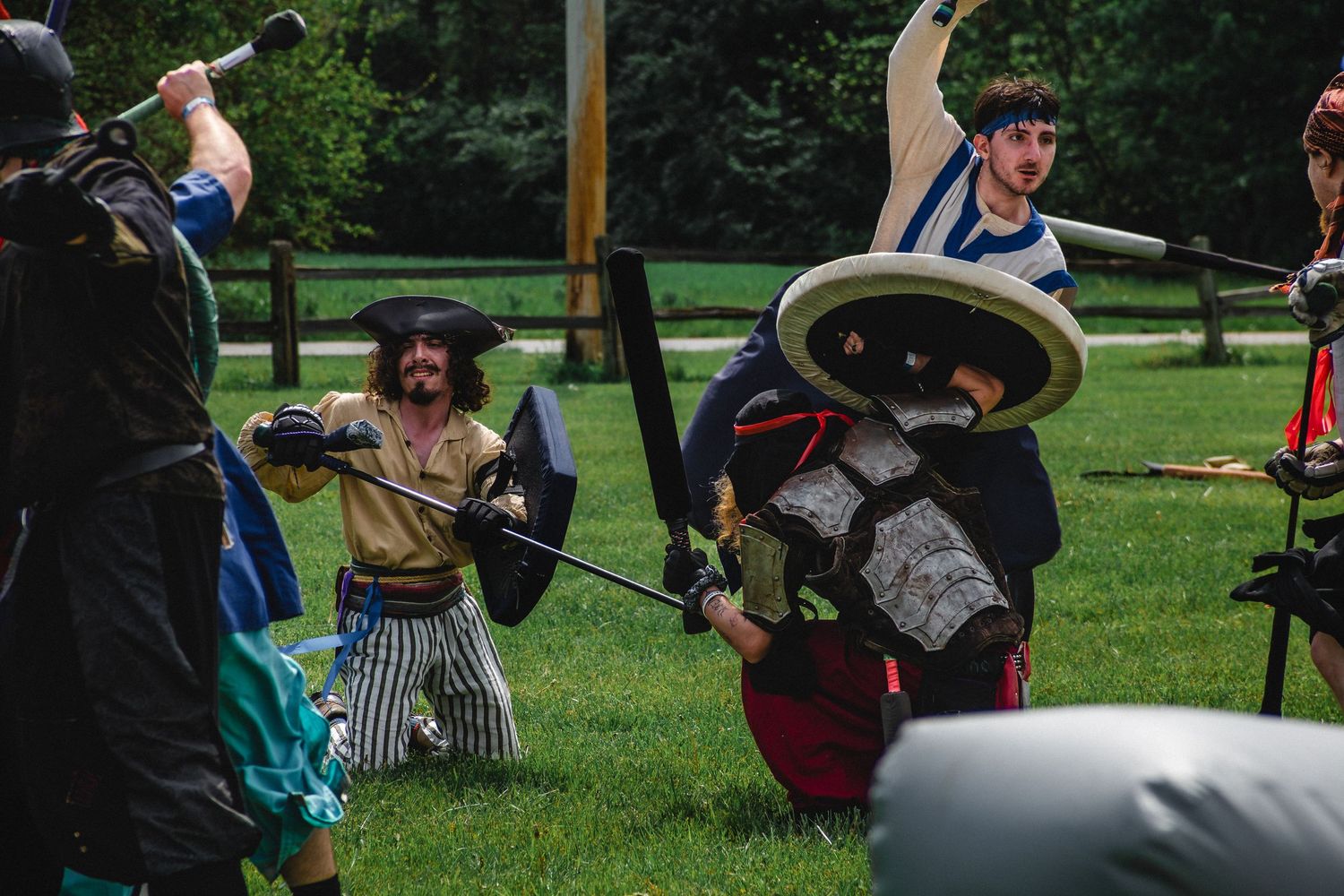
Then immediately discover thirty people fighting in a six-foot space.
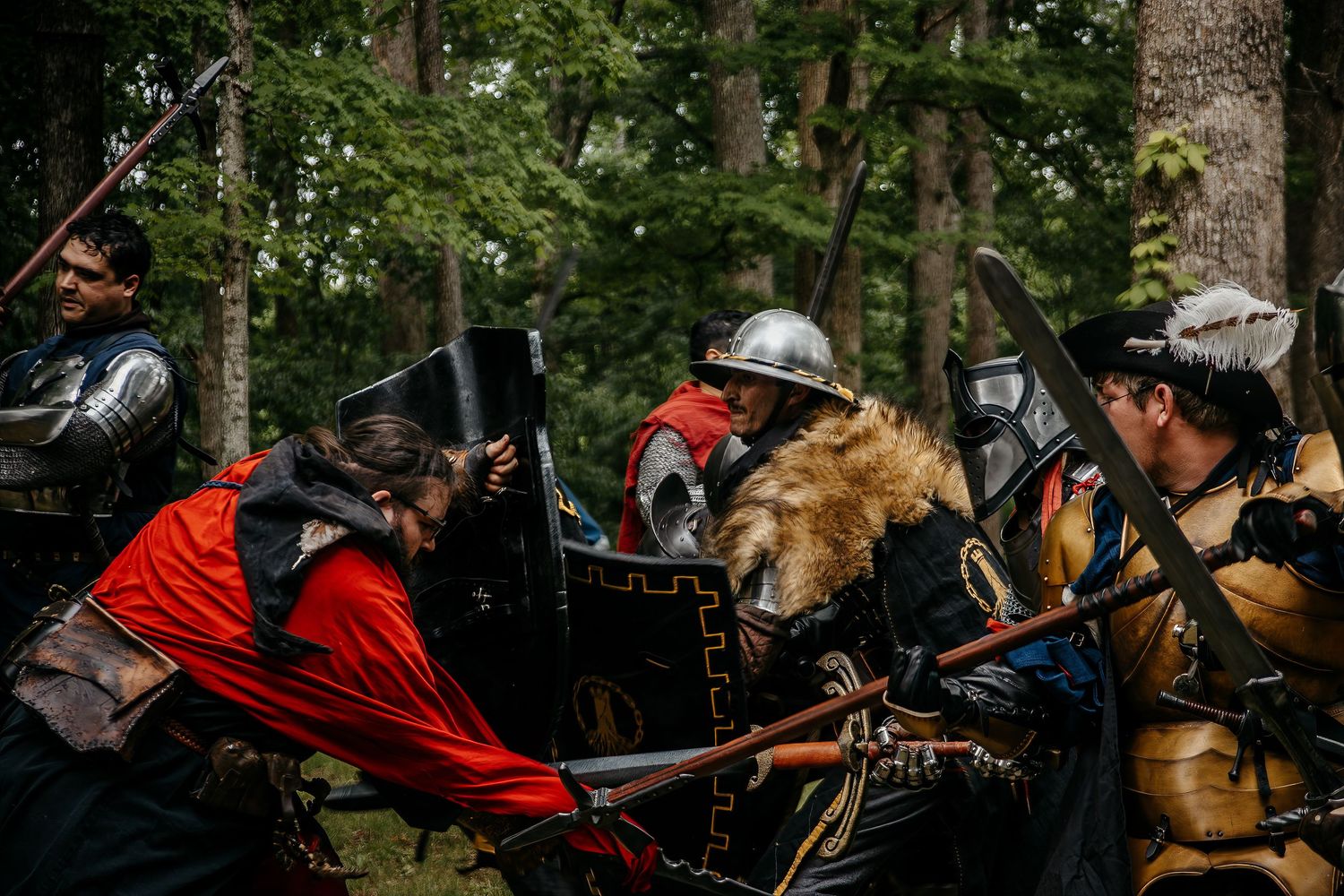
Crowded fights can become dangerous quickly.
Sometimes your best move is:
Support the flank
Hold a side position
Guard healers
Protect objectives
Watch for incoming threats
You do not need to stand in the center of every fight to contribute.
Be Aware of Non-Combat Spaces
Not everyone around you is actively participating.
You may have:
NPC staff
Media teams
Spectators
Camps
New players
Players on hold
Accessibility accommodations
Out-of-game conversations
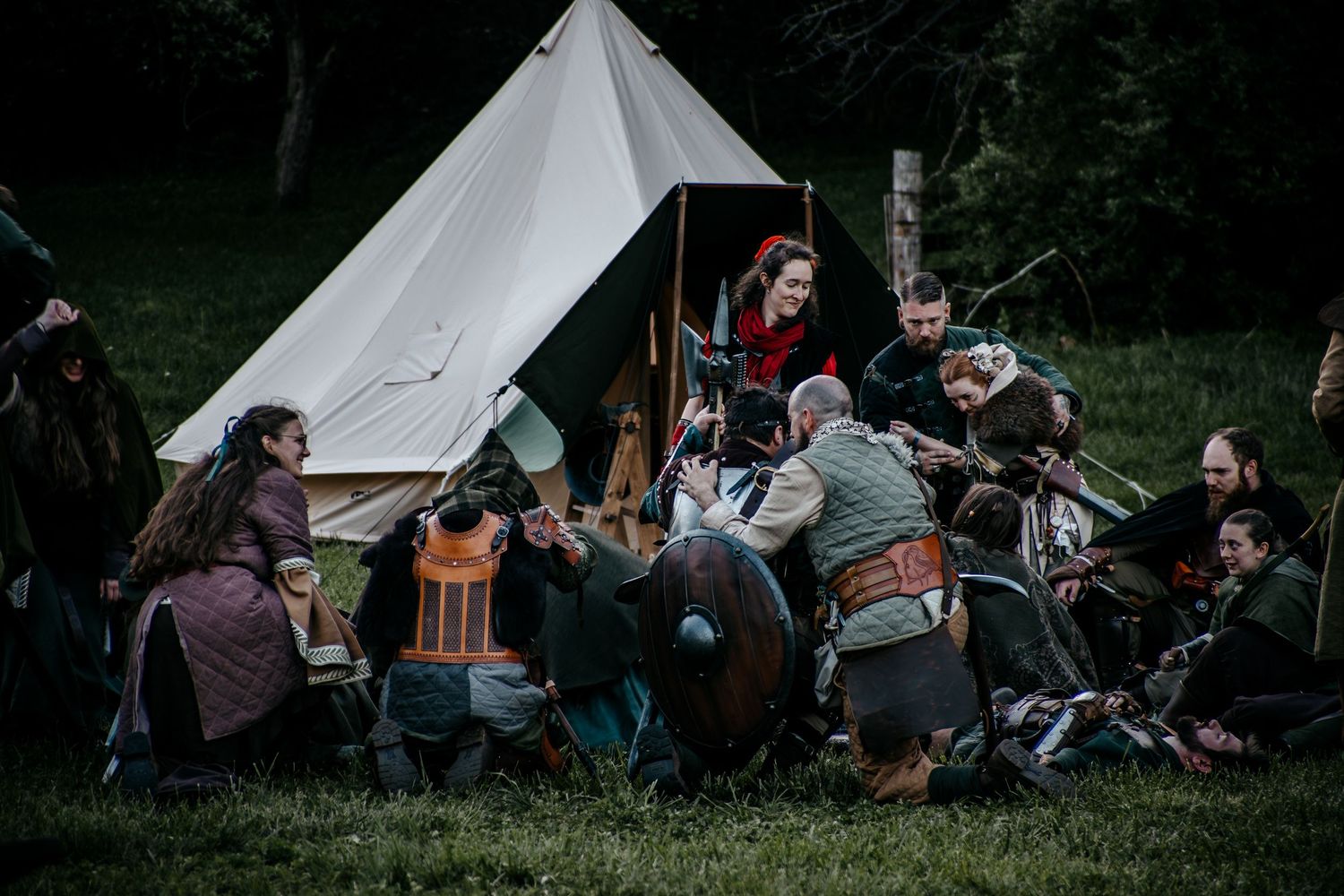
The battlefield exists inside a living event.
Awareness includes respecting everyone sharing the space.
Photographers See Everything
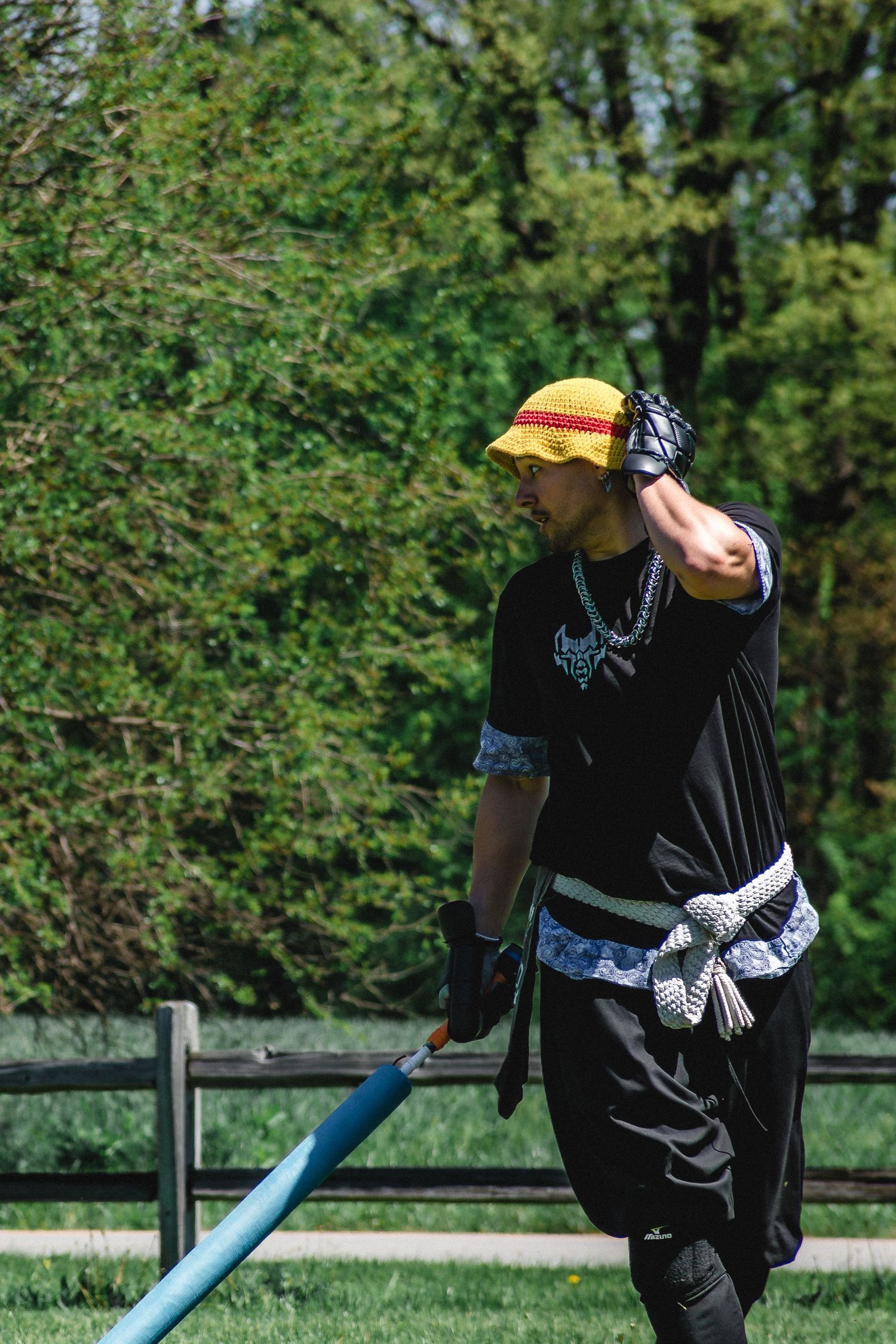
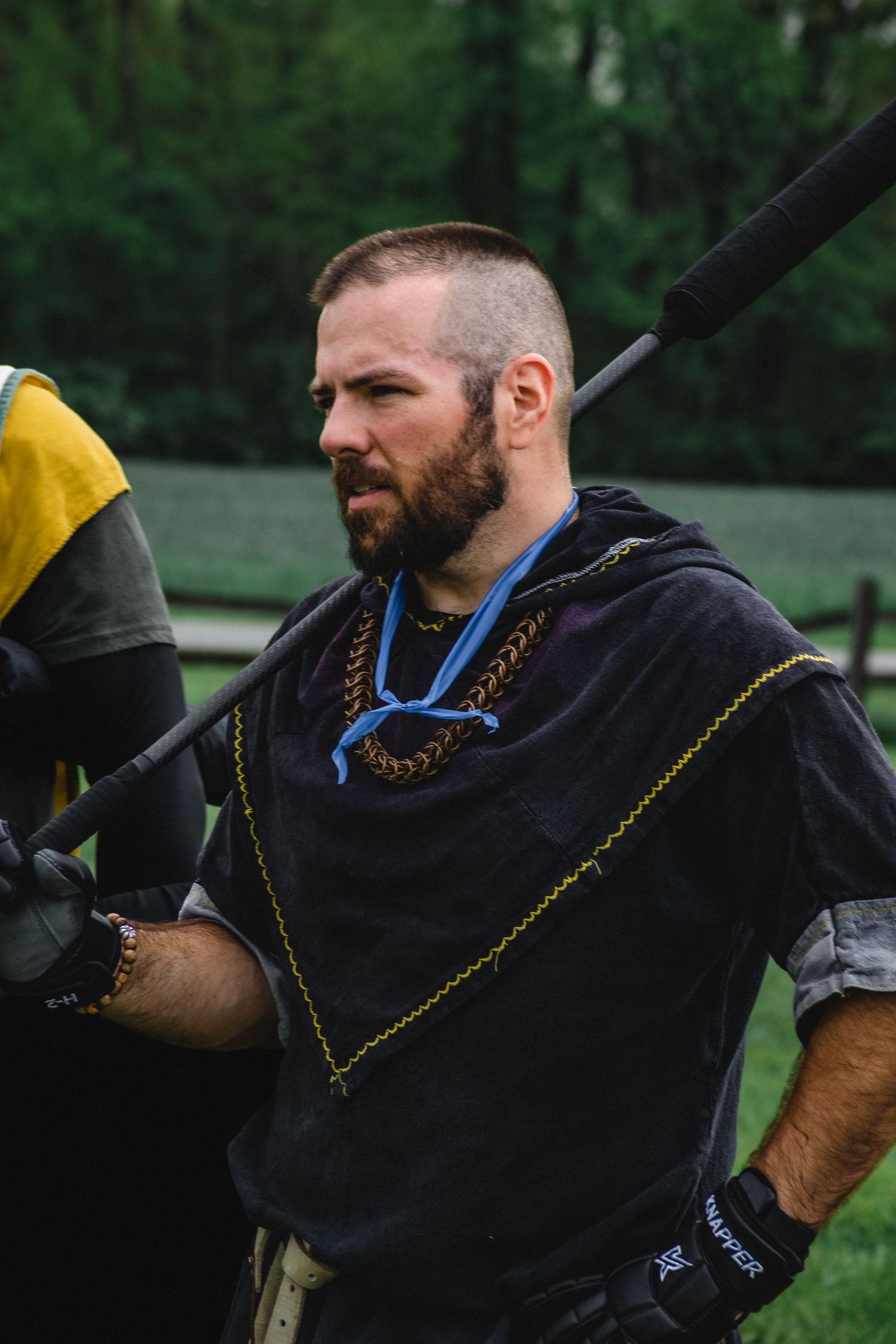
As an event photographer, I get a weird perspective.
I'm usually standing just outside combat watching the flow.
And I see patterns.
The players who constantly look around?
They move smoother.
Fight longer.
Avoid collisions.
Create cooler moments.
Ironically, awareness often creates better photos too.
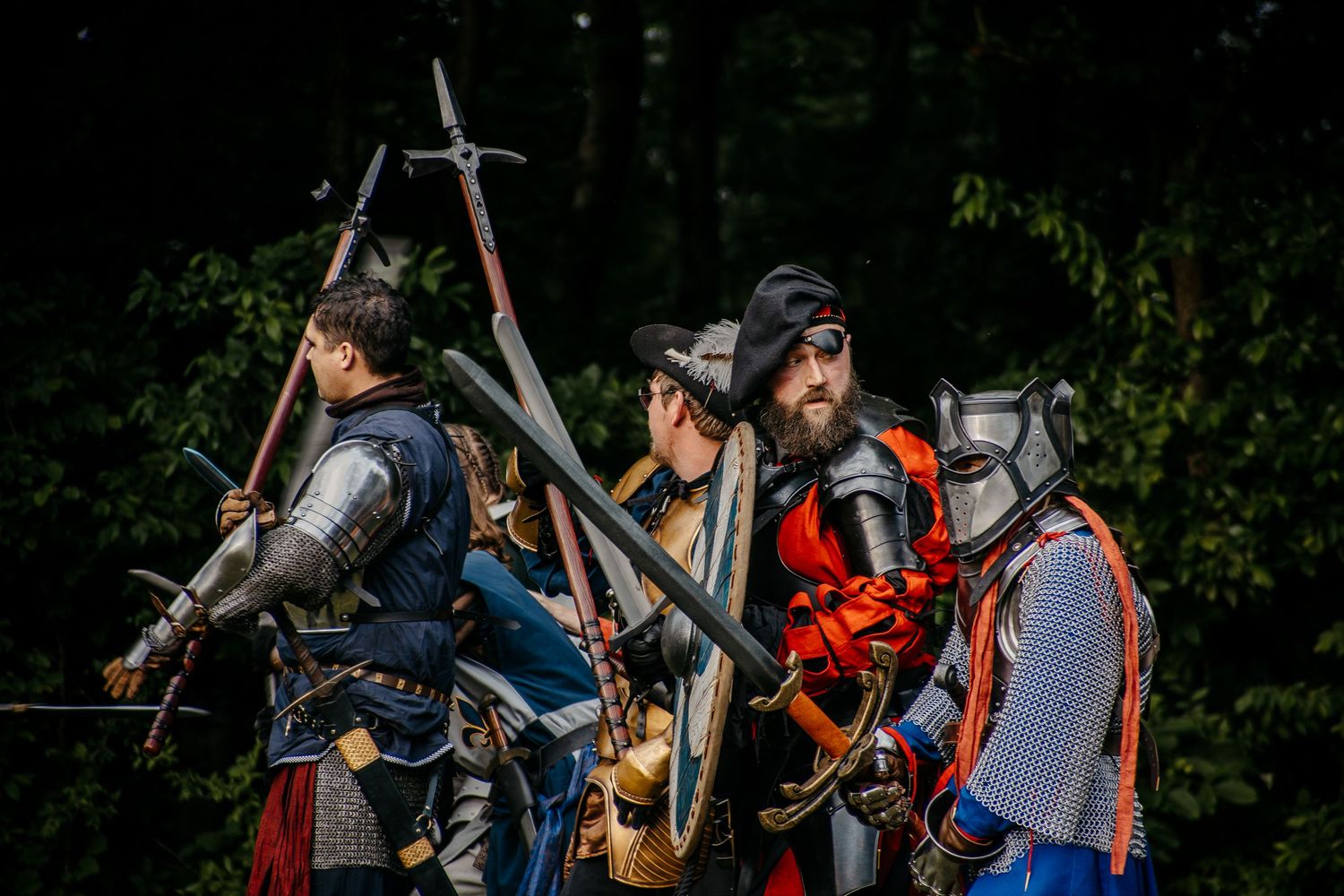
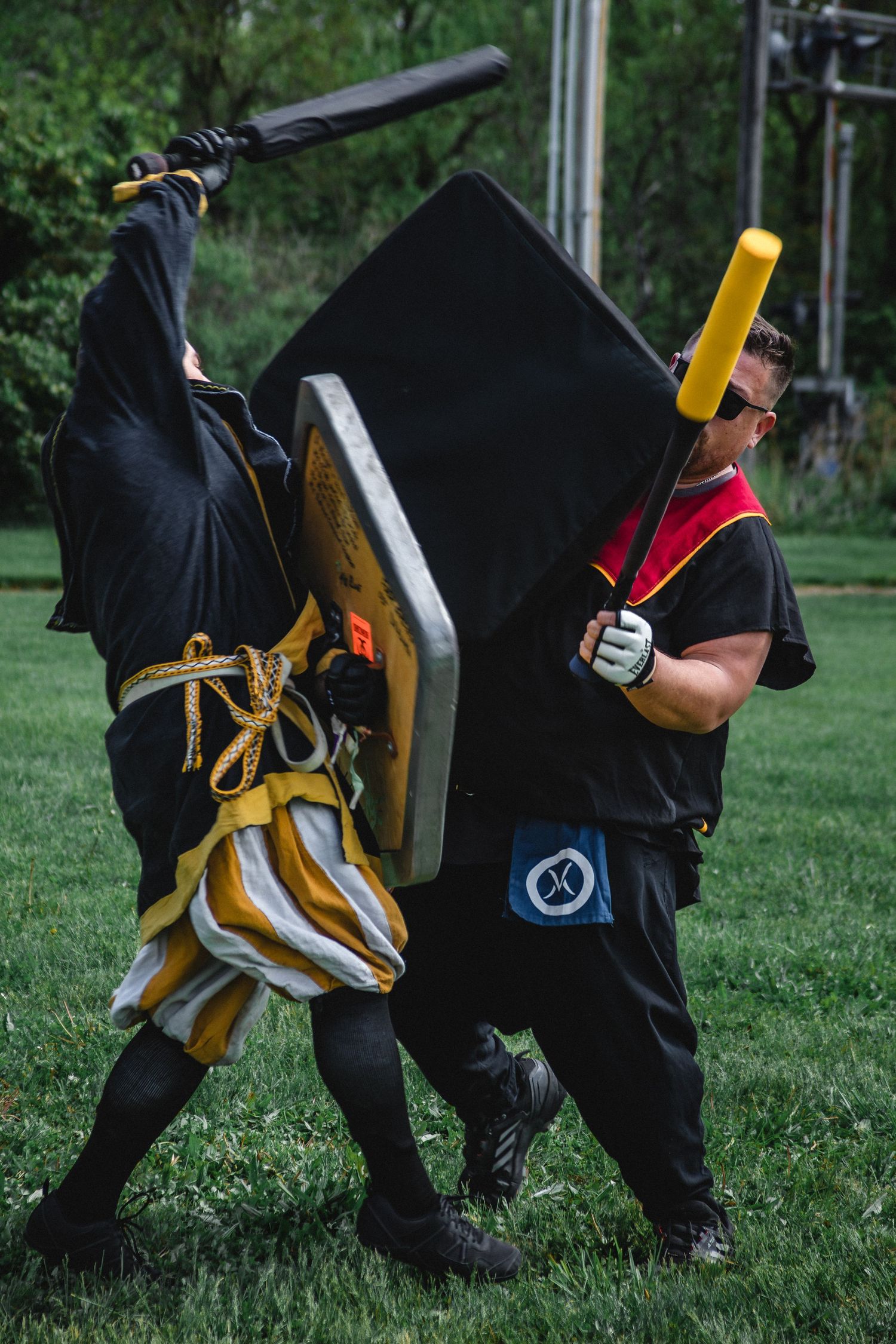
Those dramatic shield walls, hero charges, and cinematic moments usually happen because players know where everyone is not because they swung harder.
Watch Veteran Players Before You Charge In
One of the fastest ways to improve battlefield awareness isn't fighting.
It's observing.
Before your first battle or even between encounters watch experienced players.
Pay attention to:
How often they scan around
Where they position themselves
When they advance
When they retreat
Who they stay near
How they avoid getting surrounded
Veterans rarely move randomly.
Most look calm because they already know where danger is likely to come from.
You can learn a lot by watching before rushing into the chaos.
Understand Your Role
Different battlefield jobs require different awareness.
A front-line shield fighter watches:
Enemy pressure
Formation gaps
Nearby allies
A healer watches:
Who is wounded
Safe movement routes
Incoming threats
Archers and casters watch:
Open sight lines
Protectors nearby
Flanking enemies
Scouts watch:
Battlefield movement
Objective changes
Surprise attacks
Awareness changes depending on what you're doing.
Trying to watch everything usually means watching nothing.
The "Three Second Scan" Habit
Develop a routine.
Every few seconds ask:
Who is near me?
Where is danger?
Where can I move?
It takes only a second.
Veteran players often do this naturally without realizing it.
That quick scan helps prevent:
Getting surrounded
Running into hazards
Losing your group
Missing important objectives
Small habits create huge differences.
Find a Battle Buddy
If you're new, attach yourself to somebody.
Seriously.
Many games pair newer players with veterans naturally because battlefield awareness can be overwhelming at first.
A battle buddy can:
Warn you about incoming danger
Explain calls
Help avoid hazards
Keep you from getting isolated
Pull you out of bad situations
Even experienced players often fight in small trusted groups.
No hero survives alone for long.
Stay Hydrated Awareness Drops Faster Than You Think
Heat exhaustion and dehydration sneak up fast.
And one of the first things they attack?
Awareness.
You may notice:
Slower reactions
Poor decisions
Tunnel vision
Delayed hearing
Clumsiness
Fatigue
Suddenly you're missing obvious threats.
Drink water before you're thirsty.
Eat food before you're starving.
A fueled brain notices more.
Night Battles Change Everything
Night combat deserves entirely different rules.
Darkness removes many of your visual cues.
At night:
Slow down
Stay closer to your group
Learn terrain beforehand
Avoid sprinting blindly
Listen even more carefully
Expect visibility to be terrible
The battlefield you knew during daylight becomes a completely different place after sunset.
Your confidence should adjust accordingly.
Know When to Leave the Fight
Sometimes awareness means recognizing:
"I should not be here."
Maybe you're exhausted.
Maybe you're overheating.
Maybe your gear shifted.
Maybe you twisted an ankle.
Maybe you simply need a minute.
There is no glory in pushing until you become a safety issue.
Step out.
Reset.
Drink water.
Come back stronger.
The event will still be there.
Awareness Creates Better Stories
LARP isn't won by individual hero moments.
LARP isn't won by individual hero moments.
It's won by teamwork.
By paying attention.
By noticing the wounded healer.
By seeing a flank open.
By recognizing danger before it crashes into your group.
The players with the best battlefield awareness often aren't the loudest fighters.
They're the ones making everyone around them better.
And those players become legends.
Quick Battlefield Awareness Checklist Before Combat:
✓ Know terrain hazards
✓ Avoid blind backpedaling
✓ Listen as much as you look
✓ Check your surroundings regularly
✓ Watch your flanks
✓ Respect non-combat areas
✓ Don't tunnel vision
✓ Stay aware of your team
Because the coolest fight story is rarely:
"I charged in blindly."
It's usually:
"I saw what was coming before anyone else did."
Awareness Beyond Combat
Battlefield awareness isn't just for fights.
It also means noticing:
New players standing alone
Someone struggling with gear
Accessibility concerns
Event staff working
Friends looking overwhelmed
Players who may need help
LARP communities thrive because players take care of each other.
Some of the strongest awareness skills have nothing to do with combat at all.
And those moments often become the stories people remember most.
Battlefield Awareness Quick Guide
LARP combat gets chaotic fast. Use this quick “If This, Do That” guide to stay safer, move smarter, and avoid becoming the cautionary tale around the campfire.
| If This Happens... | Do This Instead... |
|---|---|
| You realize you’re backpedaling without looking | Side-step, glance behind you, and reposition with intention. |
| You suddenly can’t see your group | Stop pushing forward and locate allies before advancing. |
| A fight starts getting crowded | Shift to a flank, guard a support player, or take a safer support position. |
| You hear someone yell “Behind!” | Move first, ask questions later. |
| You feel yourself getting tunnel vision | Do a 3-second scan: Who is near me? Where is danger? Where can I move? |
| You see people sprinting toward your position | Look around before joining the movement. Figure out why everyone is moving. |
| You lose track of the terrain | Slow down and stop charging blindly. |
| You hear a large panic reaction nearby | Look up immediately. Battlefield momentum may be changing. |
| Your feet are getting tangled in roots, mud, or gear | Reset your footing before re-engaging. |
| You get separated from your unit | Find a battle buddy, regroup point, or familiar ally. |
| You’re breathing hard and making bad decisions | Hydrate, rest briefly, and reset. |
| You’re entering a night battle | Cut your speed in half and stay closer to allies. |
| You can’t tell where combat boundaries are | Ask staff or nearby players before moving further. |
| You see a healer, archer, or caster isolated | Protect them. Support players are often priority targets. |
| You hear spell calls but don’t know what happened | Pause, listen, and identify what is happening before charging in. |
| You spot a huge opening in enemy lines | Check your sides first. Openings can be bait. |
| You see a photographer crouched in a weird danger zone | Assume they somehow have a plan… but still avoid stepping on them. |
| Your attention locks onto one enemy | Lift your eyes and scan your surroundings. |
| You think “I’ll just run through here quickly” | Check for roots, ropes, camp gear, weapons, shields, and people first. |
| You feel overwhelmed | Step out, breathe, reset, and rejoin when ready. |
The Golden Rule
See → Think → Move
Not: Panic → Sprint → Become a cautionary tale.
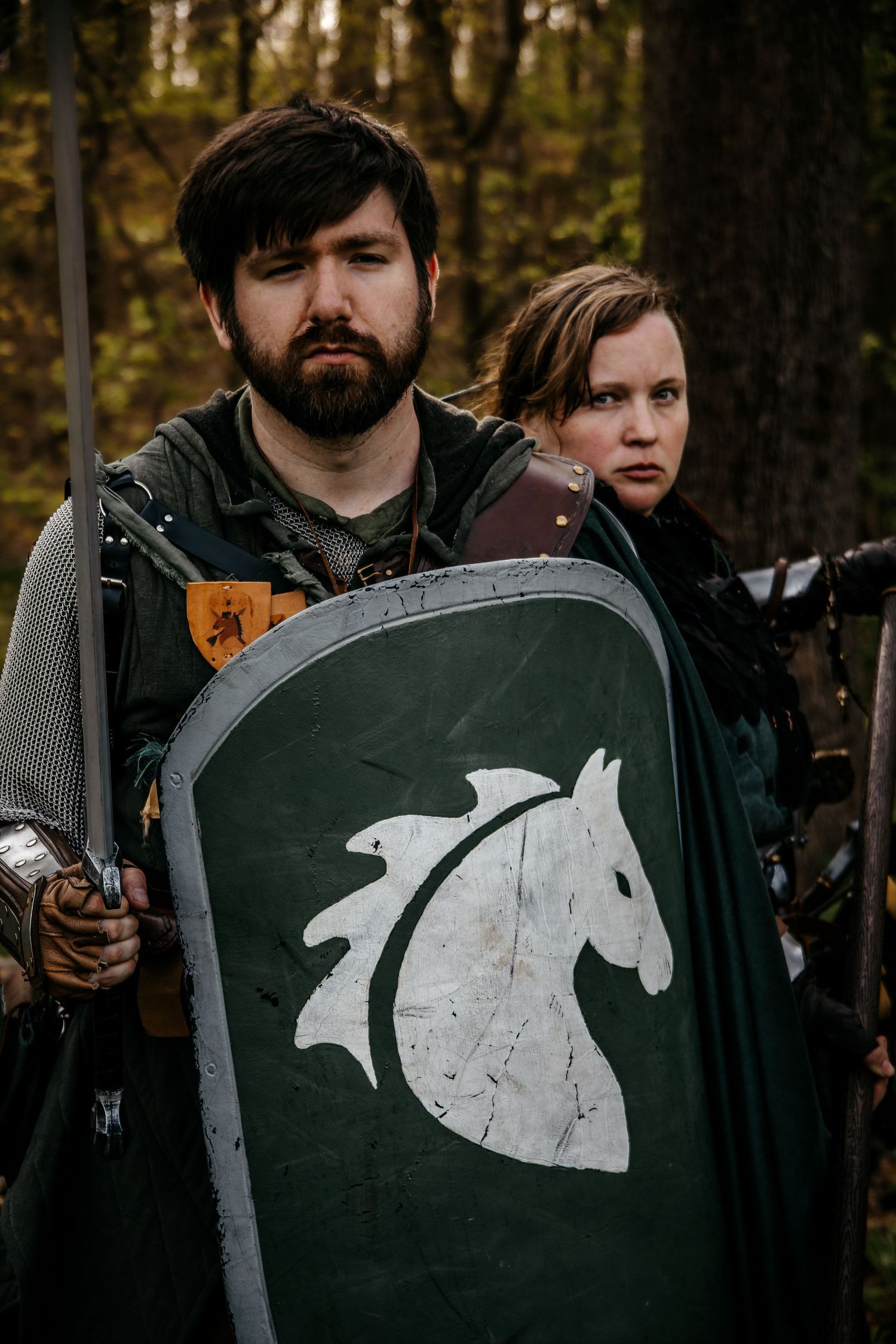
Here's a weird photographer trick:
Here's a weird photographer trick:
Ask yourself:
"If a photographer took a picture of me right now… would I look in control?"
Players with awareness usually:
Stand intentionally
Keep good posture
Know where teammates are
Look engaged
React naturally
Players with tunnel vision often look like confused deer in a battlefield documentary.
Bonus: awareness creates dramatically cooler photos.
Remember the Battlefield Photographer Exists
This one comes directly from years of standing on battlefields with a camera.
Your event photographers, videographers, and media teams are usually operating in strange spaces. We move around combat, crouch in odd places, sprint to flanks, kneel in grass, climb hills, and somehow end up in places that seem questionable but give us the best angles.
We are trying very hard not to interfere with gameplay.
Help us help you.
A few photographer awareness rules:
Don't hide behind the photographer
We're not portable cover. If arrows, monsters, or chaos start moving your direction, don't suddenly use the media team as a shield wall.
Don't back up into us
Photographers often kneel or crouch low. Blindly retreating can quickly become: player + camera + photographer + dirt.
Nobody wins that encounter.
Don't suddenly plant yourself directly in front of the lens
You may accidentally block moments happening behind you.
You know that epic shield wall? Hero charge? Giant monster reveal?
Gone.
Lost to the close-up of someone's shoulder armor.
Give a little space if possible
Most photographers are actively trying to stay out of your way. If you notice us repositioning, a tiny bit of awareness goes a long way.
If you see us move suddenly look around
Sometimes photographers react before players do because we're watching the entire battlefield instead of one target.
If your media person suddenly power-walks out of an area... there may be a very good reason.
And finally:
The best battlefield photos happen when players stay immersed and aware.
Protect your healers.
Watch your flanks.
Avoid blind backpedaling.
And please... don't accidentally tackle your photographer.
We bruise easier than orcs.