How to Share the Stage Without Dimming Anyone’s Story
Group roleplay is at its best when everyone feels seen, heard, and woven into the narrative. But let’s be honest—balancing spotlight time can be tricky. Some characters naturally command attention, others wait for an opening that never quite comes, and before you know it, the story feels uneven.
This isn’t about “stealing the spotlight.” It’s about sharing it intentionally.
Why Spotlight Balance Matters
Roleplay is collaborative storytelling. When one or two characters consistently dominate scenes:
- Quieter players may disengage
- Emotional investment drops
- Group cohesion weakens
- Incredible character arcs go unexplored
Balanced spotlight time keeps:
- Players engaged
- Characters interconnected
- Stories richer and more dynamic
Common Spotlight Pitfalls
- Strong personalities overshadowing others (in-character or OOC)
- Fast responders unintentionally controlling pacing
- Plot-critical roles hogging narrative space
- Players assuming “no one wants my character involved”
None of these usually come from bad intent but awareness is key.
Ways Players Can Help Balance the Spotlight
1. Invite Others In
Instead of pushing your character forward:
Ask another character a question
React to their emotions, not just your own
Hand off decisions or observations
A simple “What does your character think?” can change everything.
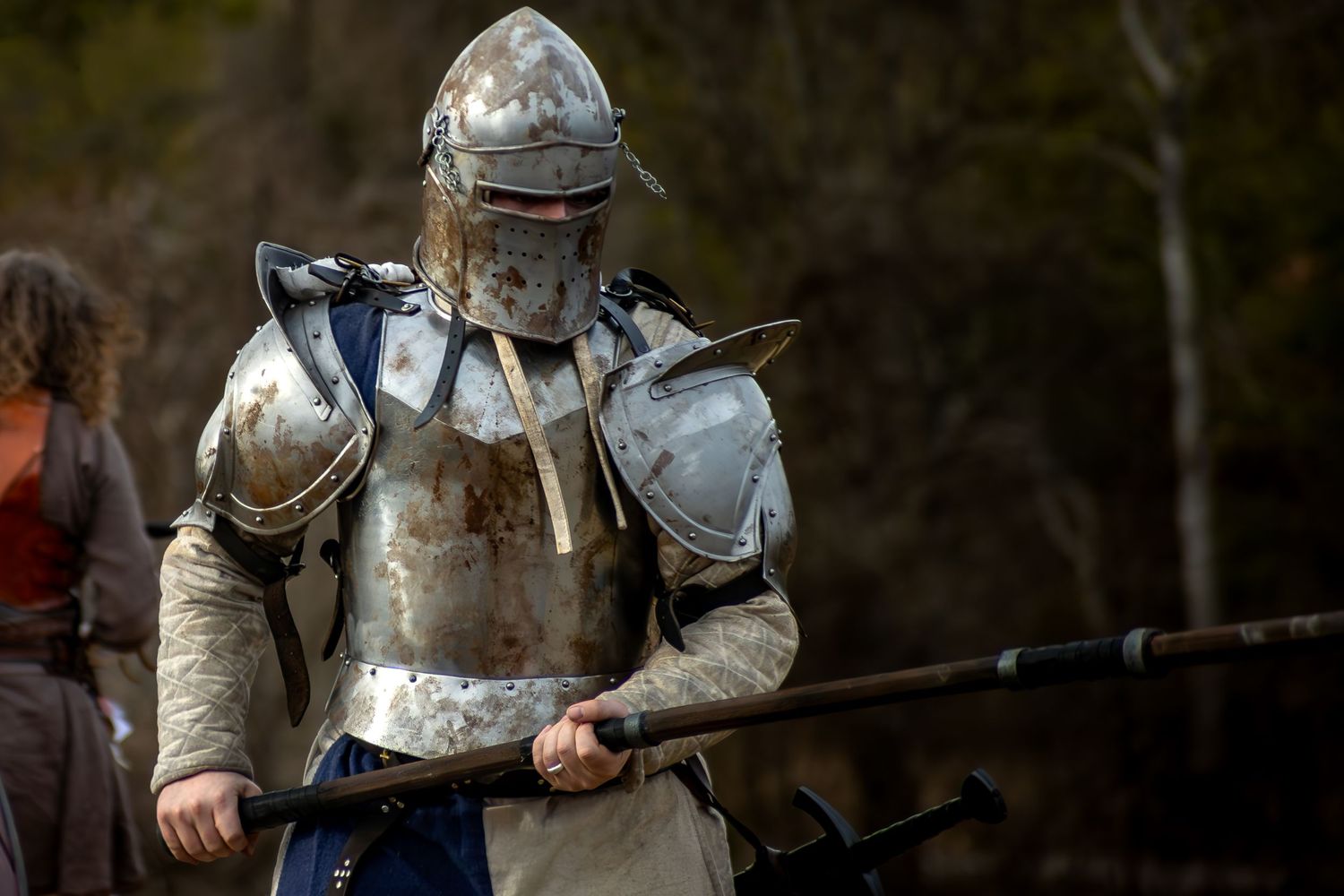
2. Leave Narrative Space
You don’t need to fill every silence. Pauses create openings for others to step in. Shorter posts can be just as powerful as long ones.
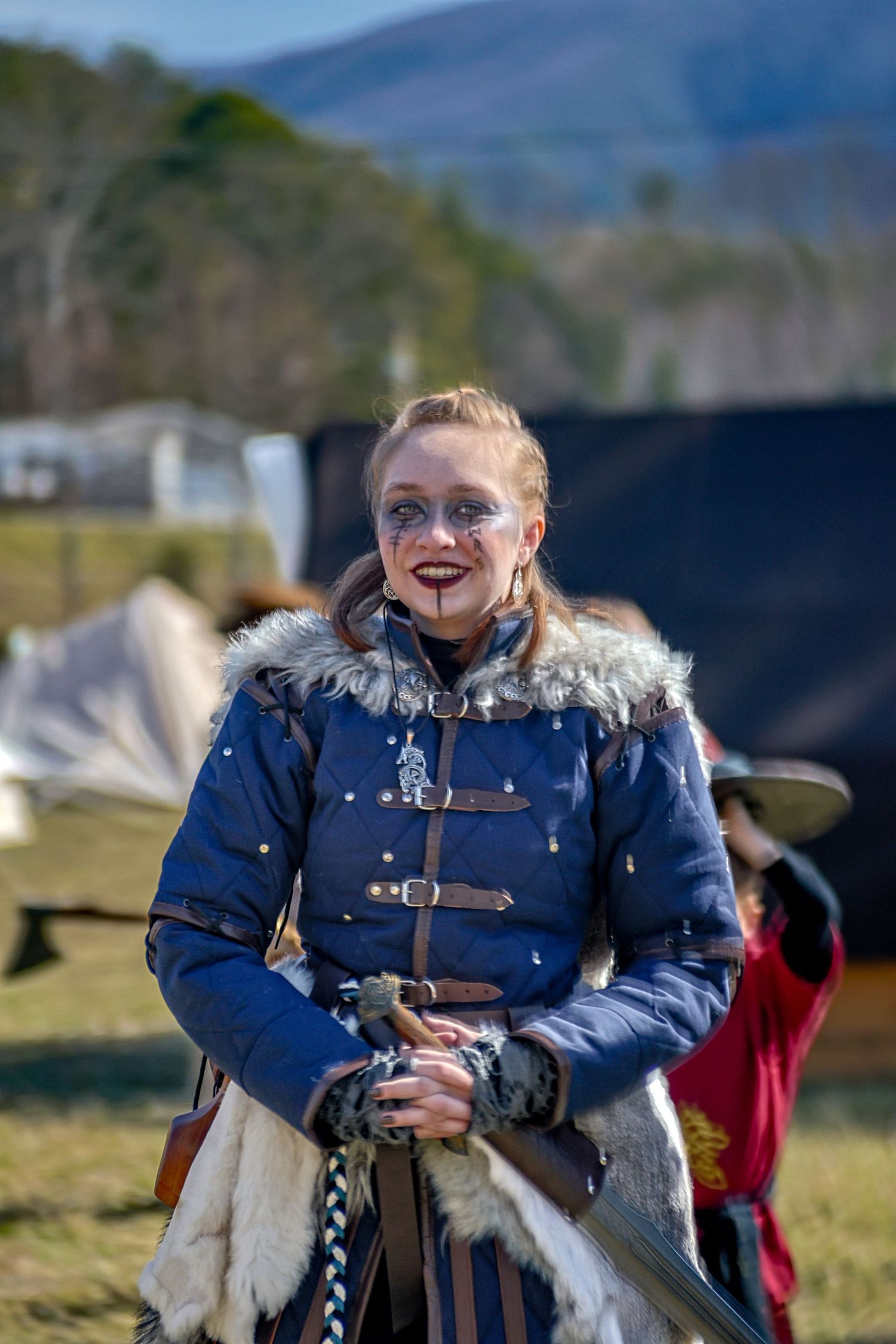
3. Share Emotional Weight
Big moments don’t have to be solo scenes. Let others:
Witness your character’s struggle
Help solve the problem
Be affected by the fallout
Shared trauma and triumph build stronger bonds.
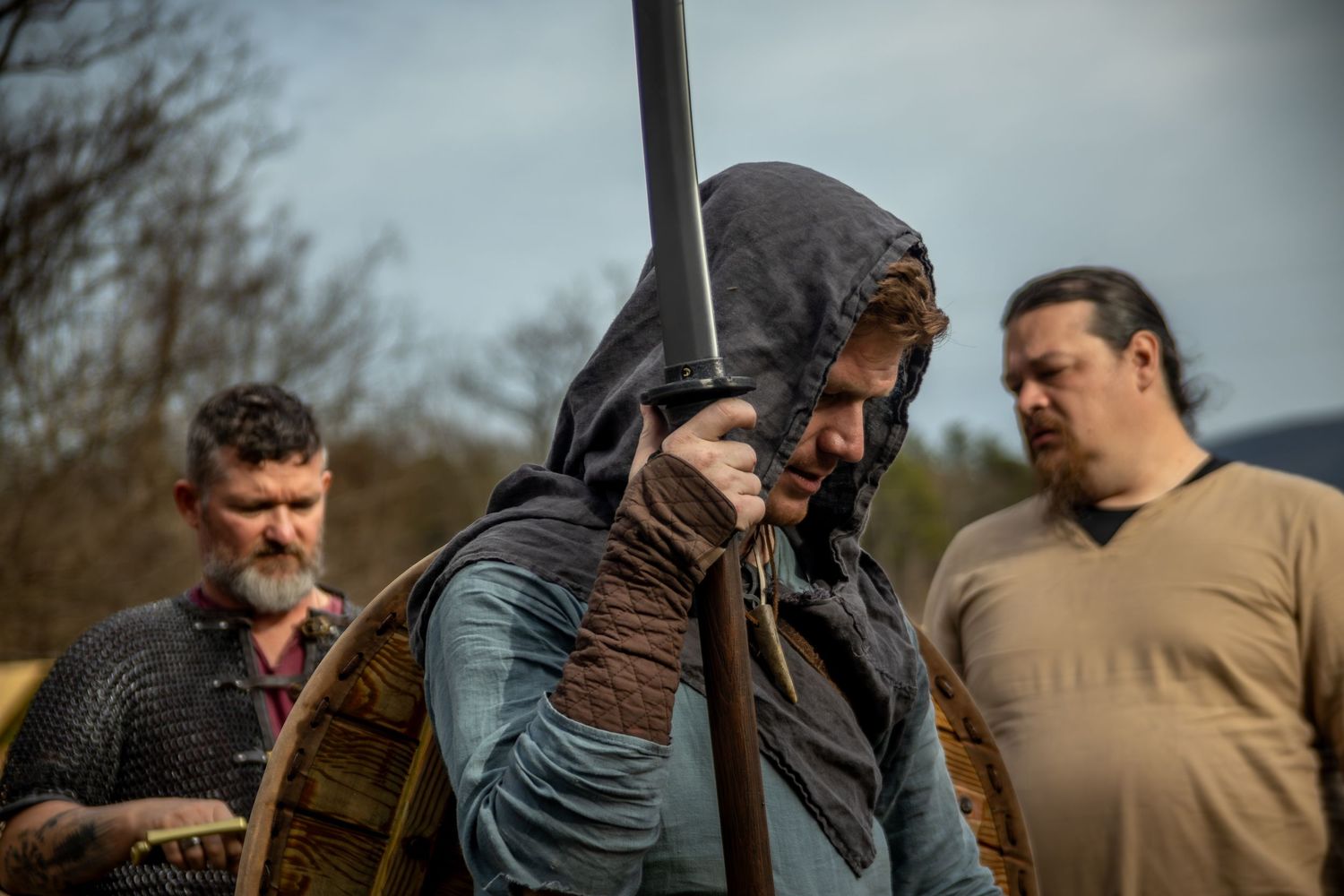
4. Advocate for Quieter Characters
If you notice someone fading into the background, pull them back in in character. A glance, a gesture, a question can anchor them back into the scene.
Tips for GMs & Story Leads
Rotate Focus
Deliberately shift scenes or hooks so different characters take center stage at different times.
Design Multi-Role Challenges
Create problems that require:
Diplomacy
Strength
Insight
Creativity
Not every solution should favor the same skillset.
Check In OOC
A quick message like:
“Hey, are you feeling good about your character’s involvement?”
…can prevent burnout or quiet frustration.
Remember: Spotlight ≠ Importance
A character doesn’t need to be loud, dramatic, or central to be vital. Subtle characters often:
Ground emotional realism
Serve as moral compasses
Create powerful slow-burn arcs
Every role matters.
The Goal: Collective Storytelling
The best roleplay moments aren’t “my character did this amazing thing.”
They’re:
“We built something unforgettable together.”
When everyone gets a moment in the light, the whole story shines brighter.
Pre-Event Staff Briefing Checklist
Spotlight Balance & Player Engagement
LARP Staff Training Guide: Spotlight Balance & Event Check-Ins
Use this scorecard during training and at-live events to keep play fair, inclusive, and engaging. The goal is not “perfect scenes”—it’s making sure everyone gets meaningful moments over time.
Scoring Legend
0–3 ScorecardScore each category based on observed behavior. Use notes to capture examples and improvements.
- 0 = Not Observed / Needs Immediate Support
- 1 = Emerging / Inconsistent
- 2 = Solid / Usually Consistent
- 3 = Excellent / Proactive & Reliable
Stage 1 — Onboarding & Core Intent
Training Stage| Category | Score | Quick Notes (What happened?) |
|---|---|---|
| Facilitator Mindset |
|
|
| Spotlight Awareness |
|
Stage 2 — NPC Tools & Scene Control
Training Stage| Category | Score | Quick Notes (What happened?) |
|---|---|---|
| NPC as Spotlight Tool |
|
|
| Scene Redirection |
|
Stage 3 — Plot Delivery & Multi-Lane Design
Training Stage| Category | Score | Quick Notes (What happened?) |
|---|---|---|
| Multi-Lane Plot Support |
|
|
| Fairness & Rotation |
|
Event Check-Ins (Use During Live Play)
At-Event| Check-In | Score | Notes (What happened?) |
|---|---|---|
| Pre-Open Brief Quality |
|
|
| Mid-Event Spotlight Balance |
|
|
| Post-Event Learning |
|